 ProMapRanker
Alternatives to Mint in 2026: 9 Apps Compared


Household dashboard and shared budgets · Pricing starts at: $14.99 per month
Key takeaways
- Mint closed in March 2024, so the best Mint alternatives now charge a subscription for full bank sync in most cases.
- Monarch Money is the closest all in one replacement for households that want budgeting, net worth, and shared access.
- YNAB suits people who want a strict zero based method, while Empower suits people who mainly want free net worth tracking.
- Rocket Money and Goodbudget offer useful free tiers, but key actions such as cancellation or full envelope sync sit behind paid plans.
Quick comparison
| Pick | Great for | Pricing starts at | Free tier | |
|---|---|---|---|---|
| Monarch Money | Household dashboard and shared budgets | $14.99 per month | Free trial (7 days) | Visit |
 YNAB | Zero based budgeting | $14.99 per month | Free trial (34 days) | Visit |
 Empower | Free net worth and investment tracking | Free | Yes | Visit |
 Quicken Simplifi | Hands off spending plan | $5.99 per month | Free trial | Visit |
 Copilot Money | Apple users who want automatic tracking | $13 per month | Free trial (30 days) | Visit |
 Rocket Money | Finding and cancelling subscriptions | $7 per month | Yes | Visit |
 Goodbudget | Envelope budgeting without bank links | Free | Yes | Visit |
 Tiller | Spreadsheet budgeting with bank feeds | $79 per year | Free trial | Visit |
 PocketGuard | Simple safe to spend number | $12.99 per month | Yes | Visit |
The best alternatives to Mint
Mint was free, synced accounts, and showed budgets and net worth in one place. No single app copies that exact mix for free today, so the right choice depends on if you want strict budgeting, simple tracking, or subscription cleanup. We compared official pricing pages, feature pages, and public reviews to sort the real Mint app alternatives from tools that only track part of your money.
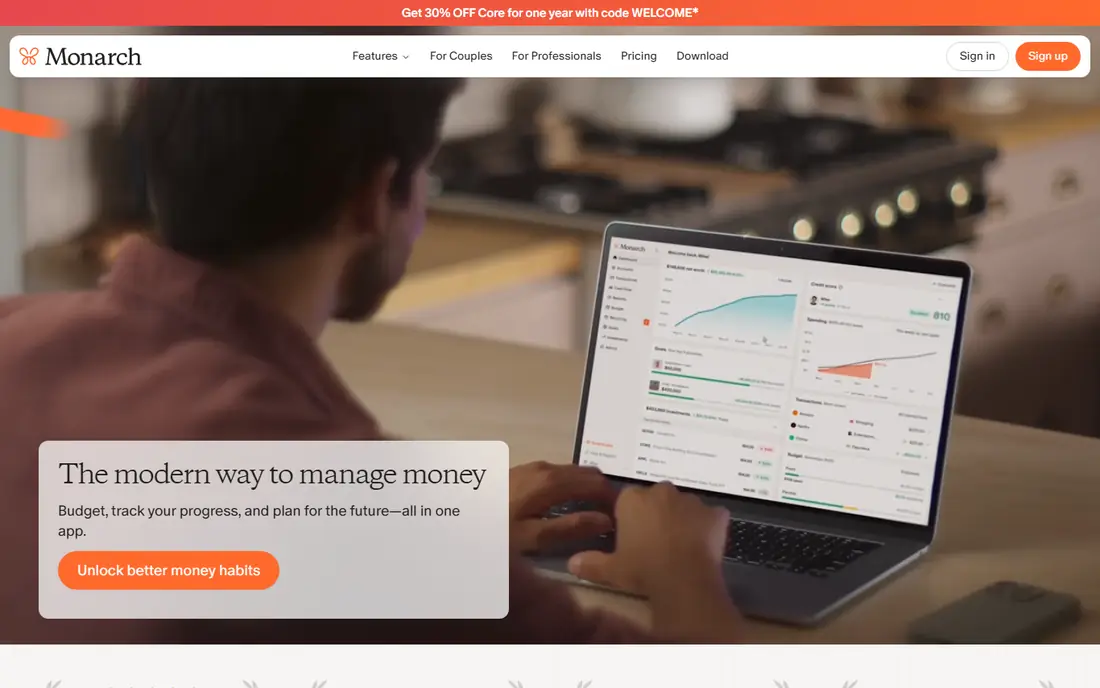
Monarch Money is the closest answer for former Mint users who want one clean dashboard. It connects bank, card, loan, and investment accounts, categorizes spending, and shows cash flow and net worth without forcing you into a strict method. Couples can share a household view, which helps when two people manage the same bills from different phones.
The price is $14.99 per month or $99.99 per year for the Core plan, with a 7 day trial. That is a real change from free Mint, and the short trial means you should connect your main accounts on day one and test sync before the trial ends. If you want an all in one view and will use the reports each week, Monarch is the easiest landing spot in this list.
- Budgeting, net worth, and investments in one view
- Shared household access
- Flexible categories and reports
- No free tier
- 7 day trial feels short for testing bank sync
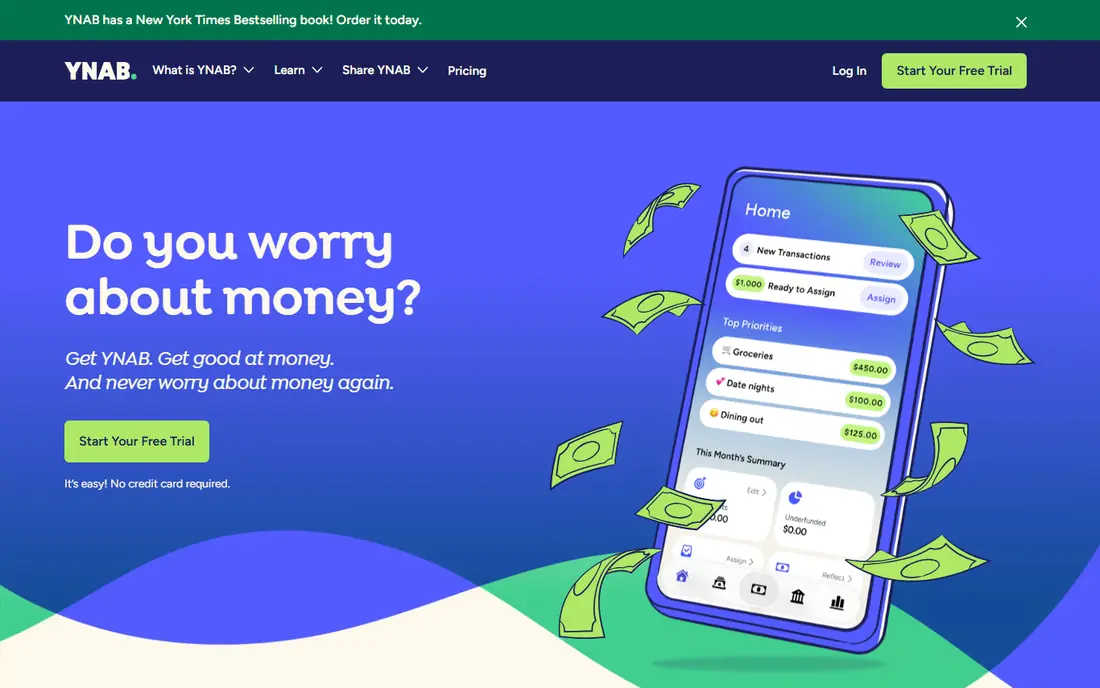
YNAB, short for You Need A Budget, takes a different approach from Mint. Instead of only tracking past spending, it asks you to give every dollar a job before the month starts. That friction is the point, and many users say it changes how they handle irregular bills and debt. Bank sync, goals, and reports support the method, but the method itself does most of the work.
Pricing is $14.99 per month or $109 per year, with a 34 day trial that gives you time to learn the system. If passive tracking never stuck for you, YNAB may finally work. If you only want a quick glance at spending, it can feel like too much work for the job.
- Clear zero based method
- Strong debt payoff tools
- Long trial and student offer
- Learning curve in the first weeks
- No free tier
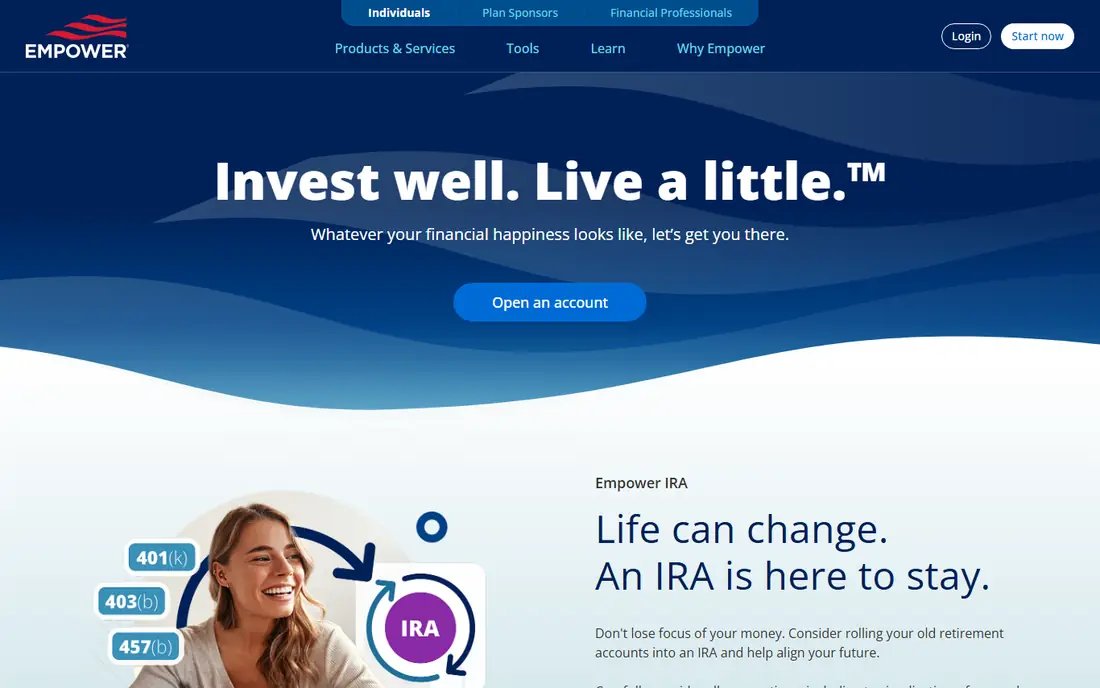
Empower, formerly Personal Capital, is the best free alternative to Mint for people who care most about the big picture. Its free dashboard links accounts, tracks net worth, and shows investment allocation and fees. For retirement planning and investment review, it gives more depth than most free budgeting apps.
Budgeting itself is simpler here, with less category control than Monarch or YNAB. Empower also offers optional paid wealth management, and you may see offers for that service. If your main Mint habit was checking net worth and investments, start with Empower and add a stricter budget app only if you need one.
- Free personal dashboard
- Net worth and investment views
- Retirement planning tools
- Budgeting is lighter than YNAB or Monarch
- Expect offers for paid wealth management
Quicken Simplifi suits people who want Mint style automation without a strict method. It builds a spending plan from your income, bills, and savings goals, then shows what is left to spend. That view helps with day to day decisions, and the interface stays simpler than a full accounting program.
The listed starting price is around $5.99 per month billed annually, though first year promotions have been lower in past summaries, so check the checkout price before you commit. Simplifi is a good middle ground: more structure than Empower, less homework than YNAB. It works best for households that want a plan they can glance at each week.
- Automated spending plan
- Bill and savings tracking
- Lower annual cost than many rivals
- Less strict than zero based budgeting
- Pricing can vary with promotions
Copilot Money is the design first pick among the best alternatives to Mint, and it is built around Apple devices. It syncs accounts, categorizes transactions, and lets you review spending in a calm, visual layout. For iPhone, iPad, and Mac users who check money on Apple hardware, the experience feels more polished than many rivals.
The limit is clear: there is no Android app, so mixed device households should look elsewhere. Pricing is $13 per month or $95 per year, with a 30 day trial. If you live in the Apple world and want automatic tracking with a clean review flow, Copilot is worth the trial.
- Clean design
- Automatic categorization
- Strong review workflow on Apple devices
- No Android app
- No free tier
Rocket Money, formerly Truebill, does one job better than most Mint alternatives: it finds recurring charges. The free tier links accounts, tracks spending, and lists subscriptions, which alone can reveal costs you forgot. That makes it a useful first step after Mint, even before you pay for anything.
Premium uses a pay what you want range from $7 to $14 per month, and it adds subscription cancellation and bill negotiation. Note that bill negotiation typically takes a share of first year savings, often cited as 35 percent to 60 percent, so read the terms for each bill. If subscriptions are your main leak, Rocket Money earns its place. If you need strict budgeting, pair it with another app or pick Monarch or YNAB instead.
- Useful free tier
- Subscription detection
- Bill negotiation on Premium
- Cancellation and negotiation sit behind Premium
- Negotiation takes a share of savings
Goodbudget brings the classic envelope method to a phone and web app. You divide money into envelopes for rent, groceries, transport, and other categories, then record spending against each envelope. That manual step helps some people feel the limit of each category in a way automatic tracking does not.
The free tier covers basic envelopes, one account, and two devices, while Plus is $10 per month or $80 per year for unlimited envelopes and more history. Bank sync is a paid feature, so Goodbudget suits people who prefer manual entry or who do not want to link banks. For couples who share envelopes and want a simple system, it remains a solid, low cost pick.
- Simple envelope method
- Free tier for basic use
- Works without linking banks
- Free tier limits envelopes and accounts
- Bank sync requires a paid plan
Tiller is the best Mint alternative for spreadsheet people. It feeds bank transactions into Google Sheets or Excel, then lets you build your own budgets, categories, and reports. That control suits users who liked Mint data but wanted to shape it their own way, and it avoids a fixed app layout that never quite fits.
The price is $79 per year after a trial, and the work is real: you must set up sheets, rules, and reviews yourself. Beginners who want a ready made dashboard will prefer Monarch or Simplifi. For people who already live in spreadsheets, Tiller turns a bank feed into a personal finance system with no extra app to learn.
- Bank feeds in Google Sheets and Excel
- Full control over categories and reports
- Strong for custom trackers
- Still a spreadsheet
- No hand holding for beginners
PocketGuard answers a simple question each day: after bills and goals, what is safe to spend? It links accounts, tracks income and bills, and shows a leftover number that many users find easier than a full budget. That focus makes it a good fit for people who felt overwhelmed by Mint categories and reports.
The free tier is limited, and Plus is $12.99 per month or $74.99 per year for the full feature set. PocketGuard is not the deepest budgeting tool here, and it will not suit users who want detailed envelope or zero based planning. For a quick, honest spending guardrail, it does the job with less setup than most rivals.
- Clear safe to spend view
- Bill and income tracking
- Simple setup
- Free tier is limited
- Plus is needed for full features
How we picked these
We compared official pricing pages, feature pages, app store listings, and public reviews for apps that are still maintained in October 2026 and that cover budgeting, account sync, or net worth in a way former Mint users would recognize. We favored apps with clear pricing, a working trial or free tier where claimed, and a real budgeting or tracking method. We did not list Mint itself, since Intuit discontinued it in March 2024, and we left out credit monitoring tools that do not offer budgets.
What to check before you switch
Start with the method, not the price. A strict method helps if overspending is the problem, while a simple dashboard helps if awareness is the problem. Check if your bank syncs reliably during the trial, since a broken connection will ruin even the best app. Test shared access if a partner will use it, and check if the app supports the accounts you actually hold, including credit unions and investment accounts.
Export your Mint data history if you still have access through any archive or linked tool, and set up categories before the first month ends. A new app feels messy in week one for almost everyone, so judge it after a full billing cycle. If you only need subscription cleanup, start free with Rocket Money. If you need a full household system, trial Monarch and YNAB side by side for two weeks and keep the one you open more often.
Frequently asked questions
What are the best alternatives to Mint?
Monarch Money is the closest all in one replacement, YNAB is best for strict zero based budgeting, and Empower is best for free net worth tracking. Rocket Money suits subscription cleanup, while Goodbudget suits envelope budgeting. The best mint alternative depends on if you want control, simplicity, or a free dashboard.
Is there a free alternative to Mint?
Empower offers a free dashboard for net worth and investments, and Rocket Money and Goodbudget offer useful free tiers with limits. No current app matches free Mint exactly, since most full bank sync tools now charge a subscription. A free tier works best when you mainly need tracking, not strict budgeting or cancellation help.
What happened to Mint?
Intuit shut down Mint in March 2024 and pointed users toward Credit Karma, which focuses on credit monitoring and lending rather than full monthly budgeting. That is why searches for mint.com alternatives and mint app alternatives remain common. Former Mint users now need a dedicated budgeting app for the same mix of budgets, categories, and net worth.
Which Mint alternative is best for couples?
Monarch Money is the strongest pick for couples, thanks to shared household access and a single dashboard for budgets and net worth. Goodbudget also works for couples who prefer envelope budgeting on shared devices. Check shared access during the trial, since partner permissions vary by app.
Does YNAB or Monarch sync with banks?
Yes, both YNAB and Monarch Money sync with banks and cards, subject to each bank and aggregator supporting the connection. Sync reliability can vary by institution, so test your main accounts during the trial. If a key account fails to sync, that alone can decide between the two.
Is Rocket Money really free?
Rocket Money has a free tier for account linking, spending tracking, and subscription detection. Premium, from $7 to $14 per month, adds cancellation and bill negotiation. Bill negotiation takes a share of savings, so read the terms before you use it for a large bill.
Sources
See where you really rank - block by block
ProMapRanker scans Google Maps across a grid of your service area. Simple monthly plans from $19, white-label on every plan.
Start freeKeep reading
 free alternatives to grok imagine
Free Alternatives to Grok Imagine in 2026
We compared the best free alternatives to grok imagine for image generation, from fast daily credits to design tools, so you can create without paying.
Read → best tools for instagram content creation
Best Tools for Instagram Content Creation in 2026
Compare the best tools for Instagram content creation, from Canva and CapCut to Later and Buffer, on design, video, planning, scheduling, and price in 2026.
Read → best tool to split pdf files
Best Tool to Split PDF Files in 2026
We compared the best tool to split pdf files on split modes, file limits, privacy and price, so you can split a PDF cleanly and keep every page in one go.
Read →