 ProMapRanker
Alternatives to Facebook Marketplace in 2026

Key takeaways
- eBay is the best alternative for nationwide and global reach, with auctions, fixed prices, and seller protections.
- Craigslist and OfferUp are the best local options, with free local listings and in person pickup for bulky items.
- Mercari suits everyday decluttering with prepaid labels and a flat selling fee, while Poshmark and Depop suit fashion sellers.
- Etsy is the clear pick for handmade and vintage goods, where buyers arrive looking for unique items rather than mass products.
- Fees, shipping, and meetup safety vary a lot, so match the platform to the item first, then check the fee before you list.
Quick comparison
| Pick | Great for | Pricing starts at | Free tier | |
|---|---|---|---|---|
 eBay | Nationwide and global selling | Free | Yes | Visit |
 Craigslist | Free local classifieds | Free | Yes | Visit |
 OfferUp | Mobile local selling | Free | Yes | Visit |
 Mercari | Everyday decluttering | Free | Yes | Visit |
 Poshmark | Fashion and accessories | Free | Yes | Visit |
 Etsy | Handmade and vintage | See website | Yes | Visit |
 Nextdoor | Selling to neighbours | Free | Yes | Visit |
 Depop | Vintage and trend fashion | Free | Yes | Visit |
The best alternatives to facebook marketplace
The platforms below are alternatives to Facebook Marketplace only. Facebook Marketplace itself is not listed here. Each platform covers a different kind of sale, from a sofa that needs local pickup to a vintage jacket that will sell better to a national fashion audience. Fees shown are selling fees reported in 2026 guides, and they can change, so confirm the fee in the app before you list.
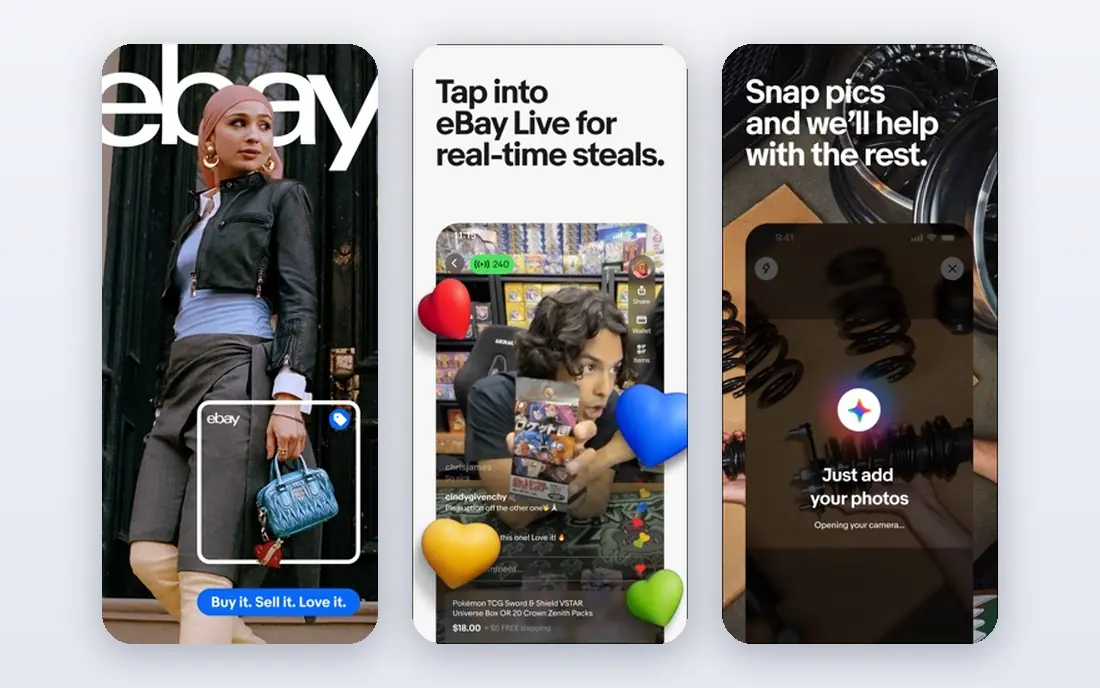
eBay is the broadest alternative in this list. You can sell almost anything, from electronics and collectibles to clothing and home goods, to buyers across the country and around the world. Auctions suit rare items where demand sets the price, while fixed price listings suit everyday goods you want to sell at a set amount. The listing tools, search filters, and seller protections give both sides more structure than a local classified ad.
The cost is the main drawback. Final value fees run roughly 10 to 15 percent depending on category, plus a small per order fee, so a $100 sale does not net $100. Competition is also fierce, which can push prices down for common items. For rare, valuable, or niche goods, and for items that will not sell locally, eBay remains the strongest alternative, since reach often outweighs the fee.
- Huge buyer audience
- Auction and fixed price options
- Seller protections and structured listing tools
- Final value fees of roughly 10 to 15 percent plus a per order fee
- High competition can pressure prices
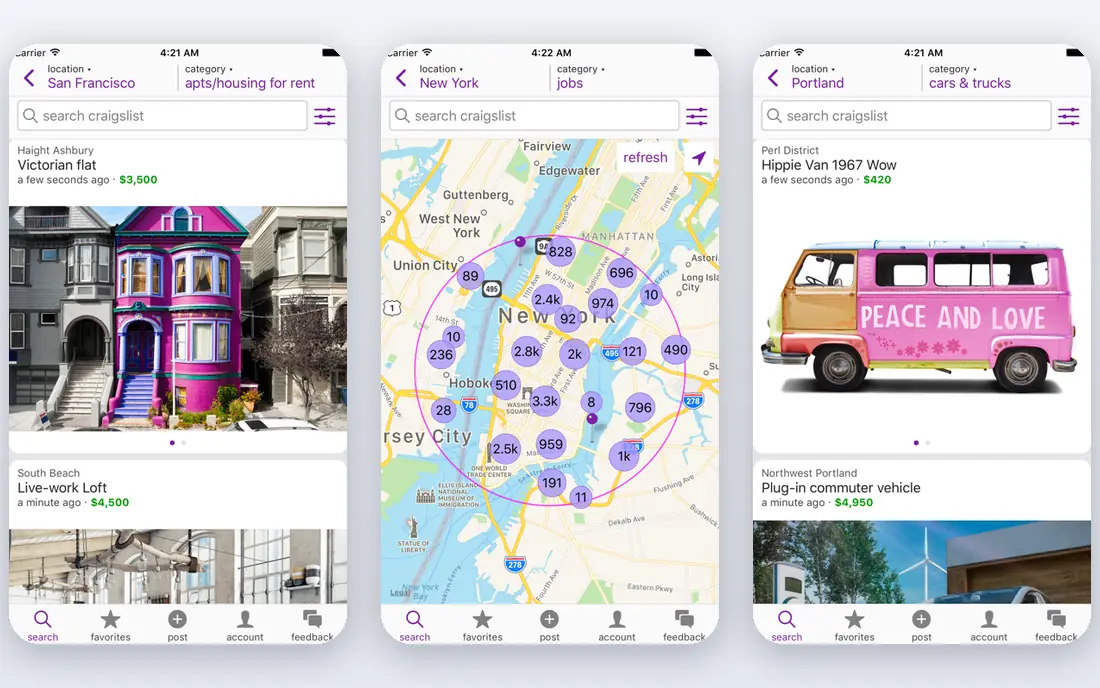
Craigslist is the simplest local alternative. Most listings are free, posting takes minutes, and it works well for furniture, appliances, vehicles, equipment, and other items that are awkward or costly to ship. Buyers in your city can search by category and neighbourhood, and deals usually end with cash and in person pickup, which avoids shipping altogether.
The lack of protection is the honest weakness. There is no built in payment system for most deals, no buyer or seller rating system of the kind OfferUp offers, and scam messages are common. That does not make Craigslist unusable, but it does mean you should meet in a public place, accept cash or a verified payment in person, and never ship an item before payment clears. For bulky local goods, Craigslist is still hard to beat on cost.
- Most listings are free
- Strong local reach for bulky items
- Simple posting with no social account needed
- No payment protection
- Outdated interface
- Higher scam and no show risk than protected marketplaces
OfferUp is the closest mobile first match for local selling. The app is easy to use, listings take only a few photos and a short description, and ratings help buyers and sellers judge each other before meeting. Local pickup sales are free, which makes OfferUp a strong choice for furniture, home goods, and everyday items in a city with an active user base.
Shipping changes the maths. Shipped orders carry a service fee of about 12.9 percent in 2026 reports, so a shipped sale nets far less than a local cash sale. Promotion features can also tempt sellers to pay for visibility that may not be needed. For local sales, OfferUp is clean, fast, and free. For shipping, compare the fee with Mercari and eBay before you choose.
- Easy mobile app
- Buyer and seller ratings
- Local sales are free, with optional nationwide shipping
- Shipped orders carry a service fee of about 12.9 percent
- Niche items can sell slowly in smaller areas
Mercari suits people clearing a home, a closet, or a garage of everyday items. Listing is quick, the app generates a prepaid shipping label, and the buyer pays for shipping in most cases, which removes the need to weigh a parcel or visit a post office with a custom label. Household goods, electronics, clothing, and toys all sell well, and the flat 10 percent selling fee is easy to understand.
The limit is local bulky goods. Mercari is built for shipped items, so a sofa or a large appliance is a poor fit. Returns and disputes also follow Mercari rules, which can feel strict if you are used to a cash local deal. For decluttering at scale, where you want many small items gone without meeting buyers in person, Mercari is one of the easiest alternatives to use.
- Simple listing and prepaid shipping labels
- Flat 10 percent selling fee in 2026 reports
- Good for household goods
- Shipping only model suits fewer bulky items
- Fee applies on top of payment processing in some reports
Poshmark is the fashion specialist in this list. Buyers arrive looking for clothing, shoes, bags, and accessories, including brand names, so a well photographed closet can sell faster here than on a general marketplace. Listings are easy to create, shipping labels are prepaid, and the social features, such as sharing listings and following sellers, help new listings reach more buyers.
The fee is the catch. Poshmark takes 20 percent on sales over $15, and $2.95 on sales under $15, which is higher than Mercari or Depop for many items. Selling well also takes active sharing and engagement, not just listing and waiting. If you sell fashion regularly and you price with the commission in mind, Poshmark offers a focused audience that general platforms cannot match.
- Large fashion focused audience
- Prepaid shipping labels
- Social selling features help listings get seen
- Commission of 20 percent on sales over $15, or $2.95 under $15
- Needs active sharing to sell well
Etsy is the right alternative for makers, artists, and vintage sellers. Buyers come to Etsy looking for unique, handmade, or vintage items, which means a hand thrown mug, a restored lamp, or a vintage dress meets an audience that already values it. Shop pages, branding tools, and search filters help a small shop look professional without building a separate website.
Fees need careful maths. Each listing costs $0.20, plus a 6.5 percent transaction fee and payment processing, and advertising fees can apply in some cases. That total can surprise a new seller who only looked at the listing fee. For mass produced goods, Etsy is a poor fit and may breach its handmade and vintage rules. For genuine handmade or vintage work, the audience is worth the fee.
- Buyers seek handmade, vintage, and craft supplies
- Strong shop branding tools
- Global reach for unique goods
- Listing fee of $0.20 plus a 6.5 percent transaction fee and payment processing
- Competition and ad fees can add up
Nextdoor works differently from the other platforms here, since its audience is your neighbourhood. Selling to neighbours suits household goods, garden items, baby gear, and free items that you want gone quickly without a long drive. Buyers are local, pickup is short, and the community feel can make deals friendlier than an anonymous classified site.
The limit is reach. A niche item may find no buyer in a small neighbourhood, even if it would sell nationally on eBay or Mercari. Nextdoor also lacks the payment protection and shipping tools of larger marketplaces, so most deals are still cash and pickup. For everyday local sales, and for giving items away, Nextdoor is a useful, free addition to Craigslist and OfferUp.
- Hyperlocal audience of verified neighbours
- Free listings
- Good for household goods and free items
- Audience is limited to nearby neighbourhoods
- No shipping or payment protection for most deals
Depop suits sellers with vintage, streetwear, or trend led fashion. The app feels visual and social, with feeds, likes, and seller profiles that help a distinctive style stand out. Recent reports put the US seller fee at about 3.3 percent plus $0.45 per transaction, which is lower than Poshmark for many fashion sales, though payment terms can vary, so confirm the current fee before you list.
The audience is the limit as well as the strength. Depop buyers skew younger and trend focused, so classic or formal clothing may sell more slowly than on eBay or Poshmark. Good photos, honest condition notes, and quick replies matter a lot, since buyers judge a shop by its feed. For vintage and trend fashion, Depop is one of the best alternatives here.
- Strong audience for vintage and trend led fashion
- Visual, social style listings
- Lower seller fee than Poshmark in recent reports
- Audience skews younger, so not every style sells
- Disputes and shipping follow platform rules
How we picked these
We compared recent 2026 alternative guides, official fee pages, and platform help pages, and we kept only platforms that were live in the United States in October 2026 and that a typical buyer or seller could join without a business account. We excluded Facebook Marketplace itself, since this is an alternatives article, and we excluded platforms that were invite only, closed, or limited to a single city. Fees are from 2026 reports and vendor pages, and we advise confirming the current fee in the app before listing.
How to sell safely and keep more of the sale
Start with the item, not the app. A bulky sofa, a piano, or a large appliance belongs on a local platform like Craigslist, OfferUp, or Nextdoor, where pickup avoids shipping cost and damage risk. A rare collectible, a brand name bag, or a vintage jacket belongs on eBay, Poshmark, or Depop, where a national audience can bid or buy at a better price. A handmade item belongs on Etsy, where buyers expect to pay for craft.
Next, price with the fee in mind. Work out the net amount after the platform fee, payment processing, and shipping, then set the list price to reach the net you need. Take clear photos in daylight, show flaws honestly, and write measurements for clothing and furniture, since accurate listings reduce returns and disputes. For local deals, meet in a public place during daylight, bring a friend if you can, and accept cash or a payment you can verify on the spot. Never ship an item before payment clears, and never share codes, passwords, or bank details with a buyer or seller.
Finally, keep records. Save listing photos, messages, tracking numbers, and payment receipts until the sale is complete and the return window has passed. If a deal feels rushed, secretive, or too good to be true, pause and check the platform help pages for scam warnings. A short delay is far cheaper than a lost item or a reversed payment.
Frequently asked questions
What are the best alternatives to Facebook Marketplace for local selling?
Craigslist, OfferUp, and Nextdoor are the best local alternatives, since all three offer free local listings and in person pickup. Craigslist suits bulky items and simple ads, OfferUp suits mobile first sellers who want ratings, and Nextdoor suits sales to nearby neighbours. Use more than one for a fast sale, and meet in a public place.
What is the best alternative to Facebook Marketplace for shipping items?
eBay and Mercari are the strongest shipping alternatives, thanks to large audiences, prepaid labels, and seller protections. eBay suits rare and valuable items, while Mercari suits everyday household goods and decluttering. Compare the final value fee and shipping terms for your item before you choose, since fees differ by category.
Which marketplace alternative has the lowest fees?
For local cash sales, Craigslist, OfferUp local sales, and Nextdoor are free, which beats any shipped platform fee. For shipped fashion, Depop reports a lower seller fee than Poshmark in recent guides. For general goods, Mercari reports a flat 10 percent fee, while eBay fees vary by category at roughly 10 to 15 percent plus a per order fee.
What is the best alternative for selling clothes?
Poshmark suits brand name fashion with a large, focused audience, while Depop suits vintage and trend led styles at a lower reported fee. Mercari and eBay suit general clothing and larger lots. Choose based on the style you sell, photograph items well, and price with the platform commission in mind.
Is it safe to sell on alternatives to Facebook Marketplace?
It can be, if you follow platform safety rules. Use protected payments for shipped sales, meet in public places for local sales, and never share codes or bank details. Protected marketplaces like eBay, Mercari, and Poshmark offer more dispute help than open classified sites like Craigslist, where cash and caution matter more.
Can I sell handmade items without Facebook Marketplace?
Yes, Etsy is built for handmade and vintage goods, with shop tools and a global audience that seeks unique items. You can also sell handmade goods on eBay or through your own shop, but Etsy buyers arrive with an expectation of craft and uniqueness. Check Etsy rules for handmade and vintage eligibility before you list.
Sources
See where you really rank - block by block
ProMapRanker scans Google Maps across a grid of your service area. Simple monthly plans from $19, white-label on every plan.
Start freeKeep reading
 free alternatives to grok imagine
Free Alternatives to Grok Imagine in 2026
We compared the best free alternatives to grok imagine for image generation, from fast daily credits to design tools, so you can create without paying.
Read → best tools for instagram content creation
Best Tools for Instagram Content Creation in 2026
Compare the best tools for Instagram content creation, from Canva and CapCut to Later and Buffer, on design, video, planning, scheduling, and price in 2026.
Read → best tool to split pdf files
Best Tool to Split PDF Files in 2026
We compared the best tool to split pdf files on split modes, file limits, privacy and price, so you can split a PDF cleanly and keep every page in one go.
Read →