 ProMapRanker
Top Demand Planning Software in 2026


Global manufacturers running constant what-if scenarios · Pricing starts at: See website
Key takeaways
- Kinaxis Maestro and o9 Solutions lead for large enterprises that need concurrent planning and fast scenario work.
- SAP IBP and Oracle Supply Chain Planning suit companies already built around SAP or Oracle systems.
- Blue Yonder and RELEX suit retail and consumer goods, with strong store-level and execution links.
- Almost all enterprise demand planning software is quote-based, with implementations measured in months, so demo the planning workflow before signing.
Quick comparison
| Pick | Great for | Pricing starts at | Free tier | |
|---|---|---|---|---|
| Kinaxis Maestro | Global manufacturers running constant what-if scenarios | See website | No | Visit |
 o9 Solutions | Large companies replacing fragmented planning with one AI platform | See website | No | Visit |
 SAP Integrated Business Planning | Companies already running SAP for finance and operations | See website | No | Visit |
 Oracle Supply Chain Planning | Companies already running Oracle ERP and supply chain systems | See website | No | Visit |
 Blue Yonder | Retail and manufacturing planning with execution links | See website | No | Visit |
 RELEX Solutions | Retail and consumer goods forecasting to the shelf | See website | No | Visit |
 Logility | Mid-market demand, supply, and inventory planning | See website | No | Visit |
 Anaplan | Connected planning across demand, finance, and commercial teams | See website | No | Visit |
The best demand planning software
We compared official feature pages, pricing pages, analyst coverage, and public reviews for software that forecasts demand and aligns supply, inventory, and commercial plans. This category is enterprise-heavy, so most vendors publish no starting price. We wrote See website in those cases rather than guessing a figure, and we note implementation effort honestly.
Kinaxis Maestro, formerly known for RapidResponse, suits manufacturers that need demand, supply, and capacity plans to move together. When a forecast changes, planners can test scenarios and see the effect on supply and inventory in the same model, rather than waiting for separate systems to catch up. That concurrent view is the main reason large manufacturers choose it.
The cost is enterprise-level, and implementation is a program, not a quick install. Data quality, planning process changes, and user training all take time. For a global manufacturer with complex scenarios, that investment can pay off. For a small company, a mid-market tool below will fit better.
- Concurrent planning across demand, supply, and capacity
- Fast scenario and version comparison
- Broad ERP links
- Enterprise pricing
- Implementation and change management take months
o9 Solutions
Great for: Large companies replacing fragmented planning with one AI platform
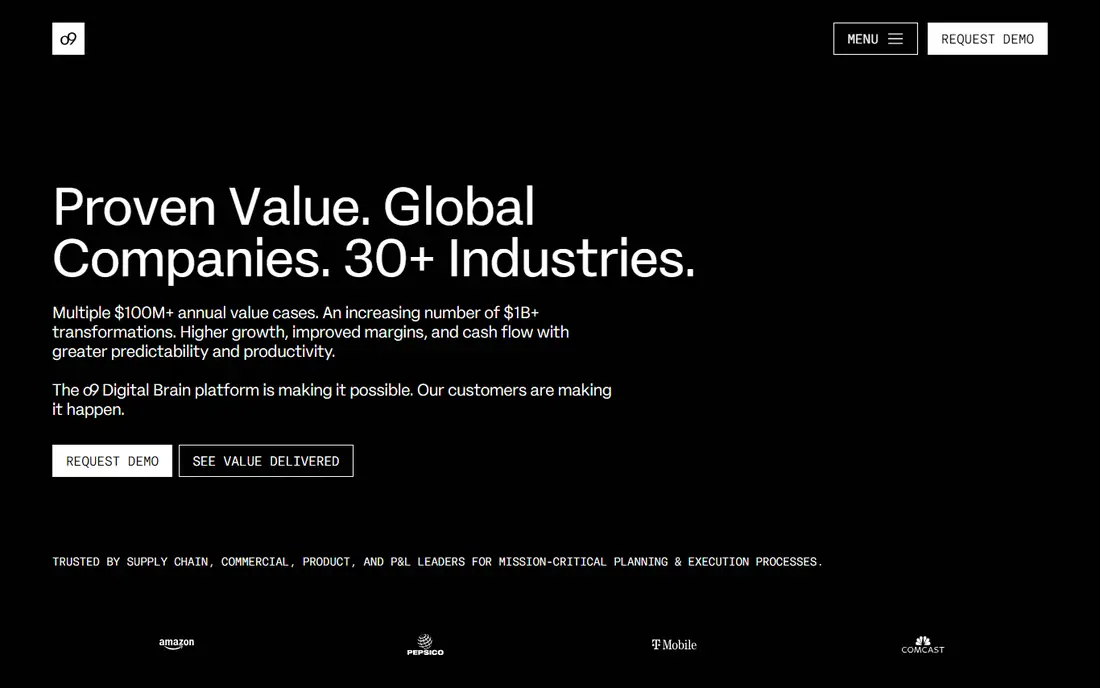
o9 Solutions targets large process-industry and consumer companies that run planning across many systems and spreadsheets. Its Enterprise Knowledge Graph connects demand, supply, finance, and commercial plans in one model, so a change in one area shows up across the plan. AI-assisted forecasting and scenario tools support that connected view.
The honest catch is scale of commitment. o9 is a transformation program with consultant-supported implementation over several months, on enterprise agreements. Companies without clean data and a clear planning process will struggle to get value quickly. For large enterprises ready for that change, it is a category leader.
- Enterprise Knowledge Graph linking demand, supply, and finance
- Strong scenario planning
- AI-assisted forecasting
- High cost and long implementation
- Needs strong data quality upfront
SAP Integrated Business Planning
Great for: Companies already running SAP for finance and operations
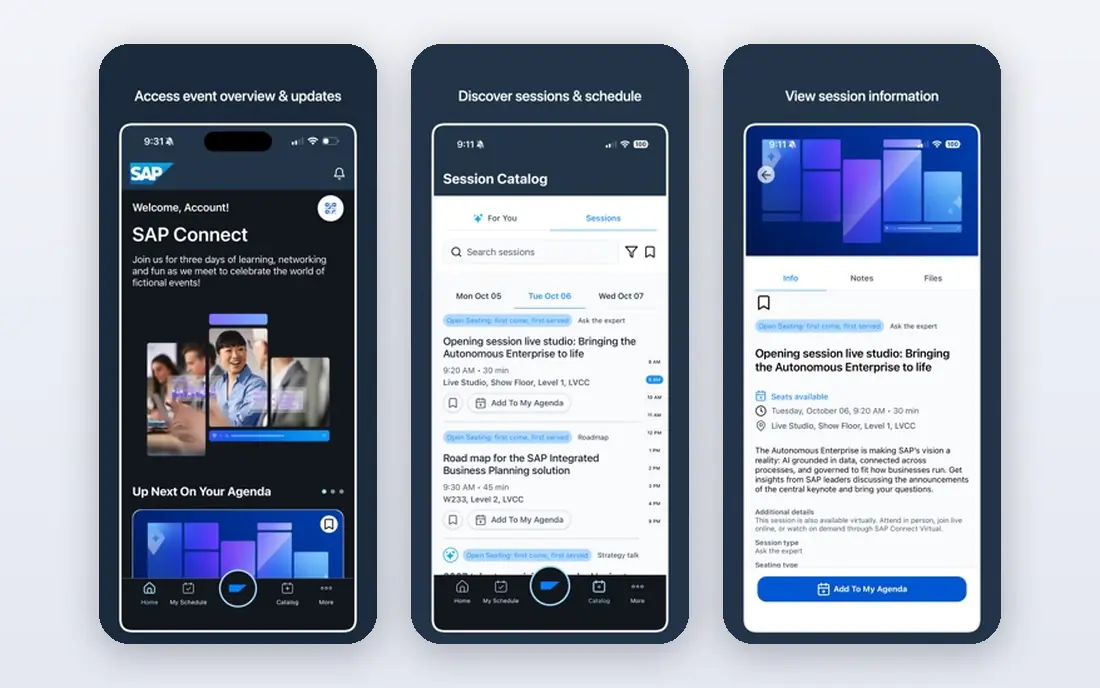
SAP Integrated Business Planning, or SAP IBP, suits companies that already run SAP ERP and want planning close to their system of record. Demand planning, supply planning, inventory optimisation, and sales and operations planning sit in one suite, with data flowing from SAP systems without a separate integration project for every feed.
Outside an SAP estate, the case weakens. Setup is complex, pricing is enterprise-level, and the full value depends on SAP data and processes. For SAP-centric global companies, though, that closeness is a real advantage, since it avoids reconciling plans across unrelated systems.
- Deep SAP integration
- Demand, supply, and S and OP planning in one suite
- Strong for SAP shops
- Complex setup outside SAP
- Enterprise pricing and services
Oracle Supply Chain Planning
Great for: Companies already running Oracle ERP and supply chain systems
Oracle Supply Chain Planning suits large companies already built around Oracle ERP, procurement, and manufacturing systems. Demand planning links to supply planning and execution in the same suite, which helps planners move from a forecast to a supply plan without rebuilding data in another tool. That integration is the main selling point.
The limit mirrors SAP IBP. Outside Oracle, the integration advantage fades, and pricing remains enterprise-level. Companies evaluating Oracle should demo the demand-to-supply workflow with their own data, and check how much of the suite they will actually use, since buying the full suite for one planning job wastes budget.
- Broad Oracle supply chain suite
- Demand and supply planning with execution links
- Strong for Oracle shops
- Enterprise pricing
- Best value inside an Oracle estate
Blue Yonder suits global retail and manufacturing companies that want planning and execution in one vendor platform. Its forecasting uses probabilistic AI methods, and links to warehouse and transport systems help turn a plan into movement of goods. Retail assortment, replenishment, and space planning add depth for store-based businesses.
The platform is large, and implementation is a multi-month program for most enterprises. Smaller companies will find the scope and cost heavier than needed. For a retailer or manufacturer that already plans at scale, Blue Yonder offers breadth that narrower demand tools cannot match.
- Probabilistic AI forecasting
- Planning plus warehouse and transport links
- Strong retail coverage
- Large enterprise platform
- Implementation measured in months
RELEX Solutions
Great for: Retail and consumer goods forecasting to the shelf
RELEX Solutions focuses on retail and consumer goods, from forecast to shelf availability. Its machine learning forecasts work at store and channel level, and space and workforce planning help retailers staff and stock each location. That store-level depth suits grocers, general retailers, and consumer goods brands selling through retail.
The focus is also the limit. Discrete manufacturers with complex bills of material and capacity planning may need a broader planning suite such as Kinaxis or SAP IBP. For retail-led demand planning, RELEX is a strong specialist pick, and its pricing reflects that enterprise scope.
- Store and channel-level machine learning forecasts
- Space and workforce planning
- Strong retail focus
- Retail-centred, so less fit for discrete manufacturing
- Enterprise pricing
Logility suits mid-market companies that need serious demand planning without the scale of the largest suites. Demand forecasting, supply planning, and inventory optimisation sit in one platform, with sales and operations planning workflows for teams that need a shared plan. That scope fits companies outgrowing spreadsheets but not ready for a multi-year transformation.
The trade-off is vendor scale. Logility is smaller than SAP, Oracle, or Blue Yonder, so integration depth and partner coverage vary by system. Check the integrations for your ERP and the plan tier that includes the forecasting and optimisation features you need, since not every feature sits in the base plan.
- Demand and supply planning in one platform
- Inventory optimisation
- More accessible than the largest suites
- Smaller vendor than SAP, Oracle, or Blue Yonder
- Enterprise features vary by plan
Anaplan suits companies that want demand planning connected to finance and commercial plans in a flexible model, rather than a fixed planning suite. Planners can build models that link demand, revenue, supply, and workforce assumptions, and test scenarios across teams. That flexibility appeals to companies with unusual planning structures.
The catch is skill. Building and maintaining Anaplan models needs trained users or partners, and a poorly built model can slow planning rather than speed it. Pricing is quote-based and can rise as models and users grow. For teams with modelling skill and a connected-planning goal, Anaplan is a strong fit.
- Flexible connected planning models
- Strong for finance-linked demand plans
- Scenario modelling
- Model building needs skilled users
- Pricing is quote-based and can rise with scale
How we picked these
We compared official feature pages, pricing pages, analyst coverage, and public reviews for software that was live in October 2026 and that covers demand forecasting as a core function, not just inventory tracking. We kept enterprise and mid-market tools, and we wrote See website where vendors publish no starting price. We did not claim hands-on testing, and we did not invent implementation times, using general ranges from vendor and analyst coverage instead.
How to choose demand planning software
Start with company size and existing systems, since those two factors rule out most of the list. SAP and Oracle shops should shortlist their own vendor first. Retailers should shortlist RELEX and Blue Yonder. Global manufacturers with heavy scenario work should shortlist Kinaxis and o9. Mid-market companies should shortlist Logility and Anaplan.
Next, demo with your own data, not a vendor demo set. Test forecast accuracy on a past period, scenario speed, and how planners override a forecast. Check data quality needs, integration effort, and who will maintain the model after go-live. Finally, compare total cost over three years, including licences, implementation, and internal time, since the licence fee is only part of the cost for enterprise planning software.
Frequently asked questions
What is the best demand and supply planning software?
Kinaxis Maestro and o9 Solutions lead for large enterprises with complex scenarios, while SAP IBP and Oracle Supply Chain Planning lead inside their own ERP estates. RELEX suits retail, Blue Yonder suits retail and manufacturing execution, and Logility suits mid-market teams. Pick by size, industry, and existing systems.
How much does demand planning software cost?
Most enterprise demand planning software is quote-based, with total costs commonly in the tens to hundreds of thousands of dollars per year once licences and implementation are included. Mid-market tools cost less, but still need implementation time. Ask vendors for a three-year total cost, not just a licence quote.
How long does demand planning software take to implement?
Enterprise implementations commonly take six to eighteen months, depending on data quality, scope, and process change. Mid-market tools can go live faster, but still need data cleaning and planner training. Treat any promise of a very fast enterprise rollout with care, and check references from similar companies.
Can small businesses use demand planning software?
Small businesses can use forecasting features inside ERP, inventory, or spreadsheet tools, and mid-market tools such as Logility suit growing companies. Full enterprise suites such as Kinaxis and o9 are usually too costly and complex for small teams. Start with the planning job you actually have, and scale up only when forecast errors cost real money.
What is the difference between demand planning and supply planning?
Demand planning forecasts what customers will want, by product, channel, and time period. Supply planning turns that forecast into production, purchasing, and inventory plans that meet it. The tools above cover both, but they differ in how tightly demand and supply plans stay linked when a forecast changes.
Sources
See where you really rank - block by block
ProMapRanker scans Google Maps across a grid of your service area. Simple monthly plans from $19, white-label on every plan.
Start freeKeep reading
 who has best internet service
Who Has the Best Internet Service in 2026
Who has best internet service for US homes? We compare fiber, cable, fixed wireless and satellite providers on speed, price, availability and terms today.
Read → which survey tool has the best analytics
Which Survey Tool Has the Best Analytics in 2026
Find which survey tool has the best analytics in 2026, comparing Qualtrics, SurveyMonkey, Typeform, Alchemer, and more on reports, text, and stats today.
Read → which streaming service has the best movies
Which Streaming Service Has the Best Movies in 2026
Answering which streaming service has the best movies, with Netflix, Max, Criterion and more compared on libraries, prices and free options in this guide.
Read →