 ProMapRanker
Scholarcy Alternatives in 2026: Prices and Free Plans

Reference management and research organization · Pricing starts at: $26 a month
Direct answer
For reference management and research organization, Mendeley is where this list starts. Listed starting prices: Mendeley from $26 a month, Elicit from $11 per user a month and Paperpile from $4.15 a month. If your case is different, Elicit suits evidence synthesis and research planning and Consensus suits AI search across peer-reviewed literature. All 5 tools are compared below on price, free plan and limits.
Choosing Scholarcy usually comes down to price, fit and limits. This ProMapRanker guide sets 5 tools side by side on those three points, with the facts kept short and checkable.
Key takeaways
- Number one here is Mendeley, a fit for reference management and research organization.
- For discovering relevant scientific research, Semantic Scholar is worth a look.
- Starting prices begin at $4.15 per month with Paperpile.
- One limit worth knowing about Consensus: centered on search instead of citation management.
Quick comparison
| Pick | Great for | Pricing starts at | Free tier | |
|---|---|---|---|---|
| Mendeley | Reference management and research organization | $26 a month | Yes | Visit |
 Elicit | Evidence synthesis and research planning | $11 per user a month | Free trial | Visit |
 Consensus | AI search across peer-reviewed literature | See website | Not stated | Visit |
 Paperpile | Straightforward reference collection and citation | $4.15 a month | Free trial | Visit |
 Semantic Scholar | Discovering relevant scientific research | See website | Not stated | Visit |
The full Scholarcy list
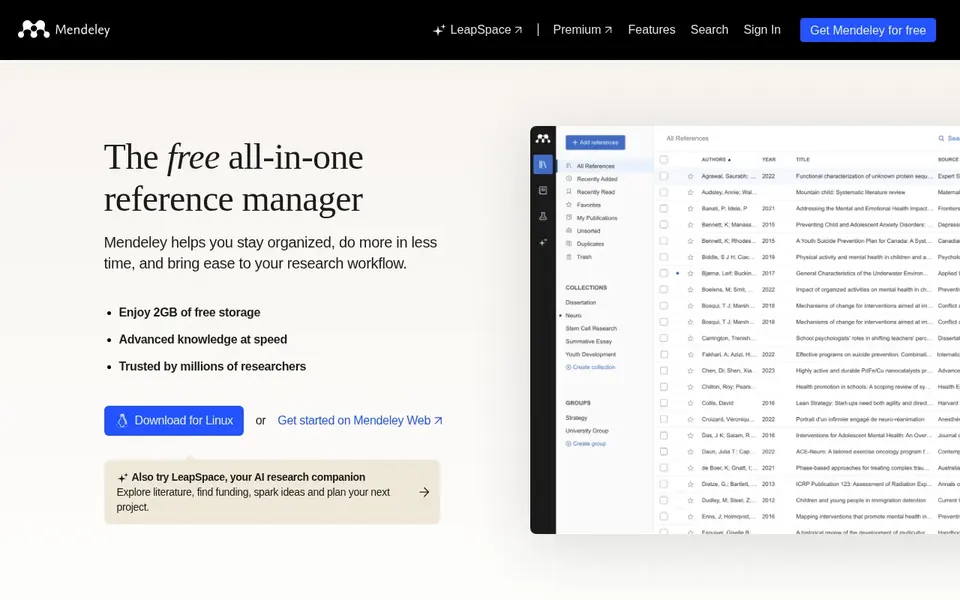
Mendeley makes the most sense for reference management and research organization. For those leaving Scholarcy but staying concentrated on references, it is a familiar category of alternative.
In practice, Mendeley is widely known as a reference manager for collecting, organizing, and citing research papers. In practice, check current capabilities on the vendor site and consider a search tool if discovery is your primary need. Entry price for Mendeley: $26 per month. Free access exists with Mendeley.
Points against: Not an AI search engine.
- Supports organizing research materials
- Handy for citation workflows
- Feature details vary by setup
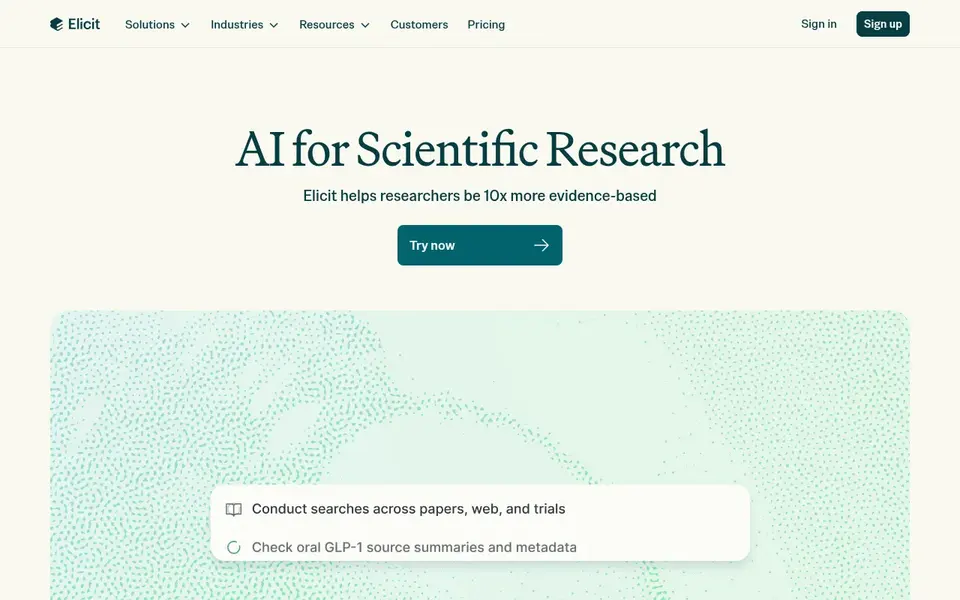
Elicit is aimed squarely at evidence synthesis and research planning. Its emphasis on synthesis and decision support can be more than a reader needs for fast paper summaries, and it does not replace a reference manager for citations.
Watch-outs: Wide scope may feel complicated for straightforward tasks.
Elicit pricing: $11 per user per month. Trial and free access: Free trial.
- Supports evidence synthesis
- Helps map the research landscape
- Not a dedicated citation manager
Consensus is designed for AI search across peer-reviewed literature. Consensus presents itself as an AI academic search engine for peer-reviewed literature, positioned as a research workspace for finding, organizing, and analyzing science quicker.
The main drawbacks: Centered on search instead of citation management.
Pick something else if your priority is long-term collection management or manuscript citation formatting instead of literature discovery. In practice, if your primary need is discovering evidence rapidly, it is a natural starting point among these alternatives. This comparison lists no price for Consensus; ask the vendor. Trial and free access: Not stated.
- Supports organizing and analyzing science
- AI academic search engine
- May overlap with general search tools
Think of Paperpile for straightforward reference collection and citation. If you need help interpreting papers instead of organizing them, choose a search-focused alternative.
Among these alternatives, it is a practical pick when simplicity in reference handling matters most. What you pay to start with Paperpile: $4.15 per month. Trial and free access: Free trial.
Downsides: Centred on reference workflows.
- Collects and organizes papers
- Clean and straightforward interface
- Not an AI paper summarizer
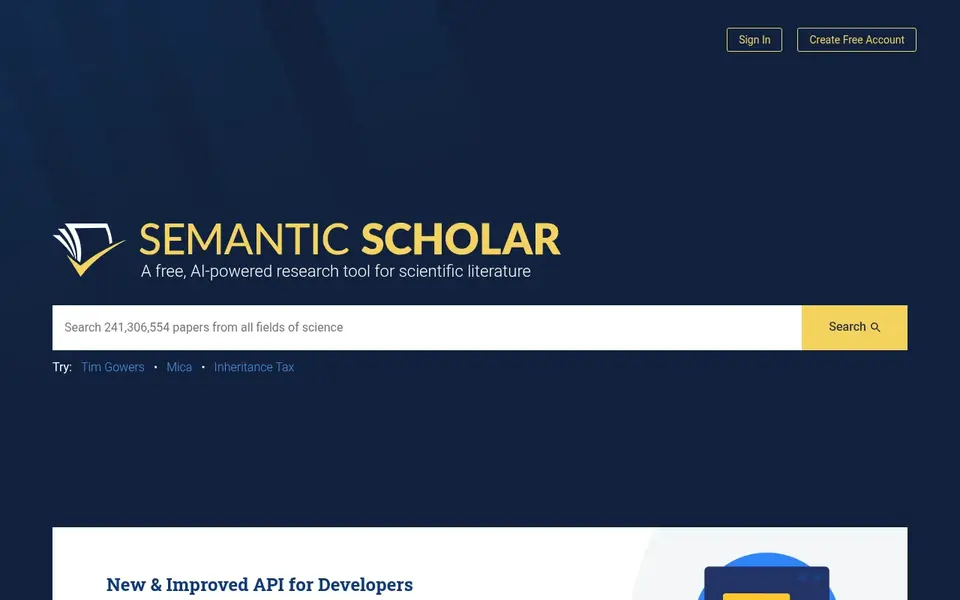
In short, Semantic Scholar is for discovering relevant scientific research. Semantic Scholar uses AI and engineering to understand the semantics of scientific literature and help scholars discover relevant research.
It suits users who want a discovery engine that surfaces related work across scientific fields. Semantic Scholar does not show a starting price in this comparison, so check the vendor site for current pricing. Free access: Not stated.
Points against: Discovery focus, not citation management.
- AI-powered research tool
- Understands scientific literature semantics
- Less oriented toward synthesis workflows
Things to verify first
- Ask Consensus and Semantic Scholar for a written quote, since no starting price is shown.
- Test the free plan from Mendeley against your real workload before relying on it.
- Run a trial of Elicit and Paperpile with real work before paying for a year; your own workflow is the best test.
- Read the limits listed for Mendeley first: not an AI search engine.
- Ask whether Semantic Scholar integrates with your current software, and whether that comes standard or as an add-on.
- Look at the help docs and support options for Consensus before you commit.
Frequently asked questions
How are the tools for Scholarcy ordered?
The order follows typical fit for Scholarcy, with Mendeley first and Semantic Scholar last, then price clarity and free access. It is editorial judgement, not a score, so another team could rank the tools differently.
Do these tools publish their prices?
Not all of them. Consensus and Semantic Scholar publish no starting price, so expect a quote request for those. The rest, Mendeley included, show a starting price, though seats and billing terms still change the final cost.
Can I try these tools before paying?
Often, yes. Mendeley has a free plan and Elicit and Paperpile offer a free trial. Use your own data and a real task during the test, and check what the free tier or trial limits before you rely on it.
What is the best Scholarcy alternative for summarizing research?
This list starts with Mendeley, which fits reference management and research organization. For other needs, Elicit is aimed at evidence synthesis and research planning, and Consensus at AI search across peer-reviewed literature. Check each tool's price and main limit first.
Is Mendeley the right pick for everyone comparing Scholarcy?
No single tool suits every team. Mendeley comes first because it fits reference management and research organization, while Elicit suits evidence synthesis and research planning and Consensus suits AI search across peer-reviewed literature. Match the tool to your own size, budget and workflow before deciding.
Sources
See where you really rank - block by block
ProMapRanker scans Google Maps across a grid of your service area. Simple monthly plans from $19, white-label on every plan.
Start freeBrowse all guides
← Top Klap Alternatives for 2026, With PricesSynthflow Alternatives in 2026: Prices and Free Plans →
 granola alternatives
Best Granola Alternatives in 2026
Granola alternatives: 5 tools compared on price, free plans and fit. For all-in-one note-taking, scheduling, and coaching, begin with Avoma. Prices checked.
Read → dalle alternatives
Dalle Alternatives in 2026: Prices and Free Plans
5 options for dalle alternatives, with entry costs, free tiers and the buyer each one serves. Every profile names its biggest catch. See the full list.
Read → best tools for ai model lifecycle management
5 Best Tools for AI Model Lifecycle Management in 2026
Best tools for AI model lifecycle management: 5 contenders ranked by fit, with entry costs and free tiers. Each pick lists its main limit. Details below.
Read → best teleprompter app
Best Teleprompter App in 2026
Compare the best teleprompter app options for video, meetings and speeches, with voice scrolling, floating windows, free plans and prices for creators.
Read → best suno ai alternatives
Best Suno AI Alternatives in 2026
Best Suno AI alternatives compared for 2026: Udio, Mureka, Soundraw, and more music generation tools with pricing, exports, and licence notes for creators.
Read → best ai tools to save time
Best AI Tools to Save Time in 2026
Best AI tools to save time in 2026: nine assistants and automations that cut drafting, meetings, and repetitive work, for drafting, meetings, and automation.
Read →More in AI Tools · All guides A to Z by date · Latest guides