 ProMapRanker
Best Cribl Alternatives in 2026


Datadog customers cutting ingest cost · Pricing starts at: See website
Key takeaways
- Start with Datadog Observability Pipelines if pipelines inside an existing Datadog setup is the main need, and use the other tools to cover format, price, or scale gaps.
- Splunk Edge Processor is the strongest second shortlist pick when edge processing for Splunk pipelines matters more than the lowest price.
- Check tier limits before buying, since key features in this category often sit above the entry plan.
- Run a short trial with real workflows, since demos hide the limits that matter in daily use.
Quick comparison
| Pick | Great for | Pricing starts at | Free tier | |
|---|---|---|---|---|
| Datadog Observability Pipelines | Datadog customers cutting ingest cost | See website | No | Visit |
 Splunk Edge Processor | Splunk estates processing at the edge | See website | No | Visit |
 Mezmo | log pipelines with built-in analysis | See website | No | Visit |
 Vector | fast open-source pipelines | Free | Yes | Visit |
 OpenTelemetry Collector | vendor-neutral telemetry collection | Free | Yes | Visit |
 Grafana Alloy | Grafana teams needing a collector | Free | Yes | Visit |
 Bindplane | managed OpenTelemetry collectors | See website | Yes | Visit |
 Fluent Bit | lightweight log forwarding | Free | Yes | Visit |
The best Cribl alternatives
Cribl Stream routes, filters, and transforms telemetry before it reaches a costly backend. Alternatives range from free open-source collectors to full platforms with pipelines built in, so the right pick depends on how much control a team wants to run itself.
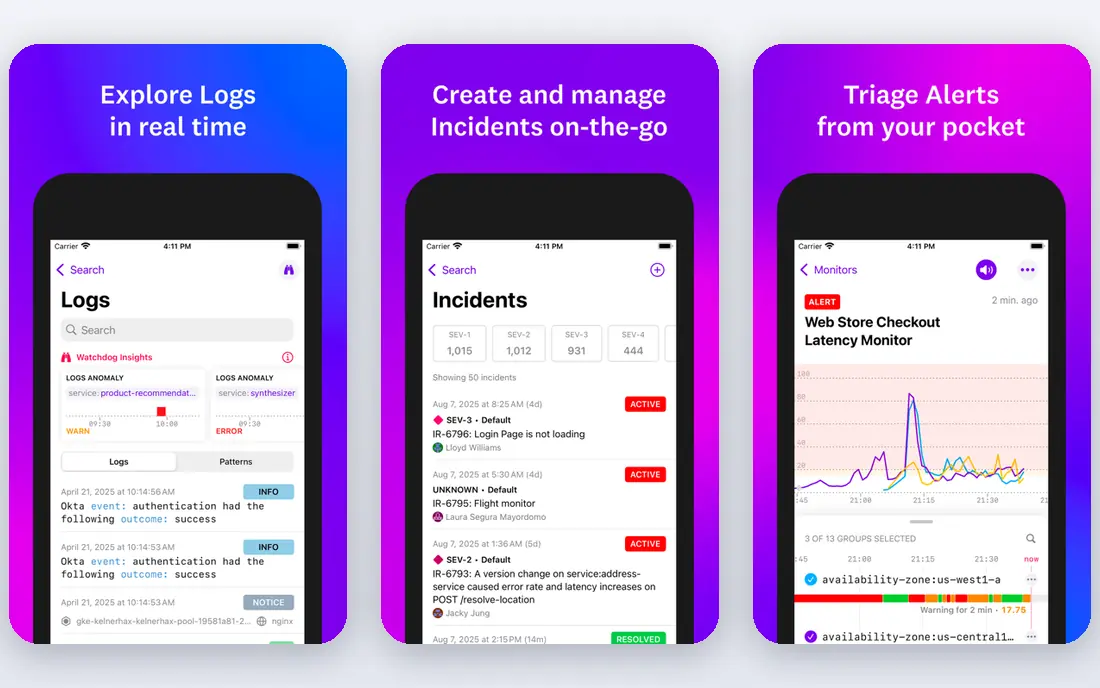
For teams that need pipelines inside an existing Datadog setup, Datadog Observability Pipelines is a practical starting point. Datadog Observability Pipelines let Datadog customers filter, redact, and route logs before ingest, which can cut backend cost without adding a separate vendor. We compared official feature pages, pricing pages, and public reviews for this roundup, and we did not claim hands-on testing that did not happen.
The catch is clear: teams that do not use Datadog get little benefit, and costs still depend on Datadog pricing, so a standalone pipeline may suit multi-backend teams better. That limit does not remove the value, but it should shape the trial. Test it with real workflows, check the tier that holds the features you need, and confirm total cost before rolling it out.
- Pipeline controls inside Datadog
- Filtering and redaction
- Broad Datadog integration
- Best value inside Datadog
- Pricing follows Datadog usage

Splunk Edge Processor stands out first for edge processing for Splunk pipelines. Splunk Edge Processor filters and masks data close to the source, which helps Splunk customers control what reaches the index and what stays private. We compared official feature pages, pricing pages, and public reviews for this roundup, and we did not claim hands-on testing that did not happen.
That trade-off matters in practice: it is a Splunk product first, so teams using several backends may prefer a vendor-neutral pipeline, and licensing needs a Splunk conversation. Before committing, run a short pilot with the team that will use it daily, and compare the result with the current tool rather than a feature list.
- Edge filtering and masking
- Splunk integration
- Central management options
- Tied to Splunk pricing and licensing
- Setup needs Splunk expertise
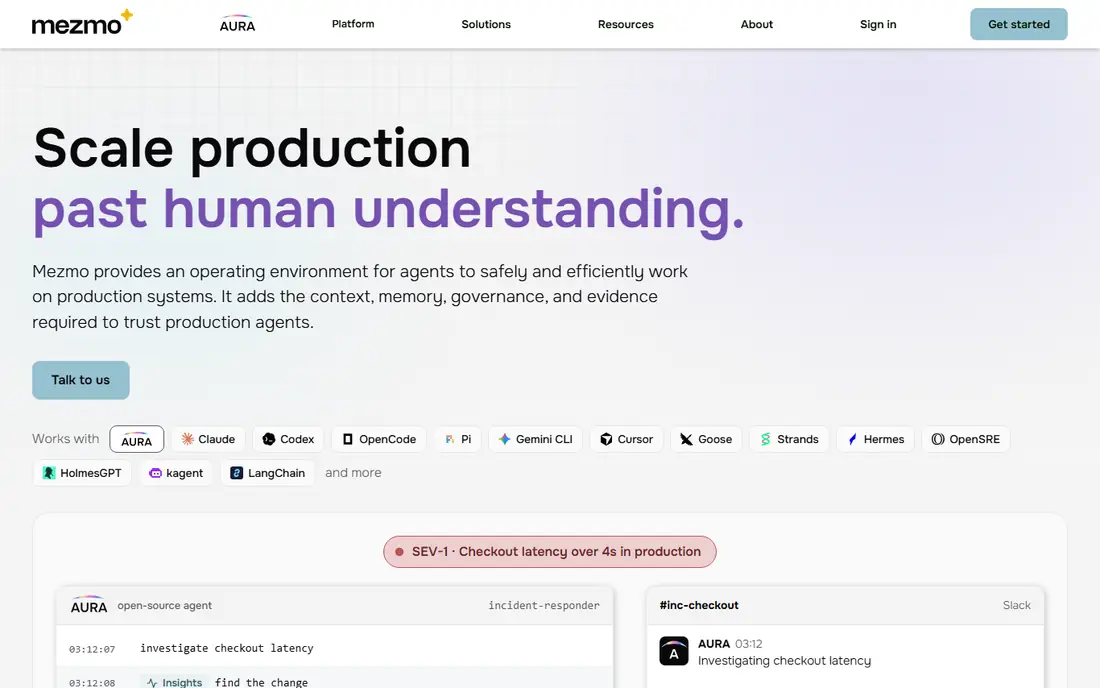
When pipeline and log analysis in one platform matters most, Mezmo deserves a close look. Mezmo combines pipeline routing with log analysis, so smaller teams can process and search data without buying a separate backend for every job. We compared official feature pages, pricing pages, and public reviews for this roundup, and we did not claim hands-on testing that did not happen.
The honest weakness is this: its ecosystem is smaller than the largest observability vendors, so teams with deep Datadog or Splunk integrations should test compatibility first. It is still worth shortlisting, provided the team tests the exact workflow that caused the search for an alternative in the first place.
- Pipeline plus log analysis
- Real-time processing
- Cloud deployment
- Smaller ecosystem than Datadog or Splunk
- Enterprise pricing is quote based
We put Vector on this list because of high-performance self-hosted routing. Vector is fast and light, with a wide range of sources and sinks, which makes it a strong free choice for teams comfortable managing config as code. We compared official feature pages, pricing pages, and public reviews for this roundup, and we did not claim hands-on testing that did not happen.
On the downside, there is no visual pipeline builder or managed fleet control built in, so larger deployments need extra tooling and operational discipline. A careful trial will show whether that limit affects daily work or only edge cases, which is the detail that should decide the purchase.
- High-throughput Rust pipeline
- Many sources and sinks
- Free and open source
- Config-file setup
- Self-hosted operations fall on the team
OpenTelemetry Collector works best as a standard, vendor-neutral collection option, not a general-purpose pick. OpenTelemetry Collector is the vendor-neutral default for collecting and processing telemetry, which protects a team from being locked to one backend. We compared official feature pages, pricing pages, and public reviews for this roundup, and we did not claim hands-on testing that did not happen.
The limit to weigh is simple: configuration is YAML based and the team owns deployment, so it needs more engineering time than a managed pipeline product. If that limit touches a core workflow, look at the next tier or a rival. If it does not, the strength above may outweigh it.
- Vendor-neutral standard
- Huge community component range
- Works with many backends
- YAML configuration learning curve
- Team owns scaling and upgrades
A team that wants collectors for the Grafana stack will find Grafana Alloy easy to shortlist. Grafana Alloy gives Grafana teams an OpenTelemetry-native collector with remote configuration options, which fits dashboards, logs, and metrics already in Grafana. We compared official feature pages, pricing pages, and public reviews for this roundup, and we did not claim hands-on testing that did not happen.
A buyer should also note that it is a collector rather than a full pipeline management product, so teams wanting a visual routing builder will need to add tooling around it. That point is easy to miss in a demo, so ask for it in writing and test it during any trial period.
- OpenTelemetry native
- Prometheus and Loki support
- Fleet config options
- Collector, not a full visual pipeline manager
- Best inside Grafana Cloud or stack
Bindplane takes a different route to visual management of OpenTelemetry collectors than most tools here. Bindplane adds the visual pipeline builder and fleet control that raw collectors lack, while staying OpenTelemetry native. We compared official feature pages, pricing pages, and public reviews for this roundup, and we did not claim hands-on testing that did not happen.
The weakness is not hidden: the richest capabilities sit on commercial tiers, and its ownership by a backend vendor is worth weighing if neutrality was the reason for leaving Cribl. Teams that can live with it get a focused tool. Teams that cannot should shortlist a rival before signing.
- Visual pipeline builder
- Collector fleet management
- Free tier available
- Richest features on paid tiers
- Now part of a larger observability vendor
If lightweight collection at the edge is the deciding factor, Fluent Bit is worth testing first. Fluent Bit runs with a tiny footprint, which makes it ideal for edge hosts, containers, and resource-limited environments. We compared official feature pages, pricing pages, and public reviews for this roundup, and we did not claim hands-on testing that did not happen.
In daily use, the main drawback is that its transform depth is lighter than a full pipeline, so teams needing complex routing should pair it with Vector, a collector, or a managed pipeline. That does not make it a poor tool, but it does make a structured trial more valuable than a sales demo alone.
- Very lightweight agent
- Wide plugin range
- Free and open source
- Transform depth is lighter than Vector or Cribl
- Operations fall on the team
How we picked these
We compared official feature pages, pricing pages, app store listings, and public reviews, and we favored tools that exist and work today in October 2026. We checked whether each product truly fits the topic, rather than adding near matches to fill a list. Where a vendor did not publish a simple price, we wrote See website instead of guessing a figure.
We also weighed fit for different team sizes, tier limits, and honest weaknesses. A tool with a strong core feature but a clear limit can still earn a place, provided the limit is stated plainly. That approach keeps the list useful for a buyer who must choose, not just browse.
Choosing a telemetry pipeline
Start by naming the job the tool must do in the first month, not the full feature list. A short, written job description makes it easier to test each shortlisted option against the same tasks. It also stops a long feature list from winning over a tool that handles the core job well.
Next, check the tier that holds the features you actually need, and model total cost at your real team size or volume. Entry prices often exclude the feature that prompted the search. A trial with real data and real users will reveal those gaps faster than a sales demo.
Finally, plan the switch before signing. Confirm migration help, data export, contract length, and support hours. A tool that is easy to start but hard to leave can cost more over time than a slightly pricier option with clear exit terms.
Frequently asked questions
What is the best Cribl alternative for a small team?
OpenTelemetry Collector or Vector are strong free starting points, while Grafana Alloy suits teams already using Grafana. Paid managed options make more sense once fleet size and uptime needs grow.
Is an open-source pipeline really free?
The software license is free, but hosting, scaling, upgrades, and on-call work are not. Teams should count engineering time honestly before comparing a free collector with a managed service.
Do I need a pipeline if I already use Datadog or Splunk?
Not always. Those platforms include collection and processing, but a separate pipeline can cut ingest cost, redact sensitive fields, and route the same data to several backends. It is most valuable at high volume.
What is the difference between a collector and a pipeline manager?
A collector moves and transforms data on a host or cluster. A pipeline manager adds a visual builder, fleet configuration, and central control across many collectors, which matters once deployments grow.
How do I avoid vendor lock-in with telemetry?
Standardize on OpenTelemetry formats where possible, keep routing rules in version control, and avoid backend-specific transforms at the edge. That makes a future backend change a routing change, not a rebuild.
Sources
See where you really rank - block by block
ProMapRanker scans Google Maps across a grid of your service area. Simple monthly plans from $19, white-label on every plan.
Start freeKeep reading
 who has best internet service
Who Has the Best Internet Service in 2026
Who has best internet service for US homes? We compare fiber, cable, fixed wireless and satellite providers on speed, price, availability and terms today.
Read → which survey tool has the best analytics
Which Survey Tool Has the Best Analytics in 2026
Find which survey tool has the best analytics in 2026, comparing Qualtrics, SurveyMonkey, Typeform, Alchemer, and more on reports, text, and stats today.
Read → which streaming service has the best movies
Which Streaming Service Has the Best Movies in 2026
Answering which streaming service has the best movies, with Netflix, Max, Criterion and more compared on libraries, prices and free options in this guide.
Read →