 ProMapRanker
Best Voice AI Companies in 2026


Natural narration and voice cloning · Pricing starts at: $6 per month
Key takeaways
- ElevenLabs leads on natural narration and cloning, while Cartesia suits real-time voice agents at a low entry price.
- Murf and Descript suit teams that need editing and video workflows, not only raw voice generation.
- Use cloned voices only with clear consent and for voices you own or hold a licence for, and never clone a real person without permission.
- PlayHT and LOVO are excluded here because recent October 2026 checks report them as discontinued or unavailable.
Quick comparison
| Pick | Great for | Pricing starts at | Free tier | |
|---|---|---|---|---|
| ElevenLabs | Natural narration and voice cloning | $6 per month | Yes | Visit |
 Murf AI | Studio voiceover for video and courses | $29 per month | Yes | Visit |
 Cartesia | Real-time voice agents and APIs | $5 per month | Yes | Visit |
 Descript | Podcast and video editing with voice | $16 per month | Yes | Visit |
 WellSaid Labs | Consistent corporate narration | $19 per month | Free trial | Visit |
 Resemble AI | API cloning with detection tools | See website | No | Visit |
 Speechify Studio | Studio voiceover and dubbing | $100 per year | Yes | Visit |
 Hume AI | Emotionally expressive voice agents | See website | Free trial | Visit |
 Vapi | Voice agents for phone and web | See website | Free trial | Visit |
The best voice ai companies
Voice AI companies turn text into speech, clone voices with permission, dub audio into other languages, and power conversational agents. Quality, latency, language range, and consent rules differ sharply, so the best choice depends on the job, not only on how natural a demo sounds. A consent warning applies throughout: use cloned voices only for voices you own or are licensed to use, with documented permission.
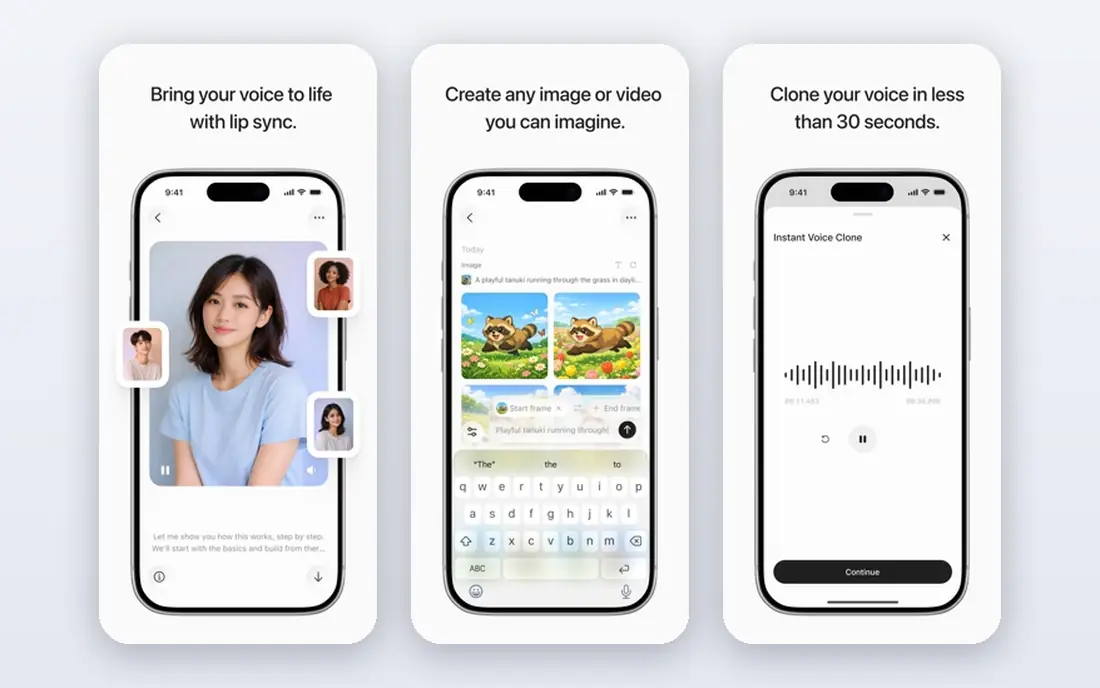
ElevenLabs is the benchmark most voice buyers compare against, because its voices handle pauses, tone, and multilingual delivery with a natural feel. Its library covers many voices and languages, instant cloning works from a short sample on paid plans, and professional cloning suits audiobooks and long-form narration. Dubbing and API access make it useful for creators, publishers, and developers alike.
Credit pricing is the main catch. Regenerations use credits, and the jump from Creator at $22 per month to Pro at $99 per month is steep for heavy users. The free tier is non-commercial, so commercial work needs a paid plan, and cloning must follow its consent and verification rules.
- Large voice library
- Instant and professional cloning
- Multilingual dubbing
- Credit use can burn quickly
- No built-in video editor
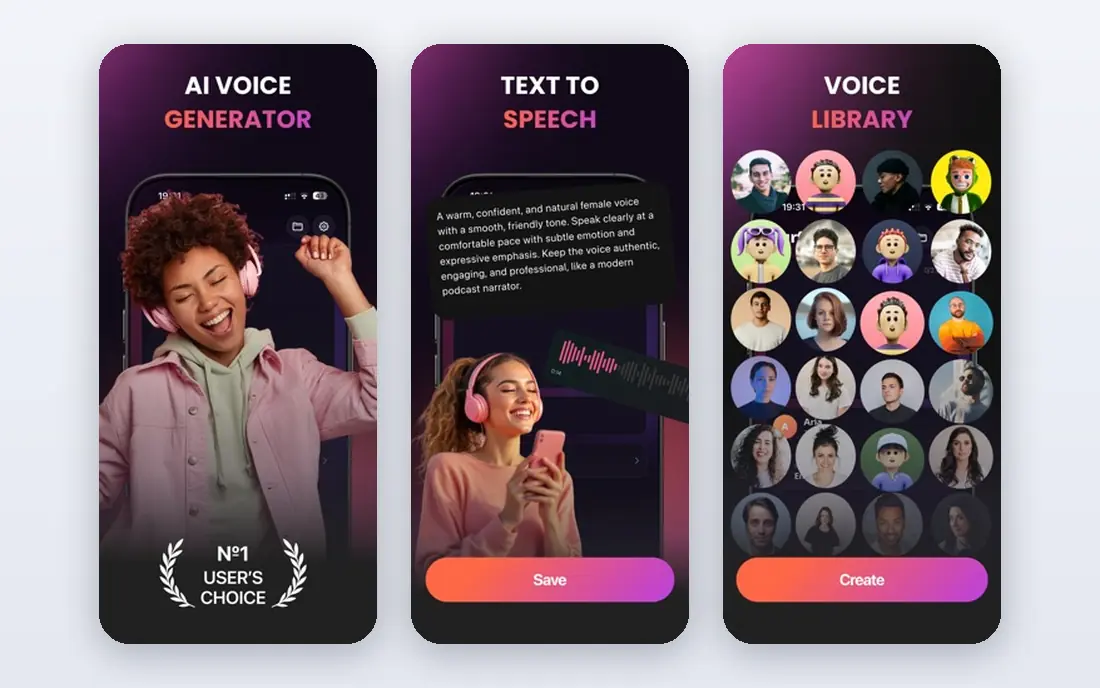
Murf AI suits teams that produce video and course voiceovers, because its studio combines script editing, voice generation, background music, and slide timing in one workspace. That workflow saves time compared with generating audio in one tool and editing video elsewhere, and hour-based billing makes costs easier to predict than credit systems for some teams. Creator pricing is listed at $29 per month, or around $19 per month billed annually.
The limit is cloning. Self-serve voice cloning is not a core Murf feature in the way it is for ElevenLabs, with custom voices mainly an enterprise option in recent summaries. Teams that need a cloned brand voice should confirm availability before committing, while teams that need polished stock voices will find Murf strong.
- Timeline studio with music and slide sync
- Many voices and languages
- Predictable hour-based billing
- Self-serve cloning is limited
- Raw realism trails ElevenLabs
Cartesia suits developers building real-time voice agents, phone assistants, and interactive apps, because its models focus on low latency and natural conversational delivery. Pro pricing is listed at $5 per month with 100,000 credits, and a free tier offers 20,000 credits in recent summaries, which makes it cheap to test. Its API fits teams that need voice inside a product rather than a standalone studio.
The catch is workflow. Cartesia is developer-first, so non-technical creators may miss the timeline editing and asset management that Murf or Descript provide. Agent pricing also depends on minutes and model use, so prototype with real call volume before forecasting a monthly bill.
- Low-latency real-time voices
- Generous free credits
- Developer-friendly API
- Smaller creator studio than Murf
- Agent costs vary by use
Descript suits podcasters and video creators who want voice work inside editing, because it edits audio and video by editing a transcript. Overdub lets a creator clone their own voice, with consent checks, to fix a word or record a pickup without re-recording a full session. Hobbyist pricing is listed at $16 per month on annual billing, with Creator at $24 per month.
The limit is focus. Descript is an editor first, so buyers who need a large stock voice library or a high-volume TTS API will find ElevenLabs or Cartesia stronger. Overdub also requires the voice owner to verify identity, which is the correct safeguard, but it adds setup time.
- Transcript-based editing
- Overdub voice cloning
- Podcast and video tools in one app
- Voice generation is secondary to editing
- Overdub needs consent and verification
WellSaid Labs suits corporate training, learning, and brand narration teams that need consistent, professional voices without hiring voice talent for every update. Its voices are recorded with consent from voice actors, which gives buyers a clear licence story for commercial use. Starter pricing is listed at $19 per month, or around $10 per month billed annually, with download minutes as the meter.
The range is narrower than global TTS libraries, with English as the main focus and fuller language options on higher plans. Teams that need many languages or real-time agents should compare ElevenLabs or Cartesia, while teams that need steady English narration will value WellSaid consistency.
- Consented studio voices
- Consistent brand narration
- Download-minute billing
- English-focused range
- Higher cost for large teams
Resemble AI suits developers and brands that need custom voice cloning through an API, with tools for watermarking and detecting synthetic audio. That provenance focus matters for companies that publish cloned voices and want to show how audio was made. Its Flex option allows pay-as-you-go use, with cloning priced as add-ons in recent summaries.
The creator experience is less polished than Murf or ElevenLabs, and pricing depends on usage and clone seats, so a simple monthly figure is hard to quote. Resemble fits best for API and brand voice projects where security and detection matter, not for a creator who wants a quick studio voiceover.
- Custom cloning
- Watermarking and detection tools
- Pay-as-you-go Flex option
- Dashboard is less polished for creators
- Clone add-ons add cost
Speechify Studio suits teams that need voiceover, dubbing, and avatar-adjacent production from a company also known for reading aloud. Studio Starter is listed at $100 per year in recent summaries, with Creator at $300 per year, and a free studio credit allowance lets new users test output before paying. That entry price is attractive for small teams that need regular narration.
Confusion is the main risk. Speechify reader pricing differs from Studio pricing, so buyers must confirm they are on the Studio plan and check cloning and commercial terms for that plan. Teams that need a pure API or real-time agent should compare Cartesia or ElevenLabs before choosing Studio.
- Studio voiceover and dubbing
- Large voice range
- Separate from reader app
- Pricing is easy to confuse with reader plans
- Cloning on paid studio plans
Hume AI focuses on emotionally expressive voice interaction, using models that read and respond to vocal emotion in conversational agents. That focus suits customer support, coaching, and interactive products where tone matters as much as words, and its API lets developers build agents that adapt to a speaker. A trial allows testing before a larger commitment.
The limit is maturity for general creators. Hume is less of a drag-and-drop studio than Murf or Descript, and pricing for production volume is quoted. It fits best for agent builders who value expressive interaction, while narration-only buyers will find ElevenLabs or WellSaid simpler.
- Emotion-aware voice models
- Conversational agent tools
- API access
- Less consumer studio polish
- Enterprise-leaning pricing for scale
Vapi suits teams building phone and web voice agents, because it provides the orchestration, telephony, and model connections needed to run a conversational agent in production. Developers can connect speech models, language models, and business tools, and test agents before scaling call volume. That platform approach saves teams from building agent infrastructure from scratch.
The catch is cost control and skill. Vapi pricing is usage based and depends on minutes, models, and telephony, so a busy phone agent can cost far more than a studio subscription. Non-developers should pair Vapi with a developer or agency, and test with a small call group before a full rollout.
- Phone and web voice agents
- Developer tools
- Integrations with models and telephony
- Usage-based costs vary by call volume
- Setup needs developer skill
How we picked these
We compared official pricing and product pages, plus October 2026 status checks, for narration, cloning, dubbing, and agent use. We excluded PlayHT and LOVO after recent checks reported PlayHT as sunset at the end of 2025 and LOVO as unavailable following bankruptcy proceedings in 2026.
We did not claim hands-on voice testing or invent quality scores. Prices are listed from vendor pages or recent pricing summaries, and where a vendor quotes by usage we write See website. Cloning rules are summarized from vendor consent policies, and readers should read the current policy before cloning any voice.
How to choose a voice AI company safely
Start with the output type. Narration needs natural long-form voices and good pronunciation controls. Dubbing needs language range and timing. Agents need low latency and interruption handling. A tool that excels at narration may fail at real-time conversation, so test with your actual script or call flow.
Check the licence for every use. Stock voices usually carry a commercial licence on paid plans, while free tiers often limit commercial use. Cloned voices need documented consent from the voice owner, and the vendor should verify identity before creating a clone. Keep that consent record with the project files.
Consent and disclosure rules
Never clone a celebrity, colleague, family member, or customer without clear written permission, and never use a cloned voice to mislead listeners about who is speaking. Disclose synthetic voices where a listener could reasonably think a real person is speaking, such as in ads, support calls, or news-style content. When in doubt, use a licensed stock voice instead of a clone.
Control cost by measuring use
Voice pricing uses credits, minutes, hours, or download minutes, so compare cost on the same workload, not on headline rates. Run a sample month with real scripts, count regenerations, and check whether unused credits expire. Set usage alerts before a campaign or agent launch to avoid a surprise bill.
Frequently asked questions
What is the best voice AI company?
ElevenLabs suits natural narration and cloning, Cartesia suits real-time agents, Murf suits studio voiceovers, and Descript suits podcast editing. The best pick depends on narration, dubbing, or agent use.
Can I clone my own voice?
Yes, with most vendors, after identity verification and consent steps. You can clone your own voice for pickups, narration, and content, but you should not clone another person without documented permission.
Is it legal to clone someone else voice?
Cloning a real person without permission can breach privacy, publicity, and fraud rules, and vendors may ban the account. Use only voices you own or hold a licence for, and keep written consent on file.
What happened to PlayHT and LOVO?
Recent October 2026 checks report PlayHT as sunset after its team moved to Meta in 2025, and LOVO as unavailable after bankruptcy proceedings in 2026. Buyers should not start new projects on either platform.
How much does voice AI cost?
Entry paid plans on this list run from $5 to $29 per month, with usage-based agent and API costs on top. Free tiers exist for several tools, but commercial use usually requires a paid plan.
Sources
See where you really rank - block by block
ProMapRanker scans Google Maps across a grid of your service area. Simple monthly plans from $19, white-label on every plan.
Start freeKeep reading
 who has best internet service
Who Has the Best Internet Service in 2026
Who has best internet service for US homes? We compare fiber, cable, fixed wireless and satellite providers on speed, price, availability and terms today.
Read → which survey tool has the best analytics
Which Survey Tool Has the Best Analytics in 2026
Find which survey tool has the best analytics in 2026, comparing Qualtrics, SurveyMonkey, Typeform, Alchemer, and more on reports, text, and stats today.
Read → which streaming service has the best movies
Which Streaming Service Has the Best Movies in 2026
Answering which streaming service has the best movies, with Netflix, Max, Criterion and more compared on libraries, prices and free options in this guide.
Read →