 ProMapRanker
Best Tutoring Companies to Work in 2026

Key takeaways
- Wyzant suits tutors who want to set their own rate, while Tutor.com suits tutors who want steady on-demand hours without self-marketing.
- Preply and italki suit language tutors, Cambly suits conversational English tutors without a degree requirement, and Outschool suits class creators.
- Platform fees range widely, from 15 percent on italki to tiered commissions on Preply, so net pay depends on fee and rate together.
- No platform here guarantees earnings, and actual pay varies by subject, experience, reviews, hours, and student demand.
Quick comparison
| Pick | Great for | Pricing starts at | Free tier | |
|---|---|---|---|---|
 Wyzant | Tutors who want to set their own rate | See website | Yes | Visit |
 Tutor.com | Steady on-demand academic tutoring | See website | Yes | Visit |
 Preply | Language tutors building a global profile | See website | Yes | Visit |
 Cambly | Conversational English without a degree rule | See website | Yes | Visit |
 Outschool | Teachers who create group classes | See website | Yes | Visit |
 Varsity Tutors | Company-matched tutoring work | See website | Yes | Visit |
 italki | Language teachers and community tutors | See website | Yes | Visit |
 Superprof | Tutors who want direct student contact | See website | Yes | Visit |
 Skooli | Qualified academic tutors | See website | Yes | Visit |
The best tutoring companies to work
Online tutoring companies differ in how tutors are hired, how rates are set, and how much of each lesson the platform keeps. Some platforms let tutors set prices and build a profile, while others assign on-demand sessions at a set hourly rate. This guide reports publicly listed hiring rules and pay factors, and it does not promise earnings for any tutor.
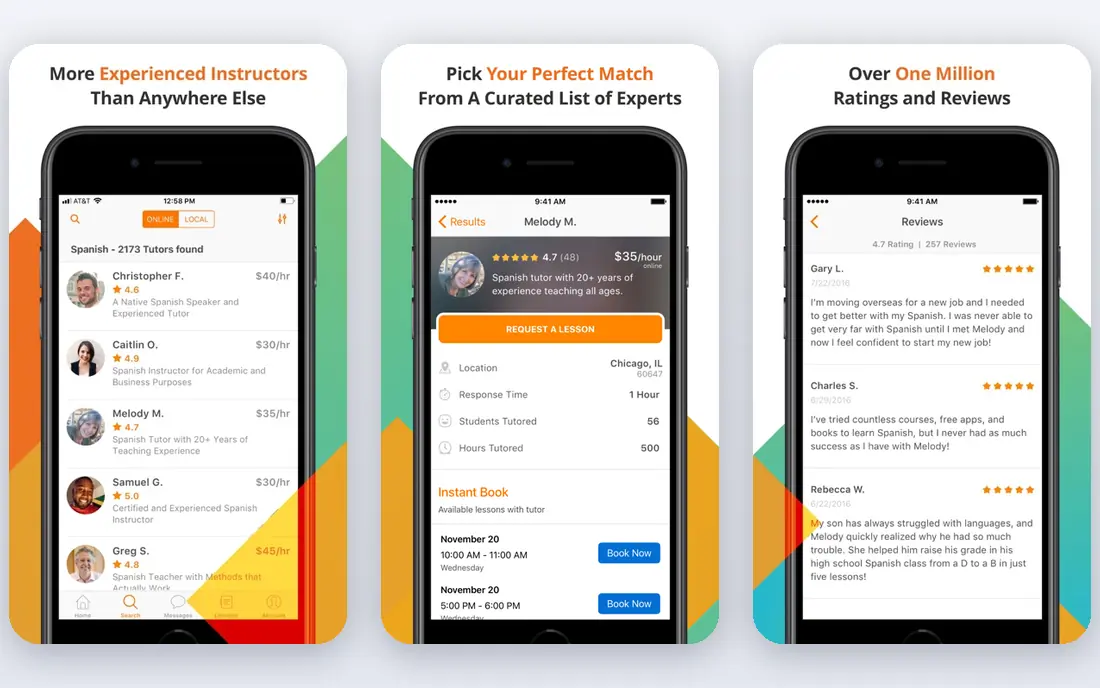
Wyzant suits tutors who want control over pricing, because tutors list their own hourly rate and apply to jobs across academic, test prep, music, and professional subjects. Public summaries report typical listed rates from $20 to $80 or more per hour depending on subject, with Wyzant keeping 25 percent of each lesson. That model rewards tutors with strong profiles, reviews, and in-demand subjects.
The catch is competition and fees. New tutors must build reviews to win jobs, and the 25 percent fee applies to each lesson, so net pay is lower than the listed rate. Wyzant fits best for US tutors who can market a profile, handle their own scheduling, and grow rates over time.
- Tutors set their own hourly rate
- Wide subject range
- In-person and online lessons
- Platform keeps 25 percent of each lesson
- Tutors must win students through profiles
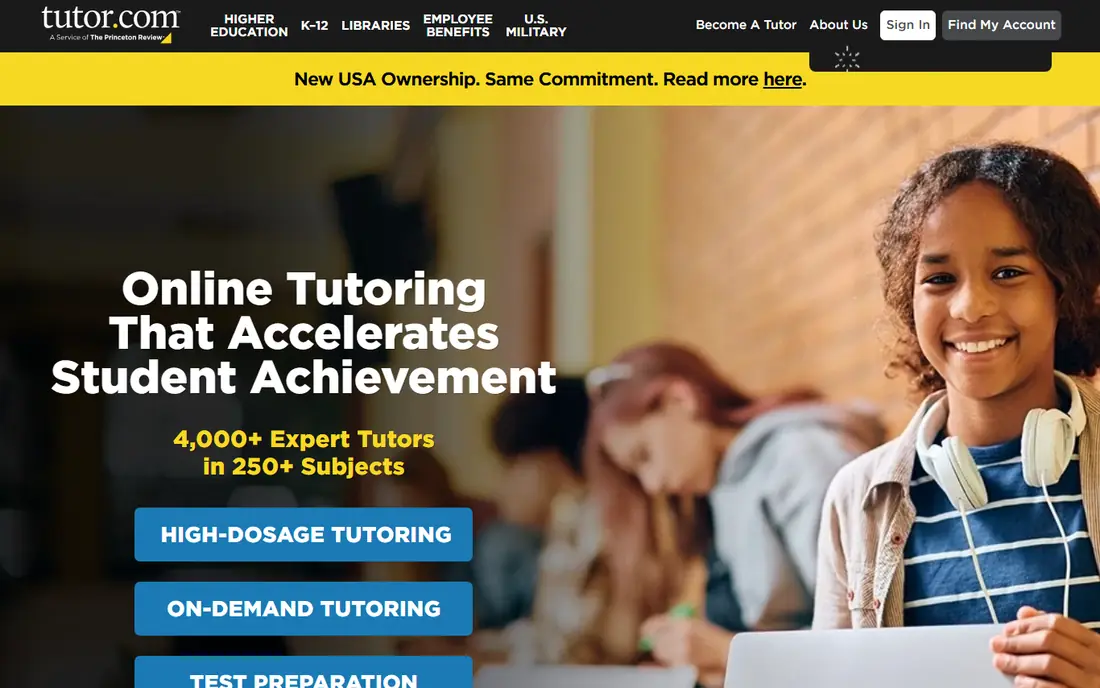
Tutor.com suits tutors who want steady, structured work without finding their own students, because students connect on demand for homework help and academic subjects. Public summaries report hourly pay around $15 to $22 per hour depending on subject, with no platform fee taken from a lesson in the same way as marketplace platforms. Tutors need a degree or current college enrollment at sophomore level or above, plus subject tests.
The limit is rate control. Tutors do not set their own price, and eligibility requires US residence, a Social Security number, and work eligibility, which narrows who can apply. Tutor.com fits best for tutors who value predictable sessions and a managed platform over rate freedom.
- On-demand sessions without self-marketing
- Structured platform
- Academic subjects
- Tutors do not set the rate
- US residence and eligibility rules apply
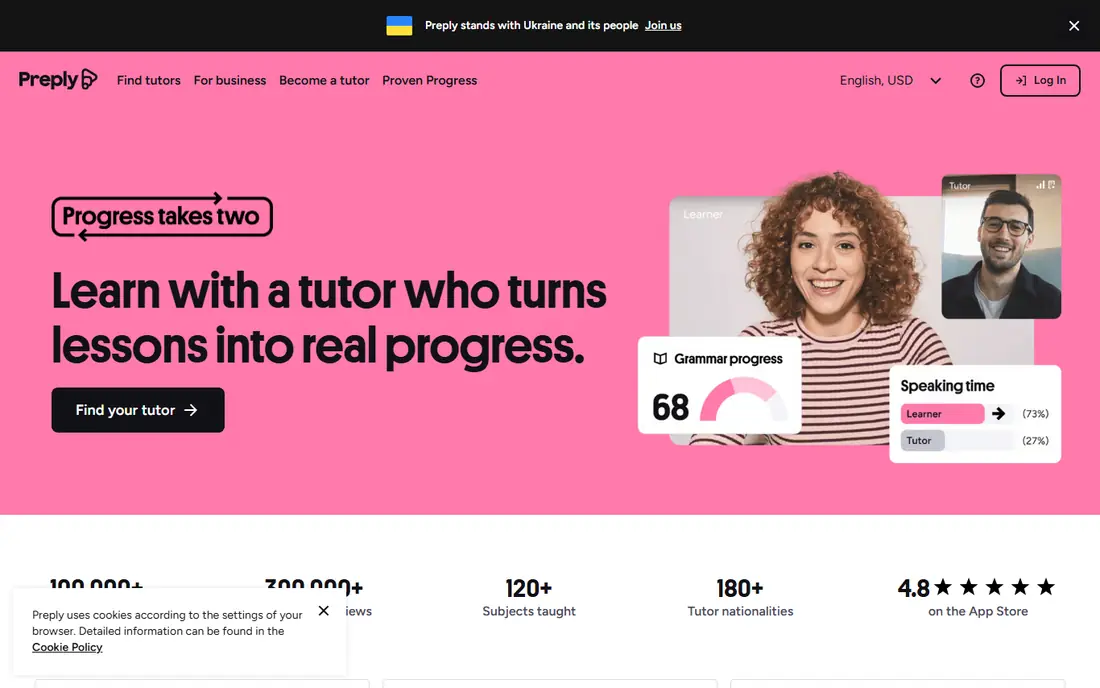
Preply suits language tutors, especially English tutors, who want a global student base and control over their listed rate. Public summaries report tutor rates from around $10 to $40 per hour, with commission starting at 33 percent and falling to 18 percent as tutors teach more hours. That tiered model rewards tutors who stay active and build repeat students.
The commission structure is the main catch. New tutors keep less of each lesson, and the first trial lesson carries a high commission, so early net pay is lower than the listed rate. Preply fits best for language tutors who can commit to regular hours and grow a repeat student base.
- Tutors set their own rate
- Global language student base
- Trial and commission tiers
- Commission starts at 33 percent and falls to 18 percent with hours
- Trial lesson commission is high
Cambly suits native-level English speakers who want flexible conversational tutoring without a degree requirement. Its standard rate is publicly reported at 17 cents per minute, or about $10.20 per hour, with higher prime-time rates in some summaries. Tutors log on when available, talk with students, and get paid weekly through PayPal in many summaries.
The trade-off is pay ceiling. Cambly work is conversational rather than specialist academic tutoring, so hourly pay is lower than test prep or advanced STEM tutoring. It fits best as flexible supplementary work or a first tutoring role, rather than as a sole income for most tutors.
- No degree requirement for standard tutoring
- Flexible hours
- Conversational focus
- Flat per-minute rate
- Lower hourly pay than specialist academic tutoring
Outschool suits teachers and creators who want to design their own group classes for children, from coding and art to math enrichment and music. Tutors set class prices, and Outschool keeps 30 percent, with tutors keeping 70 percent in public summaries. That model rewards creators who can fill classes with engaging topics and clear learning goals.
The catch is class building. Approval, background checks, and safety rules apply for work with children, and income depends on enrollment, not only on hourly rate. Outschool fits best for educators who enjoy group teaching and can market classes to parents, rather than tutors who want one-to-one on-demand work.
- Tutors price their own classes
- Group enrichment for children
- Creative subjects welcome
- Platform keeps 30 percent
- Class approval and background checks required
Varsity Tutors suits tutors who want company matching and a structured live learning platform, rather than building a marketplace profile from scratch. It covers academic subjects and test prep, with the company handling student matching and scheduling in many cases. That structure helps tutors who prefer teaching over marketing.
The limit is transparency. Varsity Tutors does not publish a single tutor average, and anecdotal public reports place starting pay around $15 to $18 per hour, so applicants should confirm current terms before applying. It fits best for tutors who value matching and platform support over rate control.
- Company matching
- Live learning platform
- Academic and test prep subjects
- Tutors do not set their own rate
- Public pay reports vary and are not an official average
italki suits language tutors who want a global marketplace with a lower platform fee than many rivals. Its platform fee is publicly reported at 15 percent, and tutors set their own rates, with community tutors averaging lower rates than professional teachers in public summaries. That fee structure helps tutors keep more of each lesson once they build a student base.
The catch is approval and competition. Acceptance depends partly on subject demand, and new tutors must build reviews to stand out in a large global pool. italki fits best for language tutors with a clear niche, such as business English or exam preparation, who can sustain a profile over time.
- Tutors set their own rate
- 15 percent platform fee
- Professional and community tutor paths
- Approval depends on subject demand
- Income depends on profile and reviews
Superprof suits tutors who want to set their own rate and connect directly with students across academic, music, language, and skill subjects. Its model centers on tutor profiles and student inquiries, with a free membership option and paid subscription options that affect visibility in public summaries. That flexibility helps tutors in countries where Superprof has a strong presence.
The limit is inquiry competition. Tutors must win inquiries through a strong profile, and pay varies widely by subject, location, and experience, so there is no standard hourly figure. Superprof fits best for tutors who can write a clear profile, respond quickly, and manage their own scheduling and payments.
- Tutors set their own rate
- Wide subject range
- Strong presence in several countries
- Income depends on winning inquiries
- Paid membership options affect visibility
Skooli suits qualified academic tutors who want scheduled sessions in school and college subjects, with a focus on math, science, and English. Its eligibility rules are stricter than conversational platforms, often requiring a degree or teaching certification in public summaries, which helps parents trust tutor quality. That structure suits tutors with formal credentials.
The trade-off is access. Tutors without a degree or certification may not qualify, and income depends on subject demand and scheduled hours rather than on-demand volume. Skooli fits best for credentialed tutors who want academic work with clear standards, rather than casual conversational tutoring.
- Academic focus
- Degree or certification requirements
- Scheduled sessions
- Stricter eligibility than conversational platforms
- Subject demand varies
How we picked these
We compared official tutor pages, platform fee documents, and 2026 hiring summaries for Wyzant, Tutor.com, Preply, Cambly, Outschool, Varsity Tutors, italki, Superprof, and Skooli. We favored platforms with current US or global tutor programs and clear application paths in October 2026.
We did not guarantee earnings or invent official pay averages where a platform does not publish one. Pay figures here are publicly reported ranges or fee structures, and actual net pay varies by rate, fee, subject, reviews, hours, and demand. Applicants should confirm current terms on each platform before applying.
How to choose a tutoring platform to work for
Start with your subject and credential level. Language tutors fit Preply, italki, and Cambly, academic tutors fit Tutor.com, Wyzant, and Skooli, and class creators fit Outschool. Applying to a platform that does not hire your subject wastes time, even when its headline pay looks high.
Compare net pay, not listed rate. A $50 listed rate with a 25 percent fee nets $37.50 before tax, while a $20 set rate with no lesson fee nets $20, and a tiered commission changes as hours grow. Also check payout method, payout timing, tax forms, and whether trial lessons pay differently.
Build a profile that wins students
Use a clear photo, a short introduction focused on student outcomes, and specific subjects rather than a long general list. Add trial availability, response times, and any credentials, and ask early students for reviews after successful lessons. A strong profile matters most on marketplace platforms such as Wyzant, Preply, and italki.
Protect time and safety
Set weekly hour limits, block times for preparation and admin, and keep lessons on the platform until trust is established. For work with children, follow platform safety rules, background checks, and recording policies, and never move a child student off-platform without following platform rules and parent consent.
Frequently asked questions
What is the best tutoring company to work for?
Wyzant suits rate control, Tutor.com suits steady on-demand work, Preply and italki suit language tutors, Cambly suits flexible conversational work, and Outschool suits class creators. The best fit depends on subject, credentials, and schedule.
Do I need a degree to tutor online?
It depends on the platform. Cambly and many language marketplaces do not require a degree, while Tutor.com and Skooli require a degree, enrollment, or certification. Check the current application page for each platform.
How much do online tutors make?
Publicly reported pay ranges from around $10 per hour for conversational work to $80 or more per hour for specialist test prep, before platform fees. Actual pay varies by subject, experience, reviews, hours, and demand, and no platform guarantees a set income.
What is the best online tutoring company to work for?
There is no single winner for every tutor. Language tutors often choose Preply or italki, academic tutors often choose Wyzant or Tutor.com, and group teachers often choose Outschool, based on fee, rate control, and student type.
Can I work for more than one tutoring company?
Yes, in most cases, unless a specific contract limits outside work. Many tutors combine a steady platform such as Tutor.com with a marketplace such as Wyzant, but check each platform terms and tax reporting before combining income streams.
Sources
See where you really rank - block by block
ProMapRanker scans Google Maps across a grid of your service area. Simple monthly plans from $19, white-label on every plan.
Start freeKeep reading
 who has best internet service
Who Has the Best Internet Service in 2026
Who has best internet service for US homes? We compare fiber, cable, fixed wireless and satellite providers on speed, price, availability and terms today.
Read → which survey tool has the best analytics
Which Survey Tool Has the Best Analytics in 2026
Find which survey tool has the best analytics in 2026, comparing Qualtrics, SurveyMonkey, Typeform, Alchemer, and more on reports, text, and stats today.
Read → which streaming service has the best movies
Which Streaming Service Has the Best Movies in 2026
Answering which streaming service has the best movies, with Netflix, Max, Criterion and more compared on libraries, prices and free options in this guide.
Read →