 ProMapRanker
Best Tools for API Threat Detection in 2026


Behavioral runtime API defense · Pricing starts at: See website
Key takeaways
- Salt Security and Traceable lead on runtime behavioral detection, while Akamai and Cloudflare suit teams that already use an edge platform.
- Discovery comes first: you cannot protect an API you have not found, including shadow and unused endpoints.
- Design-time tools such as 42Crunch and StackHawk catch problems before release, but they do not replace runtime monitoring.
- Most enterprise API security pricing is quote-based, so plan a proof of concept before you compare costs.
Quick comparison
| Pick | Great for | Pricing starts at | Free tier | |
|---|---|---|---|---|
| Salt Security | Behavioral runtime API defense | See website | No | Visit |
 Akamai API Security | Edge-integrated API protection | See website | No | Visit |
 Wallarm | Unified web and API protection | See website | Free trial | Visit |
 Traceable | Trace-based API security | See website | No | Visit |
 Cloudflare API Security | API protection on Cloudflare edge | See website | Free trial | Visit |
 42Crunch | API design and contract testing | See website | Free trial | Visit |
 StackHawk | API testing in development | See website | Free trial | Visit |
 Cequence | API discovery and bot defense | See website | No | Visit |
The best tools for API threat detection
API attacks rarely look like a single blocked request. They look like normal traffic used in the wrong way: an account reading another user's data, a scraper copying records slowly, or an old endpoint that no one remembered to retire. Good detection tools build a picture of normal API behavior over time, then flag the calls that break that pattern. These eight tools cover runtime defense, edge protection, and testing before release.
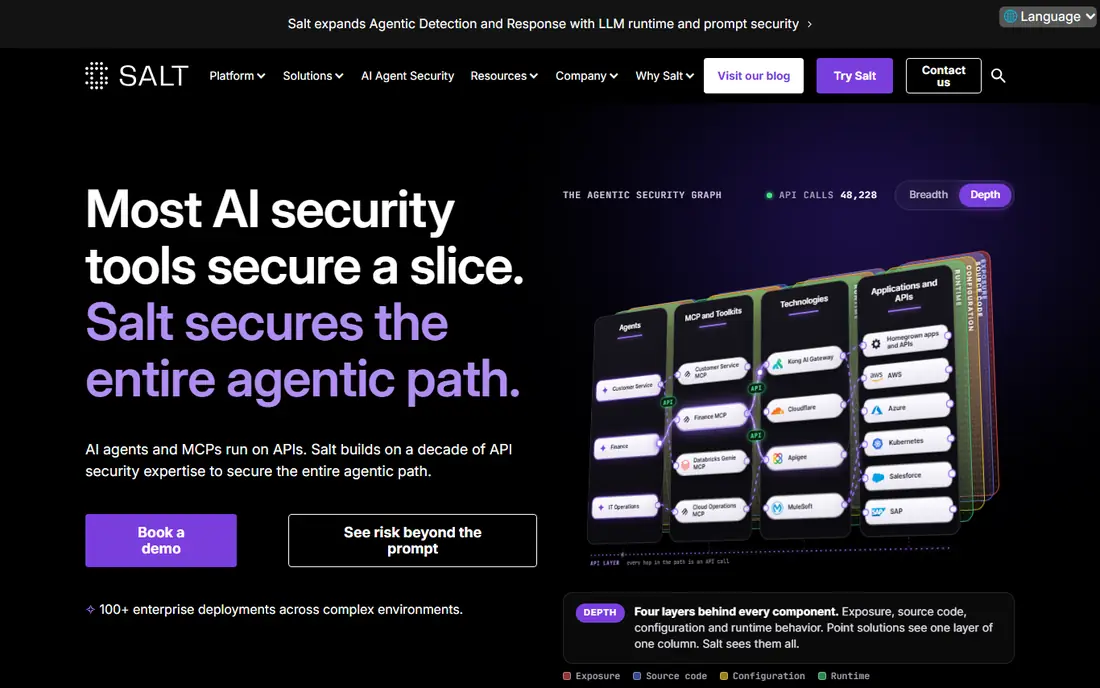
Salt Security is our first pick for teams whose main risk is abuse of live APIs. It watches API traffic, builds a baseline for each endpoint, and flags behavior that fits known attack patterns, such as broken object-level authorization and slow data scraping. Because it learns from traffic rather than only matching signatures, it can catch abuse that looks valid request by request.
The cost is effort as well as price. Salt is an enterprise platform, so expect a sales process, a deployment project, and tuning with your security team. Smaller teams may find a simpler edge or testing tool enough. For organizations with many public APIs and sensitive data, that depth is the point.
- Learns normal API behavior over time
- Finds shadow APIs from traffic
- Gives remediation guidance for developers
- Enterprise pricing is quote-based
- Deployment and tuning take time and staff
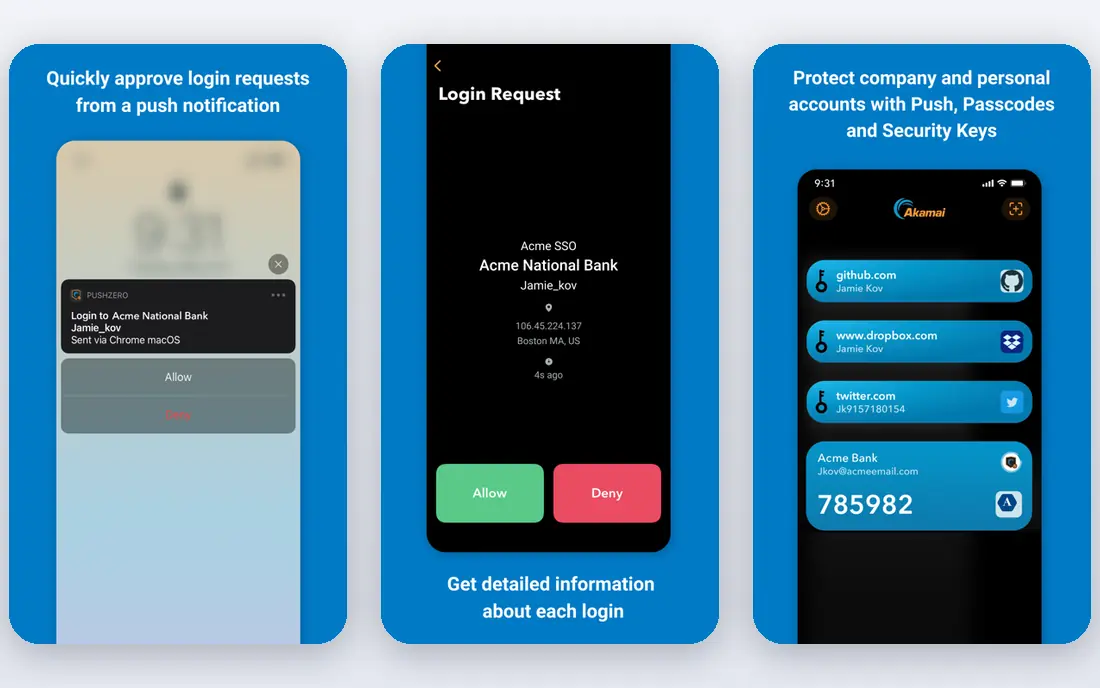
Akamai API Security suits teams that already run traffic through Akamai. It inherits discovery technology from Noname Security, which Akamai acquired, and it can block abusive API traffic at the edge before it reaches your origin servers. For a team already paying for Akamai delivery and protection, adding API security can be simpler than deploying a separate platform.
Standalone buyers should compare carefully. If you do not use Akamai already, the value depends on the full platform bundle, not just API features. Ask for a clear scope during a trial: which APIs are discovered, how blocking works, and what reporting your team will actually use.
- Builds on Noname discovery technology
- Edge blocking close to attackers
- Bundles with existing Akamai contracts
- Less distinct as a standalone purchase
- Pricing depends on broader platform terms
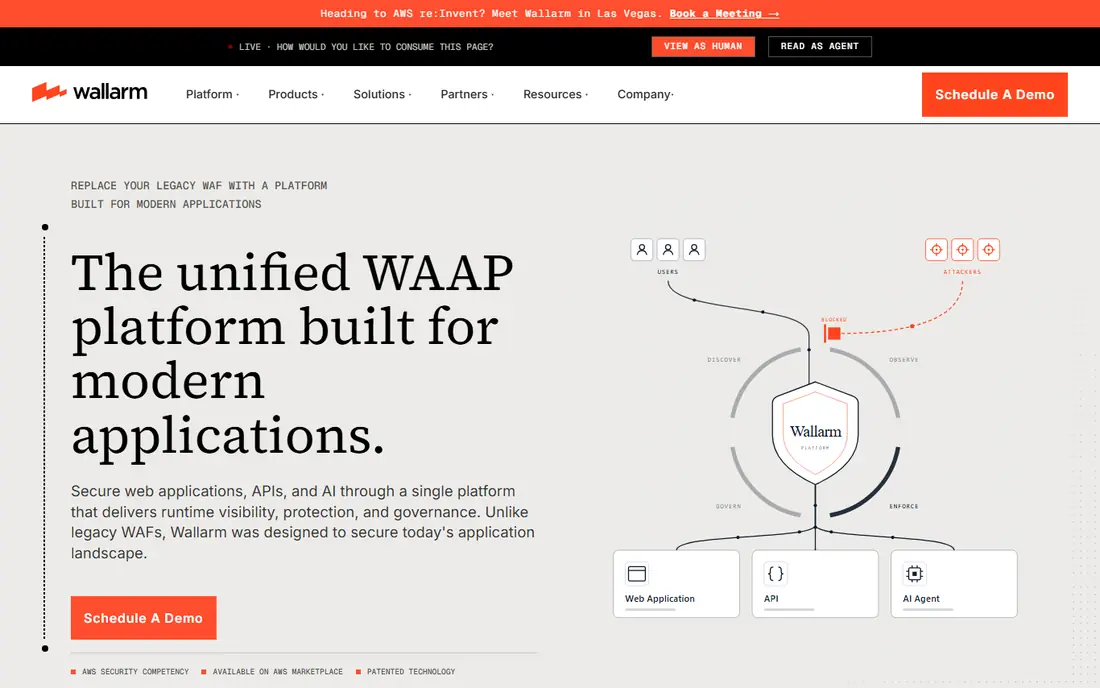
Wallarm appeals to teams that want one platform for web and API traffic rather than separate tools. It offers discovery, protection, and testing features, with deployment options that include inline blocking. Its published threat research also helps security teams explain API risks to colleagues who do not follow the field daily.
As with most enterprise tools here, pricing requires a conversation with sales, and initial tuning matters. A proof of concept on your busiest APIs will tell you more than a feature list, especially about false positives on legitimate but unusual traffic.
- Combines web application and API protection
- Native blocking options
- Regular published API threat research
- No published headline pricing
- Tuning is needed to avoid false positives
Traceable stands out for teams that already use distributed tracing or want deep context for each API call. By linking requests across services, it can show how data flows, where sensitive fields appear, and which calls are part of a larger attack pattern. That context helps incident response, since a single blocked call rarely tells the full story.
The trade-off is complexity. Tracing setup, agent deployment, and integration work take engineering time, and pricing is quote-based. Teams with a modern microservices setup will gain more from Traceable than teams with a handful of simple APIs.
- Uses distributed tracing for API context
- Strong discovery and sensitive-data tracking
- Runtime protection options
- Enterprise focus and quote pricing
- Needs tracing setup to reach full value
Cloudflare API Security is a practical choice for teams already behind Cloudflare. Discovery, schema validation, anomaly detection, and bot controls can sit on the same edge that already handles your traffic, which keeps latency and operations simpler than adding another inline product. For a team with many public APIs, that integration is a real advantage.
Teams not on Cloudflare should weigh migration cost against feature value. Some advanced API features require higher-tier plans, so check which tier covers your discovery, blocking, and reporting needs before you assume a basic plan is enough.
- Edge deployment for Cloudflare customers
- API discovery and anomaly detection
- Integrates with WAF and bot tools
- Best value depends on existing Cloudflare use
- Advanced features sit on higher plans
42Crunch is the best pick for shifting API security earlier in development. It audits an OpenAPI definition, scores it, and flags issues such as weak authentication, excessive data exposure, and missing controls, with guidance on how to fix them. Running those checks in CI means a flawed contract can fail a build before it reaches production.
It is not a runtime defense tool on its own. A clean contract can still be abused in production, so pair 42Crunch with a runtime or edge tool for live APIs. Used together, the two cover different stages: one prevents bad designs, the other catches live abuse.
- Audits OpenAPI contracts against many checks
- Integrates with CI pipelines
- Helps enforce standards before release
- Focused on design and pre-production
- Does not replace runtime abuse detection
StackHawk helps development teams test APIs the way an attacker would, before release. It reads an OpenAPI specification, runs security tests, and reports findings in terms developers can act on. That makes it a good fit for teams that want API security in their normal pipeline without a large security team.
The limit is timing. StackHawk finds problems before deployment, but it does not watch live traffic for abuse, scraping, or credential misuse. Treat it as a strong first layer, and add runtime detection for APIs that carry sensitive data or face the public internet.
- Runs API security tests from OpenAPI specs in CI
- Clear findings for developers
- Good for teams new to API testing
- Pre-production focus only
- Runtime monitoring needs a separate tool
Cequence suits organizations worried about both unknown APIs and automated abuse. It discovers APIs from traffic, tracks how they are used, and helps block bots and scrapers that abuse legitimate endpoints. That combination matters, since many API incidents involve automated traffic rather than a single exploit.
Cequence is an enterprise platform, so expect a scoped deployment and a sales-led pricing process. Smaller teams with a few APIs may get enough coverage from an edge tool or a testing tool. Larger teams with heavy bot traffic will value the combined discovery and abuse focus.
- Strong API discovery from traffic
- Bot and automated abuse detection
- Native blocking options
- Enterprise pricing is quote-based
- Deployment scope needs careful planning
How we picked these
We compared official product pages, documentation, and recent independent comparisons, and we favored tools that are still available in October 2026 and that clearly address API discovery, testing, or runtime threat detection. We excluded generic web firewalls that do not model API behavior, and we excluded acquired products that no longer exist as standalone tools. Where pricing was not published, we wrote See website rather than inventing a figure.
How to choose an API threat detection tool
Start with an inventory, not a purchase. List your public APIs, internal APIs that are reachable from partners, and any old endpoints that should have been retired. Many teams discover shadow APIs only after a tool watches traffic for a few weeks, so a discovery phase is worth doing even before you choose a blocking tool.
Match the tool to the stage where you lose control
If bad API designs keep reaching production, start with 42Crunch or StackHawk in CI. If live abuse, scraping, or broken authorization is the risk, start with Salt, Traceable, Wallarm, or Cequence. If you already use an edge platform, check Akamai or Cloudflare first, since integration may save months of deployment work.
Run a proof of concept on real traffic
Ask each shortlisted vendor to run on a copy of real traffic or a staging environment with realistic load. Measure false positives, blocking behavior, and how clear the alerts are for your on-call team. A tool that flags everything will be ignored, and a tool with vague alerts will slow incident response. Agree on success criteria before the trial, and keep the results for budget discussions.
Frequently asked questions
What is API threat detection?
API threat detection is the practice of finding attacks and abuse aimed at APIs, such as unauthorized data access, scraping, credential misuse, and business-logic abuse. Tools do this by learning normal API behavior, checking requests against API contracts, and flagging patterns that differ from normal use.
Do I need a dedicated API security tool if I have a web firewall?
A web firewall helps, but it often misses abuse that uses valid requests in the wrong way, such as one account reading another user's records. Dedicated API tools model endpoints, parameters, and user behavior, which makes them better at catching business-logic abuse. Many teams use both, with the firewall as a first layer.
How do I find shadow APIs?
Shadow APIs are endpoints that exist but are not in your official inventory, often left over from old releases or tests. Discovery tools find them by watching live traffic, logs, and cloud assets, then comparing what they see with your registered APIs. Regular discovery matters, because new endpoints appear with every release.
Are API security tools only for large enterprises?
No, but enterprise tools dominate the runtime market and most use quote pricing. Smaller teams can start with design-time testing, edge platform features, and good API governance, then add runtime detection as public APIs and sensitive data grow. The right starting point depends on exposure, not company size alone.
What should I check in a proof of concept?
Check discovery coverage, false positive rate, blocking behavior, alert clarity, and integration with your incident workflow. Also check how the tool handles sensitive data, how long setup takes, and what reporting you get for compliance. A short trial on real traffic answers these questions better than a sales demo.
Sources
See where you really rank - block by block
ProMapRanker scans Google Maps across a grid of your service area. Simple monthly plans from $19, white-label on every plan.
Start freeKeep reading
 peec ai alternatives
Peec AI Alternatives in 2026
Compare the best peec ai alternatives for tracking brand visibility in AI answers, from Profound and Otterly to Scrunch, AthenaHQ, Goodie and more in 2026.
Read → janitor ai alternatives
Janitor AI Alternatives in 2026
Compare the best Janitor AI alternatives for character chat and roleplay, with pricing, safety notes, moderation practices, and honest trade-offs in 2026.
Read → best tools for seo e-commerce
Best Tools for SEO E-Commerce in 2026
We compared the best tools for SEO e-commerce, from keyword research and audits to product page optimization, with current pricing and store trade-offs.
Read →