 ProMapRanker
Best Tech Company Case Study Examples in 2026

Key takeaways
- This article covers the best tools and libraries for creating and studying impressive tech company case studies, including case study builders, templates and published case study collections from real tech companies.
- Storydoc and HubSpot Case Study Generator suit teams that want a structured, publishable case study from notes and CRM data.
- Canva, Venngage, Piktochart and Adobe Express suit visual case studies, decks and one-page summaries.
- UXfolio and Miro suit design and research case studies built around process, prototypes and team analysis.
- Our pick for most tech teams is Storydoc for a polished published case study, with Canva as the fast backup for decks and summaries.
Quick comparison
| Pick | Great for | Pricing starts at | Free tier | |
|---|---|---|---|---|
 Storydoc | Interactive published case studies | See website | No | Visit |
 HubSpot Case Study Generator | CRM-based case studies | See website | No | Visit |
 Canva | Visual case study templates | See website | Yes | Visit |
 Venngage | Data-rich case study designs | See website | Yes | Visit |
 Piktochart | Clear data case studies | See website | Yes | Visit |
 Adobe Express | Polished case study pages | See website | Yes | Visit |
 UXfolio | UX and design case studies | See website | Yes | Visit |
 Miro | Collaborative case study analysis | See website | Yes | Visit |
The best tech company case study examples impressive tools
These tools help you build a case study, study published examples, or both. Where we name a published collection, we name only collections that are publicly available on vendor sites, and we invent no awards or metrics for them.
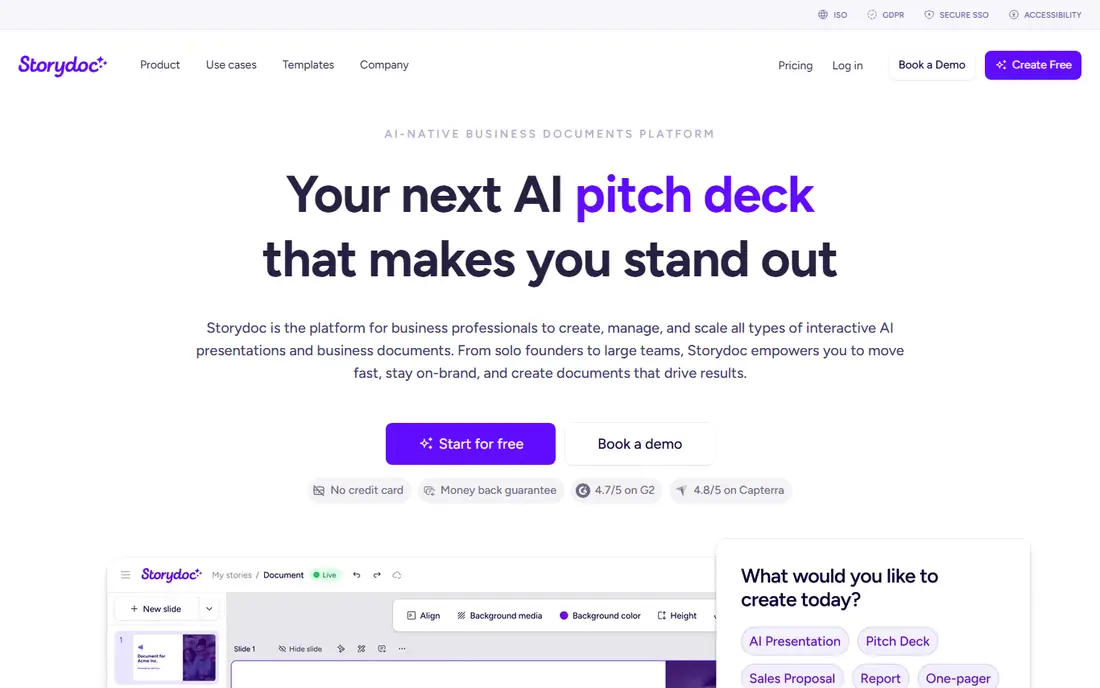
Storydoc is the closest thing here to a dedicated case study builder for tech teams. Its AI case study maker turns a prompt or existing materials into a structured, branded story, with templates for client stories, implementation highlights and results breakdowns. Published pages use scroll-based storytelling with embedded media and calls to action, rather than a static PDF.
Analytics show who reads, clicks and shares a case study, which helps sales teams see which stories actually get used. The trade is review time: an interactive page needs more checking than a simple document, and paid plans gate full publishing. For a flagship customer story, Storydoc is worth that effort.
- AI case study builder
- Scroll-based interactive pages
- Analytics on reading and sharing
- Paid plans needed for full publishing
- Interactive format takes more review time than a PDF

HubSpot's case study generator suits tech companies that already keep customer data in HubSpot. Choose a company record, add a title, upload notes, videos, files or call transcripts, and the tool drafts a structured case study outline from those materials. A built-in library with industry filters then helps prospects and sales teams find the right story fast.
The limit is ecosystem fit. Teams outside HubSpot will get less from the CRM-driven drafting, and pricing sits inside HubSpot's broader plans rather than a simple standalone fee. For HubSpot users, though, it turns scattered customer notes into a publishable library with little extra tooling.
- Builds drafts from CRM data and notes
- Case study library with industry filters
- Editor for publishing
- Works best inside HubSpot
- Pricing sits inside HubSpot plans
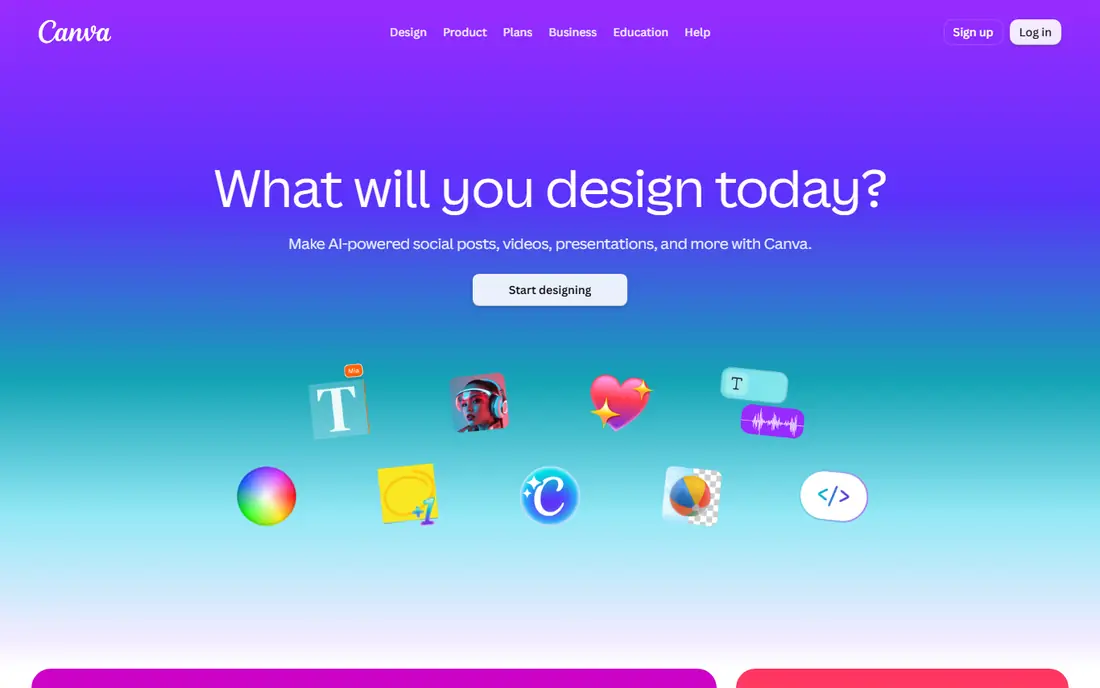
Canva is the fast route to a good-looking case study, with templates for one-page summaries, decks and full reports. Swap in your customer story, metrics, quotes and brand colors, and export for web, PDF or presentation. Collaboration features let marketing and sales edit together without design software.
Templates alone do not make a case study impressive. The strength of a tech case study still comes from a clear problem, a specific solution and verified results, plus a real customer quote. Canva handles presentation well, so pair it with careful reporting and customer approval before publishing.
- Many case study templates
- Drag-and-drop editor
- Easy team collaboration
- Templates need real data and quotes to impress
- Less structure than a dedicated builder
Venngage suits case studies where data carries the story, such as a tech rollout with adoption, performance or cost figures to show. Its templates include infographics, timelines and charts that turn a wall of text into a readable visual argument. Brand kits keep colors and fonts consistent across a series of studies.
Complex infographics take time to build well, and premium templates sit behind paid plans. Venngage is best for teams that publish case studies regularly and want a consistent visual system, rather than a one-off document. Check that every figure you chart is verified and approved by the customer.
- Case study templates with charts and infographics
- Data visualization tools
- Brand kits
- Premium templates need a paid plan
- Learning curve for complex infographics
Piktochart is a practical choice for tech teams that want a clear, data-led case study without a design team. Templates cover timelines, comparisons and results layouts, and the editor keeps chart building simple. That clarity helps busy buyers grasp a story in a minute, which is often the whole point of a case study.
Interactive and scroll-based publishing is thinner here than in Storydoc, so Piktochart suits PDFs, decks and web images more than immersive pages. For a sales leave-behind or a one-page summary, that format is often the right one anyway.
- Case study templates for data stories
- Timelines and charts
- Simple editor
- Less interactive than Storydoc
- Some features need a paid plan
Adobe Express brings a design-led finish to case study pages, decks and social summaries. Templates look clean on brand accounts, Adobe fonts and stock add polish, and resizing lets one case study become a web page, a deck slide and a social post. The editor stays friendly for non-designers.
Premium assets and some features need a paid plan, so free users will hit limits on certain templates. If your team already uses Adobe tools, Express fits well. If not, Canva may feel simpler for the same visual job, with a larger free template set.
- Professional templates
- Adobe fonts and stock
- Easy resizing for formats
- Free plan limits premium assets
- Adobe account needed
UXfolio is built for UX designers and product teams whose case studies center on process: research, prototypes, testing and outcomes. Its templates, device mockups and prototype embeds let readers follow a design journey step by step, and password protection helps when a study includes work under embargo. That process focus is what makes UX case studies convincing.
Sales-focused tech case studies, built around business results and buyer quotes, fit less naturally here than in Storydoc or HubSpot. Use UXfolio when the audience is a hiring manager, a design peer or a product team, and use a sales builder when the audience is a buyer.
- Portfolio and case study builder for designers
- Templates and mockups
- Password protection
- UX-focused, less suited to sales case studies
- Paid plans for full features
Miro suits the analysis stage of a case study, where a team gathers research, interviews and findings before writing. Its case study templates help teams break down a company story, discuss key facts, vote on the strongest points and agree on a structure. That shared board often produces a sharper final story than a solo draft.
A Miro board is not itself a polished published case study, so plan an export or rebuild step in Storydoc, Canva or HubSpot for the final version. Use Miro for study and collaboration, especially for students, consultants and strategy teams analyzing published tech case studies.
- Collaborative boards
- Case study templates
- Voting and discussion tools
- A board is not a published case study
- Needs export or a builder for final publishing
How we picked these
We compared official feature pages, pricing pages and public template libraries for case study builders and design tools available in October 2026. We kept tools that help create, publish or study tech case studies, and we named published example collections only where they are publicly available on vendor sites. We invented no awards, metrics or customer results, and prices we could not verify on the vendor's own page are listed as "See website" rather than guessed.
How to study and build an impressive tech case study
Start by reading published case studies from real tech companies, then build your own with the same structure. Vendor customer story libraries from companies such as HubSpot, Stripe and Slack are publicly available and show how tech firms frame problems, solutions and results. Study their structure, not their claims, and check which details are verified by quotes and figures.
A structure buyers trust
Most strong tech case studies follow a simple arc: customer context, the specific problem, what was built or changed, and the verified result. Add a direct customer quote and a short section on what changed for the customer's team. Avoid vague claims, and get customer approval for every figure and quote before publishing.
Choosing a tool for the job
Use Storydoc or HubSpot for a flagship published story, Canva or Venngage for a visual summary, and UXfolio for a design process story. Use Miro when a team needs to analyze a case together before writing. One tool rarely covers research, design and publishing, so plan a two-step workflow.
What makes an example impressive
Impressive case studies are specific. They name the problem in concrete terms, show the work in enough detail to believe it, and report results that a reader can check. A study with a clear before-and-after, a real quote and honest limits beats a glossy study with only adjectives. Keep the focus on the customer, not on your product alone.
Frequently asked questions
What are the best tech company case study examples impressive tools?
Storydoc and HubSpot Case Study Generator lead for structured published case studies, while Canva, Venngage, Piktochart and Adobe Express lead for visual templates. UXfolio suits design case studies, and Miro suits collaborative analysis. The best tool depends on your audience: buyers, hiring managers or a study group.
Where can I find real tech company case studies to study?
Published customer story libraries on vendor sites are the best source, including libraries from HubSpot, Stripe and Slack, which are publicly available. Read several studies from one company to see how they structure problems, solutions and results. Use those structures as models, and write your own story from your own verified customer data.
What should a tech case study include?
Include customer context, the specific problem, the solution or change, verified results, and a direct customer quote. Add a short section on implementation or process where it helps a reader believe the result. Get customer approval for figures and quotes, and note any limits honestly rather than hiding them.
How long should a tech case study be?
A one-page summary suits sales leave-behinds, while a full published case study can run several pages with process detail and figures. Match length to audience: buyers want a short, clear story, while hiring managers and peers want process depth. A short version plus a longer version covers both needs well.
Do I need customer permission to publish a case study?
Yes. Get written approval from the customer for the story, figures, quotes and logo use before publishing, and confirm any details that must stay private. Many tech companies have a formal approval step, so build that time into your schedule. Publishing without approval risks the relationship and the story itself.
Can AI write a case study for me?
AI tools such as Storydoc and HubSpot's generator can draft a structure from your notes, transcripts and CRM data, which saves time on a first draft. You must still supply real customer facts, quotes and figures, and check every claim before publishing. AI drafts are a starting point, not a verified case study.
Sources
See where you really rank - block by block
ProMapRanker scans Google Maps across a grid of your service area. Simple monthly plans from $19, white-label on every plan.
Start freeKeep reading
 twitch alternatives
Twitch Alternatives in 2026
Explore the best Twitch alternatives in 2026 for live streaming, with free platforms, monetisation options, audiences, chat tools, and tips for new streamers.
Read → firebase alternatives
Best Firebase Alternatives in 2026
Looking for Firebase alternatives? We compare 9 backend platforms for auth, databases, realtime, storage, functions, self-hosting, and pricing for your app.
Read → companies with best work life balance
Companies With Best Work Life Balance in 2026
See companies with best work life balance in 2026, ranked by employee ratings, with flexible work options, benefits, and what to check before applying.
Read →