 ProMapRanker
Best Shipping Company in 2026

Key takeaways
- There is no single best carrier for every package: weight, size, distance, and speed decide the winner on each shipment.
- USPS Ground Advantage is often cheapest for light packages, while UPS and FedEx win on heavy, urgent, or time-definite shipments.
- DHL Express is the strongest pick for fast international delivery, while OnTrac suits low-cost domestic e-commerce parcels.
- Prices and delivery times vary by package, route, and season, so always compare a live quote for your exact shipment.
- Home shipping services such as PirateShip and ShipStation can cut label costs, but the carrier still sets speed and reliability.
Quick comparison
| Pick | Great for | Pricing starts at | Free tier | |
|---|---|---|---|---|
 USPS | Light domestic packages | See website | No | Visit |
 UPS | Heavy and reliable ground delivery | See website | No | Visit |
 FedEx | Time-definite and overnight delivery | See website | No | Visit |
 DHL Express | Fast international delivery | See website | No | Visit |
 OnTrac | Low-cost e-commerce delivery | See website | No | Visit |
 Amazon Shipping | Amazon sellers and ground parcels | See website | No | Visit |
 PirateShip | Cheap USPS and UPS labels at home | Free | Yes | Visit |
 ShipStation | Multi-carrier business shipping | $14.99 per month | Free trial | Visit |
The best shipping company
We compared national carriers and home shipping services that US senders actually use in 2026. Prices and delivery times vary, so we focus on where each service wins, where it loses, and what to check before you print a label.
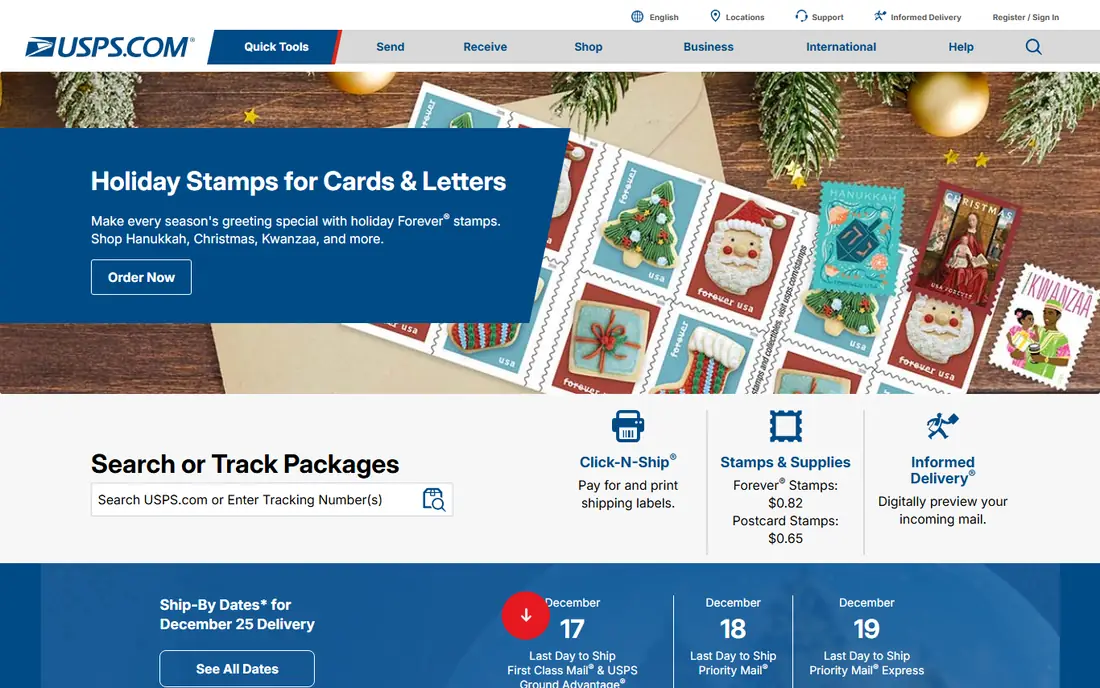
USPS is the default pick for light domestic packages, especially through Ground Advantage. It reaches every US address, including PO Boxes and remote routes that private carriers may not serve directly, and it offers flat-rate boxes that help dense items such as books. For a home sender shipping a small parcel, USPS is often the cheapest and simplest choice, with drop-off at a post office or a scheduled pickup.
The catch is speed and surcharges. USPS delivery times vary by distance, and peak-season price changes can raise costs in late 2026. Heavy parcels over 70 pounds also need a different service. Still, for packages under five pounds, USPS through a shipping platform or at retail is hard to beat on price, and Priority Mail is a strong mid-speed option.
- Wide US coverage including PO Boxes
- Ground Advantage suits light parcels
- Flat-rate boxes help dense items
- Slower on some routes than private carriers
- 70-pound limit on popular services
- Surcharges change often
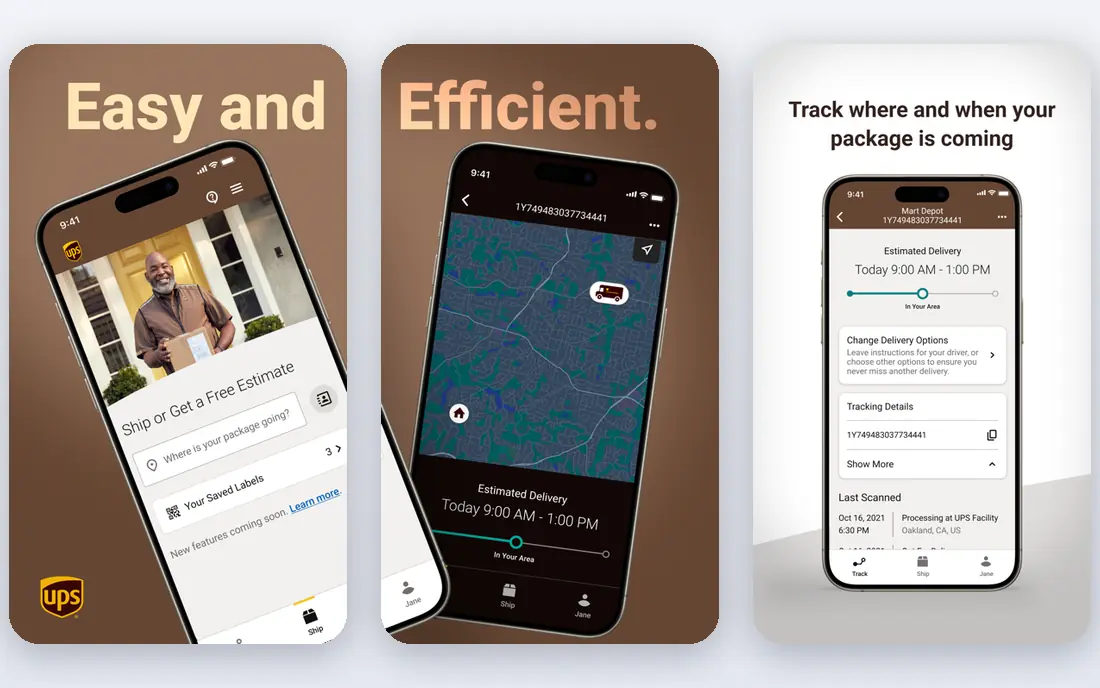
UPS is our pick for heavy and reliable domestic delivery. Its ground network handles large parcels well, and recent comparisons put its on-time performance ahead of FedEx and USPS. It also offers a clear range from Ground Saver and Ground up to 2nd Day Air and Next Day Air, so a business can match speed to deadline without switching carriers.
The drawback is total cost. Residential delivery fees, fuel surcharges, and dimensional weight pricing can push the final bill well above the base rate, especially for light, bulky boxes. UPS also charges peak-season fees in the busy months. For heavy, dense parcels and for businesses that value tracking and reliability, UPS still earns its place at the top.
- Strong ground network and tracking
- Good on-time record in recent comparisons
- Wide service range from ground to next-day air
- Residential and peak surcharges add up
- Dimensional weight can raise the price of light, bulky boxes
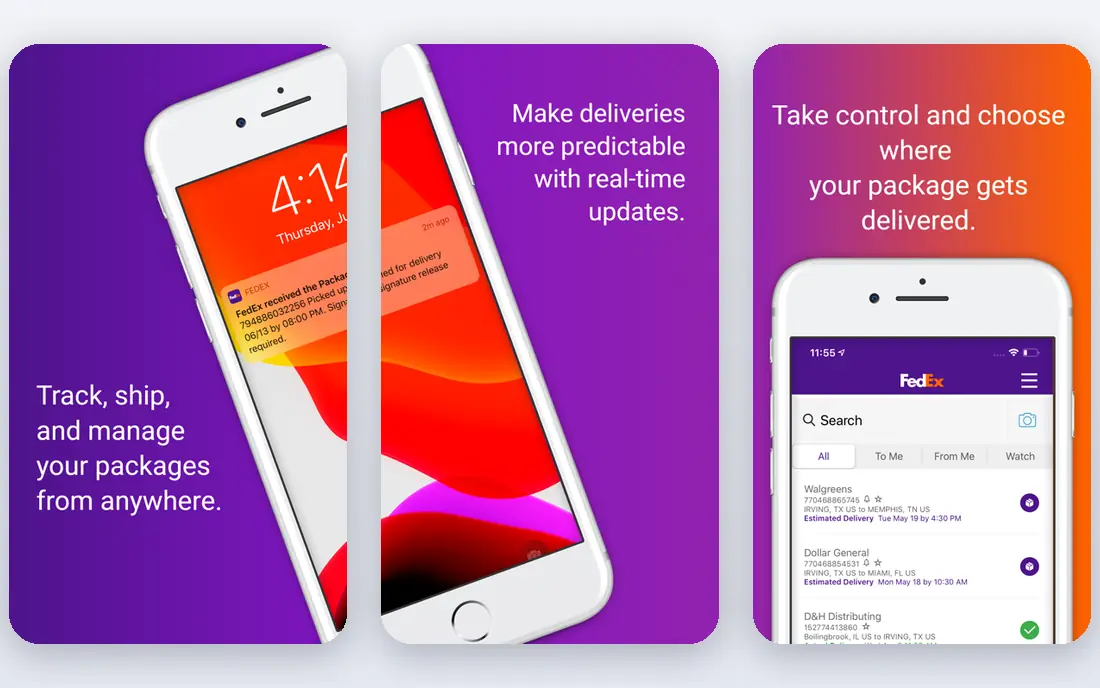
FedEx is the best shipping company for time-definite delivery, especially overnight and two-day service. Its overnight tiers are more granular than most rivals, and One Rate flat pricing across several box sizes up to 50 pounds helps dense, heavy goods traveling far. FedEx also suits businesses that need international, freight, and ground service from one carrier account.
The trade-off is surcharges and ground speed. FedEx ground delivery can trail UPS on some lanes, and additional handling and oversize charges can be steep for very large boxes. FedEx also merged its Express and Ground operations into one company in recent years, so service names and options have changed. For urgent shipments, FedEx remains a top pick, but always compare the total quote, not just the base rate.
- Granular overnight options
- One Rate flat pricing for dense parcels
- Strong international and freight network
- Ground on-time record trails UPS in some comparisons
- Large-package surcharges can be high
DHL Express is the strongest choice for fast international shipping from the United States. Its global express network, customs handling, and tracking suit businesses that send time-critical parcels abroad, from documents to e-commerce orders. For a US sender shipping to Europe, Asia, or other major markets, DHL often offers the clearest express path and delivery commitment.
The limit is domestic use. DHL Express is not a general domestic US carrier in the same way as USPS, UPS, or FedEx, so it will not suit most home senders shipping inside the country. International prices also vary sharply by destination, weight, and service, so a live quote is essential. For international express, though, DHL is hard to beat.
- Fast international express network
- Strong customs and tracking support
- Good for time-critical global parcels
- Domestic US service is limited compared with USPS, UPS, and FedEx
- Prices vary sharply by country
OnTrac is a domestic parcel carrier focused on e-commerce delivery, with seven-day operations in many areas and pricing that undercuts the national carriers on many e-commerce lanes. It suits online sellers who ship light to mid-weight parcels to homes and want a lower-cost alternative to UPS Ground or FedEx Ground. Its partnership with shipping platforms such as ShipStation also makes it easy to add to an existing workflow.
The catch is coverage. OnTrac service, speed, and pickup options vary by region, so a seller should test it on their main shipping lanes before switching all volume. It is also less suited to urgent overnight delivery or very heavy freight. For a seller with steady e-commerce volume, OnTrac is a useful second carrier that can cut costs on the right lanes.
- Lower-cost domestic e-commerce delivery
- Seven-day operations in many areas
- Growing national coverage
- Coverage and service options vary by area
- Less suited to urgent or very heavy parcels
Amazon Shipping is a ground parcel service that lets eligible businesses ship through the Amazon logistics network, including orders from sales channels other than Amazon. It offers delivery in 2 to 5 days in most of the United States, with daily pickup options for eligible sellers and tracking through the Amazon Shipping portal. For Amazon sellers, it is a natural way to use a network they already trust.
The limits are clear. Amazon Shipping covers eligible parcels up to 50 pounds, and it does not currently offer international shipping from the US. Eligibility, pickup, and label rules also apply, so not every seller or parcel qualifies. For a seller who already ships through Amazon channels, it is worth a quote. For a general home sender, USPS, UPS, or FedEx will be simpler.
- Amazon logistics network
- Ground delivery in 2 to 5 days in most of the US
- Clear pricing with no residential or weekend fees in its stated model
- Limited to eligible parcels up to 50 pounds
- US domestic only
- Eligibility and pickup rules apply
PirateShip is the best home shipping service for people who ship a few parcels a week and want cheap labels without a monthly fee. It is free to use, with no minimum volume and no markup on postage in its stated model, and it offers discounted USPS and UPS rates that beat retail prices on many parcels. The interface is simple: enter the package, buy the label, print it, and drop it off.
The catch is scope. PirateShip focuses on USPS and UPS, so it does not replace a multi-carrier platform for a store that also needs FedEx, DHL, or regional carriers. It also lacks the deep automation of ShipStation for high-volume stores. For a home sender, a small Etsy shop, or a business shipping mainly USPS and UPS, PirateShip is the easiest way to save money.
- Free to use with no monthly fee
- Discounted USPS and UPS labels
- Simple label buying for home senders
- Carrier choice is limited to USPS and UPS
- No built-in multi-carrier automation for large stores
ShipStation is a shipping platform for businesses that sell on several channels and ship with several carriers. It pulls orders from Shopify, Amazon, Etsy, and other stores into one dashboard, compares carrier rates, prints batch labels, and sends branded tracking updates. That central view saves time when a store ships dozens of parcels a day, and automation rules can assign carriers and services by weight, destination, or order value.
The drawback is cost and setup. ShipStation starts at $14.99 per month in recent listings, so a very low-volume sender may do better with free PirateShip. Setting up automation rules also takes care, because a wrong rule can assign the wrong service to a whole batch. For a growing store, ShipStation is the most complete shipping platform in this list.
- Many carriers and marketplaces in one dashboard
- Batch labels and automation rules
- Branded tracking pages
- Monthly fee even at low volume
- Learning curve for automation setup
How we picked these
We compared national carriers and shipping platforms that are active in the US in 2026, using official carrier pages, shipping platform pages, and recent rate comparisons. We kept services that a home sender or small business can actually use, and we favored services with clear coverage, tracking, and rate information. Where a price depends on weight, size, and route, we wrote See website rather than a single figure that would mislead readers.
How to choose the best shipping service for your package
Start with weight, size, and deadline. Light parcels under five pounds usually favor USPS Ground Advantage, while heavy or urgent parcels favor UPS or FedEx. For international express, get a DHL quote first. For e-commerce volume, test OnTrac or Amazon Shipping on your main lanes, and use PirateShip or ShipStation to compare labels.
Always compare the total cost, not the base rate. Add residential fees, fuel surcharges, dimensional weight, and peak-season fees, and check delivery time for your exact route. Prices and delivery times vary, and a carrier that wins on one lane can lose on another. Keep a second carrier option ready, so a delay or a price rise does not leave you with no way to ship.
Frequently asked questions
Which shipping company is the best for packages?
The best company depends on the package. USPS often wins for light domestic parcels, UPS wins for heavy and reliable ground delivery, FedEx wins for overnight and time-definite service, and DHL wins for fast international delivery. Compare a live quote for your exact weight, size, and destination before you choose.
What is the best package delivery service for home shipping?
For home shipping, PirateShip is a strong pick because it is free and offers discounted USPS and UPS labels without a monthly fee. USPS is also a good direct choice for light parcels, with easy drop-off at a post office. If you ship often, a platform such as ShipStation can save more time, but it carries a monthly fee.
What is the best mail delivery service for small parcels?
USPS is usually the best mail delivery service for small, light parcels, thanks to Ground Advantage and flat-rate options. It also serves PO Boxes and remote addresses that private carriers may not serve directly. For a small parcel that needs faster delivery, USPS Priority Mail is a solid mid-speed option.
How do I find the cheapest shipping service?
Enter your exact package weight, size, origin, and destination into a carrier quote tool or a platform such as PirateShip or ShipStation, and compare total cost including surcharges. Light parcels favor USPS, dense heavy parcels may favor a flat-rate option, and e-commerce volume may favor OnTrac or Amazon Shipping. Re-check quotes in peak season, since prices and fees change.
Are delivery times guaranteed?
Some express services offer delivery commitments or money-back guarantees, while ground services usually give estimated delivery windows rather than a firm guarantee. Weather, peak volume, and address issues can all cause delays. For a deadline-critical parcel, choose an express service with a stated commitment and keep proof of the label and tracking.
Sources
See where you really rank - block by block
ProMapRanker scans Google Maps across a grid of your service area. Simple monthly plans from $19, white-label on every plan.
Start freeKeep reading
 best subscription manager app
Best Subscription Manager App in 2026
Find the best subscription manager app for your budget with our 2026 comparison of 8 apps, covering automatic detection, renewal alerts and free plans.
Read → best stock picking service
Best Stock Picking Service in 2026
Compare the best stock picking service options for 2026, with 8 stock recommendation services for long-term, dividend, quant, growth and income investors.
Read → best software wallet
Best Software Wallet in 2026
Compare the best software wallet options for 2026, with 8 crypto wallets for desktop and mobile, covering self-custody, supported chains, fees and security.
Read →