 ProMapRanker
Best Sentiment Analysis Tool in 2026


Enterprise social listening and brand intelligence · Pricing starts at: See website
Key takeaways
- Brandwatch suits enterprise social listening, where volume, image sentiment and trend detection matter most.
- MonkeyLearn suits teams that want custom no-code models for reviews, surveys and support tickets.
- Sprout Social suits social teams that want sentiment inside the same platform used for publishing and engagement.
- API tools from Google, Microsoft and Amazon suit developers who need sentiment inside their own product or pipeline.
Quick comparison
| Pick | Great for | Pricing starts at | Free tier | |
|---|---|---|---|---|
| Brandwatch | Enterprise social listening and brand intelligence | See website | No | Visit |
 MonkeyLearn | Teams that want custom no-code text models | See website | Free trial | Visit |
 Lexalytics | Enterprises that need multilingual and embeddable NLP | See website | No | Visit |
 Sprout Social | Social teams that want sentiment with publishing | See website | Free trial | Visit |
 Talkwalker | Brands that need multilingual and visual listening | See website | No | Visit |
 Brand24 | Small and mid-size brands that want real-time mentions | See website | Free trial | Visit |
 Google Cloud Natural Language | Developers who build on Google Cloud | See website | Free trial | Visit |
 Azure AI Language | Microsoft-stack enterprises | See website | Free trial | Visit |
 AWS Comprehend | AWS-native teams that need scalable NLP | See website | Free trial | Visit |
The best sentiment analysis tools
We compared current options for best sentiment analysis tool to help you shortlist with confidence. The tools below cover well-known leaders and strong smaller options, and each one earns its place for a different kind of buyer. Read the fit line first, then the strengths and the honest catch, since the best tool for a large team is rarely the best tool for a solo buyer.
For photographers who want a faster first pass, marketing and PR teams that track large public conversations. It monitors a very large set of online sources and adds image sentiment and trend detection to text analysis. That focus shapes the daily experience more than any single feature claim, since you will live with the workflow, the limits and the support model long after the trial ends.
Cost and complexity suit larger teams better than small businesses. For enterprise brand tracking, the coverage and reporting depth are the draw. Check the trial limits before you commit, and run it on a real recent shoot rather than a small test folder. The right question is not whether the tool is good in general, but whether it fits your volume, your team and the way you already work.
- Very large source coverage
- Image sentiment
- Trend and emotion tracking
- Enterprise pricing
- Setup and training take time
If your main pain is the sheer size of a shoot, teams that want sentiment tuned to their own wording. It lets non-developers build and train sentiment and topic models on their own reviews, tickets and survey answers. That focus shapes the daily experience more than any single feature claim, since you will live with the workflow, the limits and the support model long after the trial ends.
A custom model still needs good training data and checking. For teams with repeat feedback types, the tailored accuracy is worth that setup effort. It is worth comparing the export and handoff steps, since that is where time often leaks back in. The right question is not whether the tool is good in general, but whether it fits your volume, your team and the way you already work.
- No-code custom models
- Review and survey analysis
- API and spreadsheet links
- Paid plans start at a level that suits teams, not casual users
- Model training needs sample data
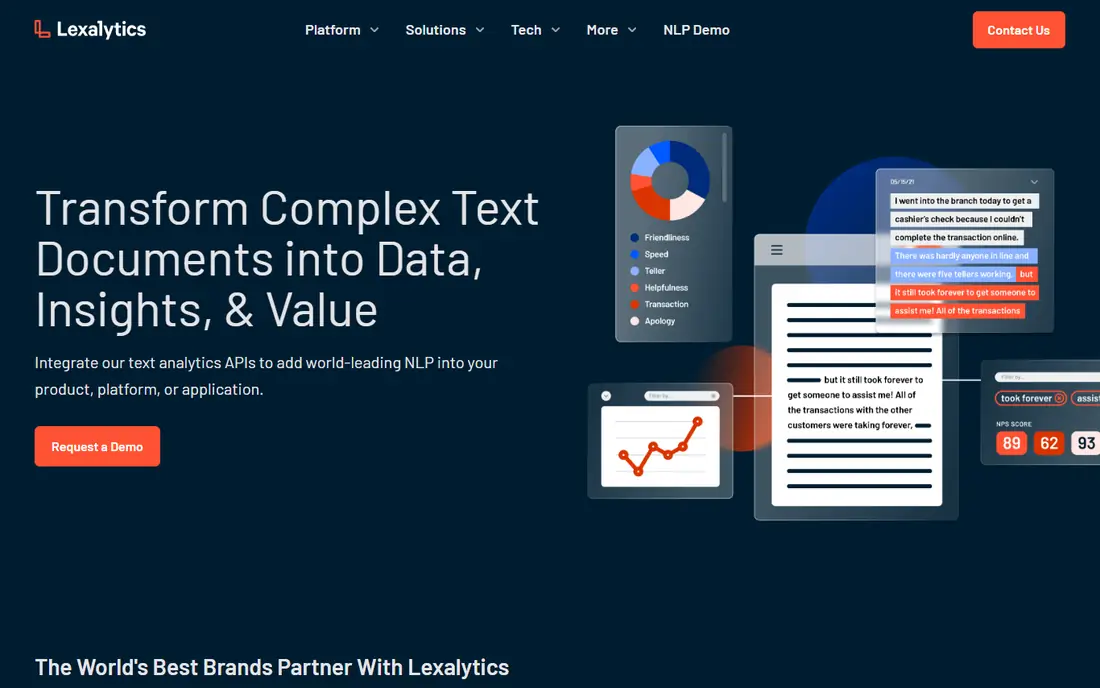
A solid choice when control matters as much as speed, enterprises that embed sentiment inside their own products. It offers deep text analytics with entity-level sentiment and language support, plus deployment choices for regulated settings. That focus shapes the daily experience more than any single feature claim, since you will live with the workflow, the limits and the support model long after the trial ends.
It is not a simple dashboard for a small marketing team. For product and enterprise teams, the embeddable engine and language range matter most. Ask about file handling and privacy before you upload client work, especially for paid client shoots. The right question is not whether the tool is good in general, but whether it fits your volume, your team and the way you already work.
- Multilingual NLP
- Entity and aspect sentiment
- Cloud or on-premise options
- Enterprise pricing
- Developer or analyst setup needed
When the workflow around the tool matters, social teams that manage channels and sentiment in one place. It keeps sentiment close to publishing, inbox and reporting, so social teams can act on a shift without switching tools. That focus shapes the daily experience more than any single feature claim, since you will live with the workflow, the limits and the support model long after the trial ends.
Dedicated listening tools cover more sources and deeper analysis. For teams that live in Sprout already, the combined workflow wins. The best test is a full job end to end, from import to the point where edits begin. The right question is not whether the tool is good in general, but whether it fits your volume, your team and the way you already work.
- Social publishing and engagement
- Sentiment inside social reports
- Team workflows
- Sentiment depth is less than dedicated listening tools
- Seat pricing adds up
For teams that need a predictable routine, global brands that track text, images and video. It covers many languages and adds visual listening, which helps brands where logos and images carry as much meaning as words. That focus shapes the daily experience more than any single feature claim, since you will live with the workflow, the limits and the support model long after the trial ends.
Pricing and setup suit larger brands. For global campaigns, the language and visual coverage justify the enterprise approach. If the tool slows down your review step, the time saved on the first pass may not be worth it. The right question is not whether the tool is good in general, but whether it fits your volume, your team and the way you already work.
- Multilingual listening
- Image and video sentiment
- Competitive tracking
- Enterprise pricing
- Learning curve for advanced reports
A practical option for smaller workloads, smaller brands that want fast mention alerts. It tracks mentions across social, news, blogs and reviews with alerts and readable reports for small teams. That focus shapes the daily experience more than any single feature claim, since you will live with the workflow, the limits and the support model long after the trial ends.
Enterprise teams may need wider sources and deeper models. For a first listening tool, Brand24 balances price, speed and ease. Check the trial limits before you commit, and run it on a real recent shoot rather than a small test folder. The right question is not whether the tool is good in general, but whether it fits your volume, your team and the way you already work.
- Real-time mention tracking
- Social, news and review sources
- Clear reports
- Source coverage is narrower than enterprise tools
- Advanced analysis is limited
If you already work inside a larger system, developer teams that need sentiment inside an app or pipeline. It analyses text through an API and ties sentiment to entities, so you can see which product or topic a feeling relates to. That focus shapes the daily experience more than any single feature claim, since you will live with the workflow, the limits and the support model long after the trial ends.
Non-developers will need a dashboard or a developer to use it well. For Google Cloud teams, the API fit and scale are the main benefits. It is worth comparing the export and handoff steps, since that is where time often leaks back in. The right question is not whether the tool is good in general, but whether it fits your volume, your team and the way you already work.
- Document and entity sentiment
- Scalable API
- Google Cloud integration
- Developer setup needed
- No ready-made marketing dashboard
For buyers who want a simple setup, enterprises already on Microsoft Azure and Power BI. It offers opinion mining and aspect detail inside Azure, with links to Power BI and Dynamics for reporting. That focus shapes the daily experience more than any single feature claim, since you will live with the workflow, the limits and the support model long after the trial ends.
Pricing depends on consumption, so a high-volume project needs a cost estimate first. For Microsoft shops, the integration path is straightforward. Ask about file handling and privacy before you upload client work, especially for paid client shoots. The right question is not whether the tool is good in general, but whether it fits your volume, your team and the way you already work.
- Opinion mining
- Power BI and Dynamics links
- Enterprise security
- Azure setup and consumption pricing need planning
- Dashboard is not included
When budget and ease both count, AWS teams that need sentiment at scale. It provides managed sentiment analysis that scales with AWS workloads, without managing models or servers. That focus shapes the daily experience more than any single feature claim, since you will live with the workflow, the limits and the support model long after the trial ends.
Like other APIs, it needs a product or dashboard around it for business users. For AWS-native teams, managed scale and service links are the appeal. The best test is a full job end to end, from import to the point where edits begin. The right question is not whether the tool is good in general, but whether it fits your volume, your team and the way you already work.
- Fully managed NLP
- Fine-grained sentiment
- AWS service links
- Developer setup needed
- No marketing dashboard included
How we picked these
We compared official product pages, documentation and current comparison guides for sentiment tools still sold in 2026. We looked at data sources, aspect and entity sentiment, language support, custom model options and reporting. We did not claim hands-on testing. Sentiment scores are estimates, not exact measures of human feeling, so we treated accuracy claims with care and favoured tools that show the underlying text behind a score.
How to choose a sentiment analysis tool
Start with the source of feedback. Social listening tools suit public posts and brand mentions. Review and survey tools suit structured feedback from customers you already serve. A social tool will not fix a survey analysis problem, and a survey tool will not track a public conversation.
Check aspect and entity detail. A single positive or negative score for a whole review hides mixed views about price, service and delivery. Tools that break sentiment down by aspect or entity help teams find the exact issue to fix, rather than a vague mood change.
Test accuracy on your own text. Slang, sarcasm, mixed language and industry terms all affect results. Run a sample of your real reviews and posts through a trial, check the errors by hand, and see whether custom training or rules improve the result before you buy.
Frequently asked questions
Which sentiment analysis tool is best for reviews?
MonkeyLearn and Lexalytics suit review analysis because they support custom models and aspect detail. Sprout Social suits reviews that arrive through social channels. Test the tool on your own reviews, since accuracy varies by industry wording.
What is the best sentiment analysis tool for social media?
Brandwatch suits large social listening programmes, while Brand24 and Sprout Social suit smaller teams with lower budgets. Talkwalker adds visual and multilingual listening for brands that track images as well as text.
Are sentiment analysis tools accurate?
No tool reads human feeling with full accuracy. Sarcasm, slang and mixed opinions cause errors, and scores should guide investigation rather than replace reading. The best tools show the source text, confidence and aspect breakdown so a person can check the call.
What is the best free sentiment analysis tool?
API free tiers from Google Cloud and Microsoft Azure suit developers who need a small volume of checks. For non-developers, free trials from Brand24 and MonkeyLearn give a better test of dashboards and models. Free tiers usually limit volume and history.
What is the best sentiment analysis software for enterprises?
Brandwatch, Lexalytics and Talkwalker suit enterprise needs because they handle volume, languages and governance. Enterprise pricing is usually custom, so ask for data retention, security and model training terms in the quote.
Sources
See where you really rank - block by block
ProMapRanker scans Google Maps across a grid of your service area. Simple monthly plans from $19, white-label on every plan.
Start freeKeep reading
 bitly alternatives
Bitly Alternatives in 2026: 8 Tools Compared
Compare the best Bitly alternatives for branded short links, with free tiers, custom domains, analytics, and pricing that suits creators and small teams.
Read → bill.com alternatives
Best Bill.com Alternatives in 2026
Looking for bill.com alternatives? We compared 9 bill pay and AP automation tools on price, approvals, and accounting sync to help you switch with confidence.
Read → betterhelp alternatives
BetterHelp Alternatives in 2026
We compared BetterHelp alternatives for online therapy, covering Talkspace, Grow Therapy, Rula, Brightside and more on price, insurance and format in 2026.
Read →