 ProMapRanker
Best Self Publishing Companies in 2026

Key takeaways
- Amazon KDP is the starting point for most new authors, with free setup and the largest ebook store.
- IngramSpark is the best route to bookstores and libraries, thanks to wide print distribution.
- Draft2Digital is the simplest way to reach many ebook stores from one dashboard.
- Paid service companies can help with editing and design, but read the contract on rights and royalties before you sign.
Quick comparison
| Pick | Great for | Pricing starts at | Free tier | |
|---|---|---|---|---|
 Amazon KDP | Largest ebook and print reach | Free | Yes | Visit |
 IngramSpark | Bookstore and library distribution | Free | Yes | Visit |
 Draft2Digital | Wide ebook distribution made simple | Free | Yes | Visit |
 Lulu | Premium print and direct sales | Free | Yes | Visit |
 Apple Books | Apple readers and 70 percent ebook royalty | Free | Yes | Visit |
 Kobo Writing Life | International readers and Kobo store | Free | Yes | Visit |
 Barnes and Noble Press | Nook readers and US print | Free | Yes | Visit |
 BookBaby | Managed publishing services | See website | No | Visit |
The best self publishing companies
These platforms fall into two groups: do-it-yourself distributors such as KDP and IngramSpark, and service companies such as BookBaby that handle more of the work for a fee. Most successful indie authors use more than one.
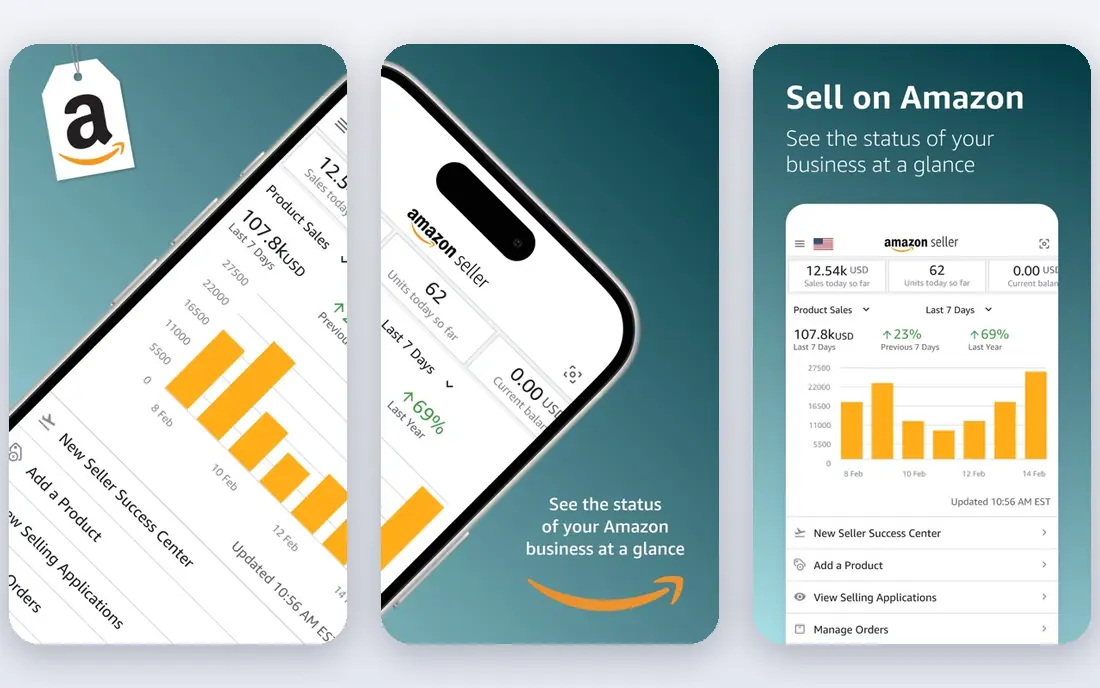
Amazon KDP is where most new authors should start, simply because that is where most ebook buyers already shop. Setup is free, you keep control of pricing and cover, and books can appear on Amazon within a few days. Ebook royalties are 35 percent or 70 percent, with the higher rate tied to price range and other terms, while paperbacks pay a share of list price minus printing cost.
The limit is reach beyond Amazon. KDP Expanded Distribution exists, but it does not match IngramSpark for bookstore placement, and KDP Select locks your ebook to Amazon for its term. Many authors use KDP for Amazon and a second platform for everywhere else.
- Free to publish
- Largest ebook store in the US
- Ebook royalties of 35 percent or 70 percent depending on price and terms
- Print on demand with no stock to hold
- Amazon-only for the best visibility
- Print distribution beyond Amazon is limited
- KDP Select requires ebook exclusivity
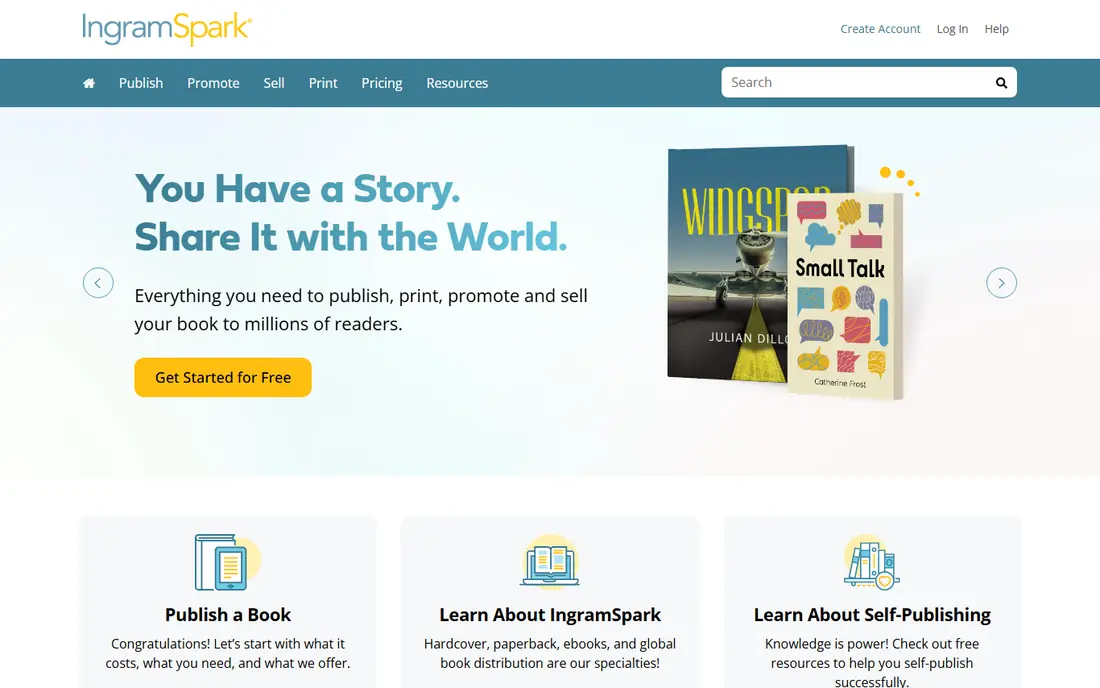
IngramSpark is the best partner to KDP, not a replacement for it. Its print network reaches bookstores and libraries that Amazon does not serve in the same way, and its format options include hardcovers and dust jackets that KDP does not match. For authors who want a book to be orderable in a local shop, IngramSpark is the practical route.
The catch is complexity and cost detail. Setup and revision terms have changed over time, and a distribution fee applies on some sales, so read the current pricing page and print cost calculator before you publish. Order a proof copy too, since print quality can vary between print locations.
- Distribution to bookstores, libraries, and online retailers worldwide
- Wide print formats including hardcover
- Free title setup in recent terms
- Interface is less beginner-friendly than KDP
- Print costs and distribution fees need careful checking
- Bookstore stocking is not guaranteed
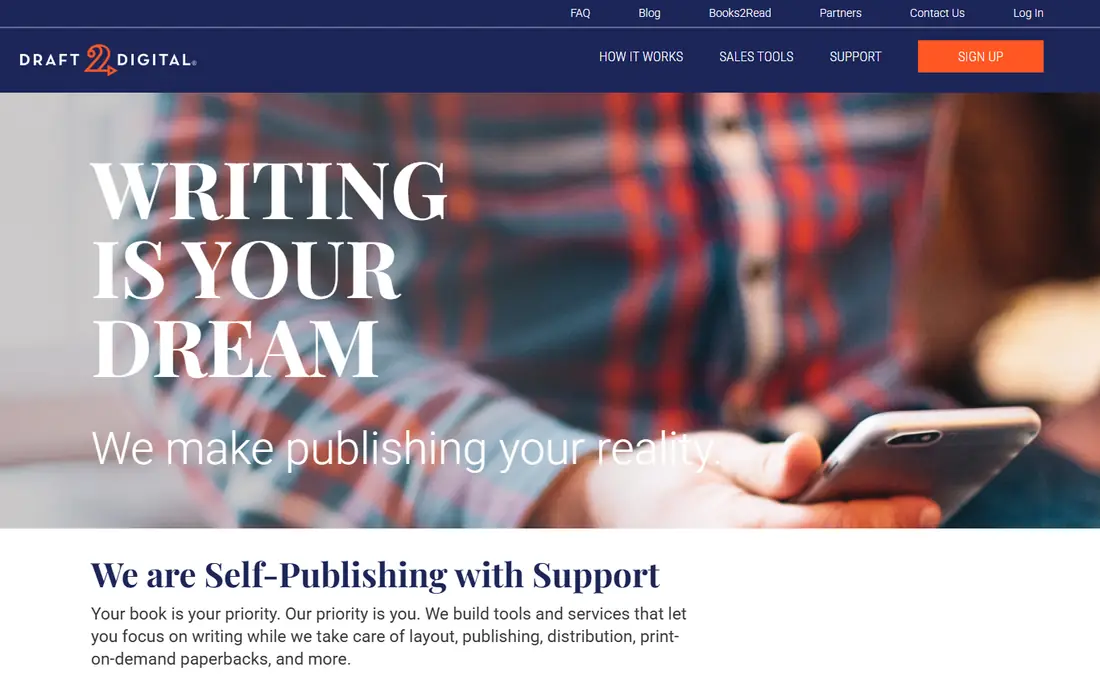
Draft2Digital is the easiest way to go wide without managing a dozen separate accounts. You upload once, format with its free tools, and it distributes to major ebook stores outside Amazon. There is no exclusivity, so you can still use KDP for Amazon at the same time.
The cost is a share of each sale, which adds up on high-volume titles, and authors who want deep print control will still need IngramSpark or Lulu. For a first book, though, Draft2Digital removes the most tedious part of wide publishing.
- One upload reaches Apple, Kobo, Barnes and Noble, and other stores
- Free formatting tools
- No exclusivity
- Takes a share of retail price on sales
- Print options are more limited than IngramSpark
- No Amazon distribution for most titles
Lulu suits authors who care about the physical book itself: photo books, cookbooks, art books, and special editions where paper and binding matter. Selling direct through a Lulu storefront can also give better margins than a retailer sale, since you reach readers you already know.
For wide bookstore placement, Lulu is not a substitute for IngramSpark, and its ebook distribution is less central than KDP or Draft2Digital. Use it when print quality and direct sales are the priority, and pair it with KDP or IngramSpark for broader reach.
- Strong print quality for photo books and special editions
- Direct storefront for selling to your own audience
- No minimum order for many formats
- Retail distribution is thinner than IngramSpark
- Per-unit print costs can be higher
- Ebook reach is smaller than KDP or Draft2Digital
Apple Books is a strong second store for ebook authors, with a 70 percent royalty rate that is easy to understand. Readers on Apple devices get a polished reading experience, and Apple sometimes features indie titles in ways that help discovery. Publishing direct is free, though many authors reach Apple through Draft2Digital to save time.
The limit is scope. There is no print option, and the audience is Apple users only, so Apple Books works best as part of a wide strategy rather than a sole platform. If you already use Draft2Digital, Apple distribution may already be covered.
- 70 percent ebook royalty on most sales
- Large Apple device audience
- Clean reading experience on iPhone, iPad, and Mac
- No print books
- Apple-only audience
- Managing another dashboard adds work unless you use an aggregator
Kobo Writing Life is worth a look for authors with international readers, especially in Canada, where Kobo devices are common. Royalties range from 45 percent to 70 percent depending on price and terms, and there is no exclusivity requirement. Kobo also runs promotions that can help a new title find readers.
In the US, Kobo is smaller than Amazon and Apple, so it should not be your only store. As part of a wide plan, either direct or through Draft2Digital, it adds reach at no upfront cost.
- Strong in Canada and international markets
- Ebook royalties of 45 percent to 70 percent depending on terms
- No exclusivity
- Smaller US audience than Amazon or Apple
- Print is not the focus
- Dashboard is another account to manage
Barnes and Noble Press gives authors a direct route to Nook readers and to the Barnes and Noble website, with print on demand included. For US authors with readers who shop at Barnes and Noble, that presence matters, and setup is free. Ebook royalties vary by price and format, so check the current terms before you set a price.
It is not a wide distribution platform on its own. Pair it with KDP for Amazon and IngramSpark for bookstores, or use Draft2Digital to cover Barnes and Noble along with other stores, and treat direct Press publishing as a way to keep control of that one store.
- Free to publish
- Reaches Nook readers and Barnes and Noble online shoppers
- Print on demand for paperbacks and hardcovers
- Smaller ebook audience than Amazon
- Print distribution beyond Barnes and Noble is limited
- Tools are simpler than KDP
BookBaby is for authors who want help rather than a do-it-yourself dashboard. Packages can cover ebook distribution, cover design, formatting, and print, with a single team to contact. That support helps authors who do not want to learn formatting, cover specs, and distribution details themselves.
The cost is the key question. Paid packages run into thousands of dollars in many cases, while KDP, IngramSpark, and Draft2Digital are free to start. Before you sign, get the full package list in writing, confirm who owns the rights and ISBN, and compare the total against hiring a freelance editor and designer directly.
- Managed packages covering distribution, design, and printing
- Print runs from small quantities
- Single point of contact for services
- Paid packages cost far more than free platforms
- Check what royalties and rights you keep
- Service quality varies by package
How we picked these
We compared official pricing, royalty, and distribution pages for platforms that are still operating in October 2026 and that serve new authors. We favored platforms with clear terms on rights, royalties, and distribution, and we included both free distributors and one managed service so readers can see the cost difference. We did not claim hands-on testing, and we left out companies that do not publish clear pricing or rights terms.
How to choose a self publishing platform
Decide where your readers already shop
Amazon readers need KDP, bookstore buyers need IngramSpark, and wide ebook readers need Draft2Digital or direct stores. Most authors need at least two platforms, not one, and that combination matters more than picking a single winner.
Read the rights and royalty terms before you upload
Check who owns the ISBN, whether exclusivity applies, what share you keep on each sale, and what happens if you want to leave. A free ISBN from a platform usually works only on that platform, so buy your own ISBN if you want full control across stores.
Budget for editing, cover, and proof copies
Publishing is free on most platforms, but a professional book is not free to produce. Editing, cover design, formatting, and proof copies are where quality comes from, and they cost money even when distribution does not. Get quotes for those services separately before you pay for a managed package.
Frequently asked questions
What is the best self publishing company for new authors?
Amazon KDP is the best starting point for most new authors, thanks to free setup and the largest ebook audience. Pair it with IngramSpark for print distribution to bookstores and libraries, and Draft2Digital for wide ebook stores outside Amazon.
What is the best self publishing platform for print books?
IngramSpark is the best platform for wide print distribution, while Lulu is best for premium print quality and direct sales. KDP is best for Amazon print sales, so many authors use KDP and IngramSpark together with separate ISBNs where needed.
Is Amazon KDP free?
Yes, KDP charges nothing to upload, publish, or distribute a book. You earn royalties on sales, with ebook rates of 35 percent or 70 percent depending on price and terms, and paperback earnings based on list price minus printing cost.
Do I need an ISBN to self publish?
You need an ISBN for print distribution to bookstores and libraries, and for wide ebook distribution outside Amazon in many cases. A free ISBN from a platform usually works only there, so authors who want full control often buy their own ISBN from their national agency.
What is the difference between self publishing and vanity publishing?
Self publishing means you keep control and rights, and you pay only for services you choose, such as editing or design. Vanity publishing usually means a company charges a large package fee, keeps a share of royalties, and may control rights, so always read the contract and compare costs.
How much money do self published authors make?
Earnings vary widely, from a few copies to a full-time income, and depend on genre, price, marketing, and backlist size. No platform can guarantee sales, so be cautious of any company that promises bestseller results or guaranteed income.
Sources
See where you really rank - block by block
ProMapRanker scans Google Maps across a grid of your service area. Simple monthly plans from $19, white-label on every plan.
Start freeKeep reading
 github alternatives
Best GitHub Alternatives in 2026
Explore the best GitHub alternatives in 2026, from GitLab and Bitbucket to self-hosted Gitea and Forgejo, with prices and trade-offs for developers for readers.
Read → cineby alternatives
Cineby Alternatives in 2026
We compared legal cineby alternatives for licensed streaming, including Netflix, Hulu, Disney Plus, and free options, so you can watch without piracy sites.
Read → best visibility analysis software
Best Visibility Analysis Software in 2026
Compare the best visibility analysis software for search and AI answers. We review 8 tools that track brand mentions, citations, and rankings Updated for 2026.
Read →