 ProMapRanker
Best Sanctions Screening Tools in 2026


API-led fintech screening · Pricing starts at: $99 per month
Key takeaways
- ComplyAdvantage suits fintechs and smaller firms that want API-led screening with a published entry price.
- LexisNexis Bridger Insight, Dow Jones, and World-Check One suit large banks and insurers that need deep list coverage.
- Sanction Scanner, NameScan, and Sanctions.io suit low-volume or developer-led screening, with limits on case depth.
- Software alone does not make an organisation compliant. Screening must sit inside a wider compliance programme with trained staff and documented decisions.
- This article covers lawful compliance use only: screening customers, payments, and counterparties against sanctions and watchlists.
Quick comparison
| Pick | Great for | Pricing starts at | Free tier | |
|---|---|---|---|---|
| ComplyAdvantage | API-led fintech screening | $99 per month | Free trial | Visit |
 LexisNexis Bridger Insight | Enterprise bank screening | See website | Free trial | Visit |
 Dow Jones Risk and Compliance | Large bank compliance | See website | Free trial | Visit |
 World-Check One | Deep risk intelligence data | See website | Free trial | Visit |
 Moody's | Financial crime screening data | See website | Free trial | Visit |
 Sanction Scanner | Affordable AML screening | See website | Free trial | Visit |
 NameScan | Low-volume manual checks | See website | Free trial | Visit |
 Sanctions.io | Developer API screening | See website | Free trial | Visit |
 Unit21 | Risk operations with screening | See website | Free trial | Visit |
The best sanctions screening tools
We compared official feature pages, pricing pages, and screening models for tools that screen customers, payments, and counterparties against sanctions lists, watchlists, and adverse media. This article is framed only around lawful compliance use. Software alone does not make an organisation compliant: a screening result still needs human review, documented decisions, escalation rules, and a compliance programme that fits your regulator and risk profile.
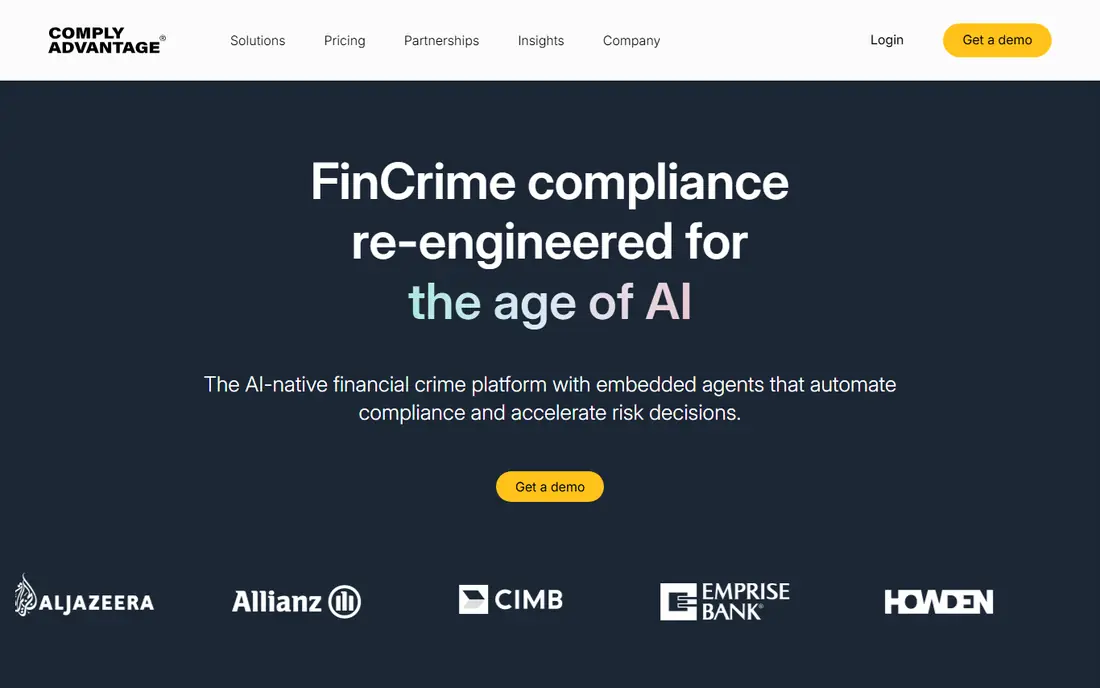
ComplyAdvantage offers sanctions, watchlist, politically exposed person, and adverse media screening through an API and a dashboard, with ongoing monitoring of screened customers. That API-led model suits fintechs, neobanks, and lenders that screen at onboarding and need repeat checks as lists change. The Starter plan starts at 99 dollars per month for a set number of monitored entities, with higher tiers for larger volumes. Agentic workflow features on some plans aim to resolve routine alerts faster, but human review still matters for true matches.
The catch is tier limits. Transaction monitoring and payment screening sit on Enterprise plans in many cases, so a firm that needs payment screening must check the higher tier, not just the Starter price. Enterprise pricing is quoted, and total cost depends on entity count and volume. If you need modern, API-led customer screening with a clear entry price, ComplyAdvantage is our first pick.
- API-led screening with ongoing monitoring
- Sanctions, PEP, and adverse media coverage
- Published Starter price
- Transaction monitoring sits on higher tiers
- Enterprise pricing is quoted
- Setup needs compliance design
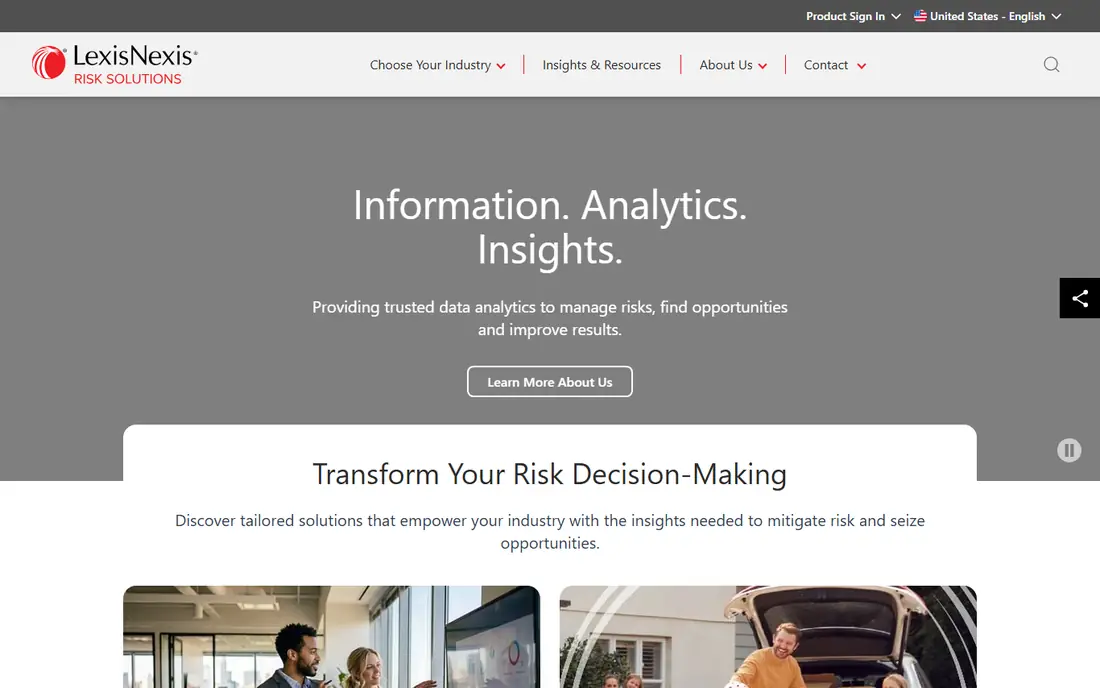
LexisNexis Bridger Insight, part of LexisNexis Risk Solutions, is a long-used screening tool for banks, insurers, and large financial firms. It screens against sanctions, watchlists, PEPs, and adverse media, with tunable matching, case management, and audit trails for investigator work. The depth of risk data and the ability to tune matching rules suit teams that handle high volumes and need to document why a match was cleared or escalated. That history also helps in exams, since examiners often recognise the platform.
The drawback is cost and implementation time. Pricing is quote-based at enterprise levels, and setup, tuning, and training take longer than an API-first challenger. A small firm that needs live screening in weeks may find it heavy. If you run an established bank or insurer programme and need deep data and case lineage, Bridger Insight is a strong choice.
- Deep watchlist and risk data
- Tunable matching and case workflow
- Long use in banks and insurers
- Pricing is quote-based
- Implementation can take longer
- Interface feels enterprise-grade
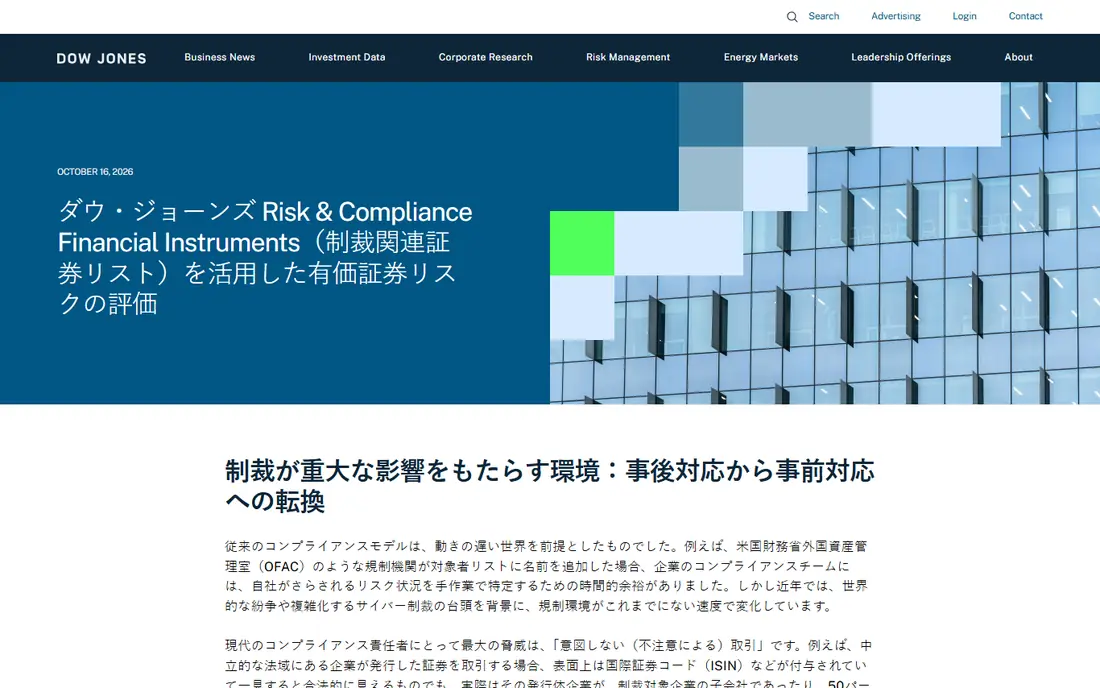
Dow Jones Risk and Compliance provides sanctions, watchlist, PEP, and adverse media data and screening tools for large banks and global firms. It offers batch and real-time screening, case management, and audit trails, with data coverage that suits firms operating across many jurisdictions. That breadth matters when a firm must screen against US, EU, UK, UN, and other lists, plus local watchlists, in one workflow. The platform is built for compliance teams that need control, reporting, and defensible records.
The catch is enterprise cost and effort. Pricing is quote-based, often at tens of thousands of dollars per year for large deployments, and implementation needs compliance design and tuning. A small fintech will find lighter tools faster and cheaper. If you run a top-tier compliance programme and need broad data with strong case tools, Dow Jones is a leading option.
- Broad sanctions and watchlist data
- Case management and workflow
- Suited to top-tier compliance programmes
- Pricing is quote-based and enterprise-level
- Implementation is heavier
- Small firms may not need the depth
World-Check One, from LSEG, is a risk intelligence screening platform built on the World-Check database. It screens customers and counterparties against sanctions, PEPs, and adverse media data, with case management and audit trails for investigator teams. Financial firms use it for onboarding, periodic review, and transaction screening, where data depth and source quality matter. The database covers many jurisdictions and risk categories, which helps a firm with global exposure.
The drawback is cost and tuning. Pricing is quote-based, and data licensing terms need careful reading for your use case. False positives also need tuning, since a broad database will surface many near matches that analysts must clear. If data depth is your main requirement and you have an investigator team, World-Check One is a strong pick.
- Deep risk intelligence database
- Screening with case workflow
- Widely used by financial firms
- Pricing is quote-based
- Data licensing terms need reading
- Setup needs tuning for false positives
Moody's, through its financial crime and compliance offerings, provides sanctions screening data, entity information, and risk tools for banks, insurers, and corporates. Screening can sit alongside entity due diligence and network views, which help a team understand ownership and links behind a customer or counterparty. That breadth suits large firms that need screening plus wider financial crime data in one vendor relationship. Audit trails and case tools support documented decisions.
The catch is scope and price. Moody's pricing is quote-based, and the product range is broad, so a buyer must scope the exact screening product, data sets, and volume before comparing quotes. A small firm that needs only basic screening will find simpler tools faster. If you need screening tied to entity and network risk data, Moody's deserves a place on the shortlist.
- Financial crime data and screening tools
- Entity and network views
- Suited to large firms
- Pricing is quote-based
- Product breadth needs scoping
- Smaller firms may find it heavy
Sanction Scanner offers sanctions, PEP, and adverse media screening for firms that need compliance screening without an enterprise contract. It supports batch screening from files and API screening for onboarding flows, with case review and reporting tools. That model suits smaller banks, payment firms, and corporates that need regular screening at a lower entry cost than Dow Jones or LexisNexis. A free trial and low per-screen options in some listings help a small team test the workflow.
The drawback is depth. Case management and investigator tools are thinner than enterprise platforms, so a firm with complex cases may need extra workflow tools. Pricing also varies by volume and plan, so confirm the rate for your monthly screen count. If affordable, straightforward screening is the main need, Sanction Scanner is a practical choice.
- Affordable screening for smaller firms
- Batch and API options
- Sanctions, PEP, and adverse media lists
- Case depth is thinner than enterprise rivals
- Pricing varies by volume
- Support and data terms need checking
NameScan offers low-cost sanctions and watchlist screening for firms that need occasional or low-volume checks. It provides API and batch screening, with per-check pricing that suits a small firm, a law firm, or a startup testing a compliance workflow. That simplicity helps a team that screens a handful of customers per week without committing to an enterprise platform. The tool focuses on the match result, rather than a full investigator suite.
The catch is depth and records. Matching is more basic than enterprise tools, and audit trail and case tools are limited, so a regulated firm must check whether the records meet its documentation needs. High-volume firms will also need stronger workflow and monitoring. If you need low-volume checks with simple pricing, NameScan is a useful starting point, but confirm record-keeping before relying on it for regulated work.
- Low per-check pricing for small volumes
- Simple API and batch checks
- Useful for manual screening
- Matching is more basic than enterprise tools
- Audit trail is limited
- Not suited to large case programmes
Sanctions.io offers a developer-friendly API for sanctions screening with pay-per-screen pricing and no long-term contract in many cases. That model suits early-stage fintechs and developers who need to add screening to onboarding in days, not months. It covers major sanctions lists, including OFAC, EU, UK, and UN lists, and returns match data that a developer can route into a review queue. The simple API keeps integration effort low.
The drawback is scale. Case management, workflow, and audit depth are thinner than enterprise platforms, so a firm with growing audit needs may outgrow it. Pricing also varies by volume, so model cost at your expected screen count. If you need a quick, low-commitment API for lawful compliance screening, Sanctions.io is worth testing.
- Pay-per-screen API with no long contract
- Fast developer setup
- Covers major sanctions lists
- Case management is thin at scale
- Audit depth needs checking
- Pricing varies by volume
Unit21 combines sanctions screening with transaction monitoring, fraud, and case management in one risk operations platform. That bundling suits fintech risk teams that want one investigator queue, rather than separate logins for screening, monitoring, and cases. Screening results flow into the same workflow as alerts from other risk tools, which helps a small risk team triage work in priority order. The platform also supports rules, models, and reporting for risk operations.
The catch is scope and price. Unit21 pricing is quote-based, and screening is part of a wider platform, so a firm that needs only screening may pay for more than it uses. Implementation also needs risk workflow design. If you want screening inside a wider risk operations system, Unit21 is a strong pick.
- Combines screening, transaction monitoring, and case management
- Single investigator queue
- Good for fintech risk teams
- Pricing is quote-based
- Screening is part of a wider platform
- Smaller firms may not need the full suite
How we picked these
We compared official feature pages, pricing pages, and screening models, and we kept only tools that exist and work in October 2026 and that truly screen against sanctions and watchlists for lawful compliance use. We favoured tools with list coverage, matching controls, case review, and audit trails, and we noted free or trial options where they exist. Where a vendor did not publish a price, we wrote See website rather than guessing. We did not claim hands-on testing that did not happen. Software alone does not make an organisation compliant.
How to run screening that an auditor can follow
Start by defining your lists, matching rules, and risk appetite in writing. List which sanctions, watchlists, and PEP sources you must screen, how often you re-screen, and what score or match type triggers review. Tune matching for your customer base, since too strict a setting creates noise and too loose a setting misses true matches. Document every tuning change with a reason and a date.
Next, define the review workflow. Who clears a false positive, who escalates a true match, what evidence is kept, and how long records are retained. Test the workflow with known test cases, including name variants and transliterations, before going live. Finally, review screening quality regularly. Track match rates, clearance times, and escalations, and re-tune when list updates or customer mix change. A screening tool without a documented workflow will not satisfy an auditor, even if the software itself is strong.
Frequently asked questions
What is the best sanctions screening software for a small fintech?
ComplyAdvantage suits many small fintechs, because it offers API-led screening with a published Starter price from 99 dollars per month. Sanction Scanner and Sanctions.io suit lower volumes or developer-led setups. The right pick depends on whether you also need transaction monitoring and case depth.
What is the best sanctions screening tools pick for a large bank?
LexisNexis Bridger Insight, Dow Jones Risk and Compliance, and World-Check One suit large banks, because they offer deep list coverage, tunable matching, and strong case tools. Expect quote-based enterprise pricing and a longer implementation. Compare data coverage and case workflow on your real customer mix.
Does sanctions screening software make my firm compliant?
No. Software alone does not make an organisation compliant. Screening must sit inside a wider programme with policies, trained staff, documented decisions, escalation rules, and regular reviews. Regulators judge the programme, not just the tool.
How often should I re-screen customers?
Re-screen on onboarding, when lists update, and on a periodic cycle set by risk, such as monthly or quarterly for higher-risk customers. Ongoing monitoring tools automate this, while batch tools need a scheduled re-screen process. Set the cycle in your policy and keep records.
What lists should a US firm screen against?
At minimum, screen against OFAC lists, including the SDN list, plus UN, EU, and UK lists where your business has exposure. Many firms also screen PEPs, adverse media, and other watchlists. Your regulator, counsel, and risk profile should set the final list scope.
What should I do when screening returns a true match?
Follow your escalation policy, stop the relevant transaction or onboarding step where required, and document the decision. Do not tip off the subject where the law forbids it, and seek counsel for blocking, reporting, and record duties. A screening tool result alone is not legal advice.
Sources
See where you really rank - block by block
ProMapRanker scans Google Maps across a grid of your service area. Simple monthly plans from $19, white-label on every plan.
Start freeKeep reading
 who has best internet service
Who Has the Best Internet Service in 2026
Who has best internet service for US homes? We compare fiber, cable, fixed wireless and satellite providers on speed, price, availability and terms today.
Read → which survey tool has the best analytics
Which Survey Tool Has the Best Analytics in 2026
Find which survey tool has the best analytics in 2026, comparing Qualtrics, SurveyMonkey, Typeform, Alchemer, and more on reports, text, and stats today.
Read → which streaming service has the best movies
Which Streaming Service Has the Best Movies in 2026
Answering which streaming service has the best movies, with Netflix, Max, Criterion and more compared on libraries, prices and free options in this guide.
Read →