 ProMapRanker
Best Sales Engagement Platforms in 2026

Key takeaways
- Enterprise platforms such as Outreach and Salesloft suit large teams with complex workflows, while Apollo and HubSpot suit smaller teams that want data or CRM in the same system.
- Contact data quality matters as much as sequencing, since a great cadence sent to bad addresses wastes time and harms sender reputation.
- Pricing is often quote-based at the enterprise tier, so get a written quote that includes seats, AI credits, dialer minutes, and data limits.
- Multichannel outreach needs consent and compliance care, especially for calls, SMS, and LinkedIn, where rules and platform limits differ.
- A short pilot with real prospects reveals more than a demo, since deliverability, CRM sync, and rep adoption decide results.
Quick comparison
| Pick | Great for | Pricing starts at | Free tier | |
|---|---|---|---|---|
 Outreach | Enterprise revenue orchestration | See website | No | Visit |
 Salesloft | Enterprise cadence plus coaching | See website | No | Visit |
 Apollo.io | Data plus outreach in one tool | Free | Yes | Visit |
 HubSpot Sales Hub | HubSpot CRM users | Free | Yes | Visit |
 Reply.io | SMB multichannel outreach | See website | Free trial | Visit |
 Lemlist | Personalization-led cold outreach | See website | Free trial | Visit |
 Klenty | SMB teams with calling needs | $50 per month | Free trial | Visit |
 Mixmax | Gmail-based sales teams | Free | Yes | Visit |
The best sales engagement platforms
Sales engagement sits on top of a CRM: it runs sequences, calls, tasks, and LinkedIn touches, while the CRM remains the record for contacts and deals. Pick by team size, CRM, and whether you also need contact data.
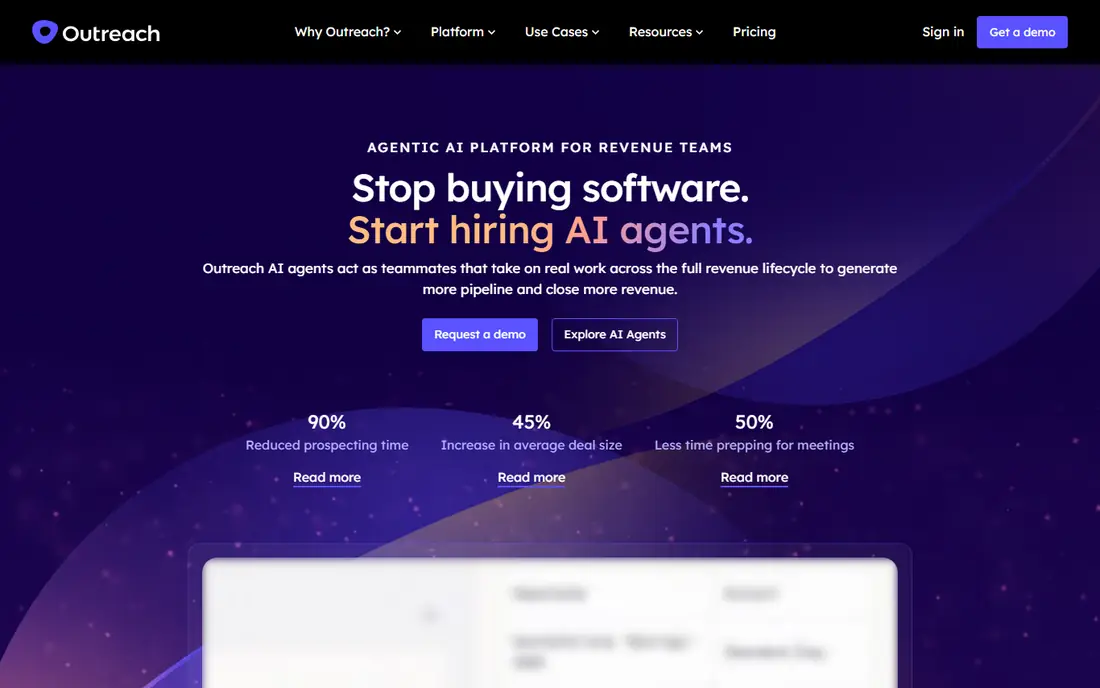
Outreach is the enterprise standard for teams that run large, governed outbound motions across many reps. It offers sequences, a dialer, tasks, AI assistance, and reporting that managers can use to spot broken steps and coach reps. Governance controls, permissions, and CRM sync depth help large teams keep outreach consistent and compliant.
The trade-offs are price and setup. Outreach is quote-based, with published estimates often around $100 to $160 per user per month, plus AI credits and add-ons, so small teams may find it heavy. It also assumes you source contacts elsewhere, so budget for a data tool as well. Choose Outreach when you have twenty or more reps and need control at scale.
- Mature sequencing and governance
- Strong analytics
- AI agents on higher tiers
- Quote-only pricing
- Needs admin time
- Data must come from elsewhere
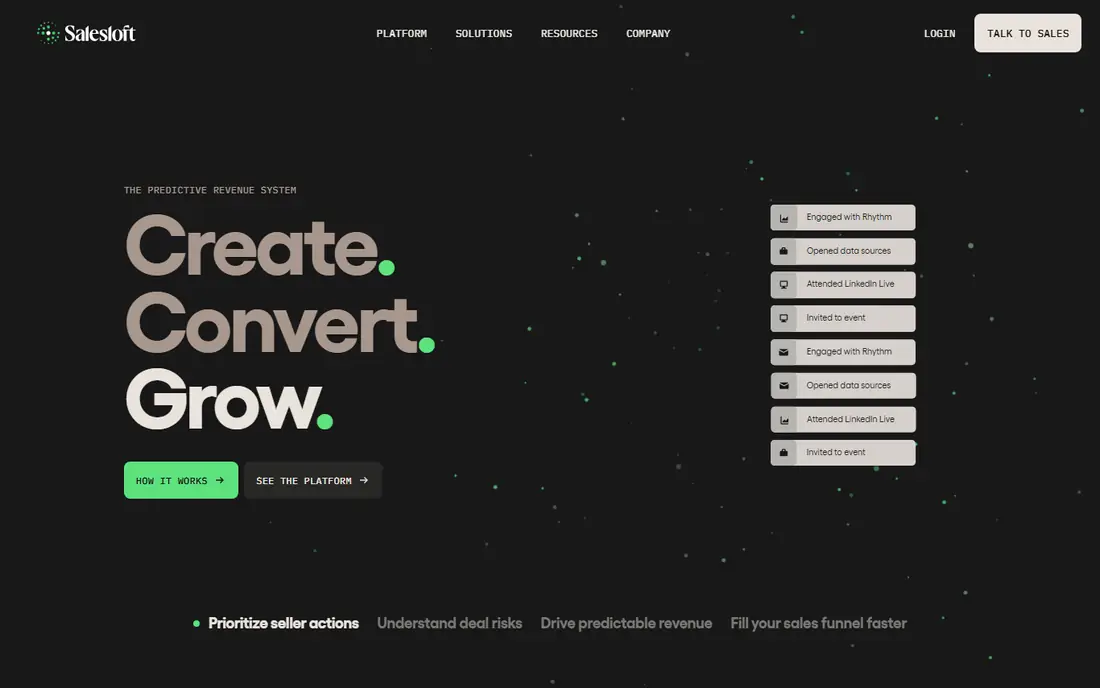
Salesloft pairs multichannel cadences with calling, conversation intelligence, and coaching tools, which helps managers review calls and improve messaging. Its integration with Salesforce and HubSpot is deep, and its forecasting links through Clari appeal to revenue leaders who want pipeline visibility alongside outreach. For mid-market and enterprise teams, that combination is hard to match.
Pricing is quote-based, with published estimates often in the $125 to $165 per user per month range for a full setup, plus add-ons for intelligence and analytics. Setup and admin time are real, since cadence governance, dialer rules, and CRM sync need planning. Choose Salesloft when coaching and forecasting matter as much as sequencing itself.
- Strong cadence and dialer
- Conversation intelligence
- Forecasting links
- Quote-only pricing
- Total cost rises with add-ons
- Needs dedicated admin
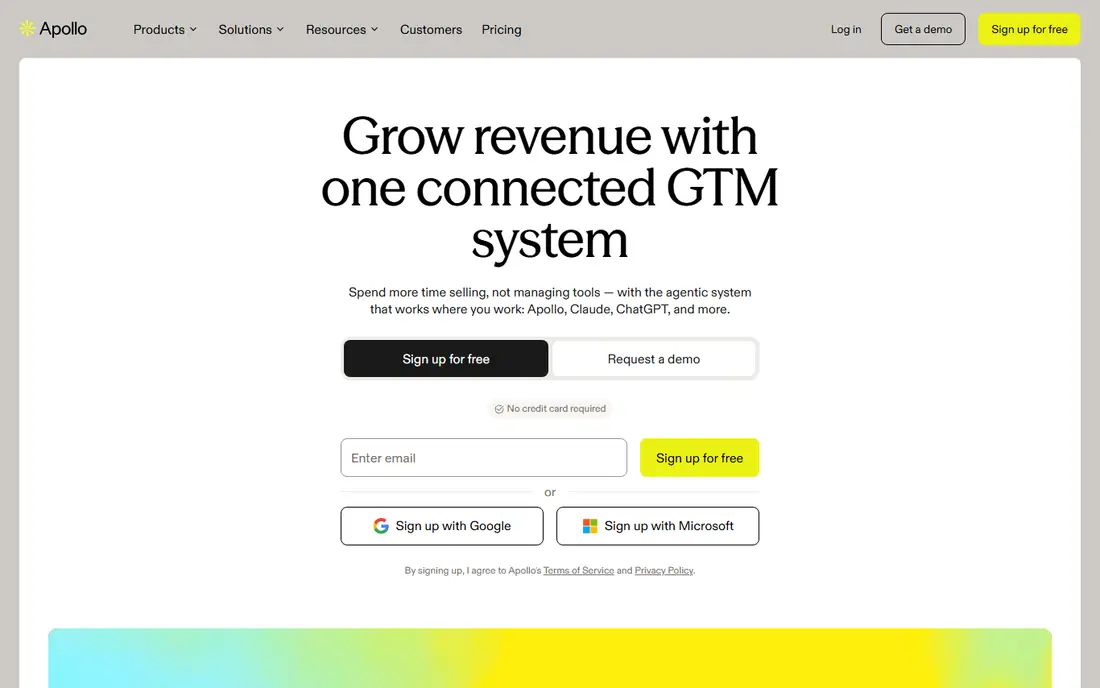
Apollo.io bundles a B2B contact database with sequences, a dialer, tasks, and email outreach, which makes it the best value pick for startups and scaling teams. The free tier lets a small team test data and sequences, while paid plans start at $49 per user per month billed annually in published summaries, with higher tiers adding more credits and features. That bundle cuts the need for a separate data vendor.
The limit is depth. Apollo engagement is strong for standard sequences, but it does not match Outreach or Salesloft on governance, conversation intelligence, or enterprise analytics. Contact data also needs verification, since accuracy varies by industry and region. For a team that needs data and outreach in one affordable tool, Apollo is a strong starting point.
- Large contact database plus sequences
- Free tier
- Affordable paid plans
- Data accuracy varies by segment
- Engagement depth is less than enterprise suites
HubSpot Sales Hub gives HubSpot users sequences, email tracking, calling, tasks, and meeting links without leaving the CRM. The free tier covers a small number of users, and Starter plans start around $20 per seat per month in some summaries, while Professional and Enterprise add automation and reporting at higher prices. Because outreach and CRM share one record, reporting on replies, meetings, and deals is simpler.
The catch is ecosystem lock-in. If you do not use HubSpot CRM, the value drops, and you still need a contact data source for net-new prospecting. Higher tiers also add a base CRM cost on top of per-seat prices. Choose HubSpot Sales Hub when your team already lives in HubSpot and wants engagement without a second system.
- Sequences inside the CRM
- No extra sync needed
- Free tier for small teams
- Best only inside HubSpot
- Higher tiers cost more
- Data must come from elsewhere
Reply.io suits small and mid-size teams that want multichannel sequences without enterprise complexity. You can build email, LinkedIn, call, and SMS steps in one cadence, add AI assistance for writing and replies, and track replies in a shared inbox. Setup is faster than enterprise suites, which helps teams that need to launch a campaign this week.
Pricing has been reported at different levels across guides, from $49 to $59 per user per month on entry tiers, so use the current pricing page for a quote. AI SDR features also need review for reply quality and compliance, since automated replies can harm trust if they miss context. For an SMB team that wants multichannel outreach at a moderate price, Reply.io is a solid option.
- Email, LinkedIn, calls, and SMS in one flow
- AI SDR options
- SMB-friendly setup
- Pricing has varied across guides
- AI features need careful review
Lemlist focuses on personalization at scale, with custom images, videos, and text variables that help cold emails feel less templated. It also offers deliverability tools, email warm-up, and multichannel steps, which help small teams protect sender reputation while testing outreach. The interface is built for marketers and founders who run outreach themselves, not only for large SDR teams.
The limit is enterprise depth. Lemlist does not match Outreach or Salesloft on governance, advanced analytics, or large-team admin controls, and pricing varies by plan, with published summaries often starting around $55 to $79 per user per month. For a team whose main problem is getting replies to cold email, Lemlist is a strong, focused choice.
- Strong personalization
- Deliverability tools
- Good for cold email teams
- Less enterprise governance
- Pricing varies by plan and add-ons
Klenty suits SMB sales teams that need sequences plus calling in one tool, with a Starter plan listed at $50 per month billed annually in recent guides. It covers email, calls, SMS, and LinkedIn steps, and a parallel dialer add-on helps teams that make many calls a day. CRM sync with Salesforce, HubSpot, and Pipedrive keeps outreach tied to pipeline data.
The trade-off is scale and ecosystem. Klenty does not offer the same depth of conversation intelligence or enterprise governance as Salesloft or Outreach, and some advanced features sit on higher tiers. A fourteen-day trial with no card in published terms makes it easy to test. For an SMB team that calls often and wants simple, affordable sequencing, Klenty fits well.
- Parallel dialer add-on
- Email, calls, SMS, and LinkedIn steps
- SMB pricing
- Smaller ecosystem than enterprise suites
- Advanced analytics cost more
Mixmax is built for teams that live in Gmail, adding sequences, email tracking, meeting scheduling, and templates inside the inbox. The free tier covers basic use, while paid Engagement plans start around $49 per user per month billed annually in published summaries. That Gmail-native design means reps do not need to learn a separate inbox, which helps adoption.
The limit is scope. Mixmax is email-first, with LinkedIn, dialer, and SMS features as add-ons or higher-tier options, so a multichannel team may need extra tools. It also suits smaller teams better than large enterprise orgs with complex governance needs. For a Gmail-based startup that wants sequences without leaving email, Mixmax is a practical pick.
- Works inside Gmail
- Sequences, tracking, and scheduling
- Free tier
- Gmail-centric
- LinkedIn and dialer features need add-ons
- Less suited to large teams
How we picked these
We compared official pricing pages, product pages, and recent sales engagement guides, and we kept only platforms that are live in October 2026 and run real sequences across email and at least one other channel. We favored a mix of enterprise, mid-market, and SMB tools, and we marked quote-based pricing as such rather than presenting estimates as list prices. We also checked CRM fit, since a platform that syncs poorly with your CRM will create manual work for reps.
How to run a fair pilot
Pick one segment, one offer, and one clear goal, such as booked meetings per one hundred prospects, then run the same list and message in your top two tools for two weeks. Track deliverability, reply rate, bounce rate, and CRM sync errors, not only opens. Check how long it takes a rep to build a sequence, log a call, and find a reply, since daily friction decides adoption.
Before you scale, confirm compliance basics: accurate sender details, a working opt-out, suppression lists, and call rules for your region. For LinkedIn, respect platform limits on connection requests, and for SMS, get clear consent before you send. A platform that helps you stay compliant is worth more than one with more features but weak controls.
Frequently asked questions
What is the best sales engagement platform?
For enterprise teams, Outreach and Salesloft lead on governance, analytics, and coaching. For startups and SMBs, Apollo leads on value because it bundles data with outreach, while HubSpot leads for HubSpot CRM users. The best platform depends on team size, CRM, and whether you need contact data in the same tool.
What is the best sales engagement software for small teams?
Apollo, HubSpot Sales Hub, Reply.io, and Klenty suit small teams because they offer free tiers or low entry prices and faster setup. Apollo is best if you also need contact data, HubSpot is best inside HubSpot CRM, and Klenty is best if calling is a core channel. Run a two-week pilot before you commit to a yearly plan.
What is the best sales engagement platform software for enterprise teams?
Outreach and Salesloft are the enterprise leaders, with deep CRM sync, governance, conversation intelligence, and analytics. Salesloft adds strong coaching and forecasting links, while Outreach adds strong orchestration and AI agents. Both are quote-based, so get a written quote that includes seats, AI credits, and dialer costs.
How much does sales engagement software cost?
Costs range from free tiers on Apollo, HubSpot, and Mixmax to $50 per month on Klenty Starter, $49 per user per month on Apollo paid plans, and quote-based enterprise pricing often above $100 per user per month. Add data credits, AI credits, dialer minutes, and CRM costs to the seat price for a true total.
Is a sales engagement platform the same as a CRM?
No. A CRM stores contacts, deals, and pipeline history, while a sales engagement platform runs the outreach steps that create pipeline, such as sequences, calls, and tasks. Most teams need both, with the engagement platform syncing results back to the CRM. HubSpot Sales Hub is an exception, since it adds engagement inside the CRM itself.
What is the best sales engagement tool for LinkedIn outreach?
Reply.io, Klenty, and Lemlist all support LinkedIn steps alongside email and calls, which helps multichannel teams. Check current LinkedIn limits, connection request rules, and whether the tool automates actions that LinkedIn restricts. Use LinkedIn steps for research and manual, personal messages where automation limits apply, rather than bulk connection blasts.
Sources
See where you really rank - block by block
ProMapRanker scans Google Maps across a grid of your service area. Simple monthly plans from $19, white-label on every plan.
Start freeKeep reading
 best subscription manager app
Best Subscription Manager App in 2026
Find the best subscription manager app for your budget with our 2026 comparison of 8 apps, covering automatic detection, renewal alerts and free plans.
Read → best stock picking service
Best Stock Picking Service in 2026
Compare the best stock picking service options for 2026, with 8 stock recommendation services for long-term, dividend, quant, growth and income investors.
Read → best software wallet
Best Software Wallet in 2026
Compare the best software wallet options for 2026, with 8 crypto wallets for desktop and mobile, covering self-custody, supported chains, fees and security.
Read →