 ProMapRanker
Best Residential Alarm Companies in 2026

Key takeaways
- Professional monitoring is the main difference between a basic alarm and a system that can call for help when you are away.
- DIY systems from SimpliSafe and Ring usually cost less up front and avoid long contracts, while ADT and Vivint focus on installed systems.
- Check contract length, equipment ownership, moving terms and false alarm rules before you sign anything.
- A system that works with your locks, cameras and voice assistant is easier to use every day than a system you have to manage separately.
Quick comparison
| Pick | Great for | Pricing starts at | Free tier | |
|---|---|---|---|---|
 ADT | Professional monitoring and broad coverage | See website | No | Visit |
 Vivint | Whole-home automation | See website | No | Visit |
 SimpliSafe | No-contract DIY setup | See website | No | Visit |
 Ring Alarm | Alexa homes and low monthly cost | See website | No | Visit |
 Cove | Simple DIY setup | See website | No | Visit |
 Frontpoint | DIY with strong customer support | See website | No | Visit |
 Abode | Flexible monitoring and smart home control | See website | No | Visit |
 Brinks Home Security | Installed systems with a long history | See website | No | Visit |
The best residential alarm companies
We compared installed and DIY alarm companies on monitoring, equipment, contracts and everyday use. The right choice depends on how much help you want with installation and how long you plan to stay in your home.
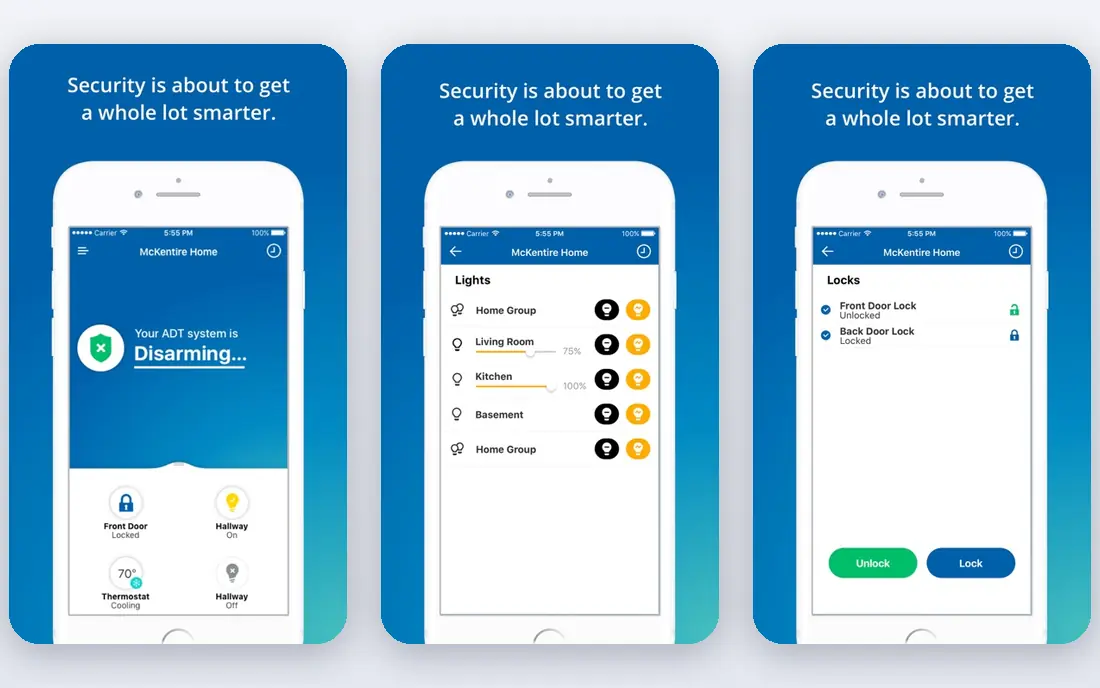
ADT is our pick for households that want a traditional installed system and do not want to manage sensors, wiring and setup themselves. A technician installs the equipment, tests it and shows you how to arm and disarm the system. That help matters in larger homes, where sensor placement and camera angles are harder to get right on a first try.
The catch is cost and commitment. ADT prices vary by package, equipment and location, so you need a quote to compare it fairly with a DIY kit. Ask about contract length, equipment fees, cancellation terms and what happens if you move. If those terms fit, ADT gives you a well known name, round the clock monitoring and a wide range of add on devices.
- Large monitoring network
- Professional installation
- Google Nest integration on many plans
- Pricing is quote based
- Many plans use longer contracts
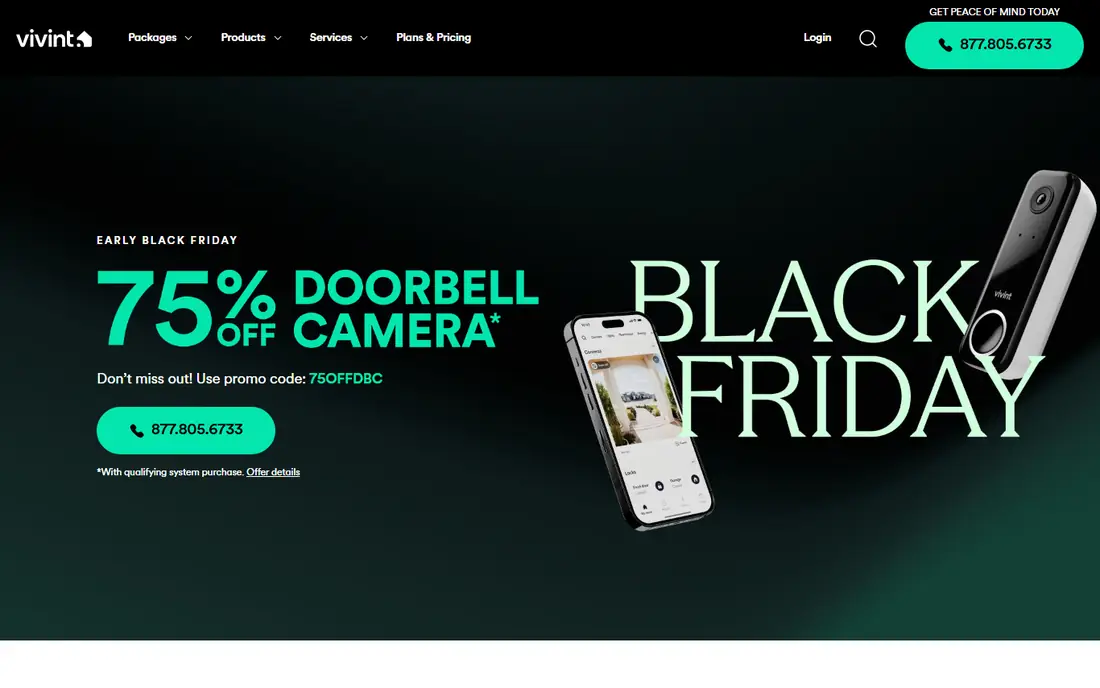
Vivint suits buyers who want security, locks, cameras, lights and thermostats in one app. Its panel acts as a central control point, so you can check doors, view cameras and adjust settings without switching between several apps. Professional installation also helps when you are adding many devices at once.
The trade off is price and commitment. Equipment packages can add up quickly, and Vivint plans often run for several years. Before you sign, get the full monthly cost, the equipment total and the cost of adding a camera or lock later. If you plan to stay put and want one integrated system, Vivint is a strong fit.
- Strong smart home panel
- Professional installation
- Wide camera and lock options
- Higher up front equipment cost
- Longer contract terms on many plans
SimpliSafe is our pick for renters and buyers who want to start small and expand later. You order a kit online, place sensors with adhesive mounts and set up the system in the app. There is no need to drill holes in most cases, and you can move the system when you move home.
Monitoring is optional, which keeps the monthly cost flexible. Lower tiers cover basic intrusion alerts, while higher tiers add features such as live agent response and video verification on some plans. Check which features sit in each tier before you choose, because the cheapest plan does not include everything. For a simple, flexible alarm, SimpliSafe is hard to beat.
- DIY installation
- No long contract required
- Optional professional monitoring
- Some advanced features need a higher tier plan
- Cameras are add on purchases
Ring Alarm fits homes that already use Alexa or Ring doorbells and cameras. The alarm, doorbell and cameras share one app, so you get a single timeline for motion, door activity and alarm events. Starter kits are priced for smaller homes, and you can add sensors as needed.
Self monitoring is possible, but professional monitoring gives you dispatch help when an alarm goes off and you cannot respond. Ring plans are among the lower cost options in this list, which makes it a good choice for budget conscious buyers. The main limit is that the system works best inside the Ring and Alexa world, so check compatibility if you use other smart home platforms.
- Low cost monitoring options
- Wide camera and doorbell range
- Alexa integration
- Best experience needs other Ring devices
- Professional monitoring is an add on plan
Cove is a good choice if you want a straightforward alarm without a long list of smart home extras. Setup is guided in the app, and the company offers help by phone if a sensor will not pair or a panel needs a reset. That focus on simplicity suits first time alarm buyers and smaller homes.
Cove monitoring plans cover intrusion alerts and dispatch, with higher tiers adding more features. Equipment is sold as kits, so compare the kit contents with the rooms you need to cover. If you want a deep smart home system with many device types, a larger rival may fit better. If you want a clear, simple alarm, Cove does the job well.
- Simple setup process
- DIY or professional installation options
- Clear plan tiers
- Smaller device range than larger rivals
- Camera options are more limited
Frontpoint focuses on DIY installation backed by support staff who can walk you through setup. That mix suits buyers who want to save on installation fees but still want a person to call when something is unclear. Cellular backup helps the system stay connected if your home internet drops.
The main point to check is contract length and total equipment cost. Frontpoint kits vary in size, and larger homes need more sensors, which raises the up front total. Ask for the full cost over the contract term, not just the first month. If the terms work for you, Frontpoint gives you a capable DIY system with a helpful support team.
- DIY setup with guided support
- Cellular backup
- Wide sensor range
- Contract terms apply on many plans
- Equipment is bought up front
Abode is the pick for smart home users who want control over how they monitor their home. You can self monitor for no monthly fee on basic use, buy short term professional monitoring when you travel, or choose a full monthly plan. That flexibility is rare, and it suits people whose needs change through the year.
Abode also works with a wide range of smart home devices, including lights, locks and cameras from several brands. That breadth is a plus if you already own smart home gear. The trade off is that you need to plan your setup more carefully, because Abode offers more choices than a simple kit. If you like that control, Abode is a strong option.
- Self monitoring option
- Works with many smart home platforms
- On demand monitoring
- Some features need a paid plan
- Setup takes more planning than a basic kit
Brinks Home Security suits buyers who want an installed system from a brand with a long history in security. Professional installation removes the guesswork, and monitoring plans can include video and smart home controls. That makes it a good fit for larger homes and for buyers who prefer a single provider.
Pricing is quote based, so compare the full package before you commit. Ask about equipment ownership, contract length and fees for moving or cancelling. Brinks is less focused on DIY buyers, so if you want a self installed kit, SimpliSafe, Ring or Cove may fit better. If you want installation handled for you, Brinks deserves a quote.
- Professional installation
- Established security brand
- Monitoring plans with video options
- Quote based pricing
- Contract terms vary by package
How we picked these
We compared official feature pages, monitoring plans, installation options and contract terms for companies that sell residential alarm systems in the United States. We kept only companies that offer a current home alarm system with professional monitoring as an option, and we left out firms that sell only cameras or only business systems. Prices change by package and location, so where a vendor does not publish a single starting price we list See website and advise readers to get a written quote.
What to check before you buy an alarm system
Start with coverage, not gadgets. Walk through your home and list every ground floor door and window, plus any upper floor entry points that are easy to reach. Count those openings before you pick a kit, because a starter kit that covers three doors will not protect a home with eight entry points. Add motion sensors for large open rooms and a sensor for a garage door if you use it daily.
Monitoring, contracts and false alarms
Ask whether monitoring is included, optional or required. Professional monitoring means a centre can contact you and dispatch help when an alarm triggers. Self monitoring means alerts go only to your phone, so you must be able to respond at any hour. Check contract length, monthly cost after any intro period, equipment ownership and what happens if you move or sell your home.
Cameras, locks and everyday use
An alarm is easier to live with when arming it takes seconds. Look for a keypad by the main door, an app that shows system status at a glance and alerts that tell you which sensor triggered. If you want cameras, check storage costs, video quality at night and whether clips need a paid plan. If you use a voice assistant, confirm that the alarm works with it before you buy.
Cost over three years
Compare the full three year cost, not just the first month. Add equipment, installation, monthly monitoring and any camera storage fees. A low monthly plan with high equipment cost can cost more over time than a higher monthly plan with free installation. Get each quote in writing and check for activation fees, service fees and charges for extra sensors.
Frequently asked questions
What is the best residential alarm company?
There is no single best company for every home. ADT and Vivint suit buyers who want professional installation, while SimpliSafe and Ring suit DIY buyers who want lower costs and shorter commitments. Pick based on your home size, budget and how much setup help you want.
Do I need professional monitoring?
Professional monitoring helps when you are away, asleep or unable to answer your phone during an alarm. Self monitoring can work if you are usually nearby and can respond quickly, but it leaves a gap when you travel. Many buyers start with professional monitoring and review it after a year.
How much does a residential alarm system cost?
Costs vary by equipment, installation and monitoring tier. DIY kits often start lower, while installed systems add installation and equipment fees. Monthly monitoring in this market commonly ranges from low cost DIY plans to higher priced installed plans, so get a written quote for your exact package.
Can I take my alarm system with me when I move?
DIY systems are usually easier to move, because sensors use adhesive mounts and the hub is portable. Installed systems may need a technician visit, a new contract or a transfer fee. Ask about moving terms before you sign, especially if you rent or plan to move within a few years.
Will an alarm system lower my home insurance?
Some insurers offer a discount for a monitored alarm system, but terms vary by insurer and policy. Ask your insurer what proof it needs, such as a monitoring certificate, and whether the discount applies to burglary cover, fire cover or both. Do not buy a system only for a discount without checking the amount first.
Sources
- https://www.adt.com
- https://www.vivint.com
- https://www.simplisafe.com
- https://www.ring.com
- https://www.cove.com
- https://www.frontpoint.com
- https://www.goabode.com
- https://www.brinks.com
- https://www.safewise.com/best-home-security-system/lp-3/
- https://www.safehome.org/security-systems/best/?txid=6931e964a624cf52e3659f6e
See where you really rank - block by block
ProMapRanker scans Google Maps across a grid of your service area. Simple monthly plans from $19, white-label on every plan.
Start freeKeep reading
 who has best internet service
Who Has the Best Internet Service in 2026
Who has best internet service for US homes? We compare fiber, cable, fixed wireless and satellite providers on speed, price, availability and terms today.
Read → which survey tool has the best analytics
Which Survey Tool Has the Best Analytics in 2026
Find which survey tool has the best analytics in 2026, comparing Qualtrics, SurveyMonkey, Typeform, Alchemer, and more on reports, text, and stats today.
Read → which streaming service has the best movies
Which Streaming Service Has the Best Movies in 2026
Answering which streaming service has the best movies, with Netflix, Max, Criterion and more compared on libraries, prices and free options in this guide.
Read →