 ProMapRanker
Best Reputation Management Software for Solar Installers in 2026
Direct answer
NiceJob is my top pick for solar installers because it ties review requests to the finished install and the referral moment, which is where solar reviews actually come from. It has no free plan stated, so check its pricing page. If you want a wider local marketing suite, Semrush Local fits; if you mainly need listing accuracy across service areas, Synup is the better match.
I compared these tools from vendor documentation and public sources, not from hands-on tests. Solar is an unusual local business: the sale takes months, the install is one day, and the review often lands after the customer has already told three neighbours. I weighted tools by how well they handle that timing, plus how they cope with multiple service areas and dealer or subcontractor relationships.
Key takeaways
- Solar reviews arrive weeks after the install, so pick software that schedules requests off a job-completion trigger rather than a single blast.
- Installers who work through dealers and subcontractors need review tools that can route requests to the right crew and location.
- Long sales cycles mean you should capture reviews at handover, at permission to operate, and at the first utility bill.
- Google Business Profile compliance matters more than volume, so avoid tools that offer review gating or incentives.
- Pair reputation software with call tracking so you can see which reviews and listings actually produce quote requests.
Quick comparison
| Pick | Great for | Pricing starts at | Free tier | |
|---|---|---|---|---|
 NiceJob | Install-triggered review requests | See website | Not stated | Visit |
 Semrush Local | Reviews plus local rank tracking | See website | Not stated | Visit |
 Synup | Listing accuracy across service areas | See website | Not stated | Visit |
 Grade.us | Agencies managing several installers | See website | Not stated | Visit |
 GatherUp | Simple review requests and monitoring | See website | Not stated | Visit |
 Broadly | Reviews plus customer messaging | See website | Not stated | Visit |
 CallRail | Tracking calls that follow reviews | See website | Not stated | Visit |
The best reputation management software for solar installers compared
NiceJob is built around the idea that a review request should fire when a job closes, not when a marketer remembers. For a solar installer that maps neatly to the day the system is commissioned or the day the customer gets permission to operate. It also handles referral prompts, which suits solar because neighbours ask about panels constantly.
In practice you would connect your job source, set the trigger, and let the request go out by text or email with a direct link to your Google Business Profile. The review funnel page lets you ask a follow-up question before sending the customer to Google, which helps you catch a complaint before it becomes public. That is not review gating as long as every customer can still leave a public review.
The limits show up if you want listing management across ten cities or a full local rank tracker. NiceJob is a review and referral tool, not a local SEO suite, so skip it if that is what you need.
- Job-completion triggers
- review funnel pages
- simple referral prompts
- Best value only if jobs flow through a connected CRM
- limited listing management
Semrush Local puts review monitoring next to map grid rankings and listing management. For a solar company competing in several metro areas, that combination is useful because a review spike and a ranking move often happen together. You can see whether a new five-star review correlates with a better grid position in a suburb.
The review side lets you monitor incoming reviews, respond from one inbox, and track sentiment over time. The local side handles business listings and rank tracking, so you are not paying for two separate subscriptions. If you already run Semrush for keyword research, adding Local keeps your reporting in one place.
The trade-off is weight. Semrush Local is built for agencies and multi-location brands, so a two-person solar installer may find it more than they need. The interface assumes some SEO knowledge.
- Review monitoring alongside map rankings
- listing management
- reporting for clients
- Priced for agencies and multi-location brands
- more setup than a reviews-only tool
Synup is a listings and reputation platform. Solar installers often serve a wide radius with several office or warehouse addresses, and inconsistent name, address and phone data across directories is a common reason a map listing underperforms. Synup fixes that by syncing listings from one dashboard.
On the reputation side it monitors reviews across Google and other platforms and lets you respond in one place. It is less focused on automated review requests tied to a job, so pair it with a request tool if that is your priority. The reporting is location-level, which helps if you run separate profiles per branch.
The main cost is setup time. Getting every location and directory correct takes work, and small installers with one address may not need the complexity.
- Strong listing sync
- review monitoring
- location-level reporting
- Setup effort for many locations
- review requests are not its main strength
Grade.us is aimed at agencies and resellers who manage reviews for several businesses. If you are a solar installer working with a marketing agency, or you run a small agency serving installers, the white-label reports and client dashboards are the draw. Each client gets its own review funnel and monitoring.
For solar specifically, the funnel lets you ask a short question before routing the customer to Google, and the reporting shows review velocity per location. That is handy when you want to prove that a review campaign moved the needle for a client in a competitive metro.
If you are a single installer doing your own marketing, the agency framing is overhead. A simpler tool will do the same job for less setup.
- White-label reporting
- review funnels
- multi-client dashboard
- Built for resellers
- less useful for a single in-house team
GatherUp does the basics well: send review requests by email or text, monitor incoming reviews, and keep customer feedback in one inbox. For a solar installer who wants to start collecting reviews without a big platform, it is a reasonable first step.
The workflow is campaign-based rather than job-triggered, so you would import customer lists after each install batch. That is fine if you close jobs in groups, but it adds manual work if you want a request the day the system goes live. The feedback inbox is useful for catching a complaint about a roof penetration before it becomes a one-star review.
It does not manage listings or track map rankings, so treat it as one piece of a local SEO stack rather than the whole thing.
- Straightforward request campaigns
- review monitoring
- feedback inbox
- Fewer job-trigger integrations
- limited local SEO features
Broadly combines review requests with customer messaging, web chat and a shared inbox. Solar customers ask a lot of questions before and after install, and having those conversations in the same place as review requests keeps the follow-up tidy.
The review side sends requests by text and email and monitors responses. Because solar sales are long, the messaging layer is genuinely useful: you can answer a question about monitoring, then trigger a review request once the system is running. That continuity is the reason it appears on this list.
Pricing is quote-based, so you need to talk to sales before you know the cost. If you only want review monitoring and nothing else, a narrower tool is a better fit.
- Review requests by text
- web chat and messaging
- inbox for customer conversations
- Quote-based pricing
- less suited to pure review monitoring
CallRail is call tracking and lead attribution, not reputation management. I include it because solar leads often start with a phone call after someone reads a review, and without tracking you cannot tell which review or listing produced the quote request. CallRail assigns tracking numbers to your campaigns and records where calls came from.
For reputation work, the value is proof. If you run a review campaign in one suburb, CallRail shows whether calls from that area rose. It also records calls so you can check how staff handle a customer who mentions a bad review. That feedback loop is hard to get from review software alone.
The limit is obvious: CallRail will not request or monitor reviews. You need to pair it with one of the tools above, and the extra subscription only makes sense once you are spending on marketing.
- Call tracking and attribution
- form tracking
- conversation intelligence
- Not a review request tool
- needs pairing with review software
How I chose
I started from vendor documentation and public sources: feature pages, help centres, integration lists and published guides. I did not run hands-on tests, so everything here reflects what the vendors say their products do and how that maps to how solar installers actually work. Where a vendor does not publish a price, I say so rather than guess.
The main filter was workflow fit. Solar reviews come after a long sales cycle and a single install day, so I favoured tools that can trigger a request from a job event, handle several service areas, and keep responses in one inbox. I also checked whether each tool follows Google's review policies, because review gating and incentives put a Business Profile at risk. Tools that only monitor reviews, or only track calls, are included where they fill a real gap, with that limit stated.
What to check before you buy
- Confirm the tool can trigger a review request from a job-completion event in your CRM, not just a manual list import.
- Check how it handles multiple locations, since solar installers often serve several metros from one office.
- Ask whether review responses can be drafted and approved by more than one person, because installers and office staff both deal with customers.
- Verify the tool does not offer review gating or incentives, which breach Google's review policies.
- Check that listing management covers the directories that matter in your region, not just the big national ones.
- Confirm call tracking or form tracking is available if you want to connect reviews to quote requests.
Frequently asked questions
What is the best reputation management software for solar installers?
NiceJob is my top pick because it ties review requests to job completion, which matches the moment a solar install finishes. Semrush Local suits installers who also want map rank tracking, and Synup suits companies with several offices. The right choice depends on whether you need review requests, listing accuracy, or both.
When should a solar installer ask for a review?
Ask at two points: at handover when the system is commissioned, and again after the first full utility bill when the customer can see the savings. The first request catches the excitement of a finished install; the second catches the proof. Space them out and never ask more than twice for the same job.
Can I offer a discount for a Google review?
No. Google's policies prohibit incentivising reviews, and that includes discounts, gift cards and entries into a prize draw. You can ask every customer for an honest review and you can make it easy with a direct link, but you cannot pay for it or filter out unhappy customers before they reach Google.
How do I get reviews when I install through subcontractors?
Set the expectation in the subcontractor agreement that the customer relationship stays with you, and send the review request from your own system after the crew marks the job complete. If the subcontracted crew has its own Google profile, keep the two separate so reviews land on the profile customers actually search for.
Do I need call tracking if I already have review software?
Only if you want to know which reviews and listings produce quote requests. Review software shows what customers said; call tracking shows what happened next. If you are spending money on marketing across several suburbs, the combination is worth it. If you are a small installer with one area, start with reviews and add tracking later.
Sources
See where you really rank - block by block
ProMapRanker scans Google Maps across a grid of your service area. Simple monthly plans from $19, white-label on every plan.
Start freeBrowse all guides
← Best Reputation Management Software for Roofers in 2026Best Review Management Software for Coffee Shops in 2026 →
 best reputation management software for pest control companies
Best Reputation Management Software for Pest Control in 2026
A practical guide to the best reputation management software for pest control companies in 2026, compared from vendor documentation and public sources.
Read → best reputation management software for interior designers
Best Reputation Management Software for Interior Designers in 2026
A practical guide to the best reputation management software for interior designers in 2026, compared from vendor documentation and public sources.
Read → best reputation management software for franchises
Best Reputation Management Software for Franchises in 2026
A franchise-focused guide to reputation management software in 2026, comparing review, listing and local page tools from vendor documentation and public sources.
Read →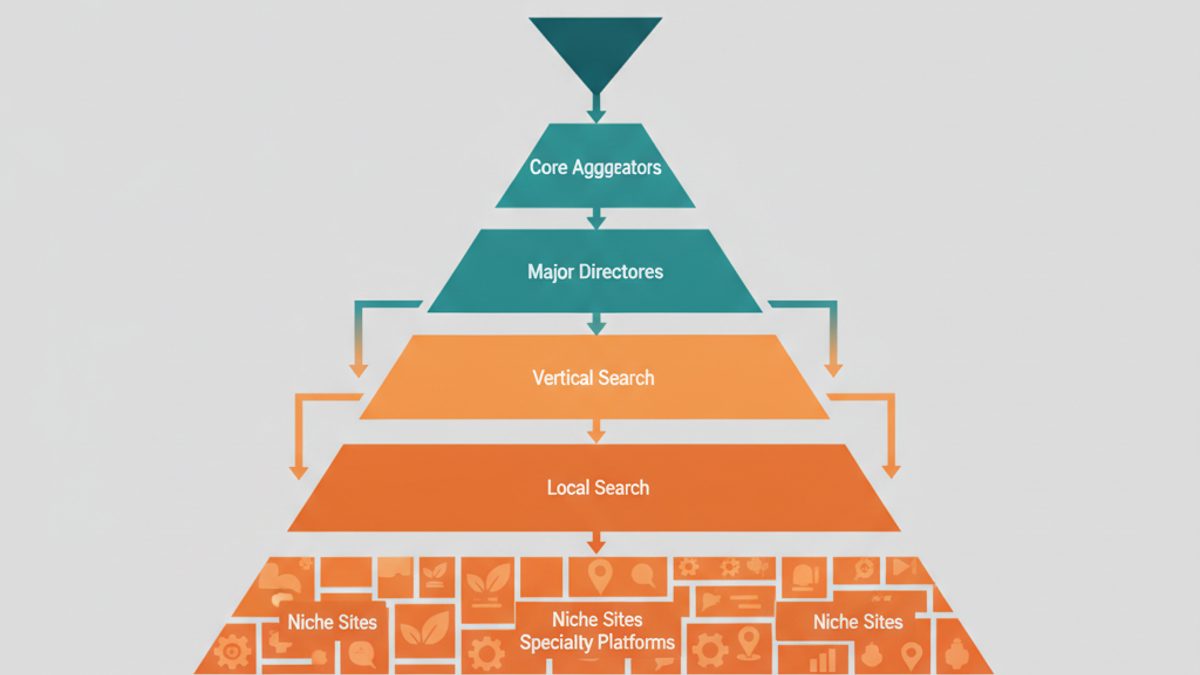 top local citation sites
Top Local Citation Sites Every Business Should Be On
The top local citation sites and data aggregators that feed the local ecosystem, with priorities.
Read → google maps rank tracker
Google Maps Rank Tracker: Track Your Map Pack Position Over Time
Track your Google Maps rankings over time with geo-grid scans and trend history. Here is how to do it right.
Read → best ai rank tracker software
Best AI Rank Tracker Software in 2026
Compare the best AI rank tracker software for tracking brand positions in AI answers daily, with pricing, engines, and reporting compared for teams today.
Read →More in Local SEO & Google Maps · All guides A to Z by date · Latest guides