 ProMapRanker
Best Rank Tracking Software in 2026

Free first-party ranking data · Pricing starts at: Free
Key takeaways
- Google Search Console is the free baseline every site owner should use, since it shows first-party Google data.
- Semrush and Ahrefs suit teams that want rank tracking inside a full SEO suite, not a standalone tracker.
- SE Ranking and AccuRanker suit dedicated rank tracking, with daily updates and strong reporting.
- Nightwatch and Wincher suit local and budget tracking, with simpler setups than the big suites.
- Keyword limits and update frequency decide value more than headline price, so count your keywords first.
Quick comparison
| Pick | Great for | Pricing starts at | Free tier | |
|---|---|---|---|---|
| Google Search Console | Free first-party ranking data | Free | Yes | Visit |
 Semrush | All-in-one SEO suite tracking | $139 per month | Free trial | Visit |
 Ahrefs | SEO suite with rank tracking | $29 per month | Yes | Visit |
 SE Ranking | Affordable daily tracking | $129 per month | Free trial | Visit |
 AccuRanker | Fast dedicated tracking | $224 per month | No | Visit |
 Nightwatch | Local and agency tracking | See website | Free trial | Visit |
 Wincher | Simple budget tracking | See website | Free trial | Visit |
 Moz Pro | Beginner-friendly SEO tracking | See website | Free trial | Visit |
The best rank tracking software
These tools cover free first-party data, full SEO suites, and dedicated trackers. Note that we do not list our own product here, since this guide compares independent tools readers can evaluate on their own terms.
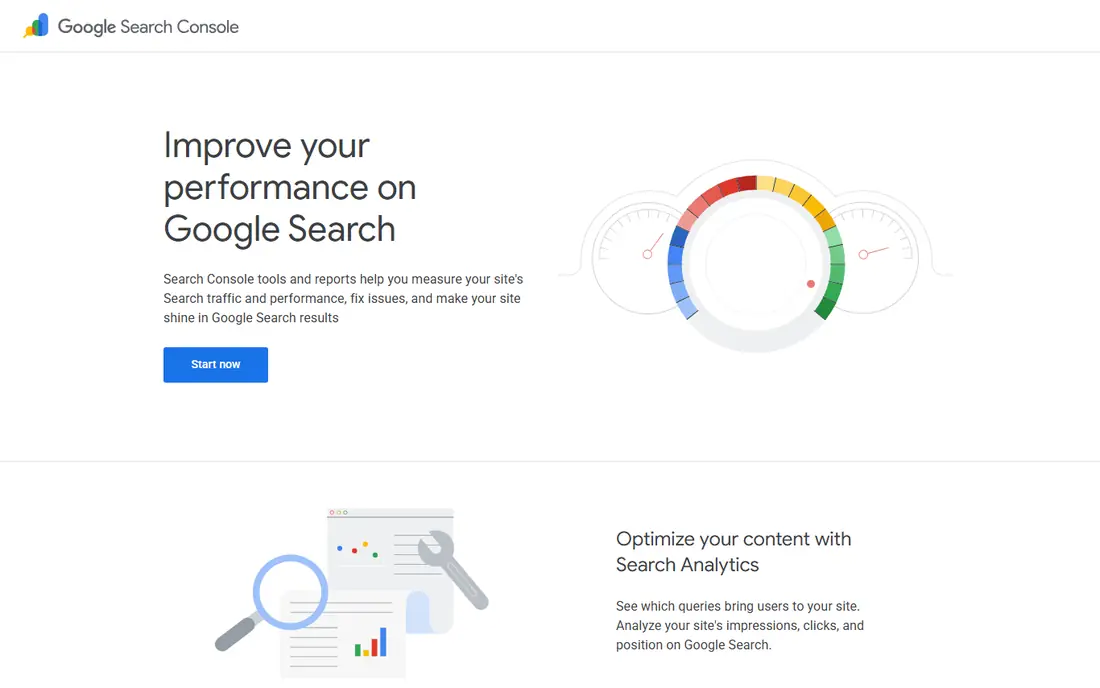
Google Search Console is the baseline every other tool should be checked against. It shows the queries that bring people to your site, clicks, impressions, and average position, straight from Google, at no cost. It also flags indexing and technical issues that paid trackers do not cover in the same way.
The limits are clear. You can only see your own verified sites, not competitors, and the reporting suits analysis more than daily rank alerts. Every site owner should still use it, and pair it with a paid tracker when competitor tracking, local grids, or client reporting become important.
- Direct Google data on queries, clicks, and average position
- Free for your own sites
- Useful for indexing and technical checks
- Only shows your own sites, not competitors
- Data has a lag and no daily rank history in the same form as paid tools
Semrush suits teams that want rank tracking as one part of a larger SEO workflow. Position tracking updates daily, covers desktop and mobile, and sits next to keyword research, site audits, backlink data, and competitor analysis. That breadth means one subscription can replace several smaller tools for a growth team or agency.
The cost is the catch. At $139 per month for the SEO plan, Semrush is expensive if rank tracking is your only job, and the entry keyword allowance is modest for a large site. If you will use the wider toolkit, it is good value. If you will not, a dedicated tracker gives more keywords for less money.
- Daily rank tracking inside a full SEO toolkit
- Competitor tracking and SERP features
- Strong reporting and site audits
- Price is high if you only need rank tracking
- Keyword limits on the entry plan need care
Ahrefs is known for backlinks, but its rank tracker is a solid part of the suite, with rank history, SERP features, and competitor comparisons. The $29 Starter plan gives small sites an affordable entry point, though it covers fewer tracked keywords than higher plans. For an SEO team that already uses Ahrefs for research, keeping tracking in the same tool saves time.
The main watch-out is update frequency. Lower plans update weekly, which suits a monthly reporting rhythm but not a team that wants daily alerts after a site change. Check whether your plan includes daily updates or needs an add-on before assuming it does, and compare keyword allowances with SE Ranking if daily tracking is a must.
- Strong backlink and keyword data alongside tracking
- Clean rank history
- Starter plan for small sites
- Rank updates are weekly on lower plans unless you add daily tracking
- Higher plans rise steeply in price
SE Ranking is a strong value pick for dedicated daily tracking. The entry plan covers a large number of keywords with daily updates, and the platform adds site audits, keyword research, and competitor checks in 2026. White-label reporting makes it popular with agencies that need client-ready reports without building them by hand.
Beginners may find the interface busy at first, since the toolkit covers a lot of ground. For a single small site with few keywords, a cheaper tracker such as Wincher may be enough. For an agency or a growing site that tracks many keywords daily, SE Ranking offers one of the best balances of price and capacity here.
- Daily tracking with a large keyword allowance on the entry plan
- White-label reporting for agencies
- Full SEO toolkit included
- Interface can feel busy for beginners
- Entry price is still high for a single small site
AccuRanker is built for teams that treat rank data as a core daily input. Updates are fast and can be run on demand, users are unlimited on paid plans, and exports and integrations make it easy to feed rank data into dashboards and client reports. Agencies that report to many clients value that speed and flexibility.
The price reflects that focus. At $224 per month for the entry professional plan, AccuRanker costs more than a general SEO suite entry plan, and there is no free plan. If your team checks rankings daily and reports on them for clients, the speed and capacity justify it. If you check weekly, a cheaper tool will do.
- Fast on-demand rank updates
- Unlimited users on paid plans
- Strong data exports and integrations
- Highest starting price here
- No free plan, though a refund policy applies on some terms
Nightwatch suits agencies and local businesses that track rankings across many locations. It supports local tracking, desktop and mobile, and on-demand updates, plus AI search tracking for teams watching how AI answers treat their brand. Reporting is clean enough to share with clients without heavy editing.
The entry allowance is smaller than SE Ranking, so a team tracking thousands of keywords should compare totals carefully. Pricing in euros on some plans also means the dollar cost moves with exchange rates, so check the checkout total. For local and agency work at moderate scale, Nightwatch is a polished and focused choice.
- Daily tracking with local and multi-location support
- AI search tracking options
- Clean reporting for agencies
- Pricing is in euros on some plans, so check the dollar total
- Smaller keyword allowance than SE Ranking at entry
Wincher is the tool to pick when you want daily rank tracking without a full SEO suite. Setup is quick, the interface is simple, and daily updates cover the core job of watching positions move. Freelancers and small site owners who do not need audits, backlink analysis, or large agency reporting will find it easy to live with.
The trade is breadth and scale. Wincher does not replace a full suite, and its entry keyword allowance suits a small site better than a large agency portfolio. If your needs grow, you can move to SE Ranking or AccuRanker later. For a straightforward start, Wincher keeps cost and complexity low.
- Simple setup and daily tracking
- Low learning curve
- Good for small sites and freelancers
- Fewer advanced SEO tools than a full suite
- Keyword allowance is modest on the entry plan
Moz Pro suits new SEO teams that want rank tracking inside a guided, beginner-friendly suite. The interface is clear, learning resources explain what each metric means, and rank tracking sits next to keyword research, site audits, and link data. That guidance helps a team that is still learning SEO make sense of rank movements.
Dedicated trackers offer more keywords and faster updates for the same kind of money at agency scale, so a large agency should compare Moz Pro with SE Ranking and AccuRanker on capacity. For a small team that values clarity and education alongside tracking, Moz Pro is a comfortable and capable choice.
- Friendly interface and learning resources
- Rank tracking with keyword research and audits
- Trusted metrics for domain strength
- Pricing varies by plan and is best checked on the vendor site
- Tracking depth trails dedicated trackers for agencies
How we picked these
We compared official feature and pricing pages, plus public reviews, for tools that track keyword rankings on search engines. We kept only tools that exist and work in October 2026 and that truly track rankings, not just estimate traffic. Where pricing could not be verified on the vendor site at the time of writing, we wrote See website. We did not claim hands-on testing we did not do, and we did not list our own product in this comparison.
How to choose the right rank tracker
Start with three numbers: how many keywords you track, how many locations you track them in, and how often you need updates. A local business tracking 100 keywords in three cities uses 600 keyword slots on a tool that counts each location separately, so a plan that looks generous can fill fast. Daily updates matter after a site migration or a Google update, but weekly updates are fine for a steady site with monthly reporting.
Check accuracy, not just price
Rank data varies by location, device, and personalization, so two tools can show different positions for the same keyword on the same day. Compare a tracker against Google Search Console for your own site, and check how it handles local grids, mobile versus desktop, and SERP features. A cheap tracker with noisy data can lead to poor decisions, while a slightly pricier tool with stable data saves time spent double-checking numbers.
Match reporting to who reads it
An agency needs white-label reports, scheduled delivery, and client dashboards. A solo site owner needs a simple trend chart and an alert when a key keyword drops. Check whether reports can be scheduled, branded, and exported before you commit, and test the alert system with a real drop in a trial. Good reporting turns rank data into action, while a raw export often sits unread.
Frequently asked questions
What is the best rank tracking tool for a small business?
Google Search Console is free and should be your baseline, paired with Wincher or Ahrefs Starter for competitor and daily tracking if you need it. A small business tracking under a few hundred keywords does not need an agency-grade tracker, and a simple tool keeps cost and setup low.
How often should rank tracking update?
Daily updates suit agencies, sites in competitive niches, and sites recovering from a change or a Google update. Weekly updates suit stable sites with monthly reporting, since daily noise can distract from longer trends. Pick daily if you act on rank changes quickly, and weekly if you review rankings once a month.
Is Google Search Console enough for rank tracking?
For your own site, it is a strong free start, with first-party data on queries, clicks, and average position. It does not track competitors, local grids, or daily rank history in the same way as paid tools. Most growing sites pair it with a paid tracker for competitor and local coverage.
Which rank tracking tool is best for local SEO?
Nightwatch is a strong local pick here, thanks to multi-location tracking and agency reporting. SE Ranking and AccuRanker also support local tracking well at larger scale. For a single-location business, Wincher or a local-focused tracker may be enough, and Google Business Profile insights add useful local context.
How many keywords can I track on an entry plan?
It varies a lot. Ahrefs Starter covers a small set for a small site, Semrush entry covers 500, SE Ranking entry covers 2,000, and AccuRanker entry covers 2,000. Remember that tracking the same keyword in several locations or on mobile and desktop can multiply the count, so total your locations and devices before choosing a plan.
Sources
See where you really rank - block by block
ProMapRanker scans Google Maps across a grid of your service area. Simple monthly plans from $19, white-label on every plan.
Start freeKeep reading
 best platform for ecommerce website
Best Platform for Ecommerce Website in 2026
Find the best platform for ecommerce website builds in 2026. We compare Shopify, WooCommerce, BigCommerce, Wix and more on price, fees and scale for stores.
Read → best math apps
Best Math Apps in 2026: 8 Apps Compared
Find the best math apps for homework, revision, and deeper study in our 2026 comparison of 8 free and paid solvers, courses, and visual tools for students.
Read → best live sports streaming services
Best Live Sports Streaming Services in 2026
Best live sports streaming services compared for NFL, soccer, boxing and more, with monthly prices, channels, DVR and free trials to help you choose well.
Read →