 ProMapRanker
Best Pill Reminder App in 2026


Complex schedules and caregiver alerts · Pricing starts at: See website
Key takeaways
- Medisafe and MyTherapy suit most people, because they combine clear reminders with a log that can be shown to a clinician or pharmacist.
- Dosecast is the strongest choice for unusual schedules, such as doses every few hours or on alternating days.
- Apple Health and Samsung Health are solid free starting points if you already use that phone system and need only basic reminders.
- No app in this list diagnoses a condition or replaces medical advice, and interaction warnings should never replace a pharmacist check.
Quick comparison
| Pick | Great for | Pricing starts at | Free tier | |
|---|---|---|---|---|
| Medisafe | Complex schedules and caregiver alerts | See website | Yes | Visit |
 MyTherapy | Reminders plus a health diary | Free | Yes | Visit |
 Dosecast | Flexible and unusual schedules | See website | Yes | Visit |
 CareClinic | Detailed tracking and reports | See website | Yes | Visit |
 EveryDose | Caregiver sharing and simple reminders | See website | Yes | Visit |
 Bearable | Medication plus symptom tracking | See website | Yes | Visit |
 Apple Health | iPhone users who want a built-in option | Free | Yes | Visit |
 Samsung Health | Samsung phone users who want a built-in option | Free | Yes | Visit |
The best pill reminder apps
A good pill reminder does more than ring at the right time. It should make it easy to log a dose, spot a missed dose, plan a refill and share an accurate list with a clinician. The apps below cover that range, from simple built-in tools to fuller medication managers.
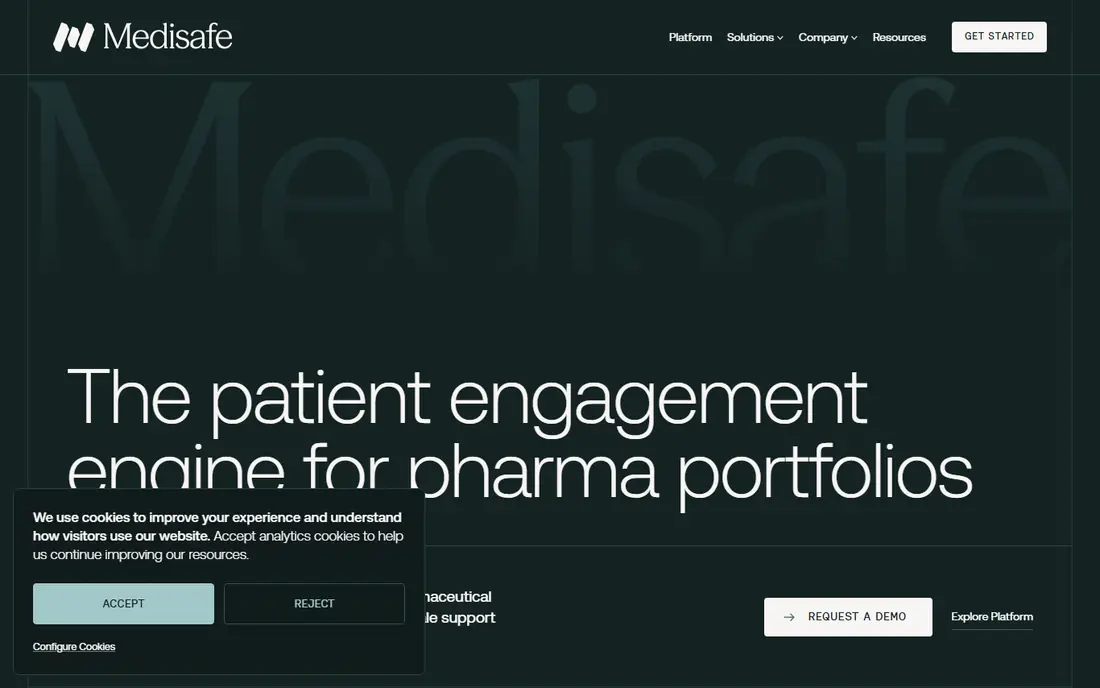
Medisafe is built for people who take several medications at different times, and it is the app we would try first for a complex routine. You add each medication, dose and time, and the app sends reminders, asks you to confirm each dose and can alert a chosen family member or friend if a dose is missed. That caregiver alert, called Medfriend, is genuinely useful for someone who supports an older relative from a distance.
The catch is cost and limits. The free version covers basic reminders, but some features and higher medication counts need a paid plan, so check the current free limits before moving a long medication list into the app. Interaction warnings are helpful as a prompt to ask a pharmacist, but they are not a substitute for professional advice. Used with that limit in mind, Medisafe is the most complete reminder app on this list.
- Medfriend alerts for missed doses
- Refill reminders
- Interaction warnings
- Full features sit behind a paid plan
- Free tier has limits on medication count
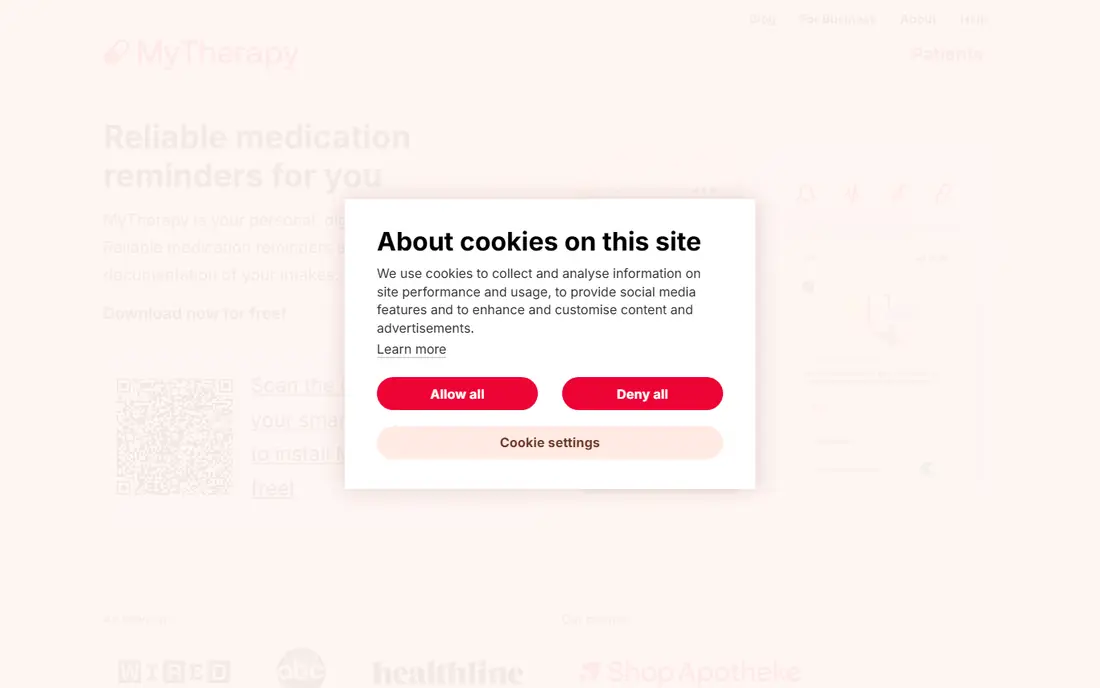
MyTherapy pairs medication reminders with a health diary, so you can log symptoms, measurements and appointments alongside each dose. That combination helps at a medical review, because you can show a clinician a simple report that links doses to how you felt over time. Refill reminders and a monthly summary make it easier to plan a pharmacy visit before a supply runs out.
The trade-off is simplicity. MyTherapy does more than a basic alarm app, and the extra tracking screens can feel busy if you only want a reminder and a tick box. For someone managing a long-term condition, that extra detail is a benefit rather than a burden. For someone who takes one daily tablet, a simpler built-in app may be enough.
- Free core features
- Symptom and measurement diary
- Printable reports
- Interface can feel busy
- Reminder options are less forceful than some rivals
Dosecast stands out for schedules that do not fit a simple daily pattern. It handles doses every few hours, doses on alternating days and other interval patterns that many reminder apps handle poorly. You can postpone a dose, track quantities left and set refill alerts, which matters for medications that need careful timing rather than a rough daily habit.
The design is plain, and it lacks the polished caregiver system found in Medisafe. That is a fair trade for people whose main problem is schedule flexibility, not family sharing. If your routine includes a dose every eight hours, a weekly dose or a tapering schedule, test Dosecast first, because a prettier app that cannot model your schedule will fail in daily use.
- Interval and alternating schedules
- Dose postponing
- Refill tracking
- Design feels plain
- Caregiver features are less developed than Medisafe
CareClinic is a broader health tracker that includes pill reminders alongside symptom logs, measurements, mood notes and appointment tracking. That breadth suits someone who wants one record for a whole care plan, rather than a separate app for each part. Reports can be shared with a care team, which helps when several people support the same person.
New users should expect a learning curve. The number of tracking options can feel like a lot on the first day, and it is best to start with reminders only, then add symptom or measurement tracking one item at a time. If you only need a simple alarm, CareClinic is more than you need. If you want a fuller health record, it is one of the strongest options here.
- Medication, symptom and measurement tracking
- Care team sharing
- Reports
- Many features can overwhelm a new user
- Some tools need a paid plan
EveryDose focuses on clear reminders and sharing a dose history with family or caregivers. Setup is straightforward: add medications, set times, and invite a trusted person to see whether doses were taken. That simplicity makes it a good choice for families who want visibility without a full health diary or a complex dashboard.
The limit is depth. EveryDose does not offer the same symptom and measurement tracking as MyTherapy or CareClinic, so it suits people whose main need is reliable reminders and shared accountability. If a caregiver is the main reason for choosing an app, EveryDose deserves a close look alongside Medisafe, because its sharing model is easy to explain to a non-technical family member.
- Care circle sharing
- Clear dose history
- Simple setup
- Fewer health diary tools than MyTherapy
- Some features need a paid plan
Bearable is best known as a symptom and mood tracker, and its medication reminders sit inside that wider system. That design helps answer a question that a simple alarm cannot: did a change in medication line up with a change in symptoms, sleep or energy? Charts make those patterns visible over weeks, which can be useful to discuss with a clinician.
The reminder side is less specialized than Medisafe or Dosecast, so someone with a very complex schedule may prefer a dedicated reminder app. Bearable works best for people managing more than one health issue, where the link between medication and daily life matters as much as the alarm itself. Keep notes factual and simple, and bring the charts to appointments rather than relying on memory.
- Links medications to symptoms and mood
- Clear charts
- Flexible tracking
- Reminder features are part of a wider app
- Paid plan needed for full history
Apple Health includes a Medications section on iPhone and iPad that sends dose reminders, logs taken or skipped doses and can show a medication list. Because it is built in, there is no extra app to install, no separate account to manage and no subscription for basic reminders. Follow-up reminders and critical alerts help when an ordinary notification is easy to miss.
The limits are platform and sharing. Apple Health works only within the Apple system, and it does not offer the same caregiver escalation as Medisafe. For an iPhone user who takes a small number of medications and wants a private, no-cost starting point, it is an excellent first choice. If caregiver alerts become important later, you can move the same medication list into a dedicated app.
- Free and built into iOS
- Critical alerts option
- Dose logging on Apple Watch
- IPhone and iPad only
- Caregiver sharing is limited
Samsung Health offers medication reminders on Samsung phones, alongside activity, sleep and other health data. Like Apple Health, its main advantage is that it is already on the phone, free to use and simple to set up. A user can add medications, set reminder times and log doses without installing a new app or learning a new system.
The trade-off is similar: caregiver escalation and advanced interaction checks are weaker than in dedicated medication apps. Samsung Health suits Android users who want a basic, reliable reminder and already use the app for other health data. For complex schedules, caregiver support or detailed reports, pair it with, or replace it by, one of the dedicated apps above.
- Free and built into Samsung phones
- Medication reminders
- Health data in one place
- Android and Samsung focus
- Caregiver features are limited
How we picked these
We compared official product pages and app store listings for reminder apps that are live in October 2026, and we kept only apps that handle real medication schedules, log taken doses and work on current phones. We favored apps with refill reminders, a clear dose history and honest free limits, and we noted where a free tier is limited or where a paid plan is needed for full features. Prices that we could not verify on a vendor page are shown as See website, and no app here is presented as medical advice.
How to choose the right pill reminder app
Start with your schedule, not with extra features. Count your medications, note how often each one is taken and check whether any dose falls outside a simple daily pattern. A simple daily routine works well in Apple Health, Samsung Health or MyTherapy. A complex routine with several times a day, alternating days or caregiver oversight points toward Medisafe, Dosecast or EveryDose.
Test the alarm in real life for three days before you trust it. Set the reminder, check whether the sound and vibration are strong enough, and confirm that a missed dose is easy to see later. A reminder that is easy to dismiss without logging the dose will fail quietly, which is worse than a plain alarm that you notice. Also check backup options, such as a second reminder, a widget on the home screen or a caregiver alert, for medications where a missed dose matters.
Keep the medication list accurate and private. Enter exact names and doses as shown on the pharmacy label, review the list after any change, and be careful about sharing health data with family members or third parties. Read the privacy policy before you add sensitive conditions, and use a phone lock and app lock where available. If an interaction warning appears, treat it as a prompt to call a pharmacist or clinician, not as a final answer.
Frequently asked questions
What is the best pill reminder app?
Medisafe is the strongest all-round choice for complex schedules and caregiver alerts, while MyTherapy is the strongest free option for reminders plus a health diary. Apple Health or Samsung Health suit people who want a simple built-in reminder on their own phone. The right pick depends on how many medications you take and whether a caregiver needs to see missed doses.
What are the best pill reminder apps for older adults?
Apps with large text, simple setup and caregiver alerts work best for older adults. Medisafe and EveryDose offer missed-dose alerts to a family member, which helps when a relative lives far away. A built-in option such as Apple Health or Samsung Health can also work well if the phone is already familiar and the schedule is simple.
Do pill reminder apps replace medical advice?
No, these apps provide general information and reminders only. No app here diagnoses a condition, decides a dose or replaces a clinician or pharmacist. Always follow the pharmacy label and professional advice, and ask a pharmacist about interactions, missed doses or side effects rather than relying on an app warning alone.
Can a pill reminder app track refills?
Yes, most apps on this list include refill reminders or quantity tracking. Medisafe, MyTherapy and Dosecast all help you see when a supply is running low. Set the refill reminder a few days early, so a pharmacy delay does not leave you without medication.
Are free pill reminder apps enough?
Free versions are often enough for a simple routine with a small number of medications. Check the free limits first, because some apps limit the number of medications or lock caregiver alerts behind a paid plan. If the free tier covers your schedule and gives a clear dose history, there is no need to pay for extra features you will not use.
Sources
See where you really rank - block by block
ProMapRanker scans Google Maps across a grid of your service area. Simple monthly plans from $19, white-label on every plan.
Start freeKeep reading
 who has best internet service
Who Has the Best Internet Service in 2026
Who has best internet service for US homes? We compare fiber, cable, fixed wireless and satellite providers on speed, price, availability and terms today.
Read → which survey tool has the best analytics
Which Survey Tool Has the Best Analytics in 2026
Find which survey tool has the best analytics in 2026, comparing Qualtrics, SurveyMonkey, Typeform, Alchemer, and more on reports, text, and stats today.
Read → which streaming service has the best movies
Which Streaming Service Has the Best Movies in 2026
Answering which streaming service has the best movies, with Netflix, Max, Criterion and more compared on libraries, prices and free options in this guide.
Read →