 ProMapRanker
Best Personalization Software in 2026

Key takeaways
- Enterprise tools such as Adobe Target, Dynamic Yield and Optimizely suit large sites with high traffic and testing programmes.
- Bloomreach, Insider and Salesforce Personalization cover search, content and cross-channel journeys in one system.
- VWO and Kameleoon give mid-market teams published pricing and a clearer entry point than quote-only rivals.
- Personalization only works with clean data and consent, so check privacy controls before you buy.
Quick comparison
| Pick | Great for | Pricing starts at | Free tier | |
|---|---|---|---|---|
 Dynamic Yield | Ecommerce recommendations | See website | No | Visit |
 Optimizely | Experimentation-led personalization | See website | Free trial | Visit |
 Adobe Target | Enterprise Adobe sites | See website | No | Visit |
 Bloomreach | Ecommerce search and content | See website | Free trial | Visit |
 Insider | Cross-channel journeys | See website | No | Visit |
 VWO | Mid-market testing and targeting | Free | Yes | Visit |
 Kameleoon | AI-assisted experimentation | $495 per month | Free trial | Visit |
 Nosto | Ecommerce product discovery | See website | Free trial | Visit |
 Salesforce Personalization | Salesforce marketing teams | See website | Free trial | Visit |
The best personalization software
We compared official feature pages, pricing pages and public documentation for tools that change what a visitor sees based on behaviour, segments and context.
Dynamic Yield, now part of Mastercard, is built around recommendations and tailored experiences for online stores. It can change product suggestions, banners and content based on browsing, purchase history and segments, and it extends the same logic to email and apps. Retail teams with large catalogues get the most from it.
The drawback is access. Pricing is custom and aimed at mid-market and enterprise budgets, with no free plan for a small store to start on. Implementation also needs product feed and tracking work before results appear, so it suits teams with staff to manage it.
- AI-driven recommendations
- Site, app and email coverage
- Strong retail track record
- Quote-based pricing
- Heavy for small teams
Optimizely pairs experimentation with personalization, so a team can test a change, learn from it and then show the winning version to the right segment. Feature flags let product teams roll out changes gradually, and the content platform can serve tailored pages. That combination suits organisations that want evidence before they personalise at scale.
Costs are the catch. Published estimates place entry pricing well into enterprise territory, and the value depends on running tests properly. Teams that only want simple product recommendations may find a more focused ecommerce tool cheaper and quicker.
- Strong A/B testing
- Feature flags
- Content and commerce options
- Enterprise pricing
- Personalization needs testing discipline
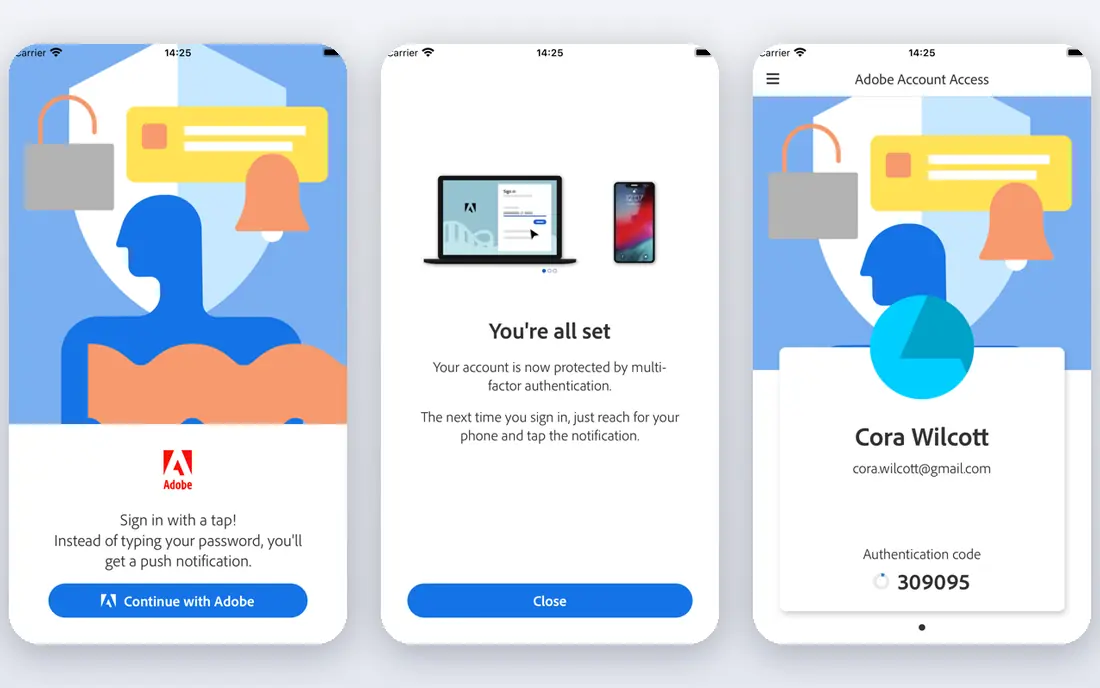
Adobe Target fits companies already invested in Adobe Experience Cloud. It offers A/B and multivariate testing, automated allocation of traffic to winning experiences, and one-to-one personalization driven by Adobe data. For large Adobe estates, keeping testing inside the same stack avoids a separate integration project.
For everyone else, the barriers are real. Adobe does not publish Target pricing, and implementation can be costly. Small and mid-market teams should get a firm quote and a realistic setup timeline before treating it as a shortlist option.
- Deep Adobe Experience Cloud integration
- Automated allocation
- Multivariate testing
- No public pricing
- High implementation effort
Bloomreach combines customer data, search and discovery, content and personalization, which appeals to ecommerce teams that want fewer separate tools. Its search can tailor results and category pages, while engagement tools can build segments and journeys from customer behaviour. Merchandising controls let teams shape what shoppers see without a developer for every change.
Pricing is modular and custom, so the total depends on which parts you buy and on usage such as events and catalogue size. Ask for a quote that covers every module you plan to use, and confirm what counts toward usage limits.
- Search, recommendations and content in one platform
- Customer data tools
- Merchandising controls
- Modular pricing is complex
- Enterprise focus
Insider is a growth platform that unifies customer data and personalization across web, mobile app, email, SMS and WhatsApp. Marketers can build segments, launch tailored on-site messages and run cross-channel journeys from one place, rather than stitching several point tools together. Its templates help teams launch common campaigns faster.
The main limit is transparency. Pricing is customised to the business, and public sources report no free trial. That makes it harder to compare on cost without a sales conversation, so request a written quote tied to your monthly active users and channels.
- Web, app, email, SMS and WhatsApp coverage
- Smart segmentation
- Templates
- Custom pricing
- No free trial reported
VWO suits growth and product teams that want testing and personalization without an enterprise contract to start. The Starter plan is free for up to 50,000 monthly tracked users in public listings, with basic features, while paid plans add unlimited variations, stronger targeting and AI-assisted help. A visual editor lets marketers change pages without code for many common tests.
Paid pricing climbs quickly once you need Pro or Enterprise features, so the free tier should be treated as a trial of the basics, not a long-term production plan. Still, for teams that want to prove value before spending heavily, VWO is one of the clearest entry points here.
- Free Starter plan
- Testing, insights and targeting in one suite
- Visual editor
- Paid plans rise steeply
- Advanced features sit on higher tiers
Kameleoon stands out in this category by publishing an entry price. Its Starter plan covers web experimentation for a set number of tested visitors, with a trial period, and its prompt-based tool can draft page variations from a plain-language description for review. Predictive targeting then turns winning segments into personalised experiences.
The entry price still rules out small teams, and server-side and mobile testing require the Enterprise package. Starter tests also pause when the visitor allowance is used up. For mid-size teams that share one experimentation programme across marketing and product, the transparency is a genuine advantage.
- Published entry price
- Prompt-based variation building
- Predictive targeting
- No free plan
- Server-side and mobile testing need Enterprise
Nosto focuses on product discovery for online stores: recommendations, personalised search results, category merchandising and tailored content blocks. It integrates with common ecommerce platforms, so a store can add personalization without rebuilding its site. That narrow focus is a strength for retailers who mainly need to help shoppers find products faster.
It is not a general cross-channel marketing platform, so teams that need email journeys and app messaging will need other tools alongside it. Pricing is quote-based, with a trial available, so check costs against catalogue size and traffic before committing.
- Product recommendations and search
- Ecommerce platform integrations
- Merchandising tools
- Ecommerce focus only
- Pricing needs a quote
Salesforce Personalization, formerly Interaction Studio, uses real-time behaviour and customer data to tailor recommendations and content. It works most naturally inside Salesforce Marketing Cloud, where it can feed web, email and app experiences from the same customer profile. Teams already on Salesforce avoid a separate data project.
Outside Salesforce, the case is weaker, and pricing is typically bundled with wider Marketing Cloud agreements rather than sold as a simple standalone plan. Get a quote that separates the personalization cost from the rest of the bundle, and confirm which channels are included.
- Real-time customer data use
- Recommendations across channels
- Salesforce integration
- Best inside Salesforce
- Pricing tied to wider bundles
How we picked these
We compared official feature pages, pricing pages and public documentation, and favoured tools that are still offered in October 2026 and that personalise live experiences, not only analyse data. We excluded pure analytics tools and pure email tools, since this article covers software that changes what a visitor sees.
What to check before you choose
Personalization fails more often on data and consent than on features. Check what data each tool needs, how it handles consent, and how long setup takes with your current site and platforms. A tool that needs a full data rebuild will take months longer than one that works with your existing tags and feeds.
Start with one clear use case
Pick a single goal, such as better product recommendations or tailored home page content for returning visitors. Run that use case as a test, measure it against a control group, and only then expand to more pages and channels. Broad rollouts without a baseline make it hard to know what worked.
Check privacy and performance
Confirm consent handling, data retention and regional hosting options, and test page speed with the tool live. Personalization scripts can slow a site if they are poorly configured, which can cancel out conversion gains. Ask vendors for performance guidance and for a way to limit scripts on key pages.
Price on traffic, not on seats alone
Many tools charge by visitors, events or monthly active users, not just by user seats. Model the cost at your current traffic and at twice that traffic, and check what happens when you exceed a limit. A low seat price can hide a high usage bill.
Frequently asked questions
What is personalization software?
It is software that changes content, recommendations or offers based on a visitor's behaviour, segment or context. Examples include tailored product suggestions, personalised home pages and targeted banners.
What is the best personalization platform?
The best personalization platform depends on scale. Adobe Target and Dynamic Yield suit large enterprises, Optimizely suits experimentation-led teams, and VWO and Kameleoon suit mid-market teams that want clearer pricing.
How does personalization software work?
It collects behaviour and customer data, groups visitors into segments or scores them, then serves different content or recommendations to each group. Good tools test those changes against a control group before rolling them out widely.
Is personalization software the same as A/B testing software?
They overlap, but they are not identical. A/B testing compares versions to find a winner, while personalization shows different versions to different people on an ongoing basis. Many tools in this list do both.
Do small businesses need personalization software?
Not always. A small store can start with built-in recommendations from its ecommerce platform and move to a dedicated tool when traffic and catalogue size justify the cost. A free or low-cost tier is a sensible first step.
How do I measure personalization results?
Compare the personalised group against a control group on conversion, revenue per visitor and engagement, not just clicks. Run the test long enough to cover normal weekly patterns, and watch for effects on page speed and privacy complaints.
Sources
See where you really rank - block by block
ProMapRanker scans Google Maps across a grid of your service area. Simple monthly plans from $19, white-label on every plan.
Start freeKeep reading
 who has best internet service
Who Has the Best Internet Service in 2026
Who has best internet service for US homes? We compare fiber, cable, fixed wireless and satellite providers on speed, price, availability and terms today.
Read → which survey tool has the best analytics
Which Survey Tool Has the Best Analytics in 2026
Find which survey tool has the best analytics in 2026, comparing Qualtrics, SurveyMonkey, Typeform, Alchemer, and more on reports, text, and stats today.
Read → which streaming service has the best movies
Which Streaming Service Has the Best Movies in 2026
Answering which streaming service has the best movies, with Netflix, Max, Criterion and more compared on libraries, prices and free options in this guide.
Read →