 ProMapRanker
Best Order Management Software in 2026


Shipping-led multi-channel sellers · Pricing starts at: $14.99 per month
Key takeaways
- ShipStation is our pick for shipping-led sellers, with wide carrier coverage and automation that scales with shipment volume.
- Shippo and Veeqo give small sellers a low-cost start, with free tiers for labels and multi-channel order import.
- Zoho Inventory is the best order management system software value for small teams already using Zoho apps.
- Cin7 and Brightpearl suit larger operations that need warehouse, inventory, and accounting depth in one system.
- Price often rises with orders, shipments, or users, so model your monthly volume before you compare headline prices.
Quick comparison
| Pick | Great for | Pricing starts at | Free tier | |
|---|---|---|---|---|
| ShipStation | Shipping-led multi-channel sellers | $14.99 per month | Free trial | Visit |
 Shippo | Low-cost labels and shipping API | Free | Yes | Visit |
 Zoho Inventory | Affordable orders plus inventory | $29 per month | Yes | Visit |
 Cin7 | Inventory-led multi-channel operations | See website | No | Visit |
 Brightpearl | Retail operations plus accounting | See website | No | Visit |
 Ordoro | Small sellers needing inventory control | See website | Free trial | Visit |
 Veeqo | Free multi-channel shipping for sellers | Free | Yes | Visit |
 Extensiv Order Manager | High-volume order automation | See website | No | Visit |
 Linnworks | Multi-channel order and inventory sync | See website | Free trial | Visit |
The best order management software
We compared nine tools on order import, inventory sync, shipping, warehouse support, integrations, and published pricing. The top order management software below ranges from free label tools to full retail operations suites, so you can match the system to your order volume.
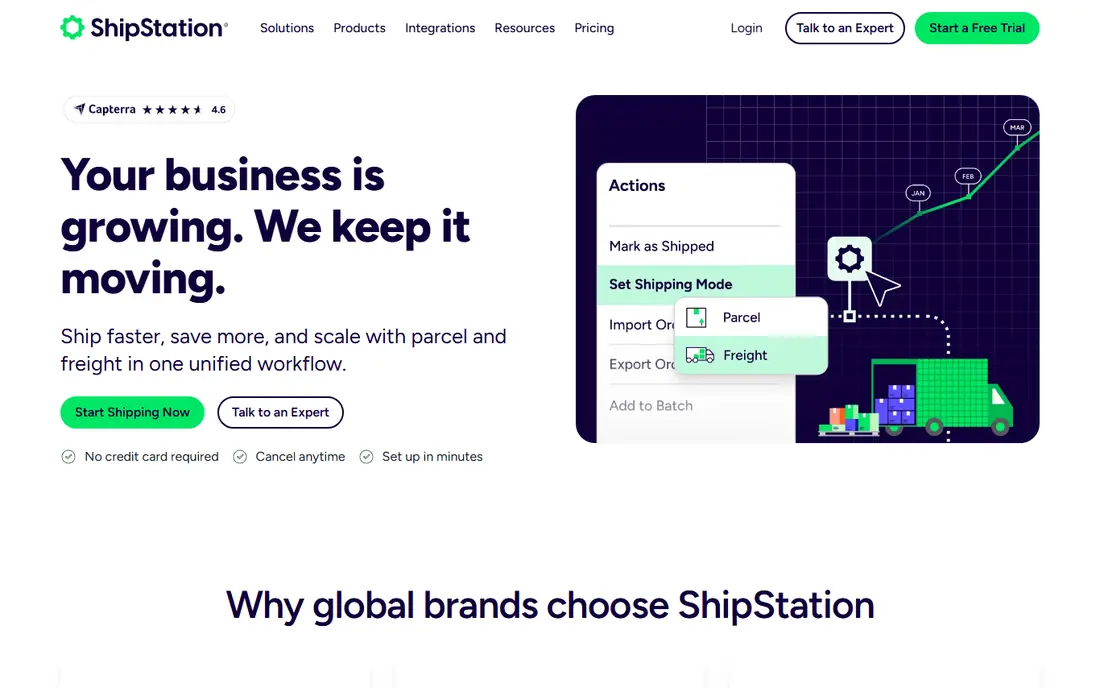
ShipStation centralizes orders from shops and marketplaces into one shipping workflow. You can import orders, compare carrier rates, print labels in batches, and send branded tracking updates, which cuts the manual work that slows small fulfillment teams. Automation rules can assign carriers, add packing slips, and flag orders that need attention.
Pricing starts at $14.99 per month for the Starter plan at low shipment volume, with higher tiers as volume grows. That volume link is the main cost watchpoint: a busy month costs more than a quiet one. If shipping speed and carrier choice drive your business, ShipStation is a strong best order management app choice.
- Imports orders from many channels
- 200-plus carrier options in listings
- Automation rules and batch labels
- Price rises with shipment volume
- Inventory tools are lighter than full OMS suites
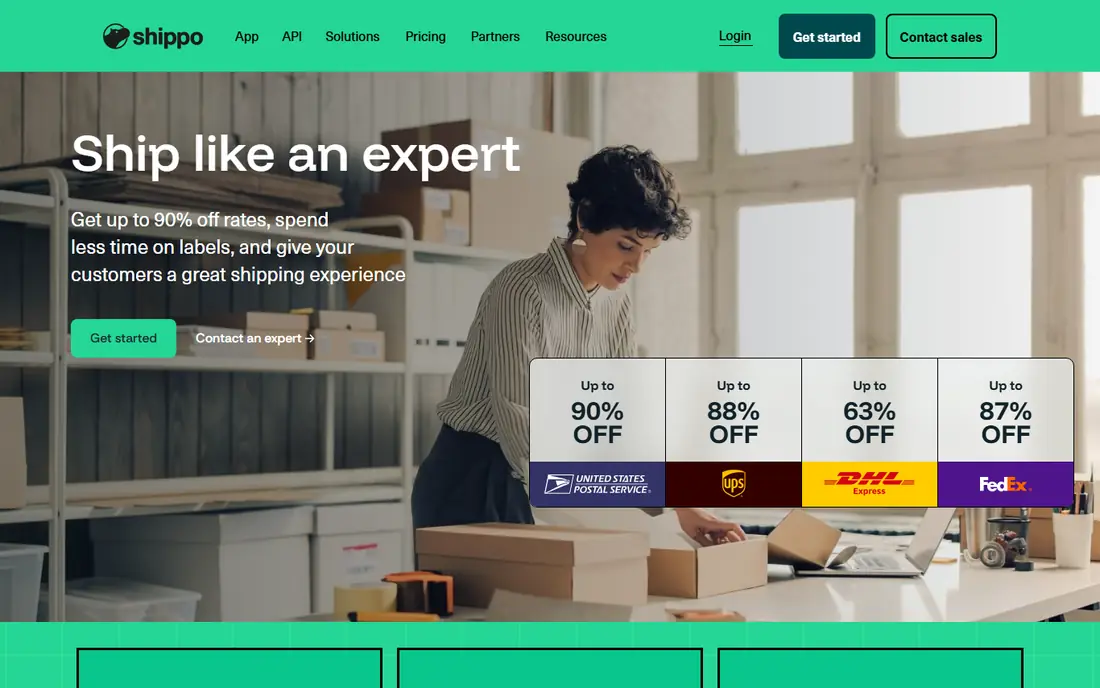
Shippo suits small sellers and developers who want labels without a large monthly fee. The free tier includes discounted rates with major US carriers and store connections, and you can compare rates across carriers before you buy a label. A shipping API lets developers build Shippo into a custom checkout or back-office flow.
It is more shipping tool than full order management system, so teams that need deep warehouse or accounting features will need another system beside it. For a new shop that mainly needs to print labels fast and cheaply, Shippo is hard to beat, and it is a useful best order management tool for early-stage sellers.
- Free starter tier with discounted carrier rates
- Shipping API for developers
- Rate comparison across carriers
- Order management depth is thinner than full suites
- Higher plans add cost per label volume
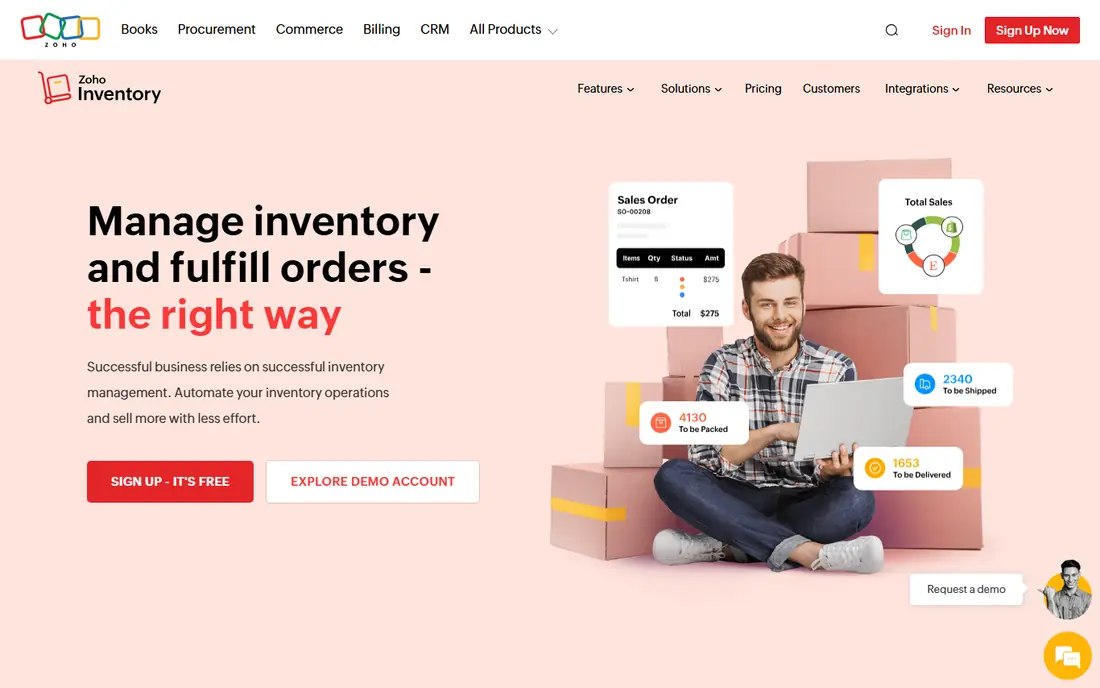
Zoho Inventory gives small teams a clear order-to-stock loop at a fair price. You can take sales orders, track stock across locations, raise purchase orders, and sync with shops and marketplaces. Paid plans start at $29 per month on annual billing in recent listings, with a free plan for very small use.
Shipping is handled through carrier integrations rather than a full shipping-first workflow, so heavy shippers may pair it with Shippo or ShipStation. If you already use Zoho Books or Zoho CRM, the shared data is a real plus. For a small business that needs orders plus stock control without enterprise cost, Zoho Inventory is our value pick.
- Orders, inventory, and purchase orders in one low-cost plan
- Multi-channel selling
- Zoho app integrations
- Shipping automation is lighter than ShipStation
- Advanced warehouse features need higher plans
Cin7, which includes the former DEAR Systems product line, targets growing brands that sell across shops, marketplaces, and wholesale. It syncs inventory, manages purchase orders, supports warehouse workflows, and connects to accounting tools. That depth matters once stock sits in more than one location or you sell both retail and wholesale.
Pricing is quoted, so you will need a demo and a quote for your order volume and user count. Setup also takes more effort than a simple label tool. For teams that have outgrown spreadsheets and basic shipping apps, Cin7 offers a step up that can carry larger, more complex operations.
- Strong inventory, warehouse, and channel sync
- B2B and retail support
- Wide integration set
- Quoted pricing
- Setup takes time and training
Brightpearl is built for established retail and wholesale brands that want operations and accounting in one place. Orders flow into inventory, purchasing, warehouse picks, and financial reports without constant exports between systems. Multi-channel sync keeps stock levels current across shops and marketplaces, which reduces overselling.
The cost reflects that scope, with pricing quoted after a sales review. Small sellers will likely find it too large and too expensive. For a retailer with steady volume, several channels, and a need for clean financial reporting, Brightpearl is one of the best order management platforms on this list.
- Orders, inventory, warehouse, and accounting in one system
- Multi-channel sync
- Strong reporting
- Quoted enterprise-style pricing
- Best for established retailers, not startups
Ordoro combines order management, inventory, and shipping for small to mid-size sellers. It imports orders from common channels, tracks stock, supports dropshipping workflows, and lets you set rules for shipping and supplier handling. That mix suits sellers who need more than labels but are not ready for a large suite.
Check the current pricing page before you budget, since plans vary by features and volume. The interface is practical rather than polished, which may matter if your team values modern design. For a seller moving from manual spreadsheets to a first real system, Ordoro is a sensible middle step.
- Order import plus inventory and shipping in one dashboard
- Supplier and dropship support
- Automation rules
- Pricing is not a simple public flat rate
- Interface can feel dated
Veeqo offers free core tools for importing orders, printing labels, and managing shipping across channels. That free start makes it attractive for small sellers who want to test a system without a monthly fee. It also lists discounted rates and batch shipping features that speed up daily fulfillment.
Deeper inventory, warehouse, and reporting features require paid plans, so growing teams should check what the free tier actually covers for their volume. Still, as a low-risk way to centralize orders and shipping, Veeqo is a strong option, and it works well for sellers who ship daily from several channels.
- Free core shipping and order tools
- Multi-channel order import
- Discounted shipping rates in listings
- Advanced inventory and warehouse features sit on paid tiers
- Amazon-owned, so channel fit varies
Extensiv Order Manager, formerly Skubana, targets high-volume sellers and brands working with third-party logistics providers. It automates order routing, inventory allocation, and fulfillment workflows across channels, and it connects to warehouses and 3PL partners. That automation is the point: at high volume, manual order handling becomes the bottleneck.
Pricing is quoted, and the system is built for teams with real scale, not a new shop with a handful of daily orders. If your order count is climbing fast and fulfillment errors are rising, Extensiv is worth a demo. For small sellers, a simpler tool will be cheaper and faster to learn.
- Automation for high-volume order flows
- Marketplace and 3PL support
- Strong integration set
- Quoted pricing
- Overkill for small shops
Linnworks syncs orders and inventory across shops, marketplaces, and other channels from one dashboard. Automation rules can route orders, update stock, and trigger shipping steps, which helps teams that sell the same stock in several places. Warehouse tools support picking and fulfillment for larger operations.
Pricing depends on plan and order volume, so get a quote for your actual numbers. Setup also rewards care: map channels and stock locations correctly before you go live, or sync errors will follow you. For multi-channel sellers who need reliable stock accuracy, Linnworks is a proven best order management platforms contender.
- Multi-channel order and stock sync
- Automation rules
- Warehouse and fulfillment support
- Pricing varies by plan and volume
- Setup needs care for many channels
How we picked these
We compared official feature and pricing pages, plus public listings for carrier counts, channel integrations, and warehouse support. We favored tools that are actively sold in October 2026, that import orders from more than one channel, and that fit a clear size band, from free label tools to enterprise retail suites. We left out single-carrier label printers with no order import, and accounting-only tools with no fulfillment features. Where pricing is quoted, we wrote See website rather than using an old or third-party figure.
What to check before you buy
Start with your channels and your stock truth. List every shop, marketplace, and wholesale channel you sell through, and decide which system will hold the master stock count. If two systems both claim to hold stock, you will get overselling. Pick one master, and sync the rest to it.
Next, model total cost at your real volume. Include the base plan, per-order or per-shipment steps, extra users, and any shipping or label fees. A cheap headline price can rise fast at peak volume. Also test the daily workflow with real orders: import, pick, pack, label, and tracking update. If that loop takes more clicks than your current process, the tool will slow you down, not speed you up.
Finally, check returns and support. Returns handling, restocking, and customer tracking updates matter as much as outbound shipping. Ask about onboarding help, support hours, and how the vendor handles channel API changes. A system that breaks when a marketplace changes its API is a risk, so favor vendors with a record of prompt channel updates.
Frequently asked questions
What is the best order management software for small businesses?
Shippo or Veeqo suit very small sellers with free starts, while Zoho Inventory is a strong low-cost step up when you need stock control. ShipStation is the pick once shipping volume and carrier choice become daily work. Match the tool to your order count, not just the headline price.
What is the top order management software for multi-channel sellers?
ShipStation, Linnworks, and Cin7 all handle multi-channel orders well, with different strengths. ShipStation leads on shipping, Linnworks on stock sync, and Cin7 on inventory and warehouse depth. Test order import from your actual channels before you commit.
What is the best order management system software for inventory control?
Cin7 and Brightpearl offer the deepest inventory, purchasing, and warehouse features on this list. Zoho Inventory covers the basics well at a lower price. If you hold stock in several locations or sell wholesale as well as retail, the deeper tools justify their cost.
What is the best order management app for Shopify sellers?
ShipStation, Shippo, and Veeqo all connect to Shopify and handle labels and tracking well. Zoho Inventory also syncs Shopify orders with stock. Choose by shipping volume: Shippo for low volume, ShipStation for daily shipping, and Veeqo if you want a free start.
Do I need a full OMS, or just a shipping tool?
If you sell on one channel, hold little stock, and ship a few orders a day, a shipping tool is enough. Once you sell on several channels, hold stock in more than one place, or use a warehouse or 3PL, a full order management system reduces errors and overselling. The cost of a stock error usually exceeds the software saving.
How much does order management software cost?
Free tiers exist for Shippo and Veeqo, ShipStation starts at $14.99 per month, and Zoho Inventory starts at $29 per month in recent listings. Larger suites such as Cin7, Brightpearl, and Extensiv use quoted pricing that rises with orders and users. Always price your monthly order and shipment volume, not just the base plan.
Sources
See where you really rank - block by block
ProMapRanker scans Google Maps across a grid of your service area. Simple monthly plans from $19, white-label on every plan.
Start freeKeep reading
 best tour operator software
Best Tour Operator Software in 2026
Compare the best tour operator software for bookings, channel management, waivers and payments, with pricing models for day tours and multi-day trips.
Read → best time clock app for small business
Best Time Clock App for Small Business in 2026
We compare the best time clock app for small business options, with free plans, GPS clock ins, scheduling and payroll links for hourly teams and payroll help.
Read → best test automation tools
Best Test Automation Tools in 2026
Compare the best test automation tools, from Playwright and Selenium to Cypress, Katalon and BrowserStack, with prices, languages and best uses explained.
Read →