 ProMapRanker
Best Movie Streaming Platforms in 2026

Key takeaways
- Netflix is our pick for most movie watchers because it mixes original films, licensed movies and international titles in one service.
- Max is the best pick for prestige films and Warner Bros. titles, with a deep back catalog alongside HBO originals.
- Tubi and The Roku Channel are the best free picks, with large ad-supported movie libraries and no subscription needed.
- Prices changed through 2026, so check the provider pricing page before you subscribe, since ad tiers, 4K and downloads vary by plan.
Quick comparison
| Pick | Great for | Pricing starts at | Free tier | |
|---|---|---|---|---|
 Netflix | Overall movie variety | $8.99 per month | No | Visit |
 Max | Prestige films and Warner Bros. | $10.99 per month | No | Visit |
 Disney+ | Family films and franchises | $12.49 per month | No | Visit |
 Prime Video | Value for Prime members | $8.99 per month | No | Visit |
 Hulu | Movies plus current TV | $12.49 per month | No | Visit |
 Apple TV+ | High-quality original films | $14.99 per month | Free trial | Visit |
 Peacock | Universal films and value tiers | $8.99 per month | No | Visit |
 Paramount+ | Paramount films and franchises | $8.99 per month | No | Visit |
 Tubi | Free movies with ads | Free | Yes | Visit |
 The Roku Channel | Free movies with ads | Free | Yes | Visit |
The best movie streaming platforms
These ten services are all legal, licensed streaming platforms available in the United States, from paid all-rounders to free ad-supported movie libraries.
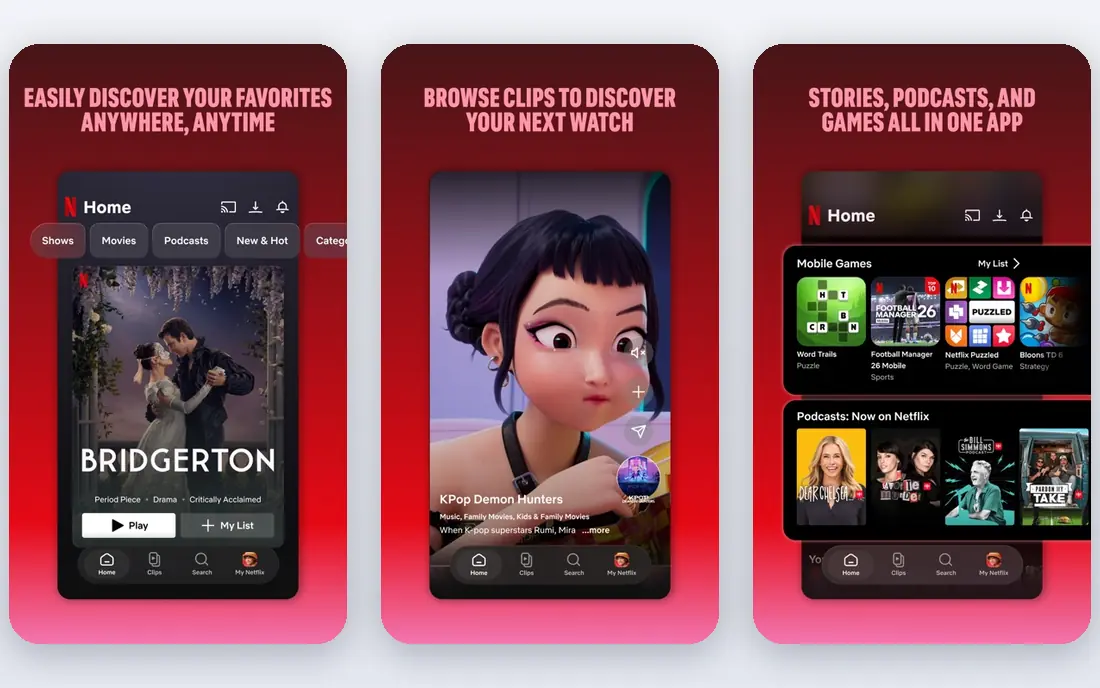
Netflix remains the easiest one-service answer for movie watchers, because it covers original films, licensed studio movies, documentaries and a strong international catalog in one subscription. The entry plan in October 2026 coverage is Standard with Ads at $8.99 per month, with Standard at $19.99 and Premium at $26.99, the latter adding 4K. Downloads on mobile plans help for travel, and profiles keep family viewing separate.
The cost is the main drawback, especially for ad-free viewing, and the catalog rotates, so a film you plan to watch may leave before you get to it. Netflix also limits password sharing outside a household, which matters for shared accounts. For households that want one service that covers most movie nights, Netflix still leads.
- Largest mix of original and licensed films
- Strong international catalog
- Polished apps and downloads
- Ad-free tiers are costly
- Catalog rotates, so titles leave regularly
Max, the home of HBO and Warner Bros. content, is the best pick for viewers who care about prestige films, classic cinema and studio back catalogs. The entry plan in October 2026 coverage is Basic with Ads at $10.99 per month, with Standard at $18.49 and Premium at $22.99. That range covers a deep film bench, from recent Warner Bros. releases to older catalog titles and HBO original films.
Tier limits are the catch. Higher resolution and downloads sit on higher plans, and the ad-free experience costs notably more than the entry tier. Max also rotates licensed titles, so the catalog changes over time. For film lovers who value curation and studio depth over sheer volume, Max is a strong second service or a worthy main pick.
- Warner Bros. films and HBO catalog
- Strong prestige and classic film bench
- Good film curation
- Features such as 4K sit on higher tiers
- Price rises with ad-free plans
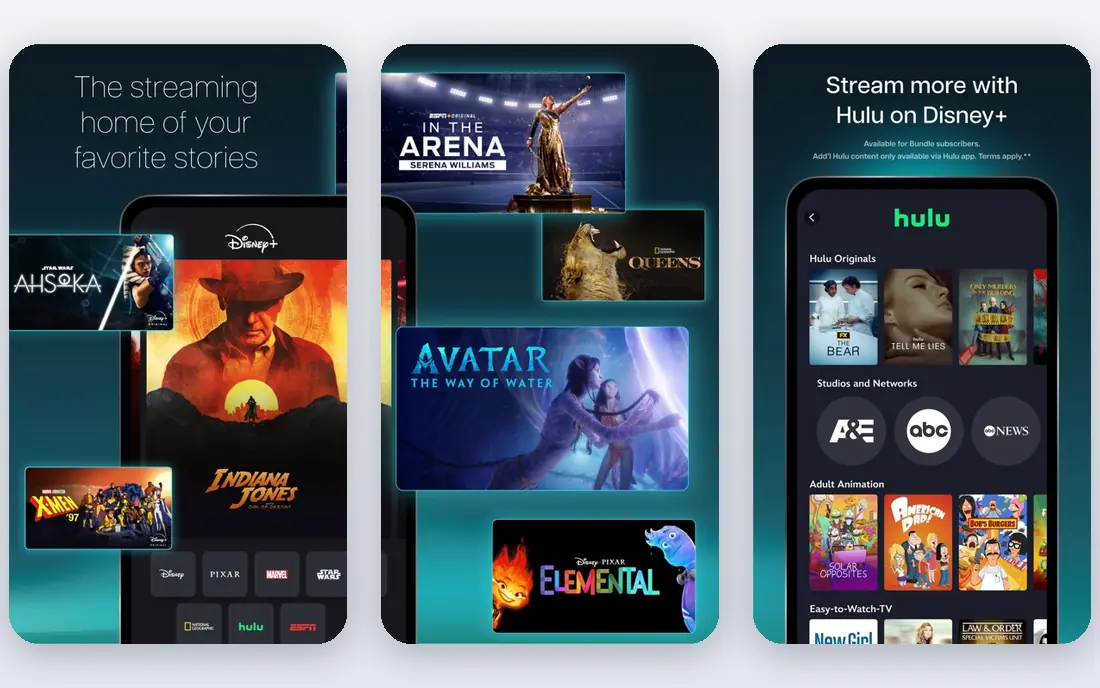
Disney+ is the clear pick for family movie nights, with Disney, Pixar, Marvel and Star Wars films in one place, plus National Geographic documentaries. Pricing in October 2026 coverage puts Disney+ with ads at $12.49 per month and Premium at $21.49 per month, with 4K available on both main plans. Bundles with Hulu add adult drama and current TV for households that want both.
As a standalone adult film service, Disney+ is narrower than Netflix or Max, since its catalog leans heavily on its own franchises. Viewers who do not follow Marvel or Star Wars may find less to watch. For families, or for franchise fans, the depth of those catalogs makes Disney+ excellent value.
- Disney, Pixar, Marvel and Star Wars films
- Strong family catalog
- 4K on both main plans
- Less compelling as an adult-only general film service
- Bundle pressure with Hulu
Prime Video is the best value pick if you already pay for Amazon Prime, since it is included with a Prime membership at $14.99 per month, with a standalone Prime Video plan at $8.99 per month in October 2026 coverage. The library mixes Prime included films with rentals and channel add-ons, covering a wide range of studio and independent movies. Removing ads costs an extra $4.99 per month for Prime Video Ultra in current coverage.
The mixed catalog is confusing, because a search result may be included, rentable or part of a paid channel, and that is not always clear at a glance. Prime Video also leans more on licensed titles than on a single prestige original slate. For Prime members, it is a no-extra-cost movie service that is hard to beat on value.
- Included with Amazon Prime
- Large licensed film library
- Standalone plan available
- Included, rental and add-on titles are mixed together
- Ad-free needs an extra fee
Hulu is known for TV, but its film library, including FX and Searchlight titles, makes it a useful movie service as well, especially in a bundle. Pricing in October 2026 coverage puts Hulu with ads at $12.49 per month and Premium at $21.49 per month, with the Disney+ and Hulu bundle starting at $12.99 with ads. That bundle gives families Disney films and adults Hulu drama and movies under one bill.
Hulu alone is not the deepest film-first service, and its catalog is smaller than Netflix for pure movie volume. It also carries ads on the entry plan, with the ad-free tier costing more. Hulu suits households that want movies plus current TV in one subscription, rather than a film-only library.
- Solid film library plus next-day TV
- FX and Searchlight titles
- Bundle value with Disney+
- Film catalog is smaller than Netflix
- Ad-free plan costs more
Apple TV+ takes a quality-over-quantity approach, with a smaller library of original films and series made to a high standard. Pricing in October 2026 coverage is $14.99 per month, ad-free, with 4K included and a free trial for new users. The original film slate has earned strong critical attention, and the app experience is clean, with no ad tier to compare.
The library size is the limit. Apple TV+ does not carry a large licensed back catalog, so it cannot replace Netflix or Max as a sole movie service for most viewers. It works best as a second service for viewers who want original films and are happy to rotate it in and out. For original film quality per title, it punches above its size.
- High-quality original films
- 4K included
- No ad tier to navigate
- Smaller library than rivals
- Fewer licensed back catalog films
Peacock, from NBCUniversal, offers Universal films alongside NBC shows, Bravo content and live sports on higher tiers. Pricing in October 2026 coverage starts with Select at $8.99 per month, Premium at $12.99 and Premium Plus at $19.99. The Universal film bench, including recent theatrical releases that move to streaming, is the main movie draw.
Tier limits matter here. Select excludes sports, movies and Peacock Originals in current coverage descriptions, so film watchers need at least Premium for the movie catalog. That makes the headline entry price misleading for movie use. Peacock suits viewers who already follow NBCUniversal content and want its films plus sports in one service.
- Universal films and NBC library
- Low entry Select tier
- Sports add value for some households
- Select tier excludes many films and sports
- Full film access needs higher tiers
Paramount+ brings Paramount films, Star Trek, Mission: Impossible and other franchise titles together with CBS and Showtime content. Pricing in October 2026 coverage is Essential at $8.99 per month and Premium with Showtime at $13.99 per month. For franchise fans, the depth of Paramount-owned titles is a real draw, and Showtime adds prestige films and series on the top tier.
For general movie browsing, Paramount+ is narrower than Netflix, Max or Prime Video, and its catalog leans on its own studios. 4K support is also more limited than on some rivals. Paramount+ works best as a franchise or Showtime add-on, or as a main service for households that already watch a lot of CBS and Paramount content.
- Paramount films, Star Trek and franchise titles
- Showtime content on Premium
- CBS library
- Narrower general film catalog than Netflix or Max
- 4K support is limited
Tubi is the best free movie service in this list, with a very large ad-supported library of films and TV shows and no subscription required. You can watch on most TVs, phones and browsers, and the catalog covers older studio films, independent movies, documentaries and genre titles that are hard to find elsewhere. For viewers who want to cut subscription costs, Tubi covers many movie nights for nothing.
Ads are the price, with breaks during films, and you will rarely find the newest theatrical blockbusters here. The catalog also rotates, so titles come and go. Tubi suits budget viewers, genre fans and anyone who wants a free second library alongside one paid service.
- Large free movie and TV library
- No subscription or account needed for much viewing
- Wide device support
- Ad breaks during films
- Newer blockbusters are rare
The Roku Channel offers free ad-supported movies and TV, including licensed films and Roku Originals, and it works on Roku devices as well as on the web and other platforms. It is a useful free companion to a paid service, covering older films, family titles and genre movies without a subscription. The interface is simple, and much viewing needs no account.
Like Tubi, it carries ads, and its catalog rotates, so a film you find today may leave later. New releases are not its strength. For households that already use Roku, or for anyone who wants another free movie library, The Roku Channel is a solid, no-cost addition.
- Free movies and TV with ads
- No Roku device needed for much viewing
- Licensed and original titles
- Ad breaks during films
- Catalog varies and rotates
How we picked these
We compared official pricing pages and October 2026 streaming price coverage for entry and ad-free tiers, and we only included legal, licensed services available in the United States. We favored a mix of paid all-rounders, franchise services and free ad-supported libraries, so readers can build a movie setup at different budgets. We did not claim hands-on testing of every catalog, and we noted that prices and catalogs change, so the provider page should be checked before subscribing.
How to choose a movie streaming setup
Start with your movie taste, not with a bundle. List the kinds of films you actually watch, such as new studio releases, classic films, family movies or independent titles, and match that list to one main service. Netflix covers the broadest mix, Max covers prestige and Warner Bros., Disney+ covers family franchises, and Prime Video covers value for Prime members. One main service plus one free service covers most movie nights.
Then check the tier details before you pay. Confirm whether the entry plan includes ads, 4K, downloads and simultaneous streams, since those features often sit on higher tiers. Rotate services rather than stacking them: subscribe to a second service for a month, watch its best films, cancel, and move to the next. That rotation keeps costs down and still gives you access to each catalog over the year.
Frequently asked questions
Which streaming service has the best movies?
Netflix has the broadest movie mix overall, while Max has the strongest prestige and Warner Bros. film bench. Disney+ leads for family and franchise films, and Apple TV+ leads for original film quality per title. The best pick depends on whether you value breadth, prestige, family content or originals most.
What app has the best movies for free?
Tubi is the best free movie app overall, with a large ad-supported library and wide device support. The Roku Channel is a close second, also free with ads. Both rotate titles and carry ad breaks, but neither needs a subscription, so they are easy to try alongside a paid service.
Is it cheaper to bundle streaming services?
Bundles can save money if you already watch both services in the bundle, such as Disney+ and Hulu together. If you only watch one service in a bundle, the bundle costs more than that service alone. Check your actual viewing for a month before you bundle, and cancel any service you have not opened in that time.
Do streaming catalogs change?
Yes, licensed films leave services when rights expire, and new titles arrive each month. Original films usually stay on the service that made them, while licensed studio films rotate between services. If a specific film matters to you, check which service carries it now rather than assuming it is still there.
Can I download movies to watch offline?
Most paid services allow downloads on mobile plans, though the feature and title availability vary by plan and title. Netflix, Max, Disney+, Prime Video, Hulu, Apple TV+, Peacock and Paramount+ all offer downloads on at least some plans. Free services such as Tubi and The Roku Channel generally do not offer downloads, so check the plan details before travel.
Sources
See where you really rank - block by block
ProMapRanker scans Google Maps across a grid of your service area. Simple monthly plans from $19, white-label on every plan.
Start freeKeep reading
 top custom software development company
Top Custom Software Development Company in 2026
Looking for a top custom software development company? We compare 9 firms for web, mobile, and enterprise software, covering strengths and fit for 2026.
Read → tableau alternatives
Tableau Alternatives in 2026
Compare the best Tableau alternatives for 2026, from Power BI to Metabase, with prices, hosting options, and picks for small teams and enterprises today.
Read → microsoft teams alternatives
Best Microsoft Teams Alternatives in 2026
Looking for microsoft teams alternatives? We compare 9 chat and video tools for 2026, covering free plans, pricing, meetings, and integrations for teams.
Read →