 ProMapRanker
Best Managed Service Providers in 2026


Multicloud managed services · Pricing starts at: See website
Key takeaways
- Rackspace Technology is our pick for companies running workloads across several clouds and wanting one team to run them.
- Most managed service providers price by quote, so the sales conversation and the service agreement matter more than any headline rate.
- Small businesses get better value from nationwide SMB-focused firms such as Ntiva, Dataprise and CMIT Solutions than from enterprise giants.
- Check response times, security coverage and exit terms in writing before signing, since these vary far more than marketing pages suggest.
- A provider that offers both help desk support and cybersecurity under one contract usually costs less in management time than two separate vendors.
Quick comparison
| Pick | Great for | Pricing starts at | Free tier | |
|---|---|---|---|---|
| Rackspace Technology | Multicloud managed services | See website | No | Visit |
 Kyndryl | Enterprise infrastructure at global scale | See website | No | Visit |
 DXC Technology | Regulated and compliance-heavy enterprises | See website | No | Visit |
 Accenture | Large managed cloud and security programs | See website | No | Visit |
 Ntiva | Mid-market managed IT and cybersecurity | See website | No | Visit |
 Dataprise | Tiered managed IT for growing businesses | See website | No | Visit |
 CMIT Solutions | Local SMB support with national backing | See website | No | Visit |
 Electric | Platform-driven IT for distributed teams | See website | No | Visit |
The best managed service providers
A managed service provider takes over some or all of a company's IT operations, from help desk support and device management to cloud operations and cybersecurity monitoring. We compared firms that are actively operating in 2026, with published service descriptions and a track record in their stated markets, and we mixed global enterprise firms with providers built for smaller companies.

Rackspace Technology is the natural pick for a mid-market or enterprise company running workloads across more than one cloud. Founded in 1998 and based in San Antonio, Texas, it manages public cloud estates, its own private cloud offerings and related data services, so a company does not need separate teams for each platform. That breadth is the main reason to choose it over a single-cloud specialist.
The honest catch is pricing and packaging. Everything is quoted, and service levels are set by tier and contract rather than one public promise. Ask for the exact response times, the named services included in your tier and the cost of moving between tiers before you sign, since those details decide whether the deal works in practice.
- Manages AWS, Azure and Google Cloud plus private cloud
- Long history in managed hosting
- Data and security practices
- Quote-only pricing
- Service tiers and response commitments vary by contract

Kyndryl, spun out of IBM in 2021, is one of the largest infrastructure services firms in the world. It manages mainframes, networks, hybrid cloud environments and security operations for multinational companies, and it holds service management certifications that matter in regulated procurement. If your company operates in many countries and needs one provider to run core infrastructure everywhere, Kyndryl belongs on the shortlist.
Smaller companies should look elsewhere. The model is designed for large, complex estates, the sales and onboarding process is slow, and personalized service for a 50-person company is not where Kyndryl focuses. This is a pick for enterprises with infrastructure budgets to match.
- Global delivery across many countries
- Mainframe, network and cloud expertise
- Large-scale resiliency work
- Built for enterprise scale, not small businesses
- Engagement process is long and complex
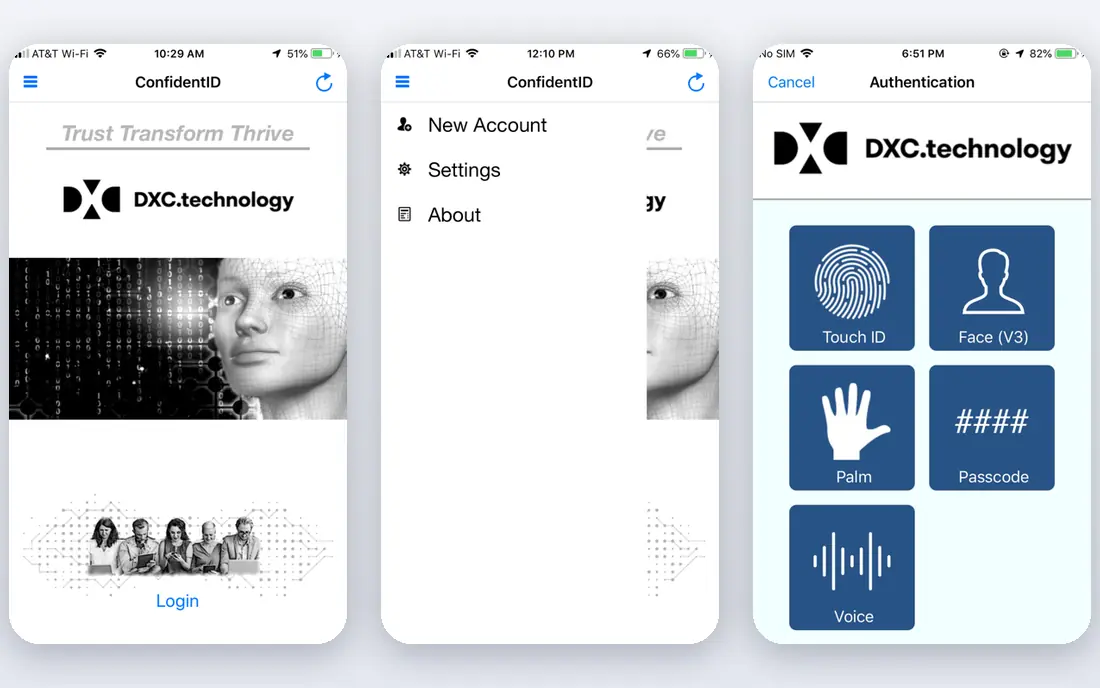
DXC Technology serves large organizations in sectors where compliance failures carry real penalties, including financial services, healthcare and the public sector. Its managed services cover applications, infrastructure, cloud and security, and its delivery model is built around long contracts with defined governance. For a large enterprise that needs audit-ready operations, that discipline is a strength.
The trade-off is flexibility. DXC is not a fit for a small business that wants quick onboarding and a simple monthly fee, and pricing is entirely quote-based. Companies that value speed and a single point of contact for a small team will get better service from the SMB-focused firms later in this list.
- Deep experience in regulated industries
- Application and infrastructure managed services
- Global scale
- Quote-only enterprise pricing
- Less suited to small or fast-moving teams
Accenture is the largest firm on this list and the broadest in scope, covering managed cloud, application operations, infrastructure and security alongside consulting and data work. For a large company that wants one partner to run a multi-year transformation and then operate the result, Accenture can staff at a scale few rivals match. Its industry coverage spans banking, healthcare, retail, aerospace and public services.
That scale is also the weakness for smaller buyers. Accenture engagements are priced as enterprise programs, onboarding takes time, and a small business will not get the attention or the price that a dedicated SMB provider offers. Choose Accenture when the program is large and strategic, not when you need a help desk for 30 people.
- Very broad service range including cloud, security, data and AI operations
- Global delivery
- Strong enterprise references
- Premium enterprise pricing
- Small engagements are not the focus
Ntiva is a strong pick for mid-market companies that want a full IT department without hiring one. It covers managed IT, cybersecurity, cloud services and Microsoft 365, and it offers co-managed support for companies that already have some internal IT staff. That co-managed option matters, because many mid-sized firms do not want to replace their IT person, they want backup, security expertise and after-hours coverage.
Pricing is quote-based and usually structured per user, so ask for the full scope in writing: which security tools are included, what the response times are, and what costs extra. Compared with the global firms above, Ntiva is far more accessible for a company with tens or hundreds of employees rather than thousands.
- Managed IT plus cybersecurity and Microsoft 365 under one roof
- US-based support
- Co-managed option for internal IT teams
- Quote-only pricing
- Service levels vary by tier
Dataprise, founded in 1995, serves small and mid-sized businesses with tiered managed IT plans, including its Foundation, Fortify and Comply tiers. The tiered model helps a growing company start with core monitoring and help desk support, then add cybersecurity and compliance coverage as needs grow. It also offers disaster recovery and incident response services, and it serves regulated sectors such as banking, healthcare and nonprofits.
Read the tier definitions carefully. The most useful security and compliance features sit on higher tiers, so the entry price may not buy the protection a regulated business needs. Compare the full tier contents side by side, and confirm what counts as an extra charge before signing.
- Tiered plans that scale with the business
- Cybersecurity and compliance support on higher tiers
- Co-managed option
- Advanced security and compliance features need higher tiers
- Scope varies between tiers
CMIT Solutions suits a small business that wants a local IT partner with national resources behind it. With more than 250 locations across North America, it combines local, on-site support with standardized monitoring, patching, backup and help desk services. Pricing is typically a flat monthly rate per user, which makes budgeting simple, and the model is proactive: the provider monitors systems and fixes problems before they cause downtime.
Because CMIT operates as a franchise network, the experience can vary by office, and a price published by one local office may not match another. Meet the actual local team, ask for client references in your area, and confirm response times and included services in your own agreement rather than relying on a national marketing page.
- Local offices backed by a national franchise network
- Flat-rate monthly pricing
- Proactive monitoring and help desk
- Service details vary by local office
- Published local prices may not apply in your area
Electric is the modern pick for remote-first and hybrid companies. Its platform gives IT a single view of devices, software licenses and user access, and employees can request support directly inside Slack or Microsoft Teams instead of opening a separate ticket portal. Onboarding and offboarding are handled through the same system, which matters when a team hires across many cities and time zones.
The model fits distributed teams better than companies that need frequent on-site visits for specialized hardware. Pricing is quoted per engagement, so ask how device management, security tooling and support hours are bundled, and whether remote-only support covers your offices. For a distributed small or mid-sized business, Electric is one of the easiest managed IT setups to run day to day.
- Central dashboard for devices, apps and licenses
- Support inside Slack and Teams
- Built for remote and hybrid teams
- Quote-only pricing
- Best for distributed teams rather than single-office firms with heavy on-site needs
How we picked these
We compared providers with current service descriptions, published coverage and a clear target market in 2026, and we favored firms with 24/7 or extended support, security services and a defined service model. We mixed global enterprise firms with SMB-focused providers because the right managed service provider depends heavily on company size. Firms without verifiable current operations or with only vague service claims were left out.
What to check before you sign
Start with scope, not price. Write down exactly what you need: help desk hours, device management, cloud operations, backup and recovery, cybersecurity monitoring and compliance reporting. Then ask each provider to map its proposal to that list, line by line, including what is excluded. Gaps in scope cause more regret than a slightly higher monthly fee.
Next, pin down service levels and exit terms. Ask for response and resolution times in the contract, not just in a sales deck, and check how data and credentials are handed back if you leave. Also ask about price changes at renewal, minimum contract length and the cost of adding users or locations. A provider that is transparent on these points is usually transparent in delivery too.
Finally, talk to references in your size range and industry. A provider that serves large banks well may still be a poor fit for a 40-person professional services firm. Ask references about response times during real incidents, not just during onboarding, and about how often they hear from their account team. The best provider is the one that answers fast when something breaks and plans ahead when nothing is broken.
Frequently asked questions
What is the best managed service provider for a small business?
Ntiva, Dataprise and CMIT Solutions are strong starting points for small and mid-sized businesses, since they are built around per-user pricing, help desk support and cybersecurity in one contract. Electric is a good fit if your team is remote or hybrid. Avoid the global enterprise firms unless your needs and budget match their scale.
What is the best managed service provider for cloud services?
Rackspace Technology is our pick for multicloud management across AWS, Azure and Google Cloud, while Kyndryl and DXC suit large enterprises with complex infrastructure estates. If you only use one cloud, ask whether a specialist for that cloud would cost less than a generalist. Always confirm which cloud services, monitoring and cost controls are included in the quoted tier.
How much do managed service providers cost?
Most providers on this list price by quote, usually per user per month for SMB firms and as a custom program fee for enterprises. Published local examples from franchise providers show SMB pricing often falls in a broad per-user monthly range, but your price depends on users, devices, security scope and contract length. Get at least two written quotes with identical scopes before comparing.
What is the difference between managed IT services and break-fix support?
Break-fix support charges an hourly rate only when something breaks, which rewards slow fixes and leaves prevention unpaid. Managed services charge a flat monthly fee for monitoring, patching, help desk support and security, which gives the provider a reason to prevent problems. Most growing businesses save money and downtime with managed services once they pass a handful of employees.
Do managed service providers replace an internal IT team?
Not always. Many providers offer co-managed support, where they handle monitoring, security and after-hours coverage while your internal IT staff keeps day-to-day control. Full managed services replace most IT functions, which suits companies without an IT hire. Decide which model fits your team before shopping, since it changes the scope and the price.
What should a managed service agreement include?
It should list included services, response and resolution times, security tools, backup and recovery commitments, reporting frequency, price and renewal terms, and exit and data handover terms. Ask for named contacts and escalation paths, and check whether on-site visits, projects and compliance work are included or billed separately. If a promise only appears in a sales call, get it added to the agreement.
Sources
See where you really rank - block by block
ProMapRanker scans Google Maps across a grid of your service area. Simple monthly plans from $19, white-label on every plan.
Start freeKeep reading
 bitly alternatives
Bitly Alternatives in 2026: 8 Tools Compared
Compare the best Bitly alternatives for branded short links, with free tiers, custom domains, analytics, and pricing that suits creators and small teams.
Read → bill.com alternatives
Best Bill.com Alternatives in 2026
Looking for bill.com alternatives? We compared 9 bill pay and AP automation tools on price, approvals, and accounting sync to help you switch with confidence.
Read → betterhelp alternatives
BetterHelp Alternatives in 2026
We compared BetterHelp alternatives for online therapy, covering Talkspace, Grow Therapy, Rula, Brightside and more on price, insurance and format in 2026.
Read →