 ProMapRanker
Best Mahjong App in 2026: 8 Apps Compared

Key takeaways
- Mahjong means two different games, so pick tile-matching solitaire for solo puzzles, or four-player mahjong for drawing, discarding and scoring.
- Mahjong Soul is the best four-player app for beginners, because it teaches Riichi rules with tutorials and ranked matches.
- Microsoft Mahjong is the best solo tile-matching app for daily puzzles, with hundreds of boards and a calm, simple design.
- Check the ruleset before installing, because an American, Japanese or Chinese rules app will not match a player who wants a different style.
Quick comparison
| Pick | Great for | Pricing starts at | Free tier | |
|---|---|---|---|---|
 Mahjong Soul | Riichi four-player matches | Free | Yes | Visit |
 Microsoft Mahjong | Solo tile-matching daily puzzles | Free | Yes | Visit |
 Mahjong Solitaire by MobilityWare | Quick offline solo puzzles | Free | Yes | Visit |
 Mahjong City Tours | Themed tile-matching levels | Free | Yes | Visit |
 Mahjong Journey | Story-based tile-matching | Free | Yes | Visit |
 Kemono Mahjong | Four-player play against AI | Free | Yes | Visit |
 Tenhou | Competitive online Riichi | Free | Yes | Visit |
 Mahjong Time | Multi-ruleset online play | See website | Yes | Visit |
The best mahjong app
Start by deciding which mahjong you mean. Tile-matching solitaire clears pairs from a board alone, while four-player mahjong involves four hands, drawing and discarding tiles, and scoring combinations. The apps below cover both styles, and each entry states which style it offers.

Mahjong Soul is the best starting point for four-player mahjong, specifically Japanese Riichi rules. Its tutorials explain the basics, from drawing and discarding to scoring concepts such as riichi and dora, in a way that a beginner can follow while playing. Ranked matches pair players of similar skill, so a new player is not thrown against experts on the first day.
The anime presentation divides opinion, and players who want a traditional tile look may prefer Tenhou or Kemono Mahjong. Mahjong Soul also covers Riichi only, so a player who wants American mahjong with a yearly card will need a different app. Cosmetic purchases for characters and outfits are optional and do not affect gameplay. We would pick Mahjong Soul for anyone curious about Riichi who wants a friendly, active community.
- Strong tutorials for Riichi rules
- Ranked matches with players worldwide
- Cross-platform play on mobile and browser
- Anime art style will not suit every player
- Riichi only, no American or Chinese rules
- Cosmetic purchases can tempt spending
Microsoft Mahjong is the polished solo option, with hundreds of tile-matching puzzles, relaxing backgrounds and five daily challenges. Players earn badges for completing challenges through a month, and they can customise tile sets and boards as they level up. The pace is calm, with hints and shuffles available when a board stalls, which suits a short daily puzzle habit.
This is solitaire, not the four-player game, so a player looking for opponents will be disappointed. Ads appear on the free tier, and a premium subscription, about one dollar and ninety-nine cents per month, removes ads and opens past daily challenges. We would pick Microsoft Mahjong for a solo player who wants a reliable daily puzzle without learning four-player rules.
- Hundreds of tile-matching puzzles
- Five daily challenges with badges
- Custom tile sets and backgrounds
- Tile-matching only, no four-player game
- Ads on the free tier
- Premium subscription needed to remove ads and open past challenges
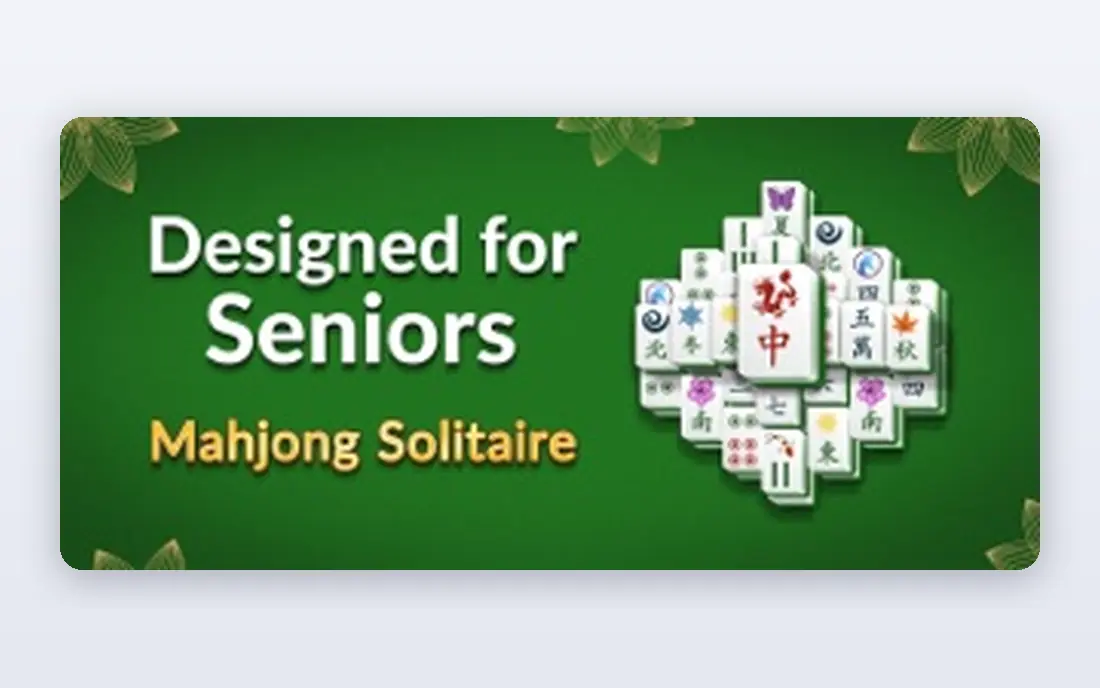
MobilityWare is known for simple card and board games, and its Mahjong Solitaire follows that pattern. It offers clean tile-matching boards, offline play, and undo and hint tools, without a story mode or heavy progression system. That simplicity is a strength for a player who wants to open the app, solve a board in a few minutes, and close it again.
The plain look will not appeal to players who want themed levels or a story, and there is no four-player mode. Ads appear on the free tier, though offline play can reduce them. We would pick MobilityWare Mahjong Solitaire for quick, offline solo puzzles, especially on a commute or flight where a connection is not guaranteed.
- Simple, stable solo tile-matching
- Offline play for travel
- Undo and hint features for stuck boards
- Tile-matching only
- Graphics are plain compared with themed rivals
- Ads on the free tier
Mahjong City Tours adds travel themes to tile-matching, with levels set in different cities and progression that opens new places as boards are cleared. Daily rewards give a reason to return, and offline play helps on trips. The theme layer makes a simple puzzle feel less repetitive than a plain board collection, especially for a player who likes collecting new layouts.
It remains a solo puzzle app, with no four-player rules, and hints and extra moves sit behind in-app purchases. Ads appear on the free tier, though a premium option removes them. We would pick Mahjong City Tours for a solo player who wants themed progression and a sense of travel, rather than a plain puzzle list.
- Themed levels tied to world cities
- Daily rewards and offline play
- Steady progression through new boards
- Tile-matching only
- In-app purchases for hints and extra moves
- Free version includes ads
Mahjong Journey wraps tile-matching in a quest story, where solving boards advances a journey and collects artefacts. Power-ups help on hard boards, and the story gives a reason to keep playing beyond a single puzzle. That structure suits a player who likes a goal and a narrative, rather than an endless board list.
The energy or progression system can limit how many boards a player clears in one sitting, and power-ups sit behind purchases. It is also solitaire only, with no four-player mode. We would pick Mahjong Journey for a solo player who wants a story with their puzzles, and we would warn that free play may pause until energy refills or a purchase is made.
- Quest and story mode through tile boards
- Power-ups for difficult layouts
- Offline play on many levels
- Tile-matching only
- Energy or progression limits can slow play
- In-app purchases for power-ups
Kemono Mahjong is a good choice for learning the four-player game without facing live opponents. It lets a player practise against AI, learn tile combinations and scoring, and make mistakes in private. Offline play means practice can happen anywhere, and the pace is set by the player, not by a ranked ladder.
The limit is multiplayer. There is no live online matchmaking, so a player who wants human opponents will need Mahjong Soul or Tenhou after learning the basics. The art style is also niche and will not suit everyone. We would pick Kemono Mahjong as a practice app for four-player rules, used before moving to a live multiplayer app.
- Four-player mahjong against AI opponents
- Teaches rules without online pressure
- Offline play for practice
- AI opponents only, no live multiplayer
- Art style is niche
- Smaller community than Mahjong Soul
Tenhou is the long-running home of competitive online Riichi mahjong. It offers ranked play against a large player base, with a focus on serious competition rather than presentation. Experienced Riichi players value its ranking system and the depth of its player pool, which means matches at many skill levels are available.
Beginners will find the interface dated and the learning support thin, with far less tutorial help than Mahjong Soul offers. Tenhou also covers Riichi only, so players of other rulesets need another app. We would pick Tenhou for a Riichi player who already knows the rules and wants competitive ranked play, and Mahjong Soul for a beginner.
- Large, active Riichi player base
- Ranked play with serious competition
- Browser and app access
- Interface is dated and less friendly for beginners
- Riichi only
- Little tutorial support compared with Mahjong Soul
Mahjong Time stands out for players who want more than one ruleset. It supports several four-player styles, including Hong Kong, Chinese official, American and Riichi rules, with online tables and tournaments. Private tables let friends play together, which is useful for a group that learned different styles or wants to try a new ruleset.
The interface feels older than Mahjong Soul, and some features sit behind paid plans. Its player base for any single ruleset is also smaller than the Riichi pool on Mahjong Soul or Tenhou. We would pick Mahjong Time for a group that wants to play several rulesets in one place, especially American or Chinese styles that other apps in this list do not cover.
- Supports several four-player rulesets
- Online tournaments and multiplayer tables
- Private tables for friends
- Interface feels older than newer apps
- Some features need a paid plan
- Smaller player base than Mahjong Soul for Riichi
How we picked these
We compared official feature pages, app store listings and recent mahjong guides, and we kept only apps and platforms that are available now and clearly offer tile-matching solitaire or a four-player ruleset. We checked prices against vendor pages and recent guides, and we used See website where a price was not clear. We did not claim hands-on testing, and we gave extra weight to clear ruleset labels, tutorial support, offline play and an active player base, because those features decide if an app fits a player.
How to choose the right mahjong app
First, name the game you want. If you want solo puzzles, choose Microsoft Mahjong, MobilityWare Mahjong Solitaire, Mahjong City Tours or Mahjong Journey, and ignore four-player apps. If you want four-player mahjong, choose a ruleset first: Riichi points to Mahjong Soul or Tenhou, practice against AI points to Kemono Mahjong, and several rulesets point to Mahjong Time.
Next, check how you want to play. Offline solo play needs a solitaire app with offline boards, while live competition needs a ranked app with an active player base. Try the free tier first, learn the ruleset in tutorials before ranked matches, and avoid spending on cosmetics or hints until you know the app fits your style.
Frequently asked questions
What is the difference between mahjong solitaire and four-player mahjong?
Mahjong solitaire is a solo tile-matching puzzle where pairs of free tiles are cleared from a board. Four-player mahjong is a table game where each player draws and discards tiles to build scoring combinations, with rules that vary by region.
Which mahjong app is best for beginners?
Mahjong Soul is best for four-player beginners, because it teaches Riichi rules with tutorials and ranked matches. Microsoft Mahjong is best for solo beginners, because its tile-matching puzzles need no rules knowledge to start.
Is Mahjong Soul free?
Yes, Mahjong Soul is free to play on mobile and browser, with optional cosmetic purchases for characters and outfits. Those purchases do not affect gameplay or scoring.
Can I play mahjong offline?
Yes, several solo apps offer offline play, including Microsoft Mahjong, MobilityWare Mahjong Solitaire and Mahjong City Tours. Four-player apps usually need a connection for live matches, though Kemono Mahjong offers offline AI practice.
Which app supports American mahjong?
Mahjong Time supports American rules alongside other four-player styles, with private tables for friends. Mahjong Soul and Tenhou focus on Riichi, so they are not the right choice for American mahjong players.
Do mahjong apps cost money?
Most apps in this list are free to start, with ads or optional purchases for hints, cosmetics or premium features. Check the app store listing before installing, and avoid spending until the free tier has shown the app fits your style.
Sources
See where you really rank - block by block
ProMapRanker scans Google Maps across a grid of your service area. Simple monthly plans from $19, white-label on every plan.
Start freeKeep reading
 bitly alternatives
Bitly Alternatives in 2026: 8 Tools Compared
Compare the best Bitly alternatives for branded short links, with free tiers, custom domains, analytics, and pricing that suits creators and small teams.
Read → bill.com alternatives
Best Bill.com Alternatives in 2026
Looking for bill.com alternatives? We compared 9 bill pay and AP automation tools on price, approvals, and accounting sync to help you switch with confidence.
Read → betterhelp alternatives
BetterHelp Alternatives in 2026
We compared BetterHelp alternatives for online therapy, covering Talkspace, Grow Therapy, Rula, Brightside and more on price, insurance and format in 2026.
Read →