 ProMapRanker
Best Local SEO Tools for Antique Stores in 2026

Listing management for a single shop · Pricing starts at: See website
Direct answer
Advice Local is my first pick for antique stores because it keeps your shop's name, address and hours consistent across the directories people check before a weekend drive. Pricing is quote-based, so check its pricing page. If reviews matter more to you, look at GatherUp for review requests and SE Ranking for tracking how your shop shows up in local map results.
I put this list together from vendor documentation and public sources, not from hands-on testing. I looked at what each tool actually does for a small retail shop with one storefront, irregular hours and a steady flow of one-off inventory, and where each one stops being useful.
Key takeaways
- Antique stores live on foot traffic and "near me" searches, so consistent listings and an accurate Google Business Profile matter more than blog content.
- Listing management tools save time when your hours change for estate buys, seasonal closures or weekend markets.
- Review tools help you collect honest feedback from buyers of furniture, glass and collectibles without chasing anyone.
- Local rank tracking shows whether your shop appears when people search for "antique stores near me" in your town.
- None of these tools replace good photos and accurate category details on your own Google Business Profile.
Quick comparison
| Pick | Great for | Pricing starts at | Free tier | |
|---|---|---|---|---|
| Advice Local | Listing management for a single shop | See website | Not stated | Visit |
 GatherUp | Collecting honest customer reviews | See website | Not stated | Visit |
 SE Ranking | Tracking local map rankings | See website | Free trial | Visit |
 Localo | Google Business Profile management | See website | Free trial | Visit |
 Signpost | Review requests and customer follow-up | See website | Not stated | Visit |
 Synup | Managing listings across several shops | See website | Not stated | Visit |
 Local Dominator | Local rank tracking and citations | See website | Not stated | Visit |
The best local SEO tools for antique stores compared
Advice Local is a listing management service that pushes your store name, address, phone number and hours out to directories and data aggregators. For an antique shop that opens late on Thursdays and closes for a week in January, that consistency is the whole point. It fits a single-store owner who does not want to log into ten dashboards to fix the same wrong phone number.
The workflow is simple: you enter your details once, connect your Google Business Profile, and the tool distributes and monitors them. When you change your Saturday hours for a barn sale or add a second entrance, you update one record. That matters because antique buyers often check hours on a phone before driving across town.
The limit is that it is a listings tool, not a review or content tool. If your main problem is that nobody leaves reviews after buying a chest of drawers, this will not solve it. Skip it if you only have a Google Business Profile and nothing else.
- Manages business listings across many directories
- handles hours and address updates in one place
- built for local businesses rather than big brands
- Pricing is quote-based
- no published free plan
GatherUp is a customer feedback and review collection tool. You add a buyer's email at the point of sale, and it sends a request asking for an honest review. For antique stores, where a single good review about fair pricing on vintage glass can bring in collectors, that steady trickle of feedback is worth more than any ad.
It also groups reviews from Google and other platforms so you can read them in one place and respond. Replying to a review that mentions a specific item, like a Victorian mirror, shows future buyers you pay attention. Keep the requests honest: ask everyone, never filter out unhappy customers, and never offer rewards for positive reviews.
The limit is that it does not touch your listings or rankings. If your address is wrong on Yelp, GatherUp will not fix it. Skip it if you already have more reviews than you can answer.
- Sends review requests by email and text
- brings feedback from multiple platforms into one view
- helps you reply to reviews
- Review-focused, so you still need a listings tool
- pricing needs a quote
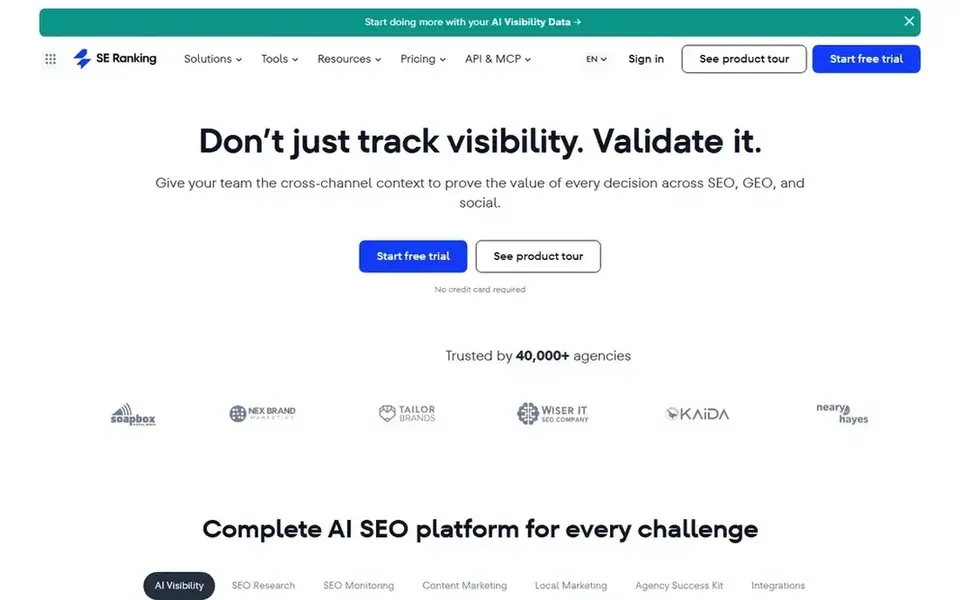
SE Ranking is an SEO platform with a local rank tracking module. You set your keywords, like "antique store near me" or "vintage furniture [your town]", and it shows where your shop appears in local results over time. That tells you whether your Google Business Profile changes are working.
For an antique store, the useful part is seeing movement after you add categories, photos or new hours. It also lets you compare against other shops in town, which is a reality check on how visible you actually are. Set it to check weekly rather than daily to keep the data readable.
The limit is that it is a broad SEO tool, and you may only use a slice of it. If you want a single-purpose rank checker, this is more than you need. Skip it if you have no interest in looking at ranking data at all.
- Tracks keyword positions in local search results
- shows how your shop ranks in different areas
- includes competitor tracking
- Wider SEO suite than a small shop needs
- local features sit inside a bigger platform
Localo is a Google Business Profile management tool. It walks you through the tasks that actually move a local shop: filling in categories, adding photos of your showroom, posting updates about new stock, and replying to reviews. For an antique dealer who is not a marketer, that checklist format is easier than a blank dashboard.
It fits a shop that wants to keep its profile active without learning a full SEO platform. Posting a photo of a newly arrived oak dresser or a note about a weekend sale keeps the profile fresh, and Google rewards profiles that get updated. The review reply section helps you respond to comments about specific items.
The limit is that it does not manage listings on other directories. If your hours are wrong on Yelp, Localo will not fix that. Skip it if you already have someone handling your Google profile well.
- Focused on Google Business Profile tasks
- helps with posts, photos and review replies
- simple interface for one location
- Narrow scope outside GBP
- best suited to a single shop
Signpost is a customer communication and review request tool aimed at small local businesses. You capture a buyer's details at checkout, and it sends follow-up messages asking for a review and keeping the conversation going. For an antique store with repeat buyers who hunt for specific pieces, that follow-up list has real value.
The practical use is simple: after someone buys a set of chairs, they get a polite request to leave an honest review. You can also use it to tell past customers about a new shipment. Keep the messages plain and never offer anything in exchange for a positive review, since that breaks Google's rules.
The limit is that it does not touch your local listings or rankings. It is a communication tool, not a visibility tool. Skip it if you sell mostly to walk-in tourists who never come back.
- Automates review requests after a sale
- handles customer communication in one place
- built for small local businesses
- Pricing is quote-based
- not a listings or rank tracking tool
Synup is a listings and local marketing platform built around location data. It is a better fit for an antique dealer who runs two or three shops, or a mall with several vendor booths under one brand, than for a single storefront. It keeps names, addresses and hours aligned across directories and monitors reviews in the same place.
The workflow suits a business that is growing: add a location, connect its profiles, and manage everything from one screen. For an antique business with a main shop and a warehouse open by appointment, that structure helps. It also tracks how each location shows up in local search.
The limit is that a single-shop owner will pay for capacity they never use. The setup also takes more time than a simple listings tool. Skip it unless you have more than one location to manage.
- Handles listings for multiple locations
- includes review monitoring
- tracks local visibility
- Built for multi-location businesses
- quote-based pricing
Local Dominator is a local SEO tool that combines rank tracking with citation building. You can see where your shop ranks for local searches and work on the directory listings that feed local results. For an antique store in a town with several competitors, that combination covers the two basics in one place.
The citation side is useful when you open a new shop or move to a bigger space. Getting your name, address and phone consistent across directories is the foundation of local visibility, and the tool helps you work through that list. Rank tracking then shows whether the effort moved anything.
The limit is that it is a smaller product with fewer integrations than the big suites, and the interface takes some getting used to. Skip it if you want a single tool that also handles reviews and social posts.
- Tracks local rankings across search engines
- includes citation building
- aimed at local businesses
- Smaller tool with fewer integrations
- interface is less polished than bigger suites
How I chose
I compared these tools using vendor documentation and public sources, not hands-on tests. I read each vendor's feature pages and help docs, checked what each tool actually covers, and matched that against how an antique store operates: one storefront, irregular hours, one-off inventory, and buyers who check a phone before making the trip.
I weighted listings accuracy, Google Business Profile support, review collection and local rank tracking, because those are the levers a small shop can actually pull. I left out tools that only make sense for national brands or that require a marketing team to run. I also noted where pricing is quote-based, since that affects how you compare them.
What to check before you buy
- Confirm the tool can update your Google Business Profile hours quickly, since antique shops change hours for estate buys and seasonal closures.
- Check whether listings management covers the directories your customers actually use, not just the biggest ones.
- Make sure review requests go to every customer and never filter or reward reviews, which would break Google's guidelines.
- Ask whether local rank tracking covers your town and surrounding areas, since antique buyers often drive in from nearby.
- Confirm the tool supports a single location without forcing you into a multi-location plan.
- Check how easy it is to add photos and posts about new stock, because fresh profile content helps local visibility.
Frequently asked questions
Do antique stores need local SEO tools?
They help, but they are not mandatory. The basics, an accurate Google Business Profile with photos, correct hours and a few honest reviews, do most of the work. Tools become useful when you have listings to fix across directories, reviews to collect steadily, or rankings you want to watch over time.
What is the most important local SEO task for an antique store?
Keeping your name, address, phone and hours consistent everywhere, starting with your Google Business Profile. Antique buyers often decide on a trip after checking a phone, and wrong hours or a moved shop cost you the visit. Reviews and photos come next.
Can I manage my Google Business Profile without a paid tool?
Yes. Google lets you claim and edit your profile for free, add photos, post updates and reply to reviews. Paid tools mainly save time and add tracking. If you have one shop and a few minutes a week, the free route works fine.
How do I get more reviews for my antique shop?
Ask every buyer, in person or by a follow-up email, and make it easy with a direct link. Never offer discounts or gifts for positive reviews, and never filter out unhappy customers. A steady stream of honest reviews, including the occasional mixed one, builds more trust than a wall of perfect scores.
Should I track local rankings if I only have one shop?
It can help you see whether profile changes are working, but do not obsess over it. Check a handful of realistic searches, like "antique store near me" and "vintage furniture [your town]", every week or two. If the numbers do not change, focus on photos, hours and reviews instead.
Sources
See where you really rank - block by block
ProMapRanker scans Google Maps across a grid of your service area. Simple monthly plans from $19, white-label on every plan.
Start freeBrowse all guides
← Best Local SEO Software for Smart Home Installers in 2026Best Local SEO Tools for Appliance Stores in 2026 →
 best local seo software for pond builders
Best Local SEO Software for Pond Builders in 2026
A practical guide to the best local SEO software for pond builders in 2026, covering GBP management, reviews, rank tracking and citation tools.
Read → best local seo software for pet photographers
Best Local SEO Software for Pet Photographers in 2026
A practical guide to the best local SEO software for pet photographers in 2026, comparing listing, review, rank tracking and call tracking tools.
Read → best local seo software for learning centers
Best Local SEO Software for Learning Centers in 2026
A practical guide to the best local SEO software for learning centers in 2026, covering listings, reviews, rank tracking and GBP management.
Read → why is my business not showing up on google
Why Is My Business Not Showing Up on Google? Full Troubleshooting Guide
A complete troubleshooting guide for when your business won't appear on Google Search or Maps, with fixes for each cause.
Read → local falcon alternative
Local Falcon Alternative: Why Agencies Are Switching to ProMapRanker
A Local Falcon alternative that unifies geo-grid and AI search tracking with transparent pricing.
Read → best local advertising platform
Comparing 6 Local Advertising Platforms in 2026
Shortlisting the best local advertising platform? 6 products compared on cost, free access and ideal buyer. Honest caveats for every entry. Decide faster.
Read →More in Local SEO & Google Maps · All guides A to Z by date · Latest guides