 ProMapRanker
Best Listing Management Software for Salons in 2026
Direct answer
My top pick for salons is Uberall, because it is built to keep names, addresses, opening hours, service menus and booking links consistent across many directories at once. Pricing is quote-based, so check its pricing page. If you mainly want to fix inaccurate listings and keep citations clean, BrightLocal and Whitespark are good alternatives for different budgets and workflows.
I compared these tools from vendor documentation and public sources, not from hands-on tests. I looked at how each one handles the details a salon actually deals with: opening hours, holiday closures, service lists, booking links, photos and review replies.
Key takeaways
- Salons live or die on accurate hours and booking links, so listing sync matters more than extra features.
- A listing tool should let you push holiday hours and stylist changes to every directory from one place.
- Photo management is a real salon need, because clients judge a salon by its photos before they call.
- Review replies belong in the same workflow as listings, since most salon searches end in a review check.
- Check which directories each tool actually covers before you buy, because coverage varies a lot.
Quick comparison
| Pick | Great for | Pricing starts at | Free tier | |
|---|---|---|---|---|
 Uberall | Multi-location salons and franchises | See website | Not stated | Visit |
 Yext | Brands that want tight control over listings | See website | Not stated | Visit |
 BrightLocal | Citation cleanup and local visibility audits | See website | No free plan | Visit |
 Whitespark | Careful citation building with human review | See website | Not stated | Visit |
 Moz Local | Simple listing sync for US salons | See website | Not stated | Visit |
 Synup | Listings plus review management for salons | See website | Not stated | Visit |
 Localo | Small single-location salons | See website | Free trial | Visit |
The best listing management software for salons compared
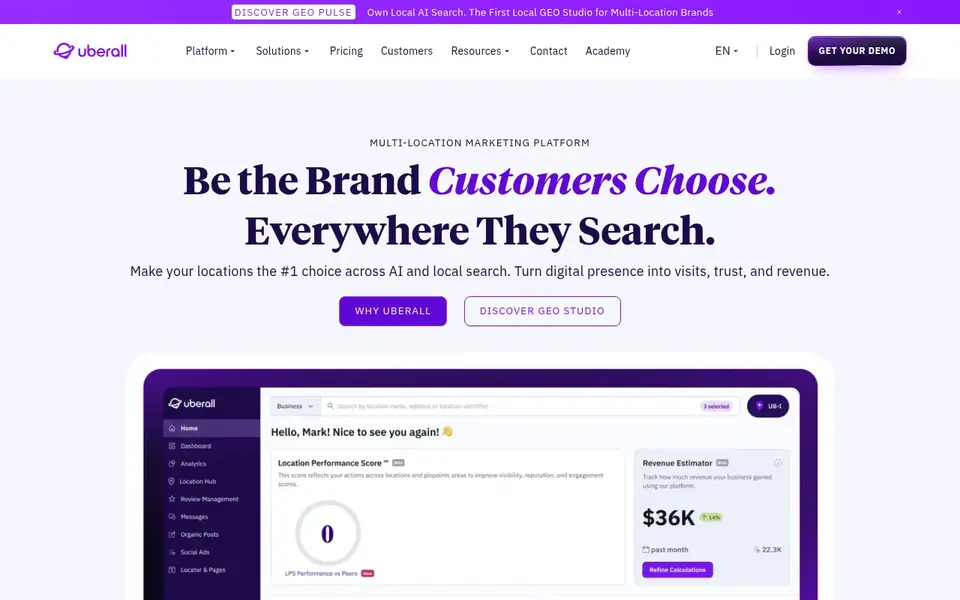
Uberall is a location marketing platform built around keeping business data consistent everywhere it appears. For a salon with two or more branches, that matters because each location has its own hours, stylists and booking link. It fits owners who are tired of fixing the same wrong phone number on five different sites.
In practice, you enter your salon details once and push them to directories, maps and review sites. When you change Saturday hours for summer or add a new stylist to the team page, you update the source record. The tool also handles review monitoring, which suits salons because clients often check reviews right before booking.
The limit is scale. A single-chair salon will pay for coverage it does not need, and pricing is quote-based, so you have to talk to sales. Skip it if you run one location and just want a clean Google Business Profile.
- Strong directory coverage across many countries
- listing sync for hours and services
- review and location tools in one place
- Quote-based pricing
- more than a single salon needs
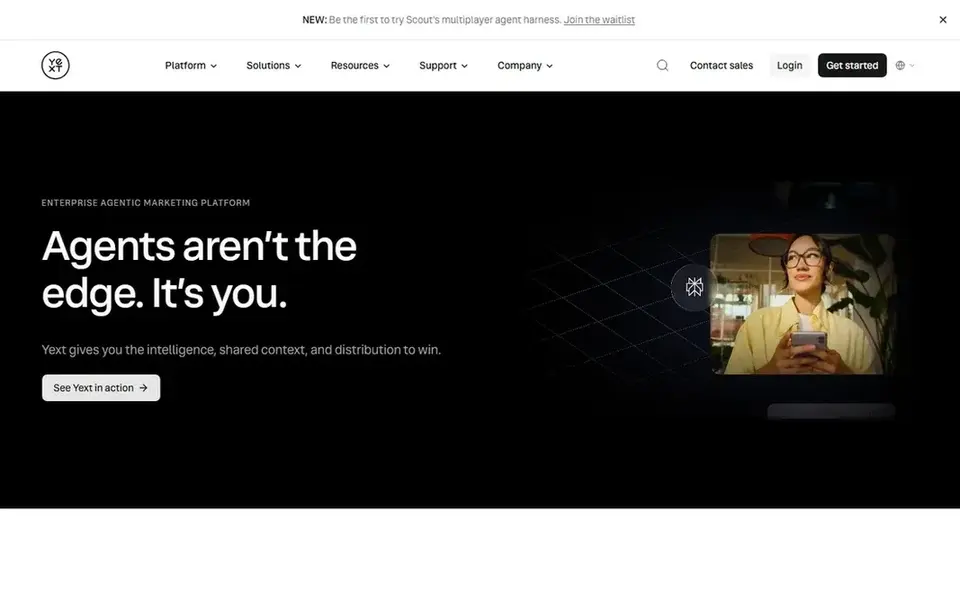
Yext is one of the best-known listing management platforms, and it works by holding your business facts in a central knowledge base and sending them to a large network of publishers. Salons that franchise or run several locations under one brand often look at it for consistency.
For salon use, the value is in standardising things like service categories, booking links and holiday hours across every location. If your brand has a marketing manager who wants one dashboard for all branches, Yext fits that structure. It also handles review monitoring and some local page tools.
The main caution is the contract. Yext has historically worked on subscription terms that renew, so read the details before signing. A small independent salon with one location will likely find it heavier and more expensive than needed.
- Broad publisher network
- strong data control
- good for multi-location brands
- Contract terms need careful reading
- can be costly for small salons
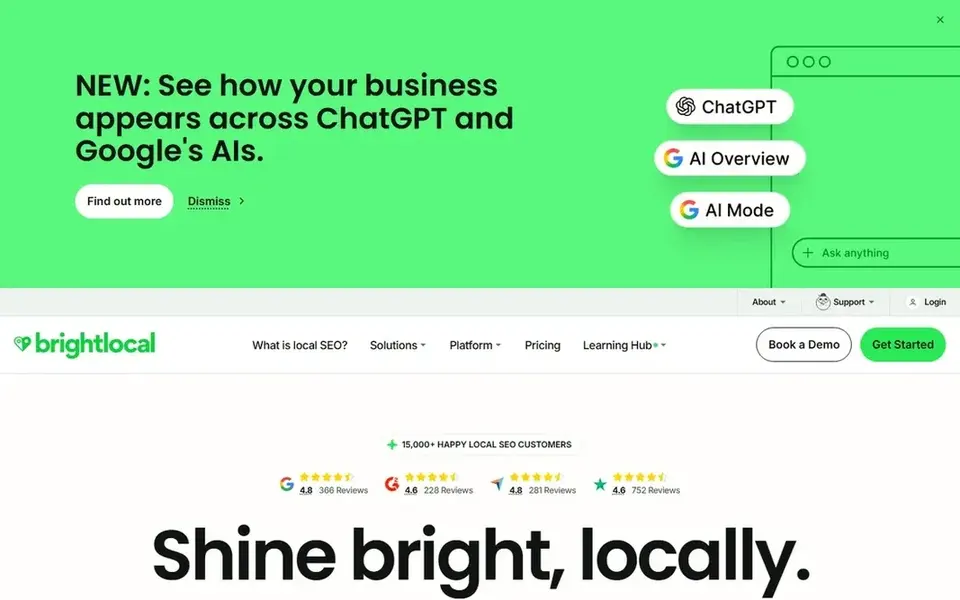
BrightLocal is a local SEO platform with a strong citation audit and building component. For salons, its best use is finding where your name, address and phone number are wrong or duplicated, then fixing those records.
The workflow suits an owner who wants to see the problem before paying for a sync tool. You run an audit, get a list of inconsistent listings, and work through them. BrightLocal also covers review monitoring and local rank checks, which helps you see whether listing fixes are moving the needle.
It is not a set-and-forget sync engine like Uberall or Yext, so do not expect automatic updates everywhere. It works best alongside a listing tool or as a one-off cleanup project for a salon that has never audited its citations.
- Strong citation audit tools
- clear reporting
- good for checking accuracy
- Not a full listing sync engine
- better as a companion tool
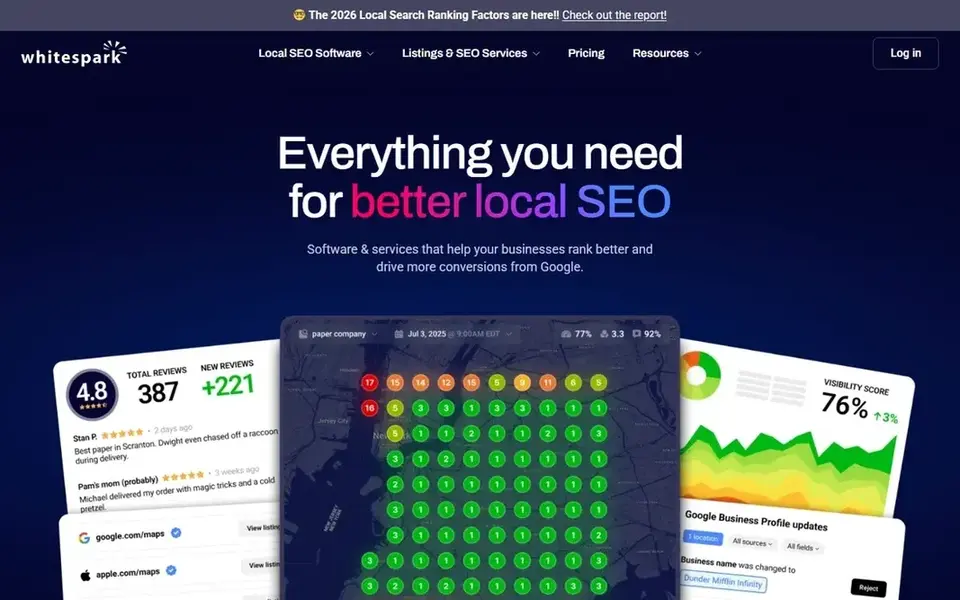
Whitespark is known for citation building and local search tools, and its citation service is done with human review rather than pure automation. That suits salons in competitive areas where the obvious directories are already done and the remaining opportunities are local.
For a salon, that might mean getting listed correctly in city guides, local beauty directories and chamber of commerce pages. The team checks each listing rather than blasting your data everywhere, which reduces the risk of duplicates.
The trade-off is that it is partly a service, so you are paying for people as well as software. If you want a dashboard you log into and sync yourself every week, a platform like Uberall or Synup is a better fit.
- Well-regarded citation service
- good local search knowledge
- handles niche directories
- More service than software
- turnaround depends on the team
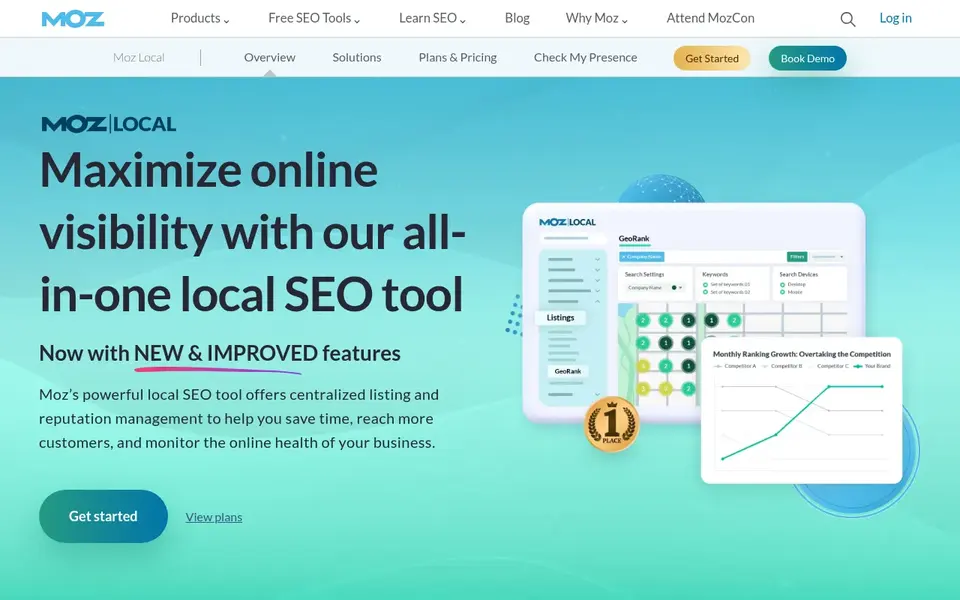
Moz Local is a listing management product from Moz, aimed at keeping your business data consistent on major directories and data aggregators. It is a reasonable starting point for a US salon that wants the basics handled without a complicated setup.
You claim your listing, verify the data and let the tool distribute updates to its network. For a salon, that means hours, address and phone stay aligned, which cuts down on clients turning up when you are closed. It also flags duplicate listings that can split your visibility.
The limitation is geography and depth. If your salon is outside the US, coverage drops, and the tool is less detailed than a full location platform. It suits a single US location more than a multi-country brand.
- Straightforward setup
- ties into Moz's local tools
- good for single locations
- Directory coverage is US-focused
- limited outside the US
Synup is a location marketing platform that combines listing management, review monitoring and local pages. For salons, the appeal is having listings and review replies in one place, since both affect whether someone books.
The workflow is similar to other platforms: you load your salon data, connect directories, and push updates. Synup also lets you respond to reviews from the dashboard, which helps when a client leaves feedback about a stylist or a service. Local pages can help if you run several branches.
The main limit is setup. If your source data is messy, the first sync will surface every inconsistency, so budget time for cleanup. Pricing is quote-based, so smaller salons should ask for a clear breakdown before committing.
- Listings and reviews in one dashboard
- good multi-location support
- local page tools
- Setup needs clean source data
- pricing is quote-based
Localo is a local marketing tool aimed at small businesses, with Google Business Profile management, review handling and local rank tracking. For a one-chair or small team salon, it is a lighter option than an enterprise platform.
The salon use case is straightforward: keep your hours and photos current, watch your map position for searches like "balayage near me", and reply to reviews. The free trial lets you see whether the workflow suits you before paying.
Its limits show up when you need wide directory coverage or manage several branches. Localo is more about Google and the main local channels than syncing to dozens of niche directories, so multi-location salons should look at Uberall or Synup instead.
- Simple interface
- free trial to test
- covers GBP tasks and reviews
- Lighter directory coverage
- less suited to multi-location brands
How I chose
I picked these tools by reading vendor documentation and public sources, then matching each one to how salons actually operate. I did not run hands-on tests, so treat this as a starting shortlist rather than a lab result. The main filter was whether a tool can handle the details that break salon listings: seasonal hours, stylist changes, booking links and photos.
I also weighed limits honestly. Some tools are services, some are platforms and some are simple dashboards, and the right pick depends on whether you run one location or several. Where pricing is quote-based, I say so rather than guessing a figure. Where a tool is US-focused or lighter on directory coverage, I flag it so you are not surprised after signing up.
What to check before you buy
- Confirm the tool covers the directories your clients actually use, including any local or regional ones.
- Check how it handles special hours, because salons change hours for holidays and events often.
- Ask whether booking links and service menus can be pushed to listings, not just name and address.
- Test how review replies work, since salons get feedback tied to specific stylists and services.
- Find out how duplicates are detected and merged, because old listings from a previous owner cause real damage.
- Ask about contract length and cancellation terms before you commit to a quote-based plan.
Frequently asked questions
What is the best listing management software for a single salon?
For one location, a lighter tool like Localo or Moz Local is usually enough. Both keep your core details consistent and help with reviews. If you want wider directory coverage, Uberall works but you will pay for scale you may not need. Start with a citation audit from BrightLocal to see how bad the problem is.
Do salons really need listing management software?
Yes, if you have ever changed your hours and forgotten to update a directory. Salons deal with seasonal hours, stylist turnover and booking links, and those details drift across directories quickly. Software keeps one source of truth and pushes changes out, which reduces missed appointments and wrong-direction calls.
How does listing software handle holiday hours?
Most platforms let you set special hours for specific dates and push them to connected directories. The quality varies, so check which directories accept special hours before you rely on it. Always update your Google Business Profile directly as well, since that is where most salon searches land.
Can listing software help with reviews?
Several tools here include review monitoring and replies, including Uberall, Synup and Localo. They collect reviews from multiple sites into one inbox so you can respond faster. They do not generate reviews for you, and buying reviews breaks Google's guidelines, so keep requests honest and ask every client the same way.
Is BrightLocal a listing management tool?
BrightLocal is better described as a local SEO platform with strong citation audit and building features. It helps you find and fix inaccurate listings, but it is not a full sync engine that updates every directory automatically. Many salons use it alongside a listing tool or as a one-off cleanup.
Sources
See where you really rank - block by block
ProMapRanker scans Google Maps across a grid of your service area. Simple monthly plans from $19, white-label on every plan.
Start freeBrowse all guides
← Best Listing Management Software for Restaurants in 2026Best Listing Management Software for Tutoring Centers in 2026 →
 best listing management software for pool service companies
Best Listing Management Software for Pool Service Companies (2026)
A practical guide to the best listing management software for pool service companies in 2026, compared from vendor docs and public sources.
Read → best listing management software for hvac companies
Best Listing Management Software for HVAC Companies in 2026
A practical guide to the best listing management software for HVAC companies in 2026, covering accuracy, service areas, reviews and local rankings.
Read → best listing management software for contractors
Best Listing Management Software for Contractors in 2026
A practical guide to the best listing management software for contractors in 2026, covering citation sync, Google Business Profile control and review replies.
Read → local search rank tracker
Local Search Rank Tracker: Single-Point vs Geo-Grid Accuracy
Compare single-point and geo-grid local search rank trackers and learn which gives accurate local data.
Read → ai local visibility for plumbers
AI Local Visibility Index for Plumbers: Who ChatGPT and Gemini Recommend
A first-of-its-kind AI visibility index for plumbers: which firms ChatGPT, Gemini, and Perplexity recommend and why.
Read → local seo for acupuncture clinics
Local SEO for Acupuncture Clinics
A local SEO guide for acupuncture clinics: Google Business Profile setup, reviews, and alternative-medicine local SEO.
Read →More in Local SEO & Google Maps · All guides A to Z by date · Latest guides