 ProMapRanker
Best Listing Management Software for Dance Studios in 2026
Direct answer
Whitespark is my first pick for dance studios because it focuses on building and cleaning up the local citations a studio needs to show up in map results, and its pricing is quote-based, so check its pricing page. If you also want review requests and a client-friendly dashboard, BrightLocal and GatherUp are worth a look for different needs.
I compared these tools from vendor documentation and public sources rather than running hands-on tests. My focus was on how each one handles the listing and review tasks a dance studio actually faces: keeping hours and addresses correct, managing reviews from parents, and handling more than one studio location.
Key takeaways
- Dance studios usually need clean name, address and phone data across directories more than they need a complex enterprise platform.
- A studio with one location can start with a citation-focused tool and add review software later.
- Multi-location studios and franchised schools benefit from a platform that pushes one consistent record to many directories.
- Review requests matter for studios because parents often choose a class based on what other parents say.
- Check that any tool lets you edit listings yourself, because studio hours and class schedules change by season.
Quick comparison
| Pick | Great for | Pricing starts at | Free tier | |
|---|---|---|---|---|
 Whitespark | Citation building and cleanup | See website | Not stated | Visit |
 BrightLocal | Citation audits plus review tools | See website | Free trial | Visit |
 Moz Local | Simple single-location listing sync | See website | Not stated | Visit |
 Yext | Large multi-location and franchise networks | See website | Not stated | Visit |
 Uberall | Multi-location listing control | See website | Not stated | Visit |
 GatherUp | Review requests and feedback | See website | Free trial | Visit |
 Semrush Local | Studios already using Semrush | See website | No free plan | Visit |
The best listing management software for dance studios compared
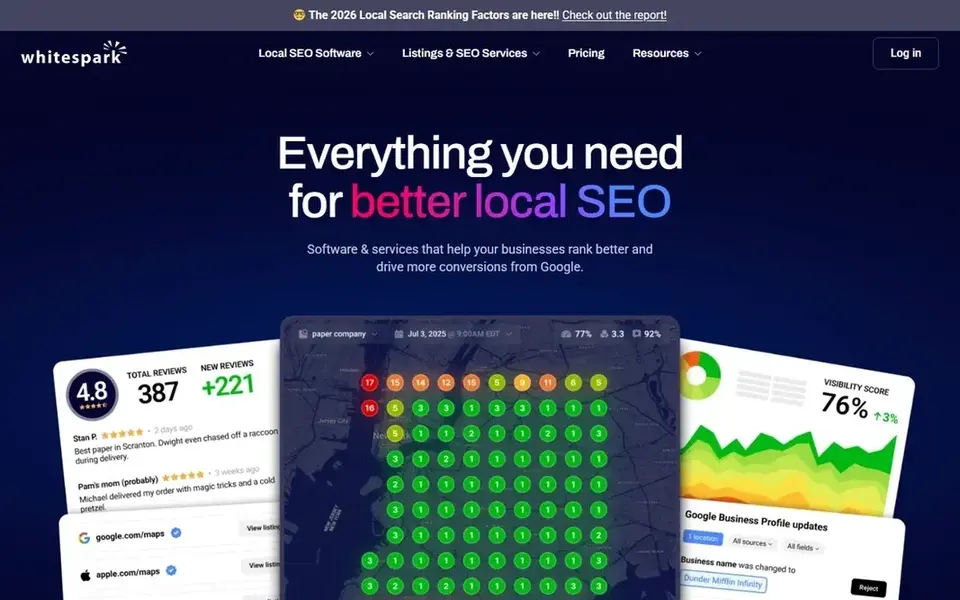
Whitespark is a local search company that builds citation and listing tools around getting a business found in map results. For a dance studio, the useful part is the citation builder and the duplicate finder, which help you correct old addresses, outdated phone numbers and inconsistent studio names across directories.
The workflow fits a studio that has moved locations or changed its name. You research where the studio should be listed, submit or fix those records, and track them over time. It also pairs well with a Google Business Profile cleanup, which matters when parents search for "dance classes near me" and compare what they see.
The limit is reviews. Whitespark is not a review-request platform, so a studio that wants automated review invitations after a recital or a term ends will need a second tool. Studios that mainly want review management should skip it.
- Strong citation research and building workflow
- clear duplicate-finding process
- useful local ranking tools alongside listings
- Review features are lighter than review-first platforms
- pricing is quote-based
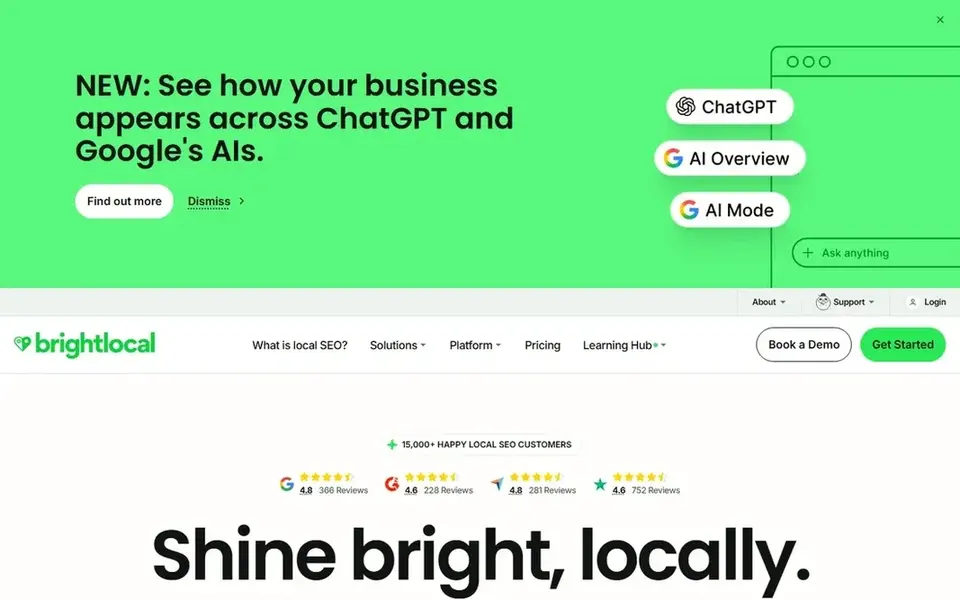
BrightLocal is a local marketing platform built around citations, reviews and local rank tracking. A dance studio can use it to audit where the studio is listed, fix inconsistent records, and monitor reviews from parents across Google and other sites.
The practical workflow is straightforward. You run a citation audit, work through the list of directories that need a fix, then set up review monitoring so new feedback reaches one inbox. For a studio with a front desk that already handles parent questions, that single view saves time.
The platform is bigger than a small studio needs. If you only want to fix a handful of listings once, a simpler tool may be enough. Studios planning steady local marketing will get more from it.
- Citation audit and building in one place
- review monitoring and request tools
- local rank tracking included
- Feature set can feel large for a single studio
- some features are add-ons
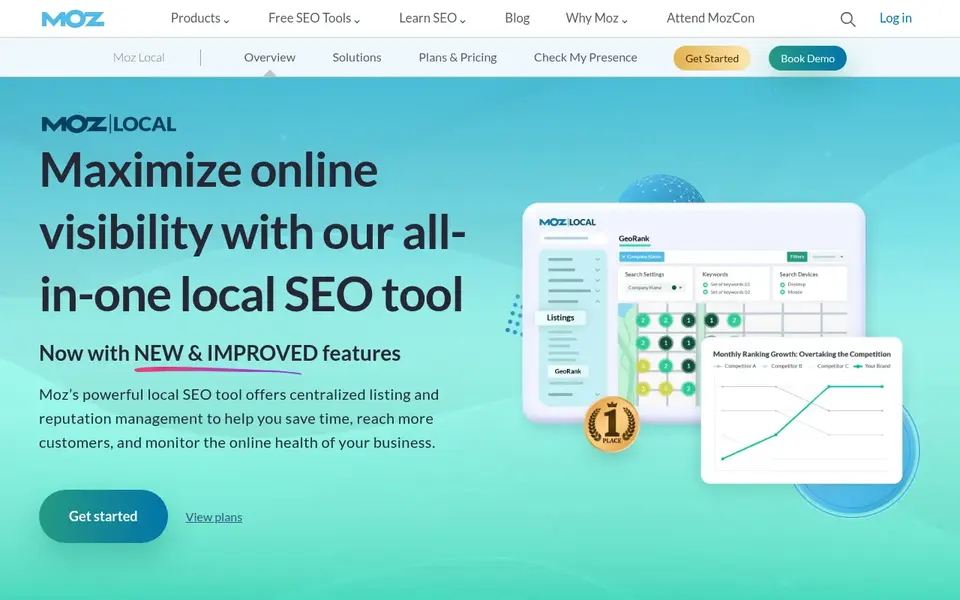
Moz Local is the local listing product from Moz, a well-known SEO software company. It pushes your studio's business data to major directories and data aggregators, which is the basic work of keeping a studio's name, address and phone number consistent.
For a single dance studio, that simplicity is the point. You enter the studio details once and let the tool distribute them, then check for duplicates and errors. A studio owner who does not want a complicated dashboard can work through it without much training.
It is not built for a large franchise with many locations, and its review tools are basic. Studios that need heavy review automation should look at a review-first platform instead.
- Straightforward listing distribution
- ties into Moz's local SEO tools
- easy to understand for non-specialists
- Less depth for large networks
- review features are limited
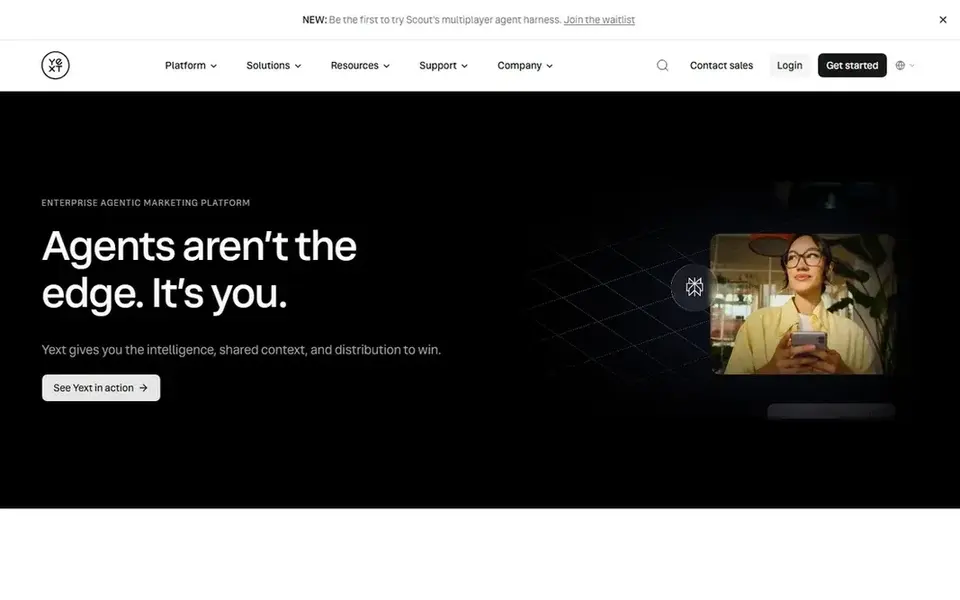
Yext is an enterprise listing management platform that lets a business control its information across a wide set of directories and services. A dance studio chain or franchise with several locations can keep every branch's hours, address and contact details consistent from one place.
The value shows up when a network adds a new studio or changes term dates across locations. Instead of editing each directory by hand, the team updates the record once. That control matters when parents search for a specific branch.
The trade-off is scale. Yext is aimed at larger organizations, pricing is quote-based, and a single small studio will likely find it more than needed. Solo studios should skip it.
- Broad directory coverage
- strong control over business data
- useful for franchises with many studios
- Quote-based pricing
- setup takes more effort
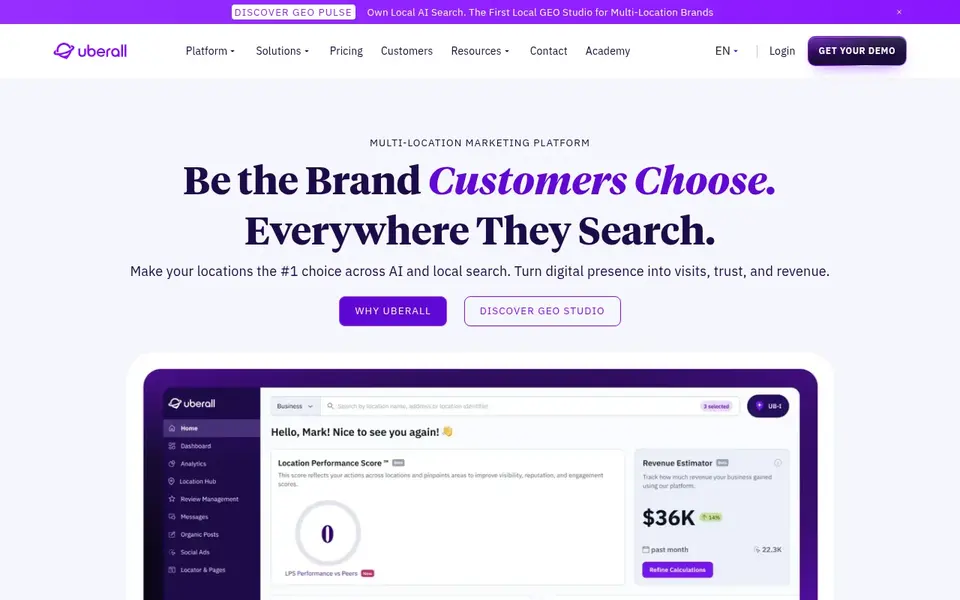
Uberall is a location marketing platform for businesses with multiple sites. A dance school with several studios can manage listings, respond to reviews and keep branch details aligned from one dashboard.
For studios, the useful part is branch-level control. Each location can have its own hours and contact details while the brand record stays consistent. That helps when a parent searches for the studio closest to them and compares opening times.
It is not a small-studio tool. The setup and pricing suit businesses with a real multi-location footprint, so a single studio owner should look elsewhere.
- Central control for many locations
- listing and review features together
- built for brand consistency
- Aimed at larger businesses
- pricing is quote-based
GatherUp is a customer feedback and review management platform. A dance studio can send review requests to parents after a term or a recital, collect feedback privately first, and monitor what appears on public review sites.
The fit for a studio is the parent relationship. Most dance schools run on word of mouth, and a steady flow of honest reviews helps new families decide. GatherUp keeps those requests and responses organized without much manual work.
It does not replace a citation tool. If your studio's address or phone number is wrong across directories, you still need listing software. Studios that mainly want reviews will find it useful.
- Simple review request workflow
- feedback collection in one place
- works well for service businesses
- Listing sync is not the main focus
- needs another tool for citations
Semrush Local is the local listing and reputation module inside the Semrush SEO platform. A dance studio that already uses Semrush for website SEO can manage its business listings and reviews in the same account.
The benefit is consolidation. Instead of paying for a separate listing tool, a studio that already tracks search visibility can keep listing data, review monitoring and rank checks together. For a studio with a marketing-minded owner, that is convenient.
The limit is commitment. It only makes sense if you already use Semrush, and a studio that just wants clean listings will find it heavy. Small studios with no SEO work should skip it.
- Listing management inside a broader SEO suite
- useful if you already track local rankings
- one login for several tasks
- Requires a Semrush subscription
- more than a studio needs if you only want listings
How I chose
I picked these tools by reading vendor documentation and public sources, then judging each one against how a dance studio actually operates. I did not run hands-on tests, so my notes describe what each vendor says it does and where its limits appear to be.
The main filter was fit. A studio needs correct hours, an address that matches the door parents walk through, and a way to hear from families. Tools that only serve large enterprises, or that bury listing work inside an unrelated product, ranked lower. I also noted when a tool is review-first rather than listing-first, because a studio may need both jobs done and should not assume one platform covers everything.
What to check before you buy
- Confirm the tool can update your Google Business Profile hours, including term-time and holiday schedules.
- Check whether it handles duplicate listings, since studios that move or rename are prone to old records.
- Ask whether review requests can be sent to parents in a way that follows Google's review policies.
- Confirm the tool supports the number of studio locations you have now and expect to add.
- Check how you edit a listing after setup, because class times and contact details change often.
- Read the cancellation and data-export terms so you are not locked in if you switch tools.
Frequently asked questions
Do dance studios really need listing management software?
A studio with one location can often fix its main listings by hand. Software helps when you have several directories to correct, more than one location, or you want review requests handled in one place. It saves repeated manual work rather than replacing the need to check your own business information.
Will listing software improve my studio's Google Maps ranking?
It can help by keeping your name, address and phone number consistent, which supports local visibility. It is not a guarantee. Google also weighs relevance, distance and prominence, so listings work best alongside a complete Google Business Profile and honest reviews from real families.
Can I ask parents for reviews?
Yes, you can ask customers for reviews. What you should not do is offer incentives, filter out unhappy customers before they review, or write reviews yourself. Follow Google's review policies and ask all families in the same way.
What is the difference between listing software and review software?
Listing software pushes your business details to directories and fixes duplicates. Review software sends requests, collects feedback and monitors public reviews. Some platforms do both, but many studios end up using one tool for each job.
How many locations can these tools handle?
It varies. Moz Local and Whitespark suit a single studio or a small number of sites, while Yext and Uberall are built for larger networks and franchises. Check the vendor's documentation for your location count before you commit.
Sources
See where you really rank - block by block
ProMapRanker scans Google Maps across a grid of your service area. Simple monthly plans from $19, white-label on every plan.
Start freeBrowse all guides
← Best Listing Management Software for Carpet Cleaners in 2026Best Listing Management Software for Handymen in 2026 →
 best listing management software for bike shops
Best Listing Management Software for Bike Shops in 2026
A bike shop owner's guide to listing management software in 2026. Compare tools for Google Business Profile, citations, reviews and local rankings.
Read → best listing management software for appliance repair companies
Best Listing Management Software for Appliance Repair Companies (2026)
A practical guide to the best listing management software for appliance repair companies in 2026, covering Google Business Profile, citations and reviews.
Read → best google business profile management software for painters
Best Google Business Profile Software for Painters in 2026
A painter's guide to Google Business Profile management software for 2026: profiles, reviews, photos and calls, compared from vendor docs and public sources.
Read → how to rank in the map pack
How to Rank in the Google Map Pack (Local 3-Pack): The Complete 2026 Guide
Learn how to rank in the map pack in 2026 with a proven, step-by-step playbook covering GBP optimization, reviews, citations, and geo-grid tracking.
Read → local seo for martial arts studios
Local SEO for Martial Arts Studios
A local SEO guide for martial arts studios: Google Business Profile setup, reviews, and youth-program-focused local search visibility.
Read → google business profile messaging
Google Business Profile Messaging: Setup and Best Practices
How to set up and use Google Business Profile messaging to convert more local searchers into customers.
Read →More in Local SEO & Google Maps · All guides A to Z by date · Latest guides