 ProMapRanker
Best Keywords Tool in 2026: 10 Tools Compared

Key takeaways
- Ahrefs is our pick for serious keyword and backlink research, with deep data and difficulty scores that many professionals trust.
- Semrush suits teams that want keyword research plus PPC, content, and site audits in one suite, though it costs more than a single-purpose tool.
- Google Keyword Planner and Google Search Console are free starting points, and they show real Google data, though Planner volumes are broad ranges.
- Mangools, Ubersuggest, and AnswerThePublic suit small budgets and simple research, while SE Ranking and Serpstat offer strong mid-priced suites.
- Match the tool to your monthly research volume, since credit and query limits on cheaper plans can block a busy content team.
Quick comparison
| Pick | Great for | Pricing starts at | Free tier | |
|---|---|---|---|---|
 Ahrefs | Deep keyword and backlink research | $129 per month | Yes | Visit |
 Semrush | All-in-one SEO, content, and PPC research | $139 per month | Free trial | Visit |
 Moz Pro | Beginners and teams that value clear metrics | $99 per month | Free trial | Visit |
 SE Ranking | Mid-priced all-in-one SEO for agencies | $129 per month | Free trial | Visit |
 Mangools | Simple, clean keyword research | $29.90 per month | Free trial | Visit |
 Ubersuggest | Budget keyword research for small sites | $12 per month | Yes | Visit |
 Serpstat | Research, rank tracking, and audit in one lower-priced suite | $69 per month | Free trial | Visit |
 SpyFu | Competitor keyword and PPC history | $39 per month | Yes | Visit |
 Google Keyword Planner | Free search volume data from Google itself | Free | Yes | Visit |
 AnswerThePublic | Finding the questions people ask | See website | Yes | Visit |
The best keywords tools
A good keyword tool answers three questions: what people search, how hard a term is to rank for, and what competitors already win. The ten tools below range from free Google tools to professional suites, so you can start cheap and move up as your content work grows.
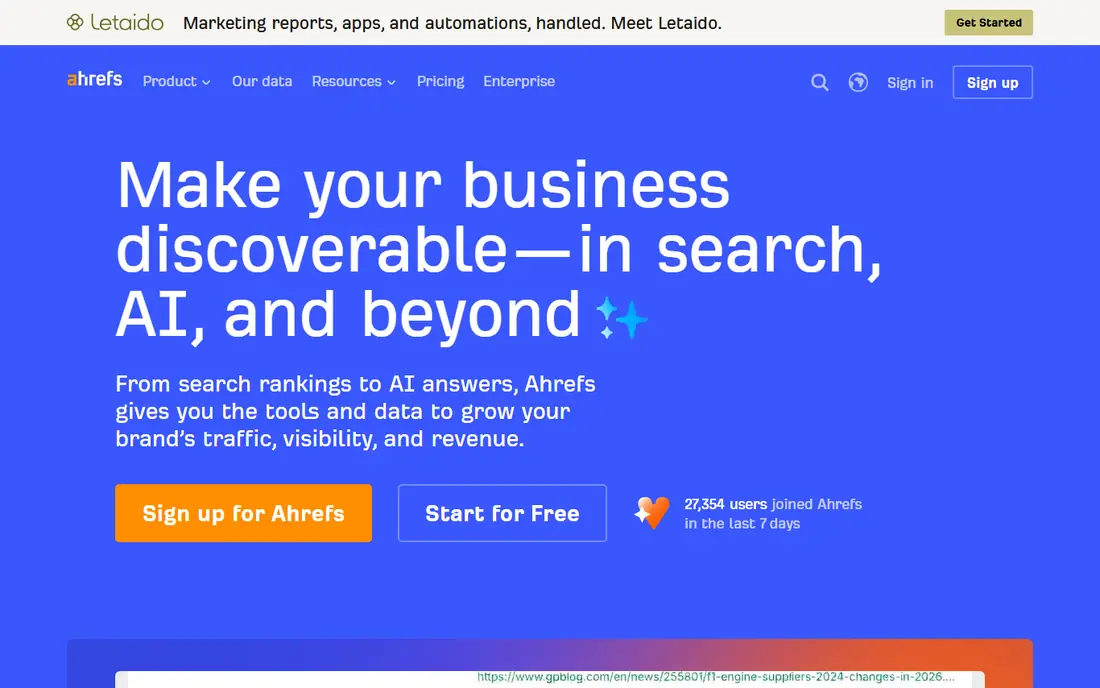
Ahrefs Keywords Explorer is the tool many SEO professionals open first. It shows search volume, keyword difficulty, click data, parent topics, and related terms, and it links each keyword to the pages and backlinks that rank for it. That connection between keywords and links helps a content team judge not just demand, but what it will take to win. Ahrefs Webmaster Tools also gives free Site Explorer and audit access for sites you verify, which is genuinely useful for a small site owner.
The Lite plan starts at $129 per month, with 1,000 credits a month per user shared across research tools, so heavy research can hit limits. Standard, at $249 per month, removes the credit limit. For a professional team that lives in keyword data daily, Ahrefs is worth it. For a small site publishing a few posts a month, Mangools or Ubersuggest may cover the same basic research for far less.
- Large keyword database
- Trusted difficulty scores
- Strong competitor and backlink data
- Lite plan limits credits and tracked keywords
- Steep price for small sites
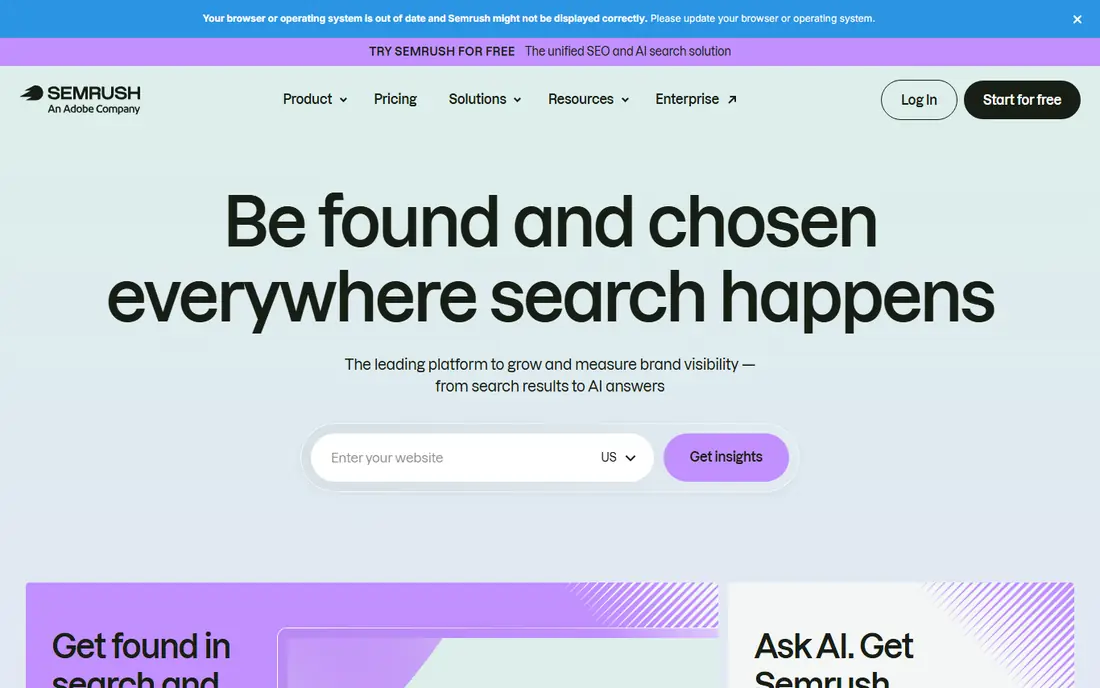
Semrush covers keyword research through its Keyword Magic Tool, which groups millions of related terms by intent, question, and topic, and pairs that with competitor research, PPC ad history, site audits, and rank tracking. Teams that run both SEO and paid search get extra value, since the same suite shows which keywords competitors buy ads for and what those ads say. A free plan with limited daily reports lets you test the basics before paying.
The entry SEO plan starts at $139 per month, or $117.33 per month on annual billing, and extra users cost more, so a team bill can climb. The interface also packs in many tools, which can overwhelm a beginner. Pick Semrush when you want one suite for SEO, content, and PPC, and you will use more than keyword research alone. Pick Ahrefs when backlink depth matters most.
- Huge keyword database with intent labels
- PPC and competitor ad research
- Site audits and rank tracking in one suite
- High price
- Extra users and reports add cost
- Interface can feel crowded
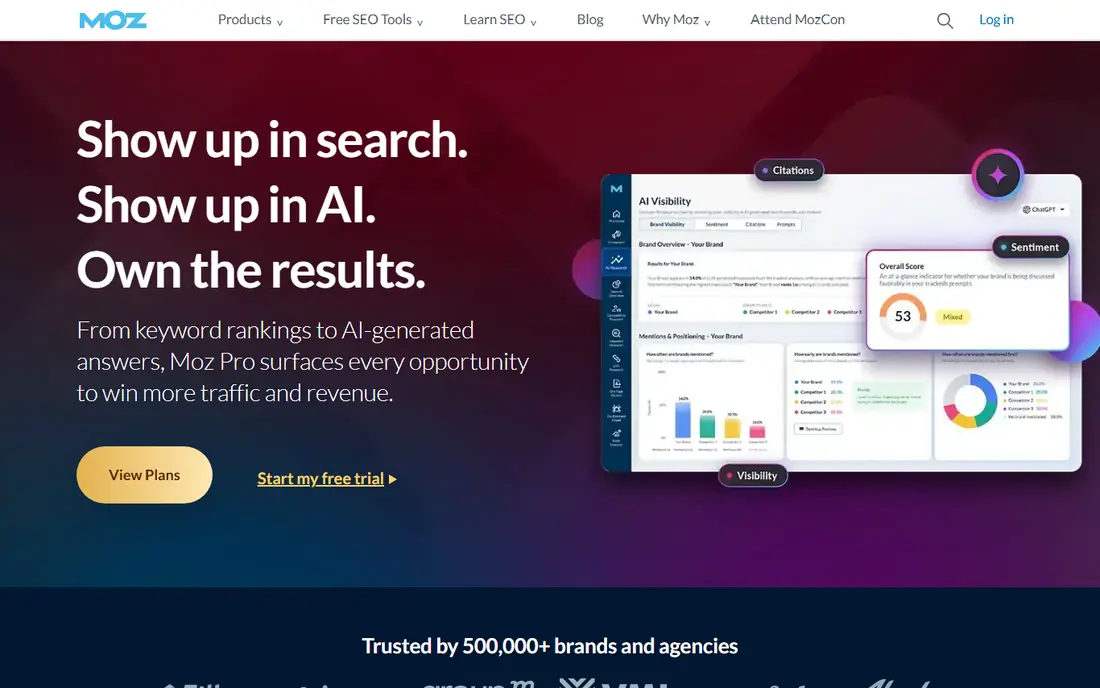
Moz Pro is the friendliest of the major suites, with Keyword Explorer, rank tracking, site audits, and link research in a clean interface. Its Priority Score combines volume, difficulty, and opportunity into one number, which helps a beginner decide which keywords to target first. Domain Authority, Moz's long-running site strength metric, remains a common benchmark in client reports and link outreach.
The Standard plan starts at $99 per month, or $79 on annual billing, but it includes only 150 keyword queries a month, so a busy team can hit the limit fast. The keyword index is also smaller than the largest rivals. Moz fits a small team or a beginner who wants a clear, guided suite and publishes at a modest pace. A high-volume content team should check query limits closely before choosing it.
- Friendly interface and clear Priority Score
- Domain Authority benchmarking
- Good learning resources
- Smaller keyword index than Ahrefs or Semrush
- Standard plan limits keyword queries
SE Ranking bundles keyword research, rank tracking, site audits, competitor research, and reporting in one platform, with API access on every plan. That combination suits small agencies and in-house teams that need client reports and tracking without buying several tools. The Core plan starts at $129 per month, or $103.20 on annual billing, with higher tiers for more projects and keywords.
Its keyword database is smaller than Ahrefs or Semrush, though still large enough for most niches, and some advanced features arrive as add-ons. For a mid-size team that wants a capable suite at a predictable price, SE Ranking is a strong middle ground. For the deepest backlink or keyword data in a competitive niche, Ahrefs or Semrush still leads.
- Keyword research, tracking, and audits in one plan
- API on every plan
- Clear project-based pricing
- Database smaller than the top two suites
- Add-ons can raise the final bill
Mangools is a suite of five tools, with KWFinder as the keyword research core. It shows search volume, difficulty, trend, and the actual search results for a term, so a writer can judge competition at a glance. The interface is clean and fast, which makes it a good fit for a solo blogger, a small agency, or a business owner doing their own SEO. SERPChecker, SERPWatcher, LinkMiner, and SiteProfiler round out the suite.
Pricing starts at $29.90 per month, with higher tiers for more lookups and tracked keywords. Lower plans cap daily lookups, so a team researching hundreds of terms a day may need a higher tier. Mangools is our pick for simple, affordable keyword research when you do not need a full enterprise suite. It trades database depth for clarity and price, and for many small sites that trade is worth it.
- KWFinder is easy to learn
- Clear difficulty and volume display
- Includes SERP checker and rank tracking
- Smaller database than major suites
- Daily lookup limits on lower plans
Ubersuggest, from Neil Patel, offers keyword ideas, search volume, difficulty scores, and competitor content ideas at a low price. The free tier allows limited searches per day, which suits a beginner testing an idea, and the Individual plan starts at $12 per month, with lifetime license options also offered at times. For a small site on a tight budget, it covers the basics: find terms, check demand, and spot content gaps.
The data is less deep than Ahrefs or Semrush, and difficulty scores should be treated as a rough guide rather than a precise forecast. A site in a competitive niche will still need a stronger tool for final decisions. Ubersuggest fits a hobby blogger, a local business, or a startup that needs usable keyword ideas now and cannot yet justify $100 or more a month.
- Low entry price
- Keyword ideas, volume, and difficulty in one view
- Free limited searches
- Data depth and accuracy trail the major suites
- Advanced features need higher plans
Serpstat combines keyword research, competitor analysis, rank tracking, and site audits, with a keyword clustering feature that groups related terms into content topics. That clustering helps a content team turn a long keyword list into a sensible set of articles instead of many overlapping posts. Entry pricing starts from $69 per month, which undercuts the major suites while covering similar ground.
The interface is denser than Mangools or Moz, so new users should allow time to learn it, and database depth varies by country, with stronger coverage in some regions than others. For a team that wants a full suite at a mid-range price and works in a well-covered market, Serpstat is a solid value pick. Check your target countries in a trial before committing.
- Keyword clustering and competitor research
- Rank tracking and audits included
- Lower entry price than top suites
- Interface takes time to learn
- Database coverage varies by country
SpyFu answers a different question from most keyword tools: what are your competitors already doing. It shows the organic and paid keywords a domain ranks or bids for, with history going back years, plus ad copy and estimated ad spend. That history helps a team spot a competitor's long-term strategy, find terms they rely on, and catch gaps they have missed. The Basic plan starts at $39 per month, with limited free searches for testing.
As a pure keyword discovery tool, SpyFu is thinner than Ahrefs or Semrush, since its strength is competitor data rather than a giant keyword index. Pair it with a discovery tool, or use it alone when competitor research is the main job. For a business entering a market with clear rivals, SpyFu can pay for itself with a single insight about a competitor's best terms.
- Long competitor keyword and ad history
- Shows which terms competitors buy and rank for
- Low entry price
- Weaker as a standalone keyword discovery tool
- Interface feels dated
Google Keyword Planner is Google's own keyword tool, free with a Google Ads account. It gives keyword ideas from a seed term or a website URL, monthly search volumes, competition levels, and bid estimates for paid search. Because the data comes from Google, it is a useful reality check against third-party estimates, and it is the natural starting point for any paid search campaign.
The catch is precision. Without active ad spend, volume figures appear as broad ranges rather than exact numbers, and the tool is built for advertisers, so organic difficulty and ranking data are absent. You also need a Google Ads account, with billing details entered for some features. Use Keyword Planner as a free foundation, then add a paid tool like Mangools or Ahrefs when you need difficulty scores and competitor depth.
- Free with a Google Ads account
- Volume data straight from Google
- Keyword ideas from a term or URL
- Volume ranges are broad without ad spend
- Needs a Google Ads account and billing details for full features
AnswerThePublic turns a seed keyword into a visual map of questions, comparisons, and related phrases people actually search, such as what, why, how, and versus queries. That output is gold for content planning: it shows the exact questions a blog post, FAQ page, or video should answer, in the words searchers use. A free tier allows limited searches, with paid plans for higher limits and team use.
On its own, it does not show search volume or ranking difficulty, so pair it with Keyword Planner, Mangools, or Ahrefs to judge which questions are worth targeting. Used that way, it fills a gap the big suites handle less well: the human phrasing behind a keyword. For any content team that writes to answer real questions, AnswerThePublic earns a place next to a volume tool.
- Visual maps of questions, prepositions, and comparisons
- Great for content ideas
- Free limited searches
- No volume or difficulty data on its own
- Needs pairing with a volume tool
How we picked these
We compared official pricing pages, database claims, free tiers, and public reviews for tools that provide keyword volume, difficulty, or question data today. We favored tools with current published pricing or a clear free tier, and we mixed professional suites, budget tools, and free Google tools so different budgets can find a fit. Where pricing varies by billing period or plan, we wrote See website rather than stating a single figure as final.
What to check before you choose
Start with your monthly research load. A solo blogger researching ten terms a week needs far less than an agency building content plans for ten clients. Check credit, query, and lookup limits on the plan you would actually buy, not the top tier. Next, test accuracy in your niche: run the same ten terms through two tools and compare volume and difficulty, since estimates differ. Finally, try the free tier or trial with a real content brief. The tool that turns a keyword list into a publishable plan fastest, at a price you can sustain, is the right one.
Frequently asked questions
What is the best keyword tool for SEO?
Ahrefs is the best keyword tool for serious SEO work, thanks to its large database, trusted difficulty scores, and backlink data. Semrush is the best all-in-one alternative when you also need PPC, content, and audit tools. For a small budget, Mangools and Ubersuggest cover the basics well.
What are the 5 best keyword tools?
Five strong picks are Ahrefs, Semrush, Moz Pro, SE Ranking, and Mangools, covering professional suites and a budget-friendly option. Add Google Keyword Planner for free volume data and AnswerThePublic for question ideas, and you have a complete small-team toolkit. The best five for you depend on budget and research volume.
What is the best free keyword tool?
Google Keyword Planner and Google Search Console are the best free keyword tools, since both show real Google data at no cost. Planner gives volume ranges and ideas, while Search Console shows the queries your own site already appears for. Ubersuggest and AnswerThePublic also offer useful free tiers for limited searches.
What is the best tool for keywords on a small budget?
Mangools, starting at $29.90 per month, and Ubersuggest, starting at $12 per month, are the best budget keyword tools. Mangools offers a cleaner interface and a fuller suite, while Ubersuggest offers the lowest entry price. Both suit small sites publishing a few posts a month.
Is Google Keyword Planner enough for keyword research?
Keyword Planner is enough for basic volume checks and paid search planning, but it lacks difficulty scores, competitor rankings, and precise volumes without ad spend. Most content teams pair it with a paid tool like Ahrefs, Semrush, or Mangools for difficulty and competition data before committing to a content plan.
Sources
- https://ahrefs.com/pricing
- https://www.semrush.com/pricing/
- https://moz.com/products/pro/pricing
- https://seranking.com/pricing.html
- https://mangools.com/pricing
- https://neilpatel.com/ubersuggest/pricing/
- https://serpstat.com/pricing/
- https://www.spyfu.com/pricing
- https://ads.google.com/home/tools/keyword-planner/
- https://answerthepublic.com/pricing
See where you really rank - block by block
ProMapRanker scans Google Maps across a grid of your service area. Simple monthly plans from $19, white-label on every plan.
Start freeKeep reading
 top custom software development company
Top Custom Software Development Company in 2026
Looking for a top custom software development company? We compare 9 firms for web, mobile, and enterprise software, covering strengths and fit for 2026.
Read → tableau alternatives
Tableau Alternatives in 2026
Compare the best Tableau alternatives for 2026, from Power BI to Metabase, with prices, hosting options, and picks for small teams and enterprises today.
Read → microsoft teams alternatives
Best Microsoft Teams Alternatives in 2026
Looking for microsoft teams alternatives? We compare 9 chat and video tools for 2026, covering free plans, pricing, meetings, and integrations for teams.
Read →