 ProMapRanker
Best Keyword Research Tool for SEO in 2026

Key takeaways
- Ahrefs and Semrush remain the professional standards, but their monthly cost only makes sense if you use the data weekly.
- SE Ranking and Mangools give small teams most of the core keyword workflow at a lower price.
- Google Keyword Planner and Google Search Console are free and should sit under any paid tool, not instead of basic site data.
- Keyword difficulty scores differ between tools, so compare the same terms in two tools before you trust a single score.
- The best tool is the one whose limits match your volume: tracked keywords, exports, and seats matter more than extra features.
Quick comparison
| Pick | Great for | Pricing starts at | Free tier | |
|---|---|---|---|---|
 Ahrefs | Deep keyword and backlink research | $29 per month | Yes | Visit |
 Semrush | All-in-one SEO, content, and PPC research | $139.95 per month | Yes | Visit |
 SE Ranking | Mid-market teams that want value | $129 per month | Free trial | Visit |
 Moz Pro | Beginners and Domain Authority benchmarking | $99 per month | Free trial | Visit |
 Mangools | Clean, simple keyword research | $29.90 per month | Yes | Visit |
 Ubersuggest | Budget keyword research for beginners | $12 per month | Yes | Visit |
 SpyFu | Competitor keyword and PPC history | $39 per month | Yes | Visit |
 Serpstat | Research, rank tracking, and audit in one lower tier | $69 per month | Free trial | Visit |
 Google Keyword Planner | Free search volume data from the source | Free | Yes | Visit |
The best keyword research tools for seo
We compared these tools on keyword database size, difficulty scoring, competitor research, search intent data, exports, and price, with extra weight on tools that help you move from a keyword list to a content plan.
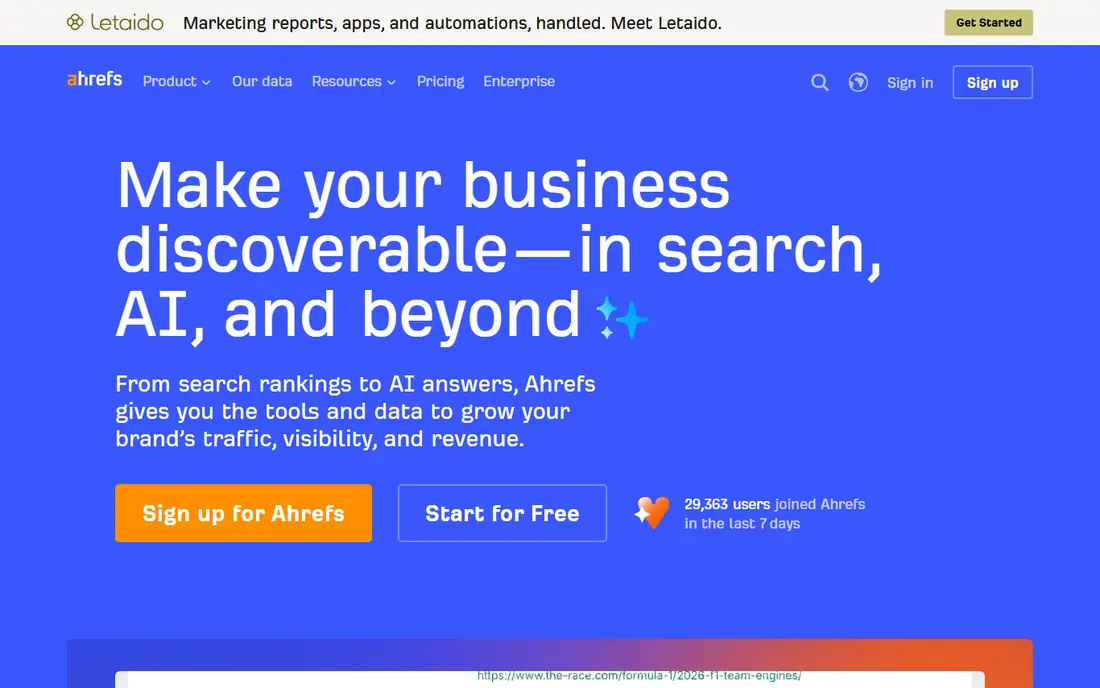
Ahrefs is the tool most SEO professionals open first, and Keywords Explorer is the reason. You can enter a seed term, see related terms with volume and difficulty, and group them by parent topic so a long list becomes a set of pages to write. The clickstream adjusted volume figures and difficulty scores are widely used as a benchmark, even by teams that also pay for another tool.
The pricing needs care. A $29 Starter plan exists, but it is limited, and most working SEOs land on Lite at $129 per month or higher. The free Webmaster Tools tier is genuinely useful for your own verified sites, giving site audits and Site Explorer data without a paid plan. If keyword research drives client work or a large content site, Ahrefs is the safest professional pick.
- Large keyword database
- Trusted difficulty scores
- Parent topic clustering
- Strong competitor and backlink data
- The $129 Lite plan is the realistic entry for serious work
- Rank tracking updates weekly on lower plans
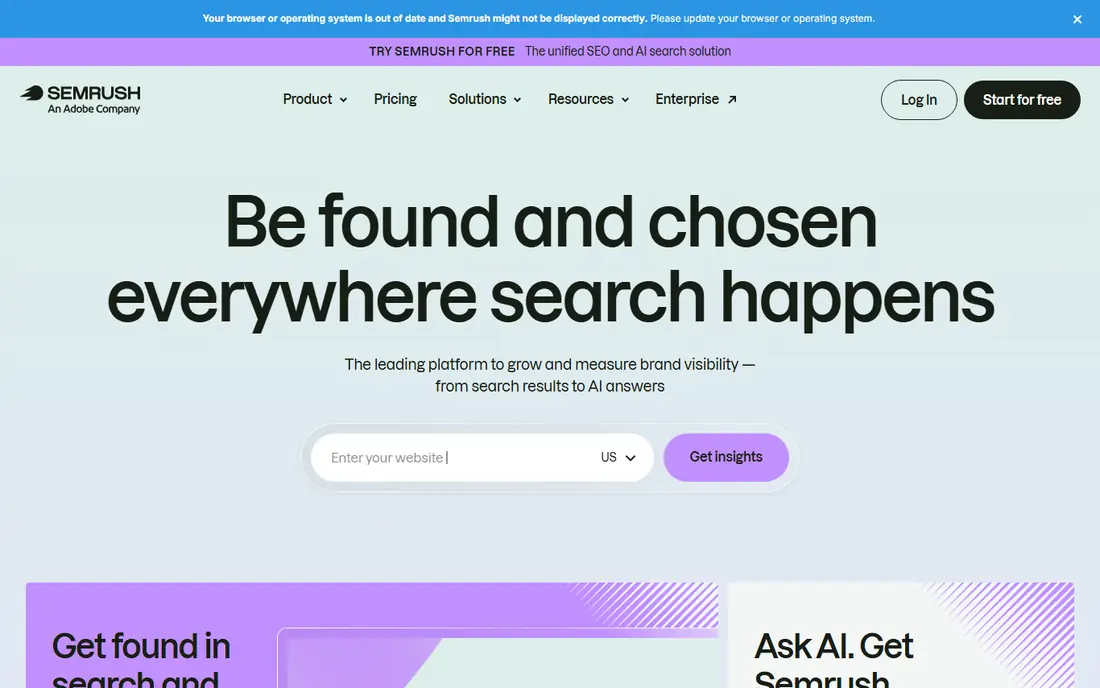
Semrush suits teams that want keyword research, content planning, site audits, and PPC research under one login. The Keyword Magic Tool breaks a seed term into thousands of related terms with intent filters, questions, and difficulty, and the content tools help turn those terms into briefs. If you also run paid search, the shared keyword and competitor data saves a second subscription.
The free plan is limited to a small number of reports per day, so it works as a trial rather than a daily tool. Paid plans start at $139.95 per month for the Pro plan, and larger teams often need higher tiers. For a solo blogger, that price is hard to justify. For an agency or in-house team that uses several Semrush modules each week, the breadth is the point.
- Huge keyword and content toolkit
- Keyword Magic Tool with filters
- Competitor and PPC data in one place
- High monthly cost
- Some advanced features need add-ons
- Interface can feel busy for new users
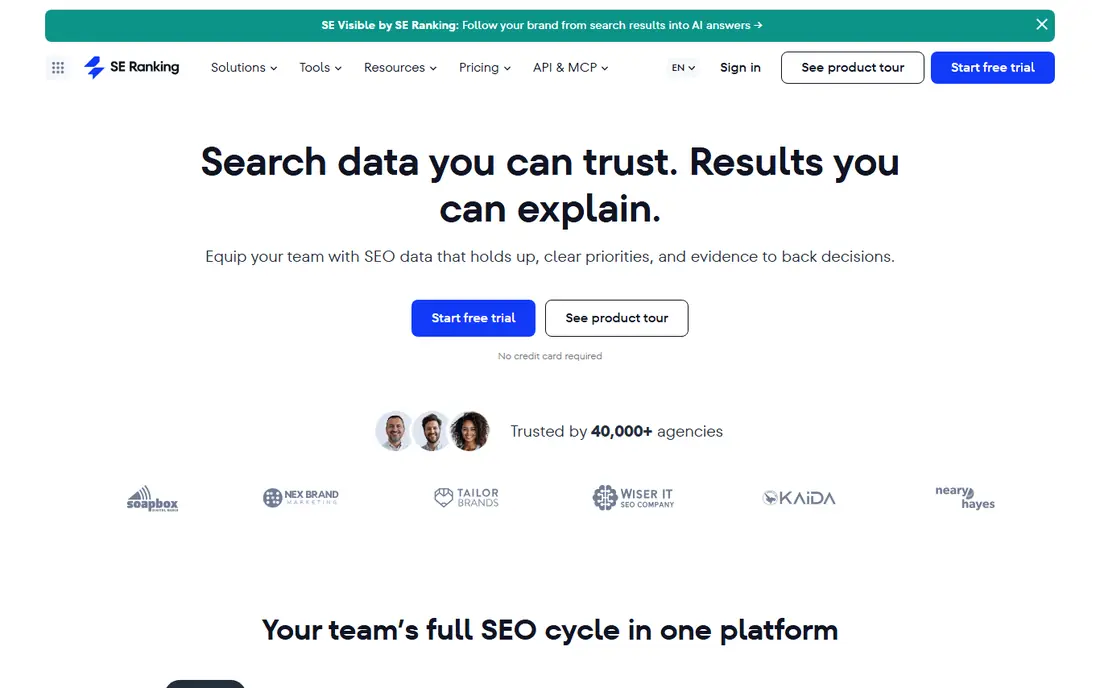
SE Ranking has become a strong middle option for teams that find Ahrefs and Semrush too costly or too complex. The keyword research tool covers volume, difficulty, intent, and competitor gaps, and the same plan handles rank tracking and site audits, so you do not need separate tools for each job. Reporting is clean enough for client work without heavy setup.
The 14-day free trial is the way to test it, because there is no lasting free tier. Core plans are listed from $129 per month in recent roundups, though SE Ranking has also offered lower annual tiers in the past, so check the current pricing page for your team size. If you want one suite for research and tracking at a controlled cost, SE Ranking deserves a trial.
- Keyword research, rank tracking, and audits in one plan
- Clear reporting
- Competitive price for agencies
- Database depth trails Ahrefs on some niches
- No permanent free plan, only a trial
Moz Pro is a good first paid tool for small businesses that want guidance, not just data. Keyword Explorer gives volume, difficulty, organic click-through estimates, and a Priority Score that combines volume, difficulty, and opportunity into one ranking. That single score helps a small team choose which terms to target first without debating three separate metrics.
The trade-off is depth. Moz covers the core terms well, but long-tail and niche coverage can be thinner than the larger databases, and power users may miss the competitor depth of Ahrefs. Standard plans start at $99 per month, with a free trial to test the workflow. If your team is new to SEO and wants a tool that teaches as it reports, Moz is a solid choice.
- Clear Priority Score for keyword choices
- Good learning resources
- Simple interface
- Smaller keyword index than Ahrefs or Semrush
- Higher tiers needed for larger campaigns
Mangools, built around KWFinder, is the tool we recommend to bloggers and small site owners who feel lost in a full SEO suite. You type a term, see difficulty, volume, trend, and the current ranking pages, and you can move on. The interface stays readable, and the learning curve is short, which means the tool actually gets used.
The limits are part of the price. Lower plans cap daily lookups, so heavy research days need planning or a higher tier. Mangools also lacks the backlink depth of Ahrefs, so it pairs well with Google Search Console rather than replacing a full audit tool. At $29.90 per month billed annually for Basic, it is one of the cheapest usable paid options.
- KWFinder is fast and easy to read
- Low cost entry
- Limited free account for testing
- Daily lookup limits on lower plans
- Less competitor and backlink depth than full suites
Ubersuggest is the cheapest paid route into structured keyword research. The Individual plan starts at $12 per month in recent pricing roundups, and the free tier gives limited searches for testing. You get keyword ideas, volume, difficulty, content ideas, and basic competitor domains, which covers the core workflow for a new blog or small business site.
Expect limits. The database and competitor detail do not match the professional suites, and serious agencies will outgrow it quickly. That is not a flaw at this price; it is the trade you make. If your budget is tight and you need a real keyword workflow rather than guesswork, Ubersuggest is the place to start, with a clear upgrade path later.
- Very low entry price
- Simple keyword ideas and content suggestions
- Free limited searches
- Data depth is basic compared with Ahrefs
- Some features feel thin for professional campaigns
SpyFu answers a different question from most tools on this list: what have your competitors ranked for, and for how long? That history helps you spot terms a rival has defended for years, which often signals commercial value, and it shows PPC terms alongside organic rankings. For competitive niches, that history is more useful than a fresh list of related terms.
The Basic plan starts at $39 per month, and free searches let you test a domain before paying. SpyFu is not the best primary keyword database for broad discovery, so use it alongside a broader tool or Google data. As a competitor lens, it earns its monthly cost for agencies and in-house teams in contested markets.
- Long competitor keyword history
- PPC and organic data together
- Limited free searches
- Keyword database is narrower than Ahrefs
- Interface feels dated in places
Serpstat suits teams that want clustering and a full suite without paying top tier prices. Its keyword research includes clustering, which groups related terms into topics, and the same subscription covers rank tracking and site audits. That bundle reduces the number of tools a small agency must manage.
Plans start from $69 per month in recent roundups, with a free trial rather than a permanent free plan. The interface is less polished than Mangools, and data depth can vary outside large English speaking markets. If you work in bulk and want clustering as a core feature, Serpstat is worth testing against SE Ranking.
- Keyword clustering built in
- Research, tracking, and audit together
- Fair price for the bundle
- Interface takes time to learn
- Data depth varies by region and niche
Google Keyword Planner is free, but it is not a full SEO tool, and that distinction matters. It gives keyword ideas and volume ranges from Google itself, which makes it a useful check against any paid tool. If a paid tool and Planner disagree sharply on volume, treat both as estimates and look at Search Console data for your own site.
You need a Google Ads account to use it, though you do not need to run ads. Planner lacks difficulty scores, intent labels, and competitor analysis, so pair it with Search Console and, when budget allows, a paid database. As a free starting point and a sanity check, every SEO workflow should include it.
- Free with a Google Ads account
- Volume ranges direct from Google
- Useful for PPC and SEO overlap
- Volume is shown in ranges for most accounts
- No difficulty score or competitor backlink data
How we picked these
We compared official pricing pages, feature pages, and recent October 2026 pricing roundups for tools with a live keyword database, difficulty or opportunity scoring, and export options. We favored tools that serve US search data and that a small business or agency can actually buy today. We left out API only data providers and tools that only track rankings without keyword discovery.
We did not run hands-on ranking tests. Our findings rest on published plan limits, feature pages, and public reviews, and prices shift often, so confirm the plan limits for your team size before subscribing.
How to choose the right tool for your budget
Start with your monthly keyword volume. A blogger who researches ten terms a week needs a different tool from an agency that builds briefs daily. Count how many lookups, exports, tracked keywords, and seats you need, then compare those limits, not just the headline price. A cheap plan with a low lookup cap can cost more in lost time than a mid tier plan.
Next, test difficulty scores on terms you already rank for. If a tool calls a term you rank well for very hard, or a term you cannot rank for easy, its scoring may not fit your niche. Run the same twenty terms through two tools during their trials and keep the one whose scores match your real results. Finally, check whether you need competitor backlink data, PPC data, or content tools. If you only need keyword ideas, Mangools or Ubersuggest may be enough, and the money saved can go to content.
Frequently asked questions
Which seo tool is best for keyword research?
Ahrefs is the best all-round professional choice for depth and difficulty scoring, while Semrush is best if you also need content and PPC tools. For smaller budgets, Mangools and Ubersuggest cover the core workflow at a much lower price.
What is the best free keyword research tool?
Google Keyword Planner and Google Search Console together give free volume ranges and your own real query data. Ahrefs Webmaster Tools adds free site data for domains you verify. No free tool matches a paid database for breadth, so use free tools as a base, not the whole workflow.
How accurate are keyword search volumes?
Volumes are estimates, and tools often disagree, especially on low volume terms. Treat them as a way to compare terms against each other, not as a promise of traffic. Your own Search Console impressions and clicks are the most reliable check once you rank.
Do I need a paid tool if I am just starting?
No. Start with Keyword Planner, Search Console, and Google Trends, and add a paid tool when you publish regularly and need competitor data or bulk exports. Paying early is only useful if you will use the data weekly.
What is keyword difficulty, and should I trust it?
Keyword difficulty is a tool estimate of how hard it is to rank for a term, based on the strength of pages already ranking. Use it to shortlist terms, then check the actual ranking pages yourself. A low score on a term dominated by large brands can still be a hard win.
Sources
See where you really rank - block by block
ProMapRanker scans Google Maps across a grid of your service area. Simple monthly plans from $19, white-label on every plan.
Start freeKeep reading
 best seo management software
Best SEO Management Software in 2026
We compared the best seo management software for audits, rank tracking and keyword research, so you can choose a tool that fits your budget and team today.
Read → best pos software
Best POS Software in 2026: 8 Systems Compared
Compare the best POS software in 2026 for retail and restaurants, with starting prices, processing rates, hardware notes and honest trade-offs for each pick.
Read → best podcast hosting platform
Best Podcast Hosting Platform in 2026
Compare the best podcast hosting platforms for 2026, with pricing, free plans, upload limits, analytics, and distribution, to pick a host for your show.
Read →