 ProMapRanker
Best SEO Management Software in 2026

Key takeaways
- Semrush and Ahrefs lead on data depth, while Moz Pro and Mangools are easier for smaller teams to learn.
- Screaming Frog is the strongest technical crawler here, but it does not track rankings on its own.
- Free plans are limited in this category, so a free trial is the usual way to test a paid suite.
- The best technical SEO tools in this list pair well with a rank tracker, rather than replacing one.
Quick comparison
| Pick | Great for | Pricing starts at | Free tier | |
|---|---|---|---|---|
 Semrush | All-in-one SEO management | $139.95 per month | Free trial | Visit |
 Ahrefs | Backlink analysis and competitor research | $129 per month | No | Visit |
 Moz Pro | Straightforward SEO fundamentals | $99 per month | Free trial | Visit |
 SE Ranking | Affordable agency and small business SEO | See website | Free trial | Visit |
 Mangools | Simple keyword research for beginners | See website | Free trial | Visit |
 Screaming Frog SEO Spider | Deep technical site crawls | Free | Yes | Visit |
 Serpstat | Budget all-in-one SEO research | See website | Free trial | Visit |
 Surfer | Content optimisation for search | See website | Free trial | Visit |
The best SEO management software
We looked for tools that manage SEO work end to end, from research and audits to tracking and reporting, rather than single-feature apps. Prices below come from vendor pages and recent public pricing summaries, and See website means we could not verify the current figure at writing time.
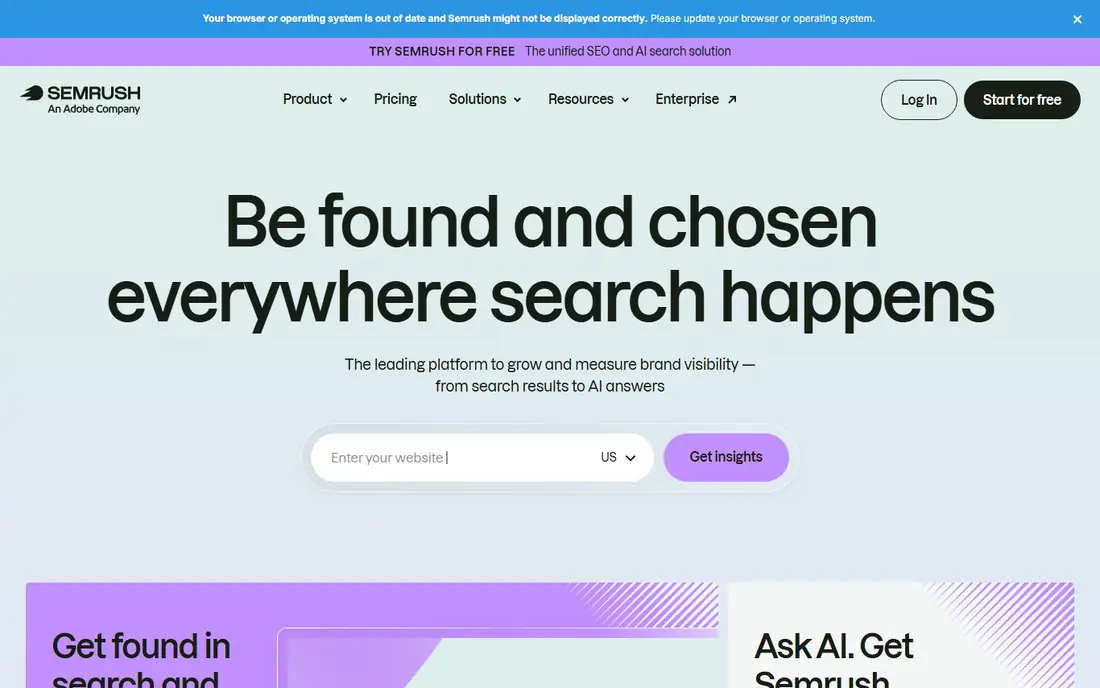
For readers who want all-in-one seo management, Semrush is a strong place to start. It covers keyword research, site audits, backlink checks and rank tracking without stitching together four separate tools. Its strength is breadth, so a small team can run research, audits and reporting from one dashboard. Position tracking, on-page checks and competitor gap views sit alongside PPC and content tools for teams that also run paid search. The catch is the entry plan can feel tight once you add several projects or a large keyword list, and some features sit on higher tiers. Budget for the learning curve, and start with one project so you can see which reports you actually open each week. Our pick for most teams that want one paid SEO workspace rather than a patchwork of single-purpose tools.
- Broad keyword and competitor data
- Site audits and rank tracking in one place
- Reporting tools for clients and teams
- Entry plan limits on projects and tracked keywords
- The full toolkit takes time to learn

If backlink analysis and competitor research matters most to you, Ahrefs deserves a close look. It is best known for link data, and that depth makes competitor research feel concrete rather than guesswork. Its backlink and referring domain views help you see who links to rivals and which pages earn those links. Site Explorer, Keywords Explorer and Site Audit cover the core research and technical checks most SEO work needs. The catch is the full suite has no free plan, and lower tiers carry usage limits that can bite on larger sites. Use the free webmaster tools first if you only need basic checks for your own site. Our pick when link building and competitor analysis drive most of your SEO work.
- Large backlink index
- Clear competitor and content gap views
- Useful free webmaster tools
- No free plan for the full suite
- Rank updates and usage limits vary by plan
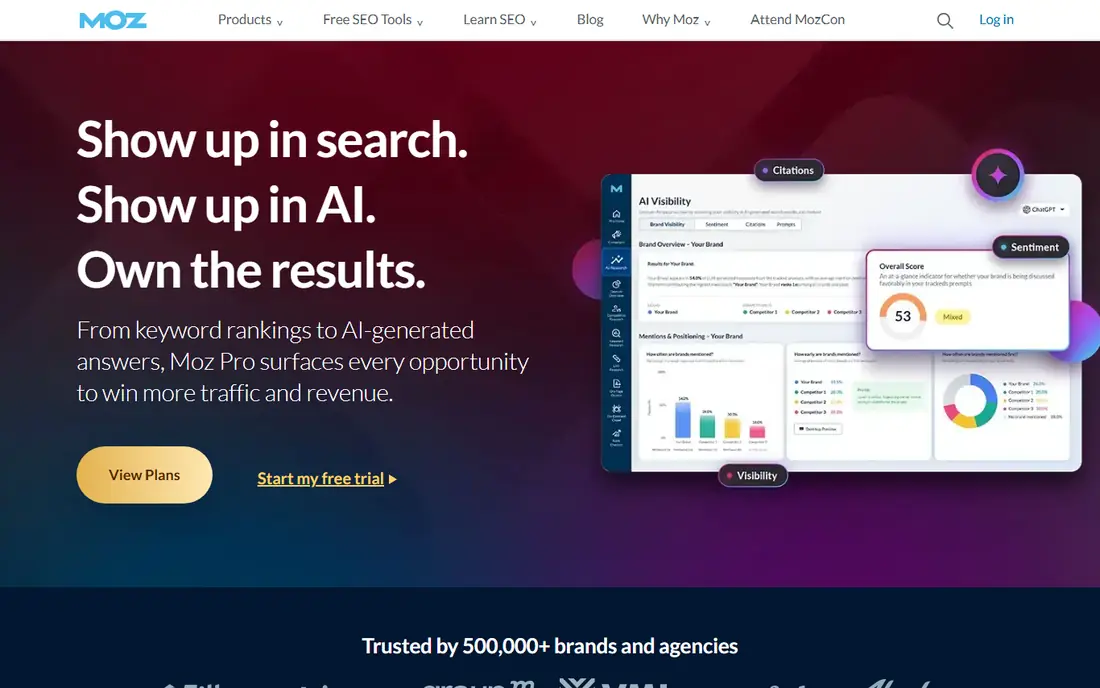
Start with Moz Pro when straightforward seo fundamentals is the main job to be done. It keeps the basics visible, which helps teams that do not want to wade through advanced data to find the next fix. Its strength is clarity, with guidance that explains what an issue means and where to start. Rank tracking, keyword research, link data and site crawls cover the standard SEO workflow in one place. The catch is its link index is smaller than the largest rivals, and entry plans limit campaigns and tracked keywords. Shortlist it if your team values readable reports and steady fundamentals over the deepest data set. A solid choice for in-house teams and smaller agencies that report to non-specialists.
- Clear metrics and guidance for beginners
- Rank tracking and site crawls in one plan
- Familiar authority metrics
- Smaller index than some rivals
- Campaign and keyword limits on lower plans
SE Ranking suits readers who put affordable agency and small business seo first. It appeals to agencies and freelancers who need client-ready reporting without the top tier price of the biggest suites. Its strength is value, pairing the core SEO toolkit with reporting that clients can actually read. Rank tracking, site audits, backlink monitoring and keyword research sit in one workspace, with local tracking for multi-location work. The catch is the data depth on some competitor and backlink views is not as strong as the market leaders. Check keyword and rank tracking allowances against your client list before you commit to a plan. A sensible middle ground when price matters and you still need a full SEO workflow.
- Rank tracking, audits and keyword tools at a lower entry cost
- White label reporting options
- Local rank tracking
- Some advanced data is thinner than the largest suites
- Plan allowances need checking before you scale
When simple keyword research for beginners is the deciding factor, Mangools is worth shortlisting. It is a good fit for bloggers, freelancers and small site owners who want answers fast and without jargon. Its strength is simplicity, with tools that explain keyword difficulty and search interest in plain terms. KWFinder, SERPChecker, SERPWatcher, LinkMiner and SiteProfiler cover research, tracking and basic link checks. The catch is technical auditing is lighter than dedicated crawlers, so larger or complex sites may need a second tool. Pair it with a free crawler if technical issues are a regular part of your work. Our pick for beginners who want a friendly first paid SEO tool.
- Easy to learn interface
- Keyword, rank and link tools in one bundle
- Lower cost than large suites
- Technical auditing is limited
- Tracked keyword allowances are modest on entry plans
Consider Screaming Frog SEO Spider first if deep technical site crawls describes your situation. It is a desktop crawler, so it suits technical audits rather than ongoing rank tracking or keyword research. Its strength is depth, finding broken links, redirect chains, duplicate pages and missing metadata in one crawl. Custom extraction, JavaScript rendering and integration with analytics tools help technical teams diagnose real problems. The catch is it is not a cloud rank tracker, and the free version caps crawls at 500 URLs. Use it alongside a rank tracker if you need both technical audits and ongoing position monitoring. The technical SEO tool we would add first to any serious audit workflow.
- Free crawl up to 500 URLs
- Detailed technical audit data
- Desktop crawling for large sites
- Desktop software, not a cloud suite
- Paid licence needed for larger crawls and saved projects
Serpstat is built around budget all-in-one seo research, and that focus shows in daily use. It suits small teams that need the full research workflow but cannot justify the price of the largest platforms. Its strength is coverage for the price, with keyword research, rank tracking, audits and competitor views in one account. Batch analysis and clustering tools help teams work through larger keyword lists without manual sorting. The catch is daily limits on searches and position checks can slow heavy research days. Test it on a typical research week before you rely on it for client work. A budget all-rounder that covers more ground than its price suggests.
- Keyword, competitor and audit tools in one plan
- Lower entry price than large suites
- Team seats on higher plans
- Daily search and position check limits
- Backlink data is not as deep as the leaders
For content optimisation for search, Surfer offers a practical and well documented option. It fits writers and content teams who already rank pages and want to improve them against the current top results. Its strength is practical guidance, showing which terms, headings and structure competing pages use. The content editor, SERP analyser and content audit tools help teams brief, draft and refresh pages with a clear checklist. The catch is it does not replace a full SEO suite, since rank tracking and link data are not its main job. Use it with a tracker and crawler if you need the full management picture. Our pick for content-led SEO work, rather than a one tool replacement for everything.
- Content editor with clear optimisation guidance
- SERP analysis for target keywords
- Audit tools for existing pages
- Focused on content rather than full SEO management
- Best paired with a rank tracker or audit tool
How we picked these
We compared official feature pages, pricing pages and app store listings, and we checked that each product still exists and fits the topic in October 2026. We did not claim hands-on testing that did not happen, and we left out products that did not fit, even when they were popular in a nearby category. Where a price or free tier could not be verified on the vendor site, we wrote See website instead of guessing, so you can confirm the current terms before you pay.
Choosing the right SEO management tool
Start with the job you do most often. If link building dominates, weight backlink depth. If content dominates, weight the editor and audit tools. If client reporting dominates, weight white label reports and project limits. Check project, keyword and crawl limits before you pay. Entry plans look similar on a pricing page, but a team tracking hundreds of keywords will hit caps fast. A short trial on a real project tells you more than a feature list. Do not buy two full suites at once. Pick one management tool, add a specialist crawler or content tool only where a gap is clear, and review usage after a month. That keeps costs down and avoids paying twice for the same data.
Frequently asked questions
What are the best technical SEO tools?
Screaming Frog and Sitebulb style crawlers handle technical audits, while suites such as Semrush, Ahrefs and SE Ranking add rank tracking and keyword research. Most teams need one of each type, not two full suites.
What are the best SEO management tools for small businesses?
Mangools, SE Ranking and Moz Pro are the friendliest starting points here, because they keep costs lower and interfaces simpler. Larger teams that need deeper data usually move to Semrush or Ahrefs.
Is there a free SEO management tool?
Google Search Console is free and essential, but it is not a full management suite. Screaming Frog has a free crawl limit, and most paid tools in this list offer a free trial rather than a lasting free plan.
How much should SEO software cost?
Expect entry paid plans in the tens to low hundreds of dollars per month, with higher tiers for agencies and larger sites. Check tracked keyword, project and crawl limits, since those decide the real cost.
Can one tool replace an SEO agency?
A tool gives you data and checklists, but it does not set strategy, build links or write content for you. Agencies add judgement and labour, while software makes that work measurable.
Sources
See where you really rank - block by block
ProMapRanker scans Google Maps across a grid of your service area. Simple monthly plans from $19, white-label on every plan.
Start freeKeep reading
 best pos software
Best POS Software in 2026: 8 Systems Compared
Compare the best POS software in 2026 for retail and restaurants, with starting prices, processing rates, hardware notes and honest trade-offs for each pick.
Read → best podcast hosting platform
Best Podcast Hosting Platform in 2026
Compare the best podcast hosting platforms for 2026, with pricing, free plans, upload limits, analytics, and distribution, to pick a host for your show.
Read → best payroll services for nonprofits
Best Payroll Services for Nonprofits in 2026
Compare the best payroll services for nonprofits on price, tax filing, fund tracking, benefits, multi-state coverage, and support for small and growing teams.
Read →