 ProMapRanker
Best IUL Companies in 2026


Broad index options and large policies · Pricing starts at: See website
Key takeaways
- Pacific Life, Nationwide and Lincoln Financial appear most often for broad index choices and flexible policy design.
- Caps, participation rates and floors are usually not guaranteed, so the current rate sheet matters less than the carrier's record on existing policies.
- Funding level and policy design shape results more than the headline cap rate, so ask for a guaranteed illustration column before signing.
- Prices vary by age, health, state and coverage, and this article is not financial advice.
Quick comparison
| Pick | Great for | Pricing starts at | Free tier | |
|---|---|---|---|---|
| Pacific Life | Broad index options and large policies | See website | No | Visit |
 Nationwide | Long-term care and chronic illness riders | See website | No | Visit |
 Lincoln Financial | Flexible policy design and estate planning | See website | No | Visit |
 Allianz Life | Index crediting variety and bonuses | See website | No | Visit |
 Prudential | Complex planning and underwriting flexibility | See website | No | Visit |
 John Hancock | Healthy lifestyle rewards | See website | No | Visit |
 Transamerica | Mid-range planning and accessible options | See website | No | Visit |
 National Life Group | Living benefits and mutual structure | See website | No | Visit |
The best IUL companies
Indexed universal life insurance combines a death benefit with cash value linked to a market index, with a floor that usually keeps credited interest at or above zero in down years. We compared carrier product pages, public comparisons and financial strength signals, and we focused on index variety, rider options and transparency. Prices are not listed because premiums depend on age, health, state and coverage, so every carrier here is shown as See website. This is not financial advice, and a licensed adviser should review any illustration before you buy.

Pacific Life is a frequent first stop for buyers who want choice. Its IUL products offer several indexed account strategies, which lets policyholders spread cash value across different index and crediting approaches rather than betting on one. For larger policies, its pricing structure and policy design options are often cited as competitive, which matters for estate and business planning.
The catch applies to every IUL on this list: caps and participation rates can change on existing policies unless a term is specifically guaranteed. Pacific Life buyers should ask how caps have moved on in-force policies over time, and should compare the guaranteed illustration column with the non-guaranteed one. That comparison tells you more than any single rate quote.
- Multiple crediting strategies and index choices
- Strong presence for larger policies
- No-lapse guarantee options on some products
- Product details vary by state
- Indexed terms are largely non-guaranteed
- Illustrations need careful review

Nationwide stands out for buyers who worry about care costs later in life. Its IUL Accumulator series offers a large selection of indexed strategies, and its long-term care and chronic illness riders are frequently highlighted in comparisons. For buyers who want one policy to cover both a death benefit and potential care needs, that combination is a real advantage.
Riders are not free, and they add complexity to the illustration. Buyers should check whether a rider pays as reimbursement or as an indemnity-style benefit, and how using it affects the death benefit. Nationwide is a strong pick when care planning is a priority, and a weaker one if you only want the simplest, lowest-cost IUL.
- Wide range of capped and uncapped strategies
- Strong long-term care rider options
- Large, well-known carrier
- Rider costs add to premiums
- Index terms can change
- Underwriting and availability vary by state
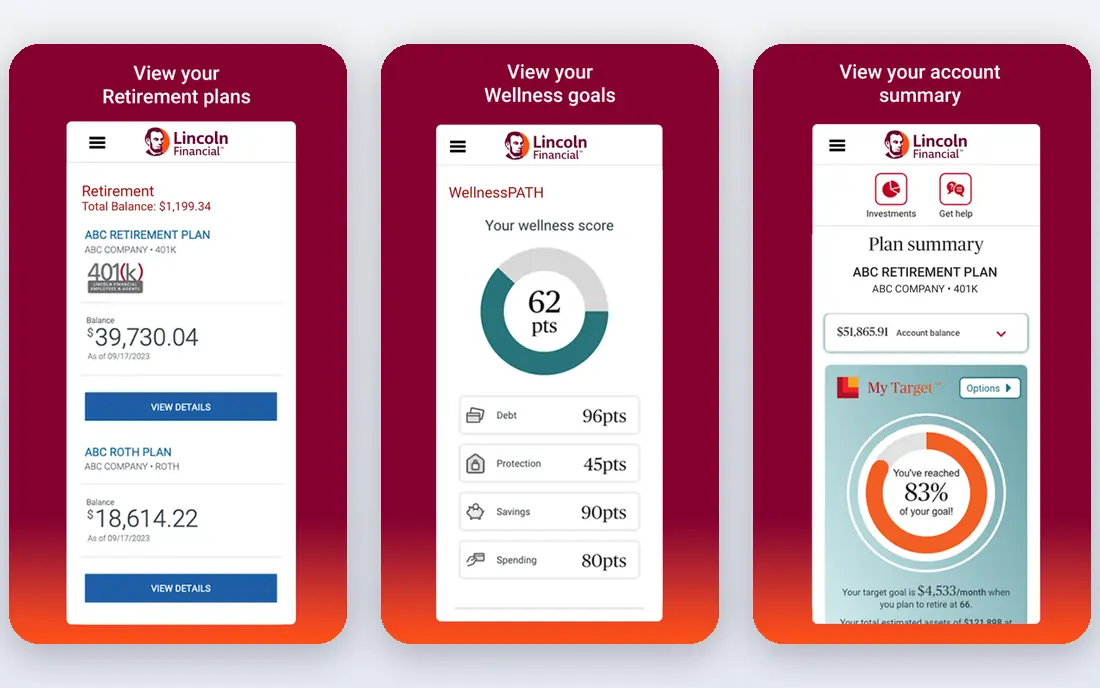
Lincoln Financial suits buyers who want a policy shaped around a specific goal, such as estate liquidity or supplemental retirement income. Its WealthBuilder and related IUL designs offer a broad set of indexed strategies, and survivorship policies can cover two lives under one contract. That flexibility helps couples and business owners who need coordinated planning.
Flexibility has a cost in complexity. Two Lincoln policies with the same premium can perform very differently depending on death benefit design, funding target and rider choices. Work with an independent adviser who can show several designs side by side, and insist on seeing guaranteed values at low credited rates before deciding.
- Broad selection of indexed-account strategies
- Survivorship options for couples
- No-lapse guarantee designs available
- Product lineup is complex
- Costs vary sharply by design
- Some features need an adviser to explain clearly
Allianz Life appeals to buyers focused on accumulation. Its IUL products offer a wide range of index options, including volatility-controlled indexes, and some designs include an index lock feature that lets policyholders lock in gains during a crediting period. Bonus multipliers on certain products can also add to cash value over time, which draws growth-focused buyers.
Bonuses and lock features come with terms that deserve scrutiny. Check when a bonus vests, whether it applies to surrender value, and what happens if the policy lapses early. Allianz is a strong candidate for buyers who understand those terms, and a risky one for buyers who only compare headline cap rates.
- Wide selection of index and crediting options
- Index lock features on some products
- Bonus structures on certain designs
- Bonus terms need close reading
- Premiums can run higher for growth-oriented designs
- State availability varies
Prudential is a large carrier with a broad IUL lineup, and it often appears in comparisons for growth-oriented policies and complex planning cases. Its underwriting flexibility can help applicants whose health history makes other carriers harder to place, and its index options cover more than a single S and P 500 strategy. For planners handling business, estate or multi-goal cases, that breadth helps.
As with other large carriers, the product range can confuse buyers who compare policies on a single web page. Premiums are quoted individually, so online comparisons cannot give a reliable price. Ask for a full illustration, check the cost of insurance charges over time, and compare the guaranteed column before judging any Prudential design.
- Strong underwriting range
- Multiple index options
- Flexible policy structures for varied goals
- Product details are complex
- Pricing is quote-based
- Illustration assumptions need careful checking
John Hancock takes a different angle with its Vitality program, which rewards exercise and healthy habits with premium discounts and other benefits. For active buyers, those discounts can lower the effective cost of coverage and free more premium for cash value growth. The program also appeals to buyers who like a clear incentive to stay active.
The trade-off is ongoing effort and data sharing. Rewards depend on tracked activity, so a buyer who stops engaging may lose discounts. Some buyers also prefer not to share fitness data with an insurer. If you already track activity and like that structure, John Hancock is distinctive; if not, a simpler carrier may fit better.
- Vitality program rewards for healthy activity
- Premium discounts tied to engagement
- Broad IUL product range
- Rewards depend on ongoing activity tracking
- Discounts can shrink if engagement drops
- Privacy trade-offs for some buyers
Transamerica suits buyers who want a straightforward IUL without the premium levels of the largest growth-oriented designs. Its Financial Choice IUL and related products emphasize accumulation with reduced internal costs on some designs, and its underwriting paths include options for applicants who need a faster or simpler process. For mid-range planning, that balance is practical.
It does not lead on every feature. Riders and index variety are solid rather than standout, and buyers focused on long-term care or survivorship planning may find stronger options elsewhere. Compare Transamerica on total cost and guaranteed values, not on a single cap rate, and check agent support if you want hands-on service.
- Competitive options for mid-range coverage
- Accessible underwriting paths
- Accumulation-oriented designs
- Fewer standout riders than some rivals
- Index terms are non-guaranteed
- Service experience varies by channel
National Life Group is frequently cited for living benefits, which let policyholders access part of the death benefit on a qualifying chronic, critical or terminal illness. For buyers who want protection they can use during life as well as after death, that feature set is a genuine differentiator. Its mutual structure also appeals to buyers who prefer a company owned by policyholders rather than shareholders.
Living benefits are not a substitute for separate health or long-term care insurance, and the triggers, amounts and effects on the death benefit need careful reading. State rules also change which options are available. National Life Group is a strong pick when living benefits matter, and buyers should still compare its index terms and costs against Pacific Life, Nationwide and Lincoln.
- Established living benefit options
- Mutual company structure
- FlexLife and PeakLife product range
- Product names and options vary by state
- Living benefit triggers need reading
- Illustrations vary by design
How we picked these
We compared carrier product pages, public IUL comparisons and financial strength context, favoring carriers with A-range ratings, a current IUL lineup and a distinct strength such as index variety, riders or underwriting flexibility. We did not test policies or quote premiums, since pricing depends on individual underwriting. Where sources disagreed on a product name or rating detail, we kept the description general and pointed readers to the carrier's current illustration and rate sheet.
What to check before you buy
Read the guaranteed column first
Every illustration shows a non-guaranteed column that assumes current rates continue. Ask for the guaranteed column too, and check whether the policy stays in force if credited interest is zero for years. If it lapses or underperforms badly in that scenario, the design is underfunded for its costs, whatever the headline cap promises.
Compare caps, participation and costs together
A high cap with a low participation rate can credit less than a lower cap with full participation, and internal costs eat into both. Ask for the current cap, participation rate, spread, floor and cost of insurance charges, and ask how each has changed on existing policies. A carrier with a stable record on in-force policies is worth more than a carrier with a flashy opening rate.
Match funding to a plan you can keep
IUL policies work best when funded near the target premium for years, not at the minimum. If you cannot commit to that level, a simpler term policy or a different savings route may serve you better. Also confirm how loans and withdrawals affect the death benefit and taxes, since those features are often sold casually and taxed seriously.
Frequently asked questions
What is the best IUL company overall?
There is no single winner, since the best carrier depends on your goal. Pacific Life and Lincoln Financial suit broad index choice and flexible design, Nationwide suits care planning, and National Life Group suits living benefits. Compare illustrations on guaranteed values, not on headline caps alone.
How much does an IUL policy cost?
Premiums vary by age, health, state, coverage amount and policy design, so no reliable general price exists. A healthy younger applicant pays far less than an older applicant for the same death benefit. Get quotes from several carriers through an independent broker for a real figure.
What is the best universal life insurance company for cash value growth?
Growth depends on index strategy, participation, costs and funding level, not on the carrier name alone. Allianz Life, Pacific Life and Lincoln Financial are often cited for accumulation designs, but a well-funded policy from a lower-cap carrier can beat a poorly funded policy from a high-cap carrier. Check the guaranteed illustration before judging growth.
Are IUL policies safe?
IUL cash value usually has a floor, often around zero percent, so it does not fall with a market drop in the way a stock account can. That floor does not guarantee the policy stays in force, since internal costs continue even in flat years. Financial strength ratings and a realistic funding plan matter more than the floor alone.
What is the best company for IUL if I want living benefits?
National Life Group and Nationwide are strong starting points, since both emphasize living benefits and care-related riders. Compare the qualifying triggers, payout method and effect on the death benefit, since those details differ sharply. A licensed adviser can match the rider to your health and family situation.
Should I buy IUL instead of term life insurance?
Term insurance is usually cheaper for pure death benefit protection, while IUL adds cash value and permanent coverage at a higher cost and complexity. Buy IUL only if you need permanent coverage, can fund it consistently and understand its costs. This article is not financial advice, so get personal advice before replacing any existing policy.
Sources
- https://www.pacificlife.com
- https://www.nationwide.com
- https://www.lincolnfinancial.com
- https://www.allianzlife.com
- https://www.prudential.com
- https://www.johnhancock.com
- https://www.transamerica.com
- https://www.nationallife.com
- https://ogletreefinancial.com/blog/which-companies-offer-the-best-indexed-universal-life/
- https://getamplifylife.com/learn/blog/best-indexed-universal-life-insurance
- https://accuquote.com/top-rated-indexed-universal-life-insurance-plans-you-should-know-about/
See where you really rank - block by block
ProMapRanker scans Google Maps across a grid of your service area. Simple monthly plans from $19, white-label on every plan.
Start freeKeep reading
 top custom software development company
Top Custom Software Development Company in 2026
Looking for a top custom software development company? We compare 9 firms for web, mobile, and enterprise software, covering strengths and fit for 2026.
Read → tableau alternatives
Tableau Alternatives in 2026
Compare the best Tableau alternatives for 2026, from Power BI to Metabase, with prices, hosting options, and picks for small teams and enterprises today.
Read → microsoft teams alternatives
Best Microsoft Teams Alternatives in 2026
Looking for microsoft teams alternatives? We compare 9 chat and video tools for 2026, covering free plans, pricing, meetings, and integrations for teams.
Read →