 ProMapRanker
Best Gold Trading Platforms in 2026

Key takeaways
- IG and XTB suit traders who want a clear published gold spread and a full research platform.
- OANDA and Pepperstone suit traders who want tight spreads on standard or raw accounts.
- Interactive Brokers suits traders who want gold futures, CFDs, and ETFs in one account.
- eToro suits beginners who want a simple app and copy trading, but gold spreads are wider.
- Most gold CFD trading is margin, so losses can exceed the first deposit with some providers.
This is not financial advice. Trading gold carries risk, especially with margin trading. Check if a platform is available in your country and if you understand CFDs, futures, or spread betting before you trade.
Quick comparison
| Pick | Great for | Pricing starts at | Free tier | |
|---|---|---|---|---|
 IG | Widest range of gold instruments | Free | Free trial | Visit |
 OANDA | Clean platform for US and global traders | Free | Free trial | Visit |
 XTB | Research-led gold CFD trading | Free | Free trial | Visit |
 Pepperstone | Raw spreads for active traders | Free | Free trial | Visit |
 eToro | Simple app and copy trading | Free | Free trial | Visit |
 XM | Flexible accounts for smaller positions | Free | Free trial | Visit |
 Interactive Brokers | Futures, CFDs, and ETFs in one account | Free | Free trial | Visit |
 Plus500 | Simple CFD platform | Free | Free trial | Visit |
The best gold trading platforms
We compared these platforms on gold instruments, spreads, trading platforms, regulation, and account features, using published broker comparisons and vendor pages for October 2026.
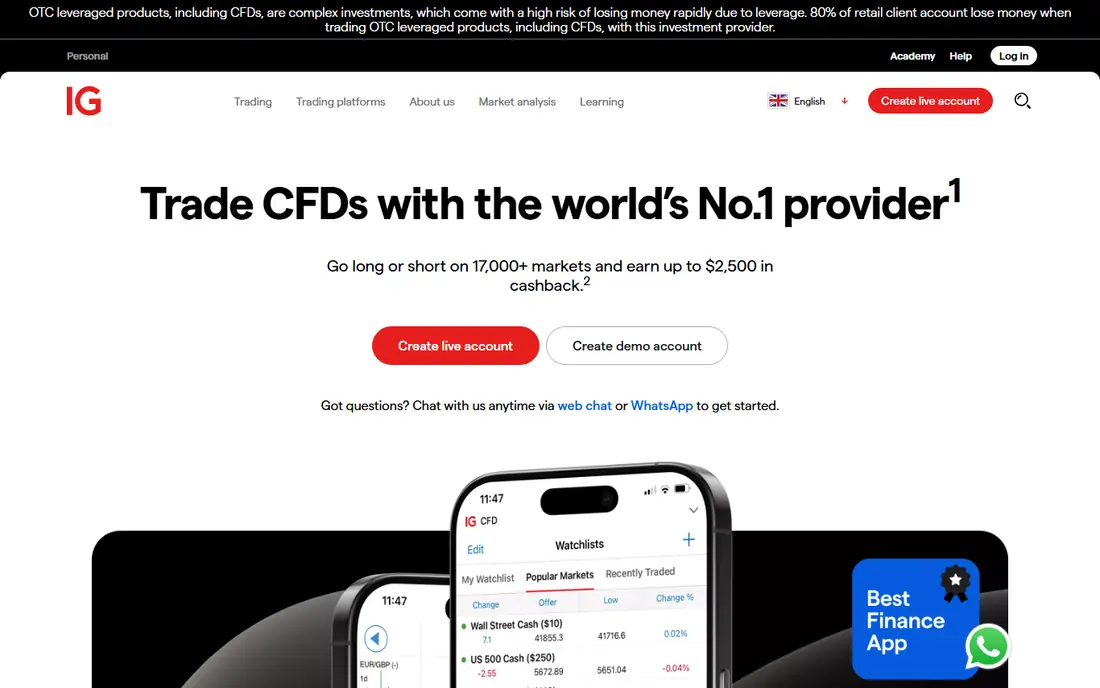
IG is a strong all-round pick for gold traders who want choice. Published comparisons list spot gold spreads around 0.30 points on standard accounts, with silver, platinum, and palladium also available. Traders can use the IG web platform, mobile app, or MetaTrader 4, which covers both chart-led and simple order flows.
Availability and product type vary by country. In some regions IG offers CFDs and spread betting, while in the United States the product range is narrower. Check the IG site for your country before you assume a product is available, and confirm overnight financing and margin rules for margin positions.
- Wide gold product range
- Strong web and mobile platforms
- Published gold spreads
- Spreads vary by product
- Margin rules vary by country
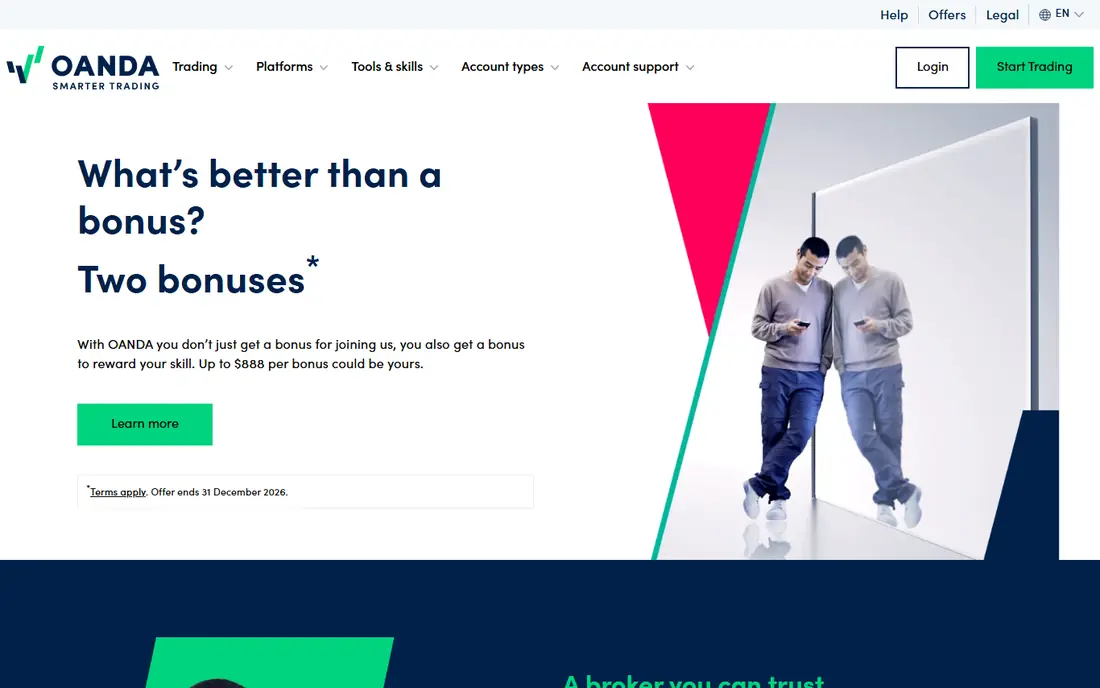
OANDA suits traders who want a clean, well-regulated platform without a crowded interface. Published comparisons list a standard gold spread around 0.20 points, with US clients able to trade spot gold against the dollar. The fxTrade platform is straightforward, and MetaTrader support is available for traders who prefer that workflow.
The trade-off is cost on standard accounts versus raw accounts elsewhere. Raw ECN brokers can quote lower spreads plus commission, which may suit very active traders better. For a trader who values clarity, regulation, and a simple platform, OANDA remains a solid pick.
- Available to US clients for spot gold
- Clean fxTrade platform
- Strong regulation history
- Standard spreads wider than raw ECN accounts
- Margin caps lower in the US
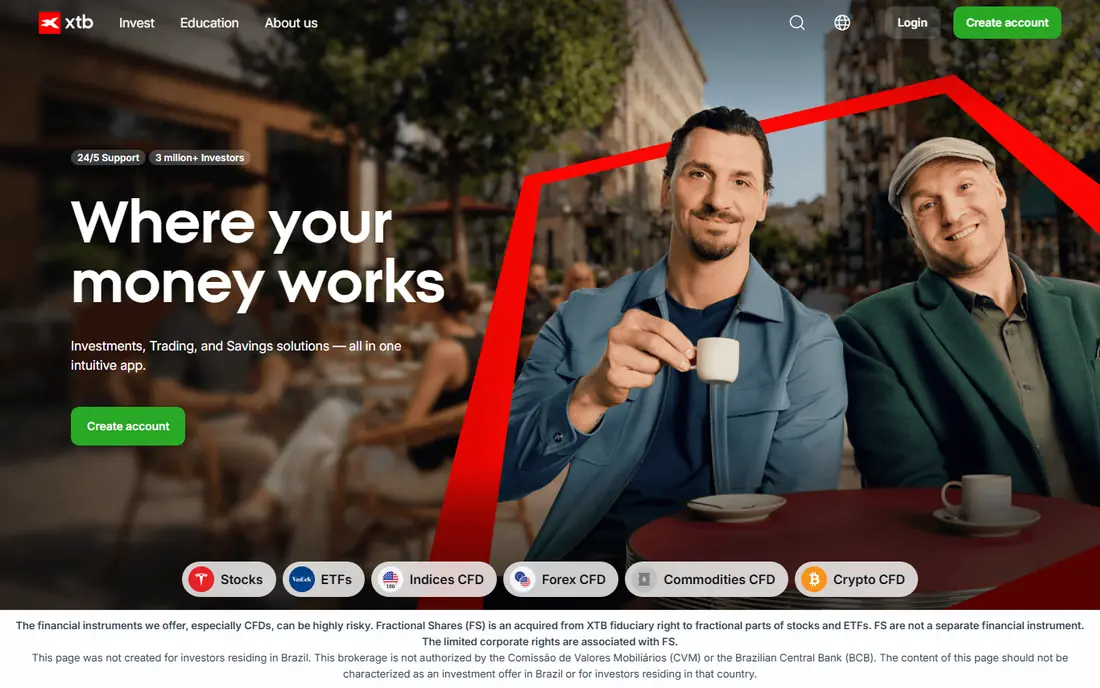
XTB is built around its xStation 5 platform, with research, market news, and education close to the gold chart. Published comparisons list a gold spread around 0.30 points, with no separate commission on standard CFD accounts. That published spread makes cost comparison easier than with brokers that only quote a starting spread.
XTB does not suit traders who want MetaTrader as the main platform, since xStation is the core experience. Product availability also varies by region, so confirm gold CFDs, margin, and account currency for your country. For research-led traders, the platform and education are real strengths.
- Published 0.30 gold spread in comparisons
- Strong research
- XStation 5 platform
- No commission-free claim removes spread cost
- Product range varies by region
Pepperstone suits active traders who want platform choice and tight raw pricing. Published comparisons list raw gold spreads around 0.15 points, plus commission on Razor accounts, with standard accounts priced through the spread alone. Support for MetaTrader 4, MetaTrader 5, cTrader, and TradingView means most trading styles are covered.
The key is to compare total cost, not just the spread headline. A raw account with commission can beat a standard account for active traders, but it can cost more for small, infrequent trades. Test both account types on a demo, and check overnight financing before holding margin gold positions for days.
- Raw spreads plus commission on Razor accounts
- MT4, MT5, cTrader, and TradingView
- Raw account commission adds cost
- Standard spreads differ from raw spreads
eToro is the easiest platform here for a beginner who wants to trade gold alongside stocks and ETFs in one app. Gold is generally offered as a CFD, with published comparisons listing spreads around 0.45 points and a minimum first deposit of $50 in some regions. CopyTrader lets users follow other investors, which some beginners use to learn market behavior.
Copying another trader does not reduce risk, and a copied gold trade can still lose money, especially with margin trading. eToro also lacks MetaTrader support, so traders who rely on MetaTrader indicators or automated strategies will need another platform. For simple, app-led gold exposure, eToro is a fair pick.
- Simple app
- CopyTrader for following other investors
- Gold ETFs and CFDs
- Wider gold spreads than ECN brokers
- No MT4 or MT5 support
XM suits traders who want to start small and test gold strategies without large positions. Micro accounts allow smaller trade sizes, which helps beginners learn position sizing and risk control. MetaTrader 4 and MetaTrader 5 support covers manual and automated trading, and education resources explain gold volatility in plain terms.
Gold spreads on XM vary by account type, with published comparisons listing spreads from around 0.8 points on some accounts. That is wider than raw ECN pricing, so active traders should compare total cost. Check margin, product availability, and account currency for your region before funding.
- Micro accounts for smaller positions
- MT4 and MT5 support
- Education resources
- Gold spreads vary by account
- Margin and products vary by region
Interactive Brokers is the pick for traders who want more than a single gold CFD. One account can cover CME gold futures, gold CFDs where available, and physical gold ETFs, which suits traders who mix short-term trading with longer-term exposure. The Trader Workstation platform offers deep charting, order types, and risk tools.
Complexity is the catch. New traders may find the platform crowded, and futures margin, exchange fees, and data fees need separate checks. For a beginner who only wants a simple gold CFD, a simpler broker will be faster to learn. For a serious multi-product trader, Interactive Brokers is hard to beat.
- Gold futures, CFDs, and ETFs in one account
- Strong execution tools
- Global market access
- Platform can feel complex for beginners
- Pricing varies by product and exchange
Plus500 offers a simple CFD platform for traders who want a clean interface without a large product catalog. Gold CFDs sit alongside other commodities, indices, and shares in one app, with a demo account for practice. Risk tools such as stop losses and guaranteed stops on some accounts help traders set limits before they trade.
It is a CFD-only platform, so traders who want physical gold, futures, or ETFs need another broker. Spreads and overnight financing vary by market and holding time, so check the gold instrument details before holding a position overnight. For simple CFD trading, Plus500 is easy to learn and quick to use.
- Simple web and mobile CFD platform
- Demo account
- Clear risk tools
- CFD-only focus
- Spreads and overnight fees vary
- No MetaTrader support
How we picked these
We compared published broker comparisons, vendor platform pages, and fee schedules for gold instruments, spreads, platforms, and regulation. We favored brokers with clear gold pricing, a demo account, and a regulated entity in a major jurisdiction. Spreads change with market conditions and account type, so treat published spreads as a guide and confirm the live spread on the platform before trading.
How to choose a gold trading platform
Start with the product you actually want. Spot gold CFDs, gold futures, gold ETFs, and physical gold are different products with different costs, risks, and holding rules. A CFD suits short-term trading with margin trading, while an ETF suits longer-term exposure without margin trading. A futures contract suits traders who understand margin, expiry, and contract size. Do not pick a platform first and a product second.
Compare total cost, not just the spread
Add spread, commission, overnight financing, currency conversion, and any withdrawal fees. A raw account with a low spread plus commission can beat a spread-only account for active traders, but it can cost more for small trades. Check the spread at the time you usually trade, since gold spreads widen around news events and low-liquidity hours. Use a demo to see real spreads and financing on your planned holding time.
Check regulation and availability in your country
Regulation, margin caps, and product availability vary by country, and some brokers do not serve US clients for gold CFDs. Confirm the regulated entity that will hold your account, and check investor protection rules for your region. If a broker offers very high margin from an offshore entity, weigh that against weaker protection and oversight.
Set risk limits before you trade
Gold can move fast on inflation data, central bank news, and dollar moves. Decide your maximum loss per trade, your position size, and your stop level before you open a position. Avoid risking a large share of your account on one gold trade, and do not increase size after a loss to chase recovery. A demo account is useful for testing a plan, but live trading with real money still needs strict limits.
Frequently asked questions
What is the best trading platform for gold for beginners?
eToro and OANDA are good beginner starts, with simple apps and demo accounts. eToro suits app-led traders who want copy features, while OANDA suits traders who want a clean platform and US spot gold access. Start on a demo, learn position sizing, and only fund an amount you can afford to lose.
What is the best gold trading app?
The best app depends on your style. IG and Pepperstone suit active traders who want strong charts and platform choice, while eToro and Plus500 suit simple mobile trading. Test the app on a demo for order placement, charting, and risk tools before you fund a live account.
Is gold trading risky?
Yes. Gold prices move on economic data, interest rates, and dollar strength, and margin CFDs can magnify losses fast. Many retail CFD accounts lose money, according to broker risk warnings. Use margin with care, set stops, and do not trade with borrowed money or funds needed for bills.
Can US traders trade gold CFDs?
It depends on the broker and product. OANDA offers spot gold to US clients, and Interactive Brokers offers futures and ETFs in the US. Many offshore CFD brokers do not serve US clients, so check availability on the broker site for your country before you open an account.
What is the difference between spot gold and gold futures?
Spot gold tracks the current gold price, often traded as a CFD with no expiry in many accounts. Gold futures are exchange-traded contracts with a set expiry, contract size, and margin rules. Futures suit traders who understand expiry and margin, while spot CFDs suit traders who want a simpler price exposure with margin trading.
Should I buy physical gold instead of trading gold?
Physical gold suits long-term holding without margin trading, but it carries storage, insurance, and dealer spread costs. Trading gold suits short-term price moves, but it carries margin and overnight financing risks. Many investors hold a gold ETF for long-term exposure and use a trading account only for short-term positions.
Sources
See where you really rank - block by block
ProMapRanker scans Google Maps across a grid of your service area. Simple monthly plans from $19, white-label on every plan.
Start freeKeep reading
 best tour operator software
Best Tour Operator Software in 2026
Compare the best tour operator software for bookings, channel management, waivers and payments, with pricing models for day tours and multi-day trips.
Read → best time clock app for small business
Best Time Clock App for Small Business in 2026
We compare the best time clock app for small business options, with free plans, GPS clock ins, scheduling and payroll links for hourly teams and payroll help.
Read → best test automation tools
Best Test Automation Tools in 2026
Compare the best test automation tools, from Playwright and Selenium to Cypress, Katalon and BrowserStack, with prices, languages and best uses explained.
Read →