 ProMapRanker
Best Enterprise Asset Management Software in 2026

Key takeaways
- IBM Maximo, SAP EAM, Oracle EAM, and HxGN EAM suit asset-heavy enterprises, while Fiix, UpKeep, Limble, and MaintainX suit teams that need maintenance fast.
- EAM covers the full asset lifecycle, while CMMS tools focus on work orders and preventive maintenance, so match the tool to your scope.
- Enterprise EAM pricing is usually quoted and implementation-heavy, while CMMS pricing is published per user and faster to start.
- Pilot with one site and one asset class before a company-wide rollout, since data quality decides the outcome.
Quick comparison
| Pick | Great for | Pricing starts at | Free tier | |
|---|---|---|---|---|
 IBM Maximo | large industrial asset operations | See website | No | Visit |
 SAP EAM | SAP-native enterprises | See website | No | Visit |
 Oracle EAM | Oracle-centric enterprises | See website | No | Visit |
 HxGN EAM | utilities and government | See website | No | Visit |
 Fiix | asset tracking and maintenance | $45 per user per month | Yes | Visit |
 UpKeep | mobile maintenance teams | See website | Yes | Visit |
 Limble | preventive maintenance | $28 per user per month | Free trial | Visit |
 MaintainX | frontline maintenance teams | Free | Yes | Visit |
The best enterprise asset management software
We mixed full EAM suites with strong maintenance tools, since many buyers start with maintenance and grow into full asset lifecycle management.
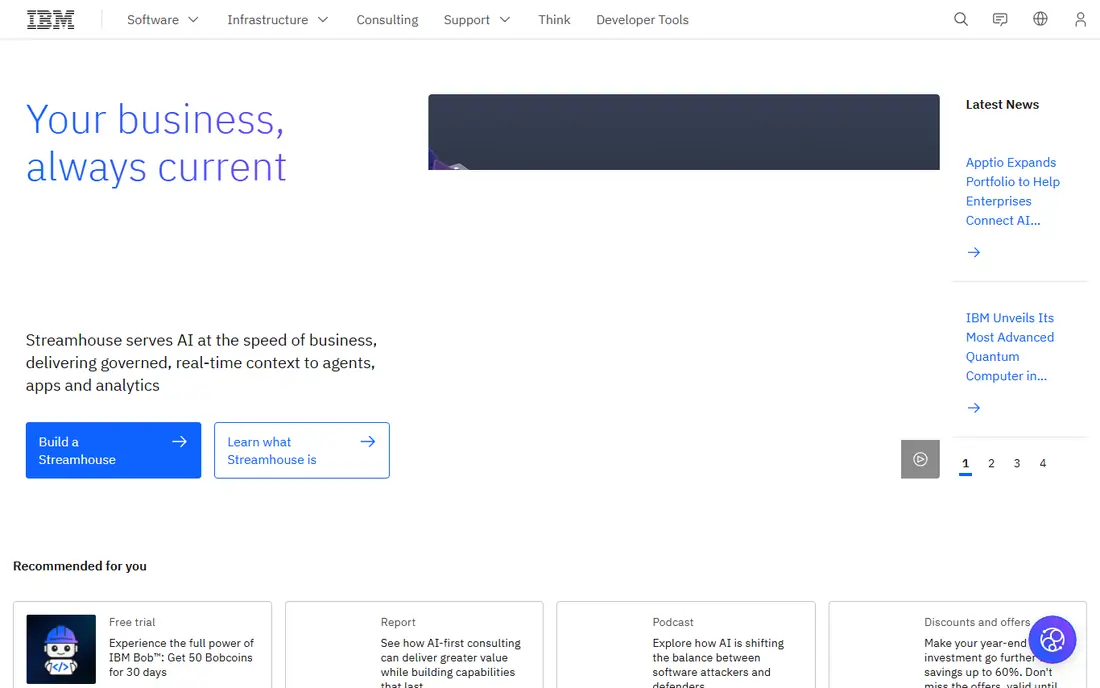
IBM Maximo Application Suite suits asset-heavy firms in energy, utilities, manufacturing, and transport, where downtime carries a high cost. It covers asset registers, work management, inventory, procurement, and reliability analysis in one suite. That depth helps teams manage thousands of assets across many sites.
The trade-off is cost and complexity, since licences, implementation, and training add up, and the system needs skilled owners. Small teams will find it far more than they need. For a large industrial operator, Maximo remains a benchmark for full lifecycle management.
- Deep asset lifecycle and reliability tools
- AI-assisted maintenance options
- Proven in heavy industry
- Pricing and implementation are heavy
- Learning curve is steep
- Needs skilled admins
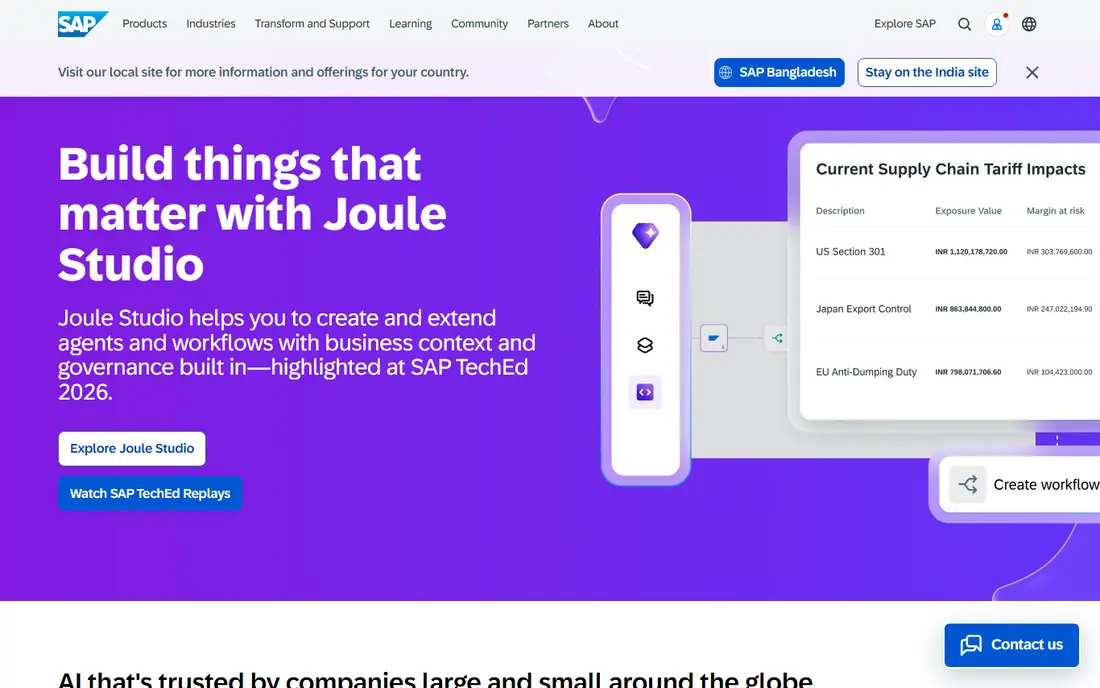
SAP EAM suits firms already running SAP S/4HANA, since maintenance, finance, and procurement share one data model. That link removes duplicate entry and gives finance a clear view of maintenance cost per asset. Plant maintenance tools cover planning, scheduling, and breakdown work.
Firms outside SAP get little value from it, and implementation timelines are long. The shared data model is the whole point, so firms on other ERPs should look elsewhere. If SAP is already your core system, native EAM is usually the right call.
- Native finance and procurement links inside SAP
- Strong plant maintenance history
- Single data model
- Needs SAP S/4HANA as the base
- Implementation is long
- Best only for SAP-centric firms
Oracle EAM suits firms running Oracle Fusion or Oracle E-Business Suite, where maintenance should sit next to supply chain and finance. Asset tracking, work orders, and preventive maintenance feed the same system that handles parts and costs. That link helps large firms control asset spend.
Like SAP EAM, it makes little sense outside its ERP home, and implementation needs planning and budget. Oracle-centric firms get a consistent system, while others should choose a standalone EAM or CMMS tool. For Oracle estates, it is a logical shortlist pick.
- Maintenance wired into Oracle supply chain and finance
- Strong asset tracking
- Suits large Oracle estates
- Pricing is quoted
- Implementation is heavy
- Best only for Oracle-centric firms
HxGN EAM, formerly Infor EAM and now under Hexagon, suits utilities, government, and transport teams that manage linear assets like roads, pipes, and networks. GIS links and network asset tools help teams that think in maps and segments, not just single machines. Compliance and audit features also suit regulated work.
Buyers should confirm the current roadmap with Hexagon, since the ownership change left some older guides out of date. Pricing is quoted, and implementation needs care. For linear asset operators, HxGN EAM is a distinctive and credible pick.
- Strong linear and network asset support
- GIS-friendly design
- Compliance tools for regulated work
- Pricing is quoted
- Older documentation still references Infor EAM
- Roadmap needs vendor confirmation
Fiix suits mid-size teams that need solid maintenance without an enterprise EAM rollout. Work orders, preventive maintenance schedules, parts, and asset histories sit in a clear interface, and the free plan lets a small team start without a licence cost. That low friction helps teams moving from spreadsheets.
Full lifecycle, procurement, and reliability engineering depth is thinner than on enterprise suites, so very large asset portfolios may outgrow it. For a maintenance-led team that wants to start fast, Fiix is a strong pick. Our pick for most mid-size teams is Fiix.
- Clear work orders and preventive maintenance
- Free plan for small teams
- Good asset hierarchy tools
- Enterprise lifecycle depth is thinner than Maximo
- Higher tiers add cost per user
UpKeep suits small and mid-size teams that want technicians on a simple mobile app fast. Work orders, asset records, parts, and requests are easy to learn, which helps frontline adoption. The free tier also gives small teams a real starting point.
Per-user pricing means costs rise with headcount, and large multi-site portfolios may need a deeper tool. Confirm the current plan pricing on the vendor page, since published figures have varied across guides. For a mobile-first maintenance team, UpKeep is an easy trial.
- Simple mobile work orders for technicians
- Quick setup
- Good parts and asset basics
- Per-user cost rises as teams grow
- Enterprise depth is limited
- Pricing should be confirmed on the vendor page
Limble suits teams whose main pain is missed preventive maintenance, since scheduling, task lists, and asset histories are its core strength. Setup is fast compared with enterprise suites, and onboarding help is a clear selling point. Technicians get clear tasks without a steep learning curve.
Multi-site enterprise configuration and advanced portals are thinner than on larger suites, so very large firms should test those limits. For a lean team that wants preventive maintenance done well, Limble is a strong value pick at its entry price.
- Strong preventive maintenance scheduling
- Fast setup and onboarding
- Clear task and asset views
- Enterprise multi-site configuration is thinner
- Some advanced features need higher tiers
MaintainX suits frontline teams that need work orders, checklists, and messaging in one mobile-first tool. Deskless staff can pick up tasks, share photos, and message the team without switching apps. The free plan covers core work for small teams, which makes a trial low risk.
Paid plan pricing and customisation limits should be checked on the vendor page before a large rollout. Teams with complex asset hierarchies or deep procurement needs may need a fuller EAM tool. For frontline adoption at low cost, MaintainX is hard to beat.
- Free plan covers core work orders
- Built-in team messaging
- Strong mobile app for deskless staff
- Paid pricing should be confirmed on the vendor page
- Customisation is thinner than larger suites
How we picked these
We compared official product pages, EAM and CMMS guides checked in October 2026, and vendor feature lists, and we kept only tools that are live and widely used for asset or maintenance management. We included both full EAM suites and strong CMMS tools, since buyers at different sizes need different scope. We marked pricing as See website where vendors quote rather than publish, and we did not claim hands-on plant testing.
How to choose EAM software without a failed rollout
Start with scope, not software. List the asset types you manage, the sites involved, and the decisions the system must support, from daily work orders to long-term replacement planning. If the answer is mainly work orders and preventive maintenance, a CMMS tool will start faster and cost less. If you need procurement, depreciation, and reliability engineering, a full EAM suite is the right scope.
Next, fix asset data before you buy. A system with duplicate assets, missing serial numbers, and no clear hierarchy will produce poor reports no matter how good the software is. Clean one site and one asset class first, set naming rules, and assign an owner for data quality. That work pays off in every later phase.
Finally, run a pilot with real technicians and real assets for at least a month. Track work order completion, preventive maintenance compliance, and time spent on admin, then compare those figures with your old process. Get implementation, training, and integration costs in writing, and keep an exit plan for your asset data. A pilot beats a sales demo every time.
Frequently asked questions
What is the difference between EAM and CMMS?
CMMS tools manage work orders, preventive maintenance, and spare parts for day-to-day maintenance. EAM covers the full asset lifecycle, including procurement, depreciation, reliability engineering, and compliance at enterprise scale. Small teams usually need CMMS, while asset-heavy enterprises need EAM, and some teams start with CMMS and grow into EAM.
What is the best EAM software for a large enterprise?
IBM Maximo is the most common benchmark for large industrial firms, while SAP EAM suits SAP-centric firms and Oracle EAM suits Oracle-centric firms. The right pick depends on your ERP, asset types, and compliance needs. Run a pilot with your own asset data before committing to any enterprise suite.
Can small teams use EAM software?
Yes, through CMMS tools like Fiix, UpKeep, Limble, and MaintainX, which offer free or low-cost plans for small teams. Full enterprise suites are usually too heavy and costly for small teams. Start with maintenance basics, prove the workflow, and move to fuller EAM scope only when asset lifecycle needs demand it.
How much does EAM software cost?
CMMS tools publish per-user prices, often from free to around 45 dollars per user per month at entry. Enterprise EAM suites are usually quoted, with implementation and training adding a large share of total cost. Ask for a full quote that includes licences, implementation, training, and support for your team size.
Do I need EAM if I already have an ERP?
If your ERP is SAP S/4HANA or Oracle Fusion, use its native EAM module, since the shared data model is a major advantage. Otherwise, a standalone CMMS or EAM tool integrated with your ERP often works better on usability and cost. Regulated asset-heavy firms should still check whether their ERP vendor EAM is the audited standard for their sector.
Sources
See where you really rank - block by block
ProMapRanker scans Google Maps across a grid of your service area. Simple monthly plans from $19, white-label on every plan.
Start freeKeep reading
 twitch alternatives
Twitch Alternatives in 2026
Explore the best Twitch alternatives in 2026 for live streaming, with free platforms, monetisation options, audiences, chat tools, and tips for new streamers.
Read → firebase alternatives
Best Firebase Alternatives in 2026
Looking for Firebase alternatives? We compare 9 backend platforms for auth, databases, realtime, storage, functions, self-hosting, and pricing for your app.
Read → companies with best work life balance
Companies With Best Work Life Balance in 2026
See companies with best work life balance in 2026, ranked by employee ratings, with flexible work options, benefits, and what to check before applying.
Read →