 ProMapRanker
Best Data Privacy Management Software in 2026


Large teams running a full privacy program · Pricing starts at: See website
Key takeaways
- OneTrust and TrustArc suit large programs that need broad coverage, assessments, and regulatory intelligence in one suite.
- Securiti and BigID lead when the core problem is finding personal data across systems and automating fulfillment.
- Osano and DataGrail are the more approachable picks for midsize teams that need consent and subject rights without a heavy rollout.
- Transcend and Ketch suit engineering-led teams that want privacy handled in code and connected to real systems.
Quick comparison
| Pick | Great for | Pricing starts at | Free tier | |
|---|---|---|---|---|
| OneTrust | Large teams running a full privacy program | See website | No | Visit |
 Securiti | Teams that need automated discovery and fulfillment | See website | No | Visit |
 BigID | Discovery-first teams and AI governance | See website | No | Visit |
 TrustArc | Regulated companies that want platform plus guidance | See website | No | Visit |
 Osano | Midsize teams that want clear pricing and fast setup | $199 per month | Yes | Visit |
 DataGrail | Midsize teams automating subject rights | See website | Free trial | Visit |
 Transcend | Engineering-led teams that want code-based privacy | See website | No | Visit |
 Ketch | Consent infrastructure and programmatic rights | See website | Free trial | Visit |
 Didomi | Consent and preference management at scale | See website | Free trial | Visit |
The best data privacy management software
We compared official product pages, feature documentation, and published pricing notes for tools that handle consent, data mapping, subject rights, and assessments. Privacy software supports compliance, but it does not replace legal advice, and teams should confirm duties under the laws that apply to them.
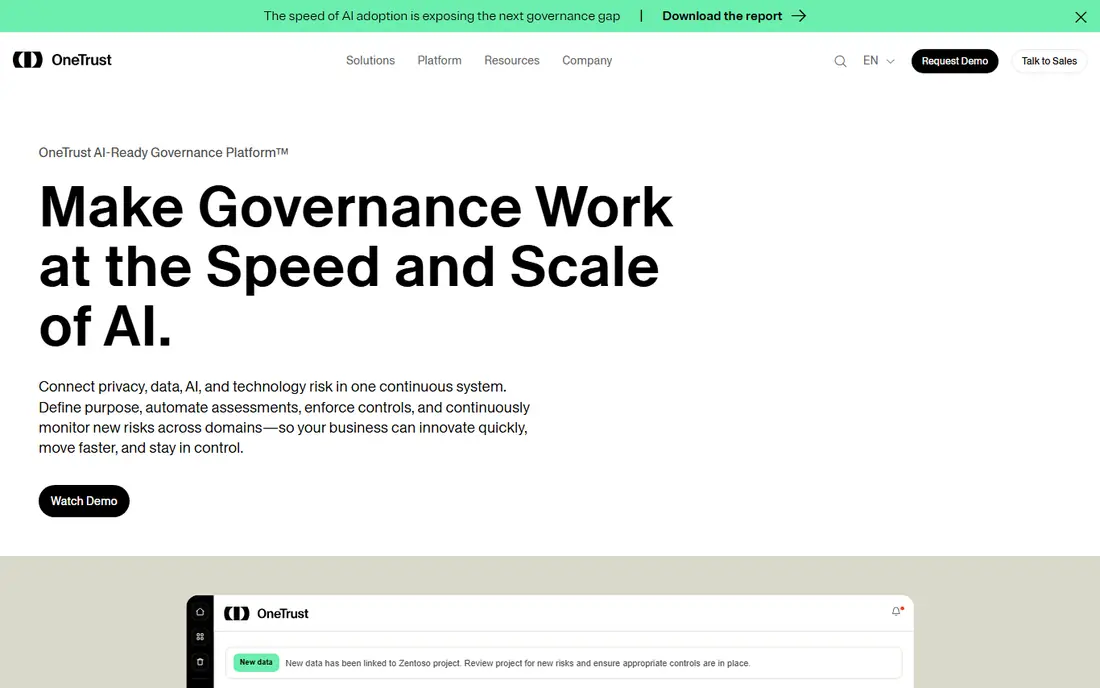
OneTrust is the most complete suite in this list, and it fits companies that need one program across many laws, brands, and business units. Consent management, data mapping, assessments, incident response, and subject rights sit in connected modules, and regulatory updates help teams track new state laws. Larger companies also use its governance and third-party risk tools alongside privacy.
The catch is weight. OneTrust needs ownership, configuration, and training, and smaller teams may find the scope larger than their actual problem. It is the right pick when a company has a real privacy program to run, not just a cookie banner to fix.
- Broadest suite across consent, assessments, and subject rights
- Regulatory intelligence and templates
- Governance and third-party risk modules
- Quote-based pricing
- Setup and admin effort is high for small teams
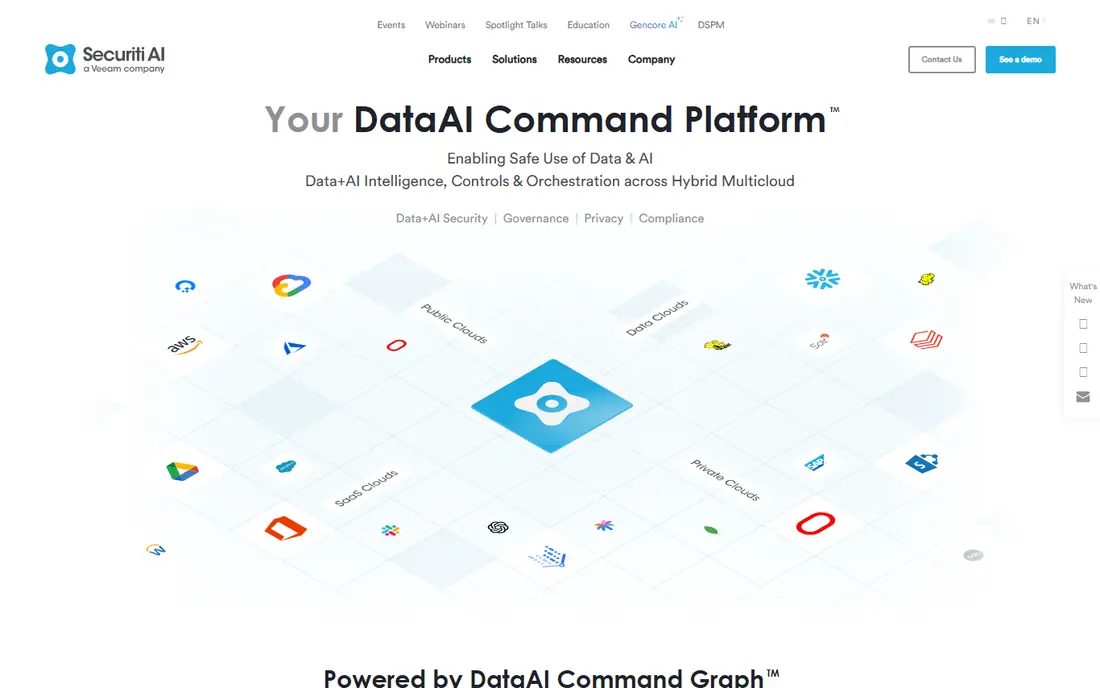
Securiti focuses on the hard part of privacy work, which is finding personal data and then acting on it. Its discovery tools map data across systems, and its fulfillment workflows use that map to handle access and deletion requests. AI governance features help teams track AI systems and data use in the same program.
The tradeoff is that automation only works when systems are connected and data owners cooperate. Teams should run a real subject request through a trial before signing, since a polished workflow that still needs manual searches is not automation. For data-heavy companies, Securiti is a strong shortlist pick.
- Data discovery tied to fulfillment workflows
- AI governance modules
- Automation across many systems
- Quote-based pricing
- Implementation needs data and engineering input
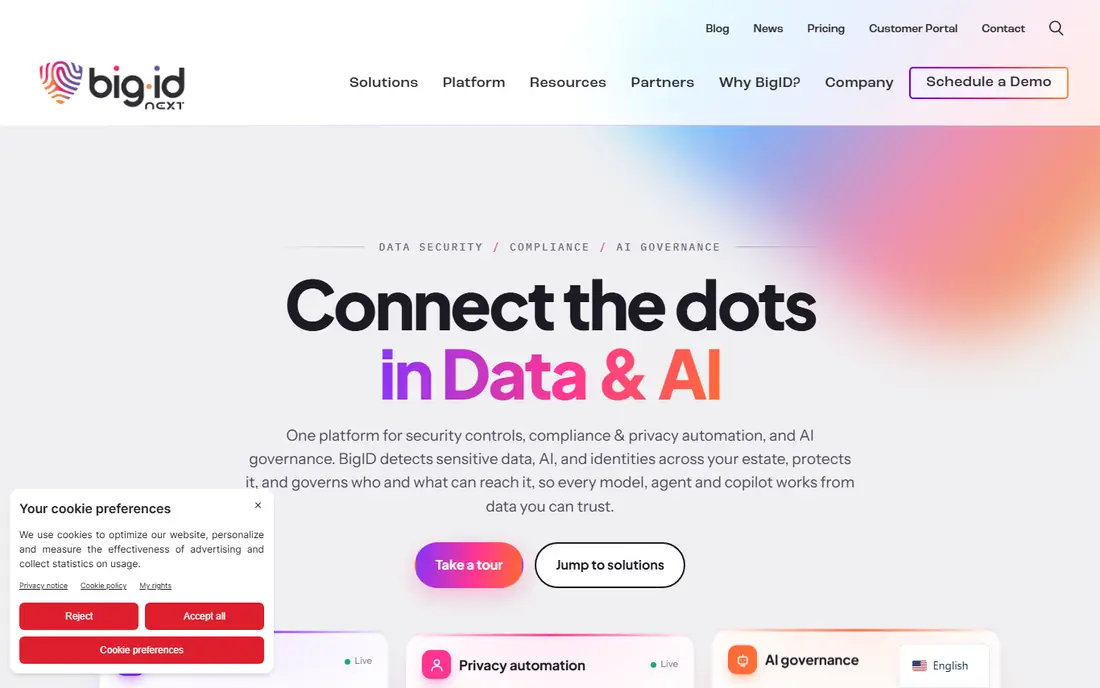
BigID leads when a company does not know where personal data lives. Its discovery and classification tools scan databases, files, and cloud stores to find sensitive data that questionnaires miss. That map then supports subject rights, retention, and AI governance, since teams can see which systems feed which models and reports.
The limit is scope. Companies whose main need is a consent banner will not use BigID depth, and the platform needs data engineering support to reach full value. When discovery is the blocker, BigID is the pick to test first.
- Strong discovery across structured and unstructured data
- Classification for sensitive data
- AI governance use cases
- Quote-based pricing
- Best value when discovery is the real blocker
TrustArc pairs its platform with regulatory research and managed services, which suits companies in heavily regulated sectors. Consent, assessments, data mapping, and subject rights are covered, and the advisory side helps teams interpret new rules. That combination matters when a small privacy team must cover many jurisdictions.
The catch is cost and pace. TrustArc is an enterprise purchase, and teams should confirm which services are included in the quote and which are billed separately. For regulated companies that want guidance with their software, the pairing is a real advantage.
- Regulatory intelligence and assessment content
- Managed services alongside software
- Consent and subject rights tools
- Quote-based pricing
- Enterprise cost and setup
Osano is the most approachable full privacy platform in this list for a midsize team. Consent management is the clear starting point, with a free tier for basic cookie consent and a Plus tier listed near $199 per month for growing sites. Broader privacy management, including subject rights, data mapping, and assessments, sits on quoted Start, Trust, and Scale plans.
The tradeoff is depth at the top end. Osano covers the common program well, but companies with complex discovery or AI governance needs may still need a specialist tool beside it. For teams that want published prices and a fast start, Osano is a sensible first call.
- Published pricing tiers
- Consent plus broader privacy modules
- Easier onboarding than enterprise suites
- Full privacy features move to quoted plans
- Discovery is lighter than Securiti or BigID
DataGrail fits companies whose subject request volume has outgrown spreadsheets and email. Its connectors link common SaaS tools so access and deletion requests can be fulfilled across systems from one workflow. Setup is faster than enterprise suites, and the interface is easier for a small privacy team to run day to day.
The limit is coverage. Systems without a connector still need manual work, so teams should list their top ten data systems and confirm connector coverage before buying. For SaaS-heavy companies, DataGrail is one of the best midmarket picks.
- Connector-led DSAR automation
- Clean interface
- Fast setup for SaaS estates
- Pricing is tiered and quoted
- Discovery relies on connectors rather than deep scanning
Transcend treats privacy as an engineering problem, with fulfillment built into data systems rather than bolted on as tickets. It suits companies where engineers own data pipelines and want deletion and access to propagate through real systems. That approach reduces manual work over time and gives a clearer audit trail.
The catch is investment. Transcend needs engineering sponsorship and integration work, and non-technical teams may find the model harder to run. For product and platform teams that already think in data flows, it is a strong pick.
- Engineering-grade fulfillment across systems
- Privacy handled in code and data flows
- Strong automation depth
- Quote-based pricing
- Needs engineering time to reach full value
Ketch focuses on consent and preference signals that must travel across websites, apps, and downstream systems. Its programmatic approach suits companies that need consent to stay consistent as data moves, not just a banner on one site. Rights workflows connect to that same consent layer, which helps teams keep records straight.
The tradeoff is breadth. Ketch is not a discovery-first platform, so companies with unknown data sprawl should pair it with a discovery tool or pick a broader suite. For consent-led programs, Ketch is a clean, developer-friendly option.
- Consent and preference infrastructure
- Orchestration across channels
- Developer-friendly setup
- Discovery is lighter than specialist tools
- Pricing is tiered
Didomi is a consent specialist, and it suits brands that run many sites, apps, and regions and need consistent consent records. Preference centers let users manage choices in one place, and the platform supports major privacy regulations with templates and reporting. That focus keeps setup simpler than a full governance suite.
The limit is scope. Didomi handles consent well, but companies that also need deep discovery or complex DSAR automation will need another tool beside it. For consent-led teams, Didomi is a focused and credible pick.
- Specialist consent and preference tools
- Multi-regulation support
- Preference center options
- Not a full discovery or DSAR suite on its own
- Enterprise features are quoted
How we picked these
We compared official product pages, feature documentation, and published pricing notes, and we checked each homepage listed here. We favored tools with a live product in October 2026, a clear role in consent, discovery, rights, or governance, and a real customer base. We left out cookie-only widgets with no rights or mapping features, and tools whose product status we could not confirm.
What to check before you buy
Start with your worst subject request, not your easiest one. Run a former customer with several email addresses across your CRM, support desk, and warehouse through each finalist, and see what the tool actually finds and deletes. A tool that only routes tickets will not fix a manual search problem. Also confirm which systems have connectors, and which will still need manual work.
Consent and data flow
Check how consent signals move downstream to analytics, advertising, and data warehouses, since a banner that does not change downstream use is only surface compliance. Confirm how preferences are stored, versioned, and audited, and how long records are kept. Teams with apps and websites should test both channels, not just the web banner.
Program ownership
Privacy software needs an owner, a data map, and a review rhythm. Confirm who updates templates when laws change, who approves new data systems, and how often access is reviewed. A tool without ownership becomes a dashboard no one trusts, while a modest tool with a clear owner often works better.
Frequently asked questions
What is the best data privacy management software for a small business?
Osano is the most approachable pick for a small or midsize business, thanks to published tiers and a free consent tier. Companies that only need a cookie banner should start there and add rights tools only when request volume grows.
What is the difference between consent tools and privacy suites?
Consent tools manage banners, preferences, and signals, while suites add data mapping, assessments, and subject rights automation. A company with many systems and frequent requests usually needs a suite, while a single-site business may only need consent.
How do I handle DSARs without a full platform?
Start with a written intake form, identity checks, deadline tracking, and a system list, then add automation for your top systems first. A focused tool such as DataGrail or Osano can help once manual handling becomes slow or error-prone.
Do these tools make my company compliant?
No tool alone makes a company compliant, since compliance also depends on legal review, data practices, and staff behavior. These tools support mapping, consent, and fulfillment, but legal advice should confirm duties under each law that applies.
What should I test in a trial?
Run a real subject request, test consent across web and app, and check reporting for one full cycle. Also confirm connector coverage for your top systems and the time needed to set up templates.
Is free privacy software enough?
A free consent tier can be enough for a small site with simple needs, but it rarely covers subject rights, mapping, or multi-region rules. Move to a paid plan when request volume, system count, or legal exposure grows.
Sources
See where you really rank - block by block
ProMapRanker scans Google Maps across a grid of your service area. Simple monthly plans from $19, white-label on every plan.
Start freeKeep reading
 who has best internet service
Who Has the Best Internet Service in 2026
Who has best internet service for US homes? We compare fiber, cable, fixed wireless and satellite providers on speed, price, availability and terms today.
Read → which survey tool has the best analytics
Which Survey Tool Has the Best Analytics in 2026
Find which survey tool has the best analytics in 2026, comparing Qualtrics, SurveyMonkey, Typeform, Alchemer, and more on reports, text, and stats today.
Read → which streaming service has the best movies
Which Streaming Service Has the Best Movies in 2026
Answering which streaming service has the best movies, with Netflix, Max, Criterion and more compared on libraries, prices and free options in this guide.
Read →