 ProMapRanker
Best Citation Building Services for Landscapers in 2026

All-in-one citation and local SEO management · Pricing starts at: See website
Direct answer
BrightLocal is my top pick for landscapers because it combines citation building with listing audits, review tools and local rank tracking in one dashboard. It has a free trial, so you can check the citation tools before committing. Whitespark suits owners who want citation work handled by a specialist team, and Semrush is a reasonable choice if you already pay for an SEO suite and want listings managed inside it.
I compared these tools from vendor documentation and public sources. I did not run hands-on tests, so treat this as a starting point for your own trial and demo requests. I focused on how each option handles the listing problems landscapers actually face: service-area addresses, seasonal contact changes, trade directories and duplicate entries.
Key takeaways
- Landscapers need consistent name, address and phone data across directories, map platforms and trade-specific sites, not just the big aggregators.
- A citation service should let you fix existing listings, not only create new ones, because duplicate and outdated entries are common for service-area businesses.
- Manual and semi-managed services usually produce cleaner trade-directory listings than fully automated distribution alone.
- Check whether the service supports service-area businesses that hide a street address on Google Business Profile.
- Pair citation work with a review process, since reviews and listing accuracy both affect how a landscaping business appears in local results.
Quick comparison
| Pick | Great for | Pricing starts at | Free tier | |
|---|---|---|---|---|
| BrightLocal | All-in-one citation and local SEO management | See website | Free trial | Visit |
 Whitespark | Specialist citation building done for you | See website | Not stated | Visit |
 Semrush | Teams already using an SEO suite | See website | No free plan | Visit |
 Moz Local | Simple listing distribution and monitoring | See website | Not stated | Visit |
 Yext | Businesses wanting many listings managed centrally | See website | Not stated | Visit |
 Loganix | Done-for-you citation packages | See website | Not stated | Visit |
 Synup | Multi-location and service-area listing management | See website | Not stated | Visit |
The best citation building services for landscapers compared
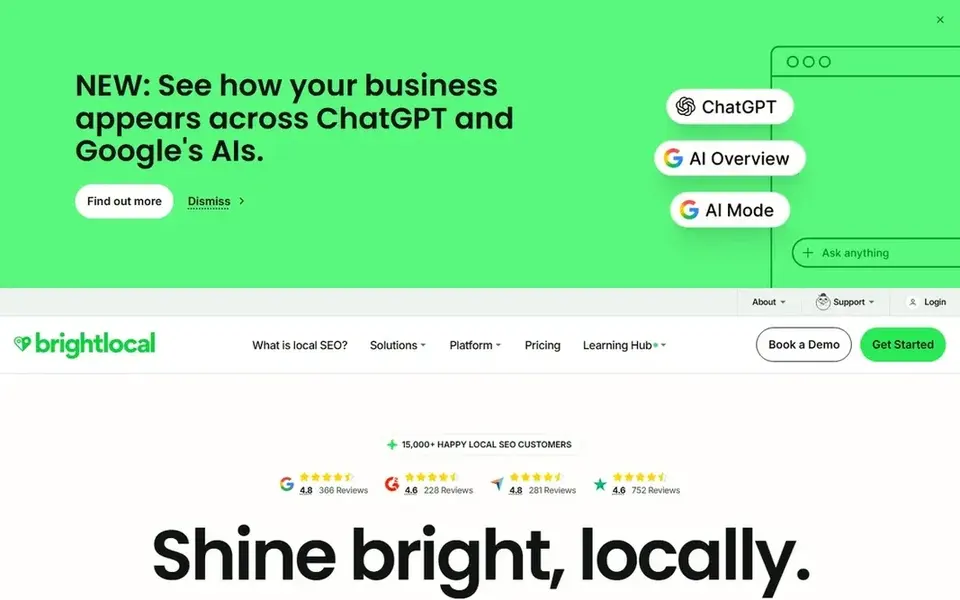
BrightLocal is a local SEO platform built around listings, reviews and rank tracking. For a landscaper running one or two service areas, it gives you a single place to see where your business is listed and where the data is wrong. It suits owners who want to handle citation work themselves with good reporting rather than hand everything to an agency.
The citation audit is the part I would use first. It scans the major directories and data aggregators, then shows mismatches in your business name, phone number and address. You can submit fixes and build new listings from the same screen. Because landscapers often change phone numbers or add a second crew vehicle, keeping that data consistent matters more than adding dozens of low-value directories.
The limit is that BrightLocal is software, not a full done-for-you service. If you want someone else to do the work, you still need to assign it. Skip it if you only want a one-off citation blast and never plan to check listings again.
- Citation audit and building in one place
- review and rank tracking included
- works well for single-location businesses
- Some automation sits on higher plans
- interface covers a lot of ground
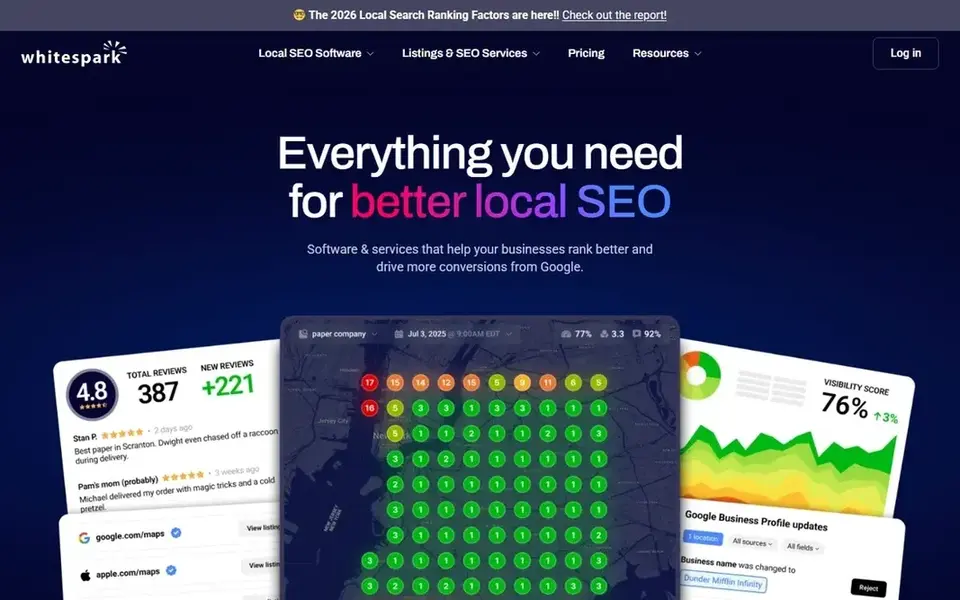
Whitespark is a local search company known for its citation building service and its citation finder tool. The done-for-you service is aimed at businesses that want a team to find, create and clean up listings rather than doing it in a dashboard. That fits a landscaper who is busy on jobs and does not want another login to manage.
The service typically covers the core aggregators plus a set of relevant directories. For landscaping, the useful part is finding niche and local directories that match your service area, such as local business associations and home-services listings. You provide the business details once and the team works through the list, then reports back on what was created and fixed.
The trade-off is time. Manual citation work is not instant, and you should expect a few weeks before everything is live. It also costs more than a self-serve tool for a single location. Skip it if you want to manage listings yourself and only need an audit.
- Citation service handled by a specialist team
- strong focus on local search
- useful local citation finder
- Manual work takes weeks to complete
- less suitable if you want instant changes
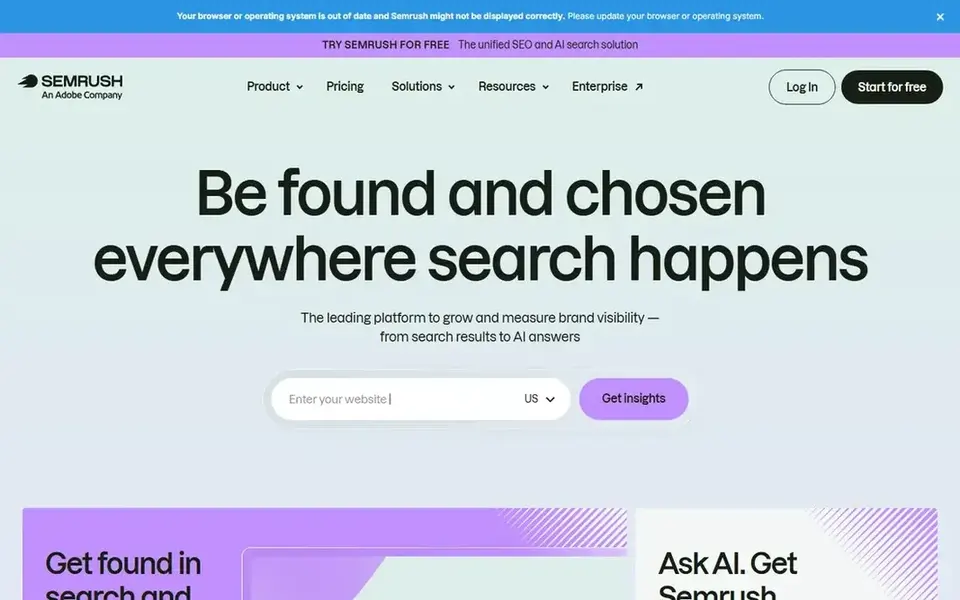
Semrush is a broad SEO and marketing platform with a listings management section. If you already use it for keyword research, competitor checks or site audits, managing your business listings in the same account saves switching between tools. It suits a landscaping company with someone doing marketing part-time or an agency already on the platform.
The listings tool lets you sync business data to directories, monitor changes and see where listings differ. For a landscaper, that means your phone number and service area stay consistent while you also track which local keywords bring enquiries. The reporting side is stronger than most dedicated citation tools, which helps if you need to show the owner what changed.
The downside is that you pay for a large platform when you may only need citations. It has no free plan, so the cost is hard to justify for a one-person landscaping business that only wants listings fixed. Skip it if citations are your only need.
- Listings management inside a broad SEO platform
- useful keyword and competitor data
- good reporting
- Large platform for a small landscaper
- citation features are a small part of the product
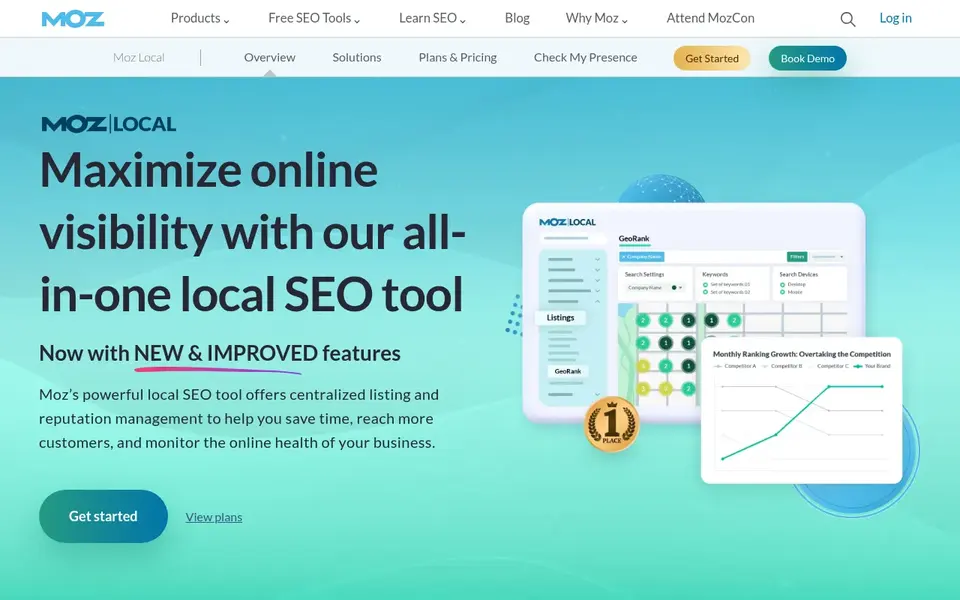
Moz Local is a listings management product from Moz. It pushes your business data to major directories and data aggregators, then monitors for changes and duplicates. It is a simple option for a landscaper who wants the core listings correct without learning a complex dashboard.
The main directories it covers are the ones that matter most for local search: the big data aggregators, major map and review platforms, and common business directories. For a service-area landscaper, the important thing is that your service area and phone number stay accurate across those sources. Moz Local shows you where the data differs and lets you correct it.
The limit is depth. You get less control over individual niche directories and trade listings than with a manual service. If your main problem is a handful of wrong listings on home-services sites, this tool may not reach them. Skip it if you need a specialist to hunt down every local directory.
- Straightforward listing sync
- monitoring for duplicate and inaccurate data
- familiar Moz reporting
- Less control over niche directories
- fewer local SEO extras than some rivals

Yext is a listings and location data platform. You enter your business details once and it distributes them across a large network of directories, apps and map services. It is built for businesses that want central control, and it works well for landscaping companies with several branches or service areas.
For a landscaper, the appeal is consistency. If you run crews across two or three towns, Yext keeps the same core data in each listing and lets you update hours or phone numbers in one place. It also covers map apps and voice assistants, which matter when homeowners search for a landscaper on their phone.
The trade-off is cost and scale. Pricing is quote-based, and the platform is more than a single small business usually needs. It also works best when you commit to keeping data updated. Skip it if you want a cheap one-off citation cleanup.
- Central control of business data
- wide network of listings and map apps
- good for multi-location work
- Quote-based pricing
- can be more than a small landscaper needs
Loganix is an SEO services company that offers citation building as a done-for-you package. You provide your business details and the team creates and fixes listings across a set of directories. It suits a landscaper who wants the work handled without buying software.
The service is aimed at local businesses that need a clean baseline of listings. For landscaping, that means the core aggregators and general directories plus some local and niche options depending on the package. You get a report at the end showing what was built and corrected, which is useful if you later switch to a software tool and need a starting point.
The limitation is control. You do not choose every directory yourself, and the work is not instant. It is also a service rather than a dashboard, so ongoing monitoring is limited unless you buy repeat work. Skip it if you want to manage listings in-house.
- Citation building handled by a team
- clear packages
- can include local directory work
- Less self-serve control
- you rely on the team's directory choices
Synup is a listings and local marketing platform. It manages business data across directories and map platforms, and it includes review management and local pages. It is a good fit for landscaping companies that serve several towns and want one place to control how each service area appears.
The service-area business support is the part that matters here. Landscapers often hide a street address on Google Business Profile and list service areas instead. Synup handles that setup across listings, which reduces the risk of an address showing up where it should not. It also monitors for duplicate listings, a common problem when a business has moved or changed names.
The downside is setup effort. You need to enter and verify your data carefully, and the platform is larger than a one-person operation needs. Skip it if you only have one location and a small budget.
- Handles service-area businesses
- listing sync and monitoring
- review management included
- Setup takes effort
- more than a single small business needs
How I chose
I picked these tools by reading vendor documentation and public sources, then matching each one to the way landscaping businesses actually operate. I looked for listing audits, duplicate detection, service-area support and whether the tool or service handles niche directories. I did not run hands-on tests, so my notes come from what the vendors publish and what is publicly described about each product.
I also weighed limits. A software tool is only useful if you will log in and fix listings, and a done-for-you service is only useful if you are willing to wait for manual work. I left out anything that looked like a directory blast with no ongoing monitoring, because listings drift over time. Where a vendor does not state a free plan, I say so rather than guess.
What to check before you buy
- Confirm the service supports service-area businesses, since many landscapers hide their street address on Google Business Profile.
- Ask whether the service fixes existing listings and duplicates, not just creates new ones.
- Check that it covers the major data aggregators, because those feed many smaller directories.
- Look for trade and local directories relevant to landscaping and home services, not just generic business listings.
- Make sure you can update phone numbers and hours yourself when they change between seasons.
- Check whether review monitoring is included, since reviews affect how your business appears in local results.
Frequently asked questions
What are citations for a landscaping business?
Citations are mentions of your business name, address and phone number on other websites, such as directories, map platforms and local business associations. For landscapers, consistent citations help Google and other platforms confirm your business details. They also give homeowners another place to find you when they search for local lawn care or garden services.
Do landscapers need citations if they only serve a local area?
Yes. Local citations support the map results homeowners see when they search for a landscaper nearby. Even a business that serves one town benefits from accurate listings on the main directories and local sites. The goal is consistency, not volume, so a smaller set of correct listings beats hundreds of inaccurate ones.
Should I use a software tool or a done-for-you service?
It depends on your time. Software tools like BrightLocal or Moz Local let you fix listings yourself and monitor them over time. Done-for-you services like Whitespark or Loganix handle the work but take longer and cost more. If you have someone handling marketing, software is usually enough. If not, a service saves time.
How long does citation building take?
Manual citation work usually takes a few weeks because each directory has its own submission and verification process. Software tools can push data faster to major aggregators, but niche and local directories still take time. Plan for ongoing checks rather than a one-time job, since listings can change when directories update their data.
Can citations fix a landscaping business that is not showing on Google Maps?
Citations are one part of local visibility, not a fix on their own. If your Google Business Profile is incomplete, your categories are wrong or you have few reviews, citations alone will not solve it. Use citation work alongside a complete profile, a review process and a website that clearly states your service areas.
Sources
See where you really rank - block by block
ProMapRanker scans Google Maps across a grid of your service area. Simple monthly plans from $19, white-label on every plan.
Start freeBrowse all guides
← Best Citation Building Services for Home Services in 2026Best Citation Building Services for Roofers in 2026 →
 best citation building services for electricians
Best Citation Building Services for Electricians in 2026
A practical guide to the best citation building services for electricians in 2026, covering listing accuracy, local directories and multi-location support.
Read → best citation building services for chiropractors
Best Citation Building Services for Chiropractors in 2026
A practical guide to the best citation building services for chiropractors in 2026, comparing listing tools, manual services and local SEO platforms.
Read → best call tracking software for local businesses
Best Call Tracking Software for Local Businesses in 2026
A practical guide to the best call tracking software for local businesses in 2026, compared from vendor documentation and public sources.
Read → google business profile updates
Google Business Profile Updates: What to Post and How Often
A cadence and content plan for Google Business Profile updates that keeps your listing active and visible.
Read → local seo strategies
Local SEO Strategies: A Complete Guide
Everything you need to know about local seo strategies: what it is, why it matters for local SEO, and exactly how to act on it.
Read → atrp local seo metric
ATRP Explained: The Average Total Rank Position Metric
ATRP (Average Total Rank Position) explained: how it differs from ARP and when to use each metric.
Read →More in Local SEO & Google Maps · All guides A to Z by date · Latest guides