 ProMapRanker
Best Chargeback Management Software in 2026


Best hands-off recovery for ecommerce · Pricing starts at: See website
Key takeaways
- Chargeflow suits Shopify and multi-processor stores that want hands-off recovery on a success fee, while Justt suits larger enterprises with high volume.
- Prevention and recovery solve different problems, so a tool that fights disputes after they file does not lower the dispute count that already hit your ratio.
- Pricing models differ sharply, from success fees and per-alert fees to retainers and quotes, so compare total cost at your actual dispute volume.
- Integrations matter, because a tool that cannot connect to your processor or platform will need manual work that defeats the point of automation.
Quick comparison
| Pick | Great for | Pricing starts at | Free tier | |
|---|---|---|---|---|
| Chargeflow | Best hands-off recovery for ecommerce | See website | Free trial | Visit |
 Justt | Best enterprise chargeback recovery | See website | No | Visit |
 Chargebacks911 | Best full-service enterprise recovery | See website | No | Visit |
 Midigator | Best high-volume dispute automation | See website | No | Visit |
 Signifyd | Best fraud screening with liability shift | See website | No | Visit |
 Riskified | Best fraud decisioning for large stores | See website | No | Visit |
 Chargeback.io | Best pay-per-alert prevention | See website | No | Visit |
 Disputifier | Best capped-fee recovery for Shopify | See website | Free trial | Visit |
The best chargeback management software
Chargeback management covers three jobs, which are preventing disputes, fighting disputes after they file, and screening orders for fraud before approval. A recovery tool earns its fee by winning back money, a prevention tool earns it by stopping a dispute from counting, and a screening tool earns it by blocking risky orders. We compared tools on category, integrations, pricing model and merchant fit, using vendor and buyer pricing reported in October 2026. This article is general information only, not financial advice, and merchants should check card network rules for their own situation.
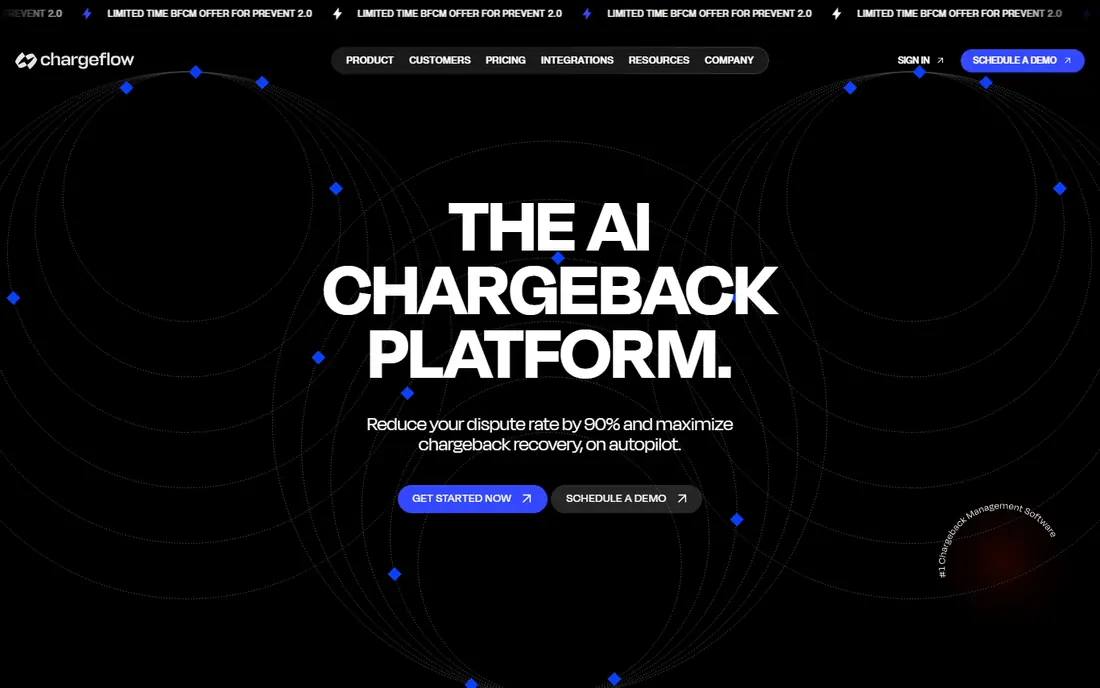
Chargeflow is the easiest recovery choice for many ecommerce stores, because it automates evidence collection and representment with little manual work. It integrates with Shopify, WooCommerce, Stripe and many other platforms, and its recovery product uses a success-fee model, reported at 25 percent of each recovered chargeback, with no setup fee or monthly fee on that product. That model suits stores that want to pay only when money is won back.
The catch is that prevention scanning and alerts bill separately, so the total cost is more than the headline success fee if you use all three products. A recovered dispute also still counted toward your chargeback ratio when it filed, so recovery alone does not fix a monitoring threshold problem. For stores that want hands-off recovery and a clear dashboard, Chargeflow is a strong first pick.
- Automated evidence and representment
- Integrations with Shopify, Stripe and other platforms
- Free analytics dashboard in reported terms
- Success fee has no per-win cap in reported terms
- Prevention and alerts bill separately from recovery
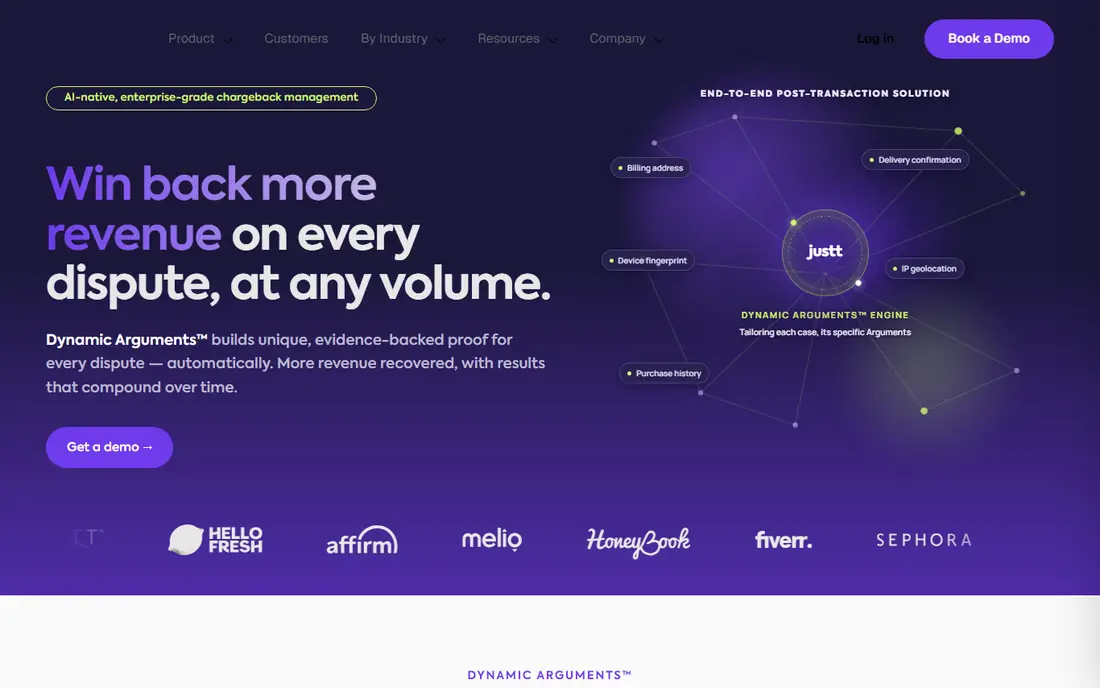
Justt suits larger merchants and subscription businesses that face high dispute volume and need recovery at scale. Its system builds evidence tailored to the dispute reason code and processor, and it is designed to handle many cases without a large internal team. That automation matters when a store faces hundreds of disputes a month, because manual representment at that scale is slow and error-prone.
The trade-off is fit, since Justt is geared to enterprise and high-volume merchants, and smaller stores may not meet its integration or volume expectations. Pricing is custom and performance-oriented, so get a written proposal based on your dispute volume, average order value and processors. For a large store that wants recovery handled end to end, Justt is a leading enterprise option.
- Built for high-volume and enterprise merchants
- Automated evidence tailored by reason code
- Broad processor coverage
- Best fit requires volume and integration work
- Pricing is custom and performance-based
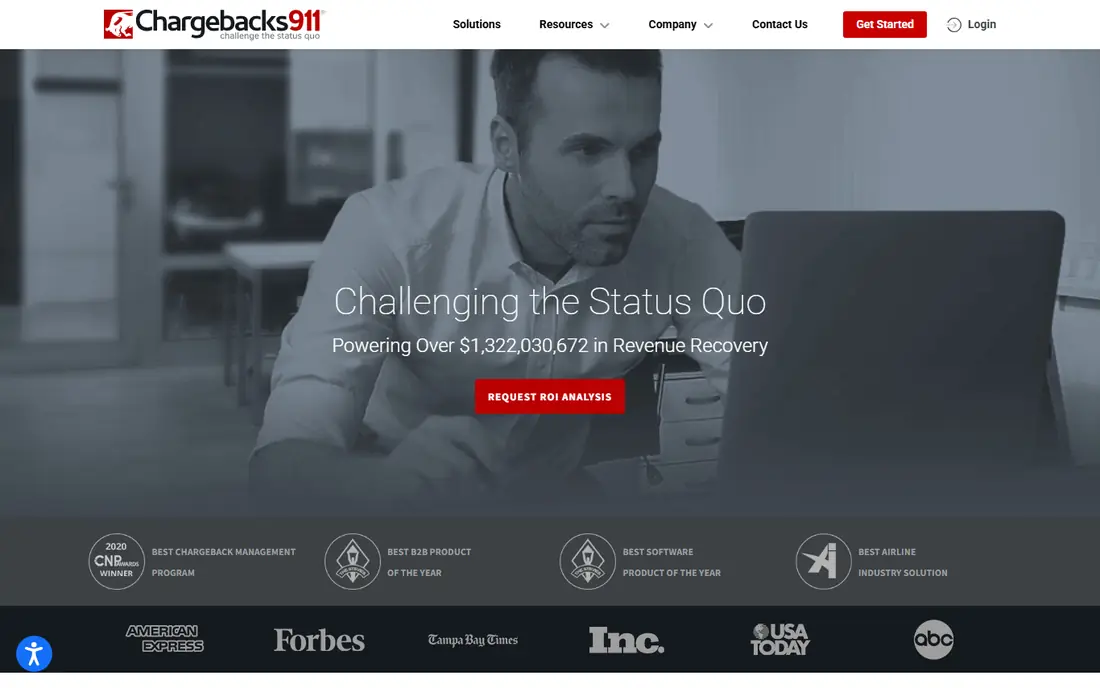
Chargebacks911 is one of the longest-running full-service providers in this space, serving larger merchants, payment processors and financial institutions. It combines technology with human analysts to manage disputes, and it offers analytics that help merchants understand why disputes happen. That service depth suits organisations that want a managed partner rather than a self-serve tool.
The drawback is cost and process, because pricing is custom, often with a retainer, and buyer comparisons describe the process as less fully automated than newer competitors. Merchants should also note that Chargebacks911 settled a US Federal Trade Commission complaint in 2023 over win-rate marketing claims, so treat any win-rate promise with care and ask for method and scope. For a large merchant that wants a full-service partner, it remains a candidate, but compare total cost and automation first.
- Long track record with enterprise merchants and processors
- Human analysts plus technology
- Analytics and reporting
- Pricing is custom and often retainer-based
- Process is less fully automated than newer rivals in buyer comparisons
Midigator, part of Kount, is built for high-volume merchants that need to automate dispute handling across processors and reason codes. It focuses on the operational side of chargebacks, including evidence, workflows and analytics that show which products, payment methods or customer issues drive disputes. That insight helps a large store fix root causes, not just fight each case as it arrives.
The limit is that Midigator is an enterprise tool, so smaller stores may not meet its volume or integration requirements, and pricing is custom. A store with under a few hundred disputes a month may get better value from a success-fee tool such as Chargeflow or Disputifier. For a high-volume merchant with an engineering team and a complex stack, Midigator offers strong automation and reporting.
- Automation for high-volume disputes
- Analytics on dispute causes
- Designed for enterprise stacks
- Requires integration and volume to get value
- Pricing is custom
Signifyd solves a different problem from recovery tools, because it screens orders for fraud before you approve them, and shifts liability for fraud chargebacks on approved orders under its model. That can protect margins for stores that face fraud, especially for high-value or digital goods, and it integrates with Shopify, Magento, BigCommerce and other platforms. The value is in orders you accept with confidence, not in fighting disputes after the fact.
The cost model is also different, since Signifyd charges a percentage of order value on approved orders, with a custom rate, so total cost scales with sales rather than dispute count. It does not replace a recovery tool for friendly fraud or service disputes that still file. Use Signifyd when fraud is the main driver of chargebacks, and pair it with prevention or recovery for other dispute types.
- Screens orders before approval
- Liability shift on approved orders in its model
- Integrations with major platforms
- Pricing is a percentage of order value on approved orders
- Not a recovery tool for disputes that already filed
Riskified is a fraud decisioning platform for larger ecommerce merchants, using machine learning to approve or decline orders in real time and offering a chargeback guarantee on approved orders under its model. That guarantee shifts fraud risk away from the merchant, which helps stores that want to approve more orders without taking on more fraud losses. Its integrations cover major platforms and payment providers, which matters for large, multi-channel stores.
The trade-off is scale, since Riskified is priced by custom agreement and is best suited to merchants with significant volume and fraud exposure. Smaller stores will likely find Signifyd, prevention tools or recovery tools more accessible. For a large store where fraud decisions directly affect revenue, Riskified is a strong enterprise screening choice.
- Real-time fraud decisioning for large merchants
- Chargeback guarantee model on approved orders
- Broad ecommerce integrations
- Pricing is custom
- Best fit is large merchants with significant fraud exposure
Chargeback.io focuses on stopping disputes before they become formal chargebacks, through card network alerts. Reported pricing is $29 per Ethoca alert, $15 per Rapid Dispute Resolution alert and $15 per Cardholder Dispute Resolution Network alert, with no monthly minimum. That pay-per-alert model suits merchants that want predictable prevention costs and fast setup without a retainer.
The limit is scope, because prevention does not fight disputes that still file, so stores with many friendly fraud or service disputes still need a recovery tool. Per-alert fees also add up if alert volume is very high, so compare prevention cost against the cost of a formal chargeback at your average order value. For merchants whose main risk is a monitoring threshold, Chargeback.io is a focused prevention pick.
- Pay-per-alert pricing with no monthly minimum in reported terms
- Fast setup for prevention
- Covers Ethoca, RDR and CDRN alerts
- Prevention only, not full recovery
- Per-alert fees add up at very high volume
Disputifier suits Shopify stores that sell higher-value goods and want a cap on recovery fees. Its reported success fee is 20 percent of recovered chargebacks, capped at $250 per successful dispute, which can cost less than an uncapped percentage on a large order. That cap is the clearest reason to choose it over an uncapped success-fee tool, especially for stores with a high average order value.
The trade-off is scale and maturity, since Disputifier is smaller than Chargeflow or Justt, and some buyer reviews note less advanced automation. Fraud and order-not-received prevention are paid add-ons, so check the total cost for your dispute mix. For a Shopify store with high-value orders that wants capped recovery costs, Disputifier is worth a trial.
- Success fee capped at $250 per successful dispute in reported terms
- Shopify-focused automation
- Fraud and order-not-received prevention as add-ons
- Smaller vendor than category leaders
- Automation depth has drawn mixed buyer comments
How we picked these
We compared vendor pages, buyer guides and pricing disclosures for October 2026, favouring tools that are live, integrated with major platforms and processors, and clear about whether they prevent, recover or screen. We included all three categories, because a store that only buys recovery may still breach a monitoring threshold, and a store that only buys prevention may still lose winnable disputes. We did not claim hands-on testing, and we used See website where pricing is custom, retainer-based or varies by volume. This article is general information only, not financial advice.
How to choose a chargeback tool
Start by sorting your disputes by type, because fraud, friendly fraud, service issues and subscription cancellations need different responses. Check your dispute ratio, average order value and monthly volume, then match the pricing model to those numbers, since a success fee, a per-alert fee and a retainer behave very differently at scale. A store with 20 disputes a month needs a different tool from a store with 500, and a high-value store needs a cap or a screening guarantee more than a low-value store does.
Next, confirm integrations with your platform and processors, and test how evidence is collected, because manual evidence work defeats the purpose of automation. Ask what happens to a dispute that is not won, how alerts are delivered, and what reporting shows root causes. Finally, get a written quote at your actual volume, including all products you plan to use, and trial the tool for a month with real disputes before committing to a long contract.
Frequently asked questions
What is the best chargeback management software?
For most ecommerce stores, Chargeflow is the best starting point for hands-off recovery, because of its automation and success-fee model. For larger enterprises, Justt and Chargebacks911 are stronger full-service options, while Chargeback.io suits prevention and Signifyd suits fraud screening. The best choice depends on dispute type, volume and whether you need prevention, recovery or screening.
What are the best chargeback management tools for Shopify?
Chargeflow, Disputifier and Chargeback.io are strong Shopify-focused options, because they integrate directly with Shopify and related payment tools. Chargeflow covers recovery, Disputifier offers capped recovery fees, and Chargeback.io covers prevention alerts. Many Shopify stores use a prevention tool plus a recovery tool together, rather than relying on one alone.
How much does chargeback management software cost?
Costs vary by model, from Chargeflow reported success fees of 25 percent on wins, to Disputifier capped at $250 per win, to Chargeback.io per-alert fees, to custom retainers for enterprise providers. Screening tools such as Signifyd charge a percentage of order value on approved orders. Compare total cost at your actual dispute volume and average order value, not just the headline rate.
Can chargeback software lower my dispute ratio?
Prevention tools can lower the ratio, because they deflect disputes before they become formal chargebacks that count against you. Recovery tools win back money after a dispute files, but the dispute already counted toward the ratio in that month. If you are near a card network monitoring threshold, prioritise prevention and fraud screening, and use recovery to reclaim revenue on disputes that still file.
Do I still need to handle chargebacks manually?
With a good tool, manual work drops sharply, but you still need to review evidence, respond to customer issues and fix root causes such as unclear billing, slow shipping or confusing subscription terms. No tool can fix a product or service problem that keeps generating disputes. Use the tool reporting to find those causes, and address them alongside recovery.
Should a small store use chargeback software?
A very small store with only a few disputes a year may not need a paid tool, and can handle cases manually through its processor. Once disputes become regular, a success-fee tool such as Chargeflow or a capped tool such as Disputifier can save time and win back revenue without a monthly retainer. Start with a trial, measure win rate and time saved, and only continue if the numbers justify the fee.
Sources
See where you really rank - block by block
ProMapRanker scans Google Maps across a grid of your service area. Simple monthly plans from $19, white-label on every plan.
Start freeKeep reading
 who has best internet service
Who Has the Best Internet Service in 2026
Who has best internet service for US homes? We compare fiber, cable, fixed wireless and satellite providers on speed, price, availability and terms today.
Read → which survey tool has the best analytics
Which Survey Tool Has the Best Analytics in 2026
Find which survey tool has the best analytics in 2026, comparing Qualtrics, SurveyMonkey, Typeform, Alchemer, and more on reports, text, and stats today.
Read → which streaming service has the best movies
Which Streaming Service Has the Best Movies in 2026
Answering which streaming service has the best movies, with Netflix, Max, Criterion and more compared on libraries, prices and free options in this guide.
Read →