 ProMapRanker
Best Brain Game Apps in 2026

Key takeaways
- Lumosity offers the broadest game library, while BrainHQ leans most on research-based exercises.
- Elevate is the best fit for everyday language and math practice.
- NYT Games is the best value for daily puzzles many people already enjoy.
- Brain games can sharpen the skills you practice. They do not promise to prevent illness or boost general intelligence.
Quick comparison
| Pick | Great for | Pricing starts at | Free tier | |
|---|---|---|---|---|
 Lumosity | Broad daily brain training | $11.99 per month | Yes | Visit |
 Elevate | Everyday language and math skills | $9.99 per month | Yes | Visit |
 BrainHQ | Research-based cognitive exercises | $14 per month | Yes | Visit |
 Peak | Polished daily brain games on a budget | See website | Yes | Visit |
 CogniFit | Cognitive assessment and training | See website | Yes | Visit |
 NeuroNation | Memory and concentration training | See website | Yes | Visit |
 Brilliant | Logic, math, and reasoning puzzles | See website | Yes | Visit |
 NYT Games | Daily crosswords and word puzzles | $6.99 per month | Yes | Visit |
The best brain game apps for most people
We compared official pricing pages, feature lists, and public reviews to build this list. The picks below cover different budgets and workflows, so the right choice depends on what you publish, how often, and what you are willing to pay. Start with the comparison table, then read the two or three entries that match your main job.
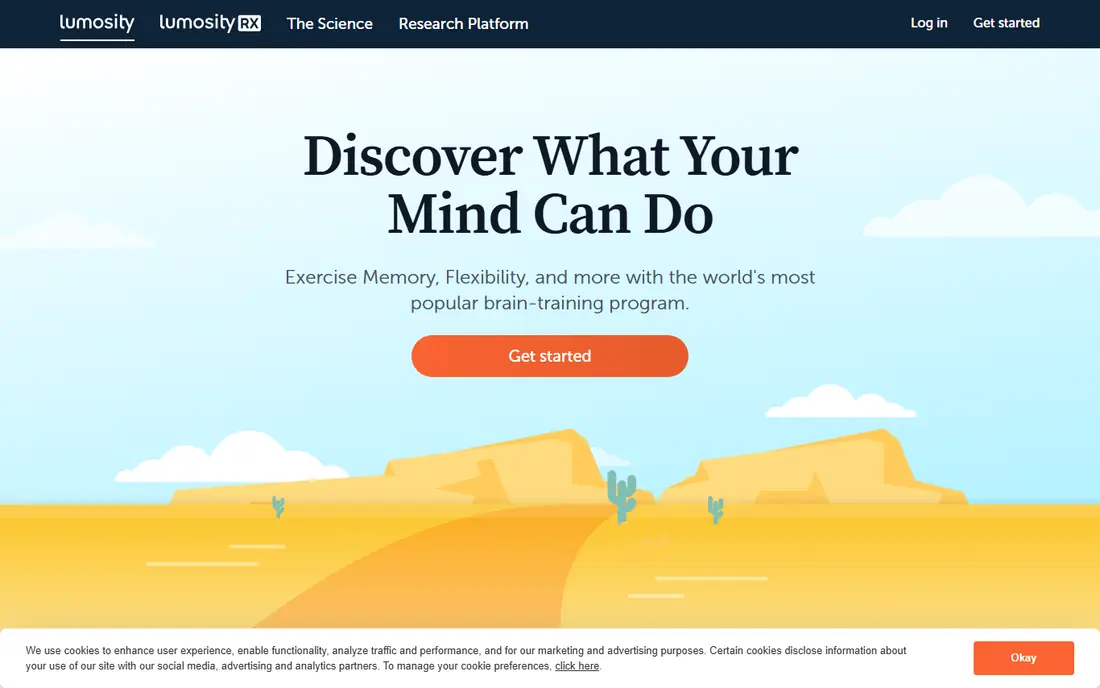
Lumosity is the broad library pick. Its strength is variety. Games cover memory, attention, speed, flexibility, and problem solving, and a daily workout keeps sessions short and structured. The trade-off is depth. Free users get a limited set of games each day, and the full five-game workouts need a paid plan. A typical session is to take a short Fit Test, then play a daily set of games matched to your training habits. Pick Lumosity if you want many game types in one app and a simple daily habit.
- Large game library
- Daily workouts
- Progress tracking by skill area
- Full library needs Premium
- Benefits are specific to practiced skills
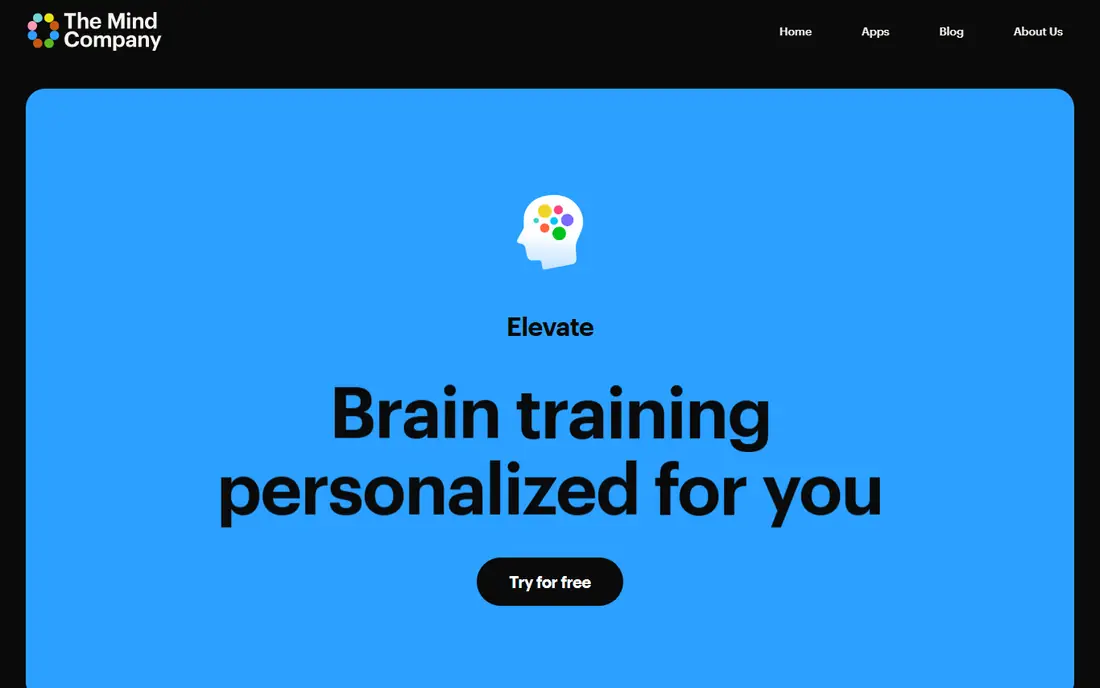
Elevate is the practical skills pick. Its strength is relevance. Games mirror everyday tasks, such as skimming a passage, working out a discount, or choosing the right word, rather than abstract puzzles only. The trade-off is range. It trains language and math well, but it is not the best choice for broad memory or spatial training. A typical session is to set a focus, play three to five short games, and review your performance by skill group. Pick Elevate if you want brain games that feel useful at work and in daily reading and writing.
- 40 plus games for reading, writing, and math
- Personalized daily training
- Clear skill tracking
- Focus is narrower than broad brain apps
- Full games need Premium
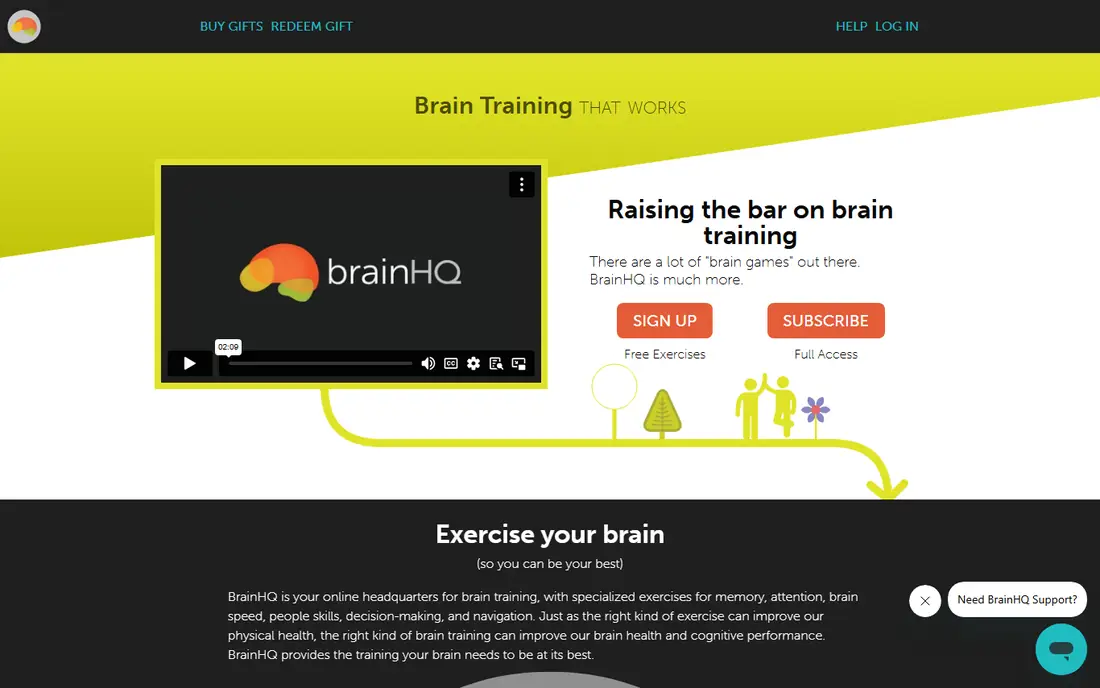
BrainHQ is the research-leaning pick. Its strength is design. Exercises are built from cognitive science research and adapt to your level, with a focus on processing speed and attention. The trade-off is style. It feels more like training than a game, which some users will like and others will find less fun. A typical session is to complete a short Daily Spark exercise or a structured program session and track progress over time. Pick BrainHQ if you value a research background and structured exercises over flashy game design.
- Exercises with a research background
- Adaptive difficulty
- Structured programs
- Higher monthly price
- Interface feels more clinical than playful
Peak is the polished budget pick. Its strength is design. The app looks clean, sessions are short, and games are easy to learn, which helps build a daily routine. The trade-off is access. Free play is capped, and the full game set and detailed insights need a subscription. A typical session is to play a daily workout, try a quick challenge, and compare progress over the week. Pick Peak if you want a good-looking, easy daily brain game app at a lower price than some rivals.
- Clean design
- Daily workouts
- Games across memory, focus, and language
- Some advanced features need a paid plan
- Free sessions are capped
CogniFit is the assessment-first pick. Its strength is measurement. An initial assessment maps strengths and weaker areas, then training is tailored to that profile. The trade-off is price and tone. Paid plans cost more than many casual brain game apps, and the experience feels more clinical than playful. A typical session is to take an assessment, then follow a personalized set of exercises and review detailed reports. Pick CogniFit if you want a detailed assessment and a structured training plan rather than casual games.
- Detailed cognitive assessment
- Personalized training
- Broad exercise set
- Paid plans are pricier than many rivals
- Interface can feel clinical
NeuroNation is the focused training pick. Its strength is focus. Exercises target memory, concentration, and reasoning with adaptive difficulty, so sessions stay challenging without feeling random. The trade-off is variety. The game set is narrower than the largest libraries, which may matter if you get bored easily. A typical session is to complete an assessment, then play a set of exercises matched to your profile. Pick NeuroNation if you want focused memory and concentration work with clear progress tracking.
- Targeted memory and concentration exercises
- Adaptive training
- Progress reports
- Full training needs a paid plan
- Game variety is narrower than Lumosity
Brilliant is the learning pick. Its strength is depth. Interactive lessons teach you to solve problems step by step, rather than just testing speed or recall. The trade-off is category. It is a learning platform first, so it suits people who enjoy puzzles with explanations, not quick arcade-style games. A typical session is to work through a short lesson, solve a set of problems, and move to the next level when you are ready. Pick Brilliant if you enjoy logic and math puzzles and want to learn as you play.
- Interactive lessons in math, logic, and science
- Problem-solving focus
- Clear progression
- Not a classic brain game app
- Full courses need a paid plan
NYT Games is the daily puzzle pick. Its strength is habit. Crossword, Wordle, Connections, and Spelling Bee give you a familiar daily set that many people already enjoy and return to. The trade-off is training scope. It does not track cognitive skills in the same way as dedicated brain training apps, and it focuses on word and puzzle play. A typical day is to play Wordle in the morning, try Connections, and work on the crossword when you have more time. Pick NYT Games if you love daily puzzles and want brain play that feels like a newspaper habit, not a training program.
- Crossword, Wordle, Connections, and Spelling Bee
- Familiar daily routine
- Clean interface
- Limited brain-training tracking
- Full access needs a subscription
How we picked these
We checked each vendor official feature page, pricing page, and app store listing where available, and we read privacy policies and public reviews for context. We only listed products that are available in October 2026 and that truly fit the topic. Where a price could not be confirmed as a single public figure, we wrote See website rather than guessing. We did not claim hands-on testing, and we treated free plans, trials, and paid tiers as different things, since they often are. We also weighed fit over fame. A well-known tool that does not match the topic was left out, and a smaller tool that does the job well was kept in. Prices change, so check the vendor site before you buy, and test the free plan or trial on a real task before committing to a paid plan. A final check matters as much as the feature list. Read the plan limits for seats, storage, exports, and monthly credits, and confirm how support works when something goes wrong. A tool that fits your budget but caps the exact job you do every day will cost more in workarounds than a slightly pricier plan that covers that job. Keep notes from your trial, compare the total at your real team size, and only then choose a plan that you can keep for at least a year.
How to choose a brain game app
Start with the skill you want to practice. Memory games, language games, and puzzles train different things, so a broad app is not always better than a focused one. Look for short daily sessions you can sustain, clear progress tracking, and difficulty that adapts as you improve. Free tiers are a good test: play for two weeks and see whether you enjoy the games and the routine. Keep expectations modest. Research shows practice can improve the specific skill you train, but no commercial app has proven it can prevent dementia or broadly raise daily functioning. If you notice memory or thinking changes that worry you, talk with a clinician rather than relying on an app. Disclaimer: these apps are for general mental stimulation and entertainment, not medical diagnosis or treatment. Set a review date after the first month. Check whether you used the paid features, whether the reports or exports matched what you needed, and whether anyone on your team struggled with the tool. If the answer is no on two of those points, try the next pick on your shortlist before the renewal date. A good tool should feel easier after a month, not harder, and it should save time on the jobs you repeat most often.
Frequently asked questions
Do brain training apps really work?
They can improve the specific skills you practice, such as remembering patterns or solving puzzles faster. Evidence for broad, lasting gains in daily life is limited, so treat them as enjoyable practice, not a cure.
Which brain game app is best for memory?
Lumosity, BrainHQ, and NeuroNation all include memory exercises. BrainHQ leans most on research-based tasks, while Lumosity offers more game variety for a daily habit.
Are there good free brain games?
Yes. Lumosity, Elevate, Peak, and NYT Games offer free tiers or free puzzles. Free tiers usually limit the number of games per day or the full library.
How long should I play each day?
Most apps are designed for 10 to 20 minutes a day. Short, regular sessions are easier to sustain than long weekend sessions, and they fit better into a daily routine.
Which app is best for language skills?
Elevate is the clearest pick for reading, writing, speaking, and math in everyday contexts. NYT Games is better if you prefer crosswords, word puzzles, and Connections-style challenges.
Sources
See where you really rank - block by block
ProMapRanker scans Google Maps across a grid of your service area. Simple monthly plans from $19, white-label on every plan.
Start freeKeep reading
 top custom software development company
Top Custom Software Development Company in 2026
Looking for a top custom software development company? We compare 9 firms for web, mobile, and enterprise software, covering strengths and fit for 2026.
Read → tableau alternatives
Tableau Alternatives in 2026
Compare the best Tableau alternatives for 2026, from Power BI to Metabase, with prices, hosting options, and picks for small teams and enterprises today.
Read → microsoft teams alternatives
Best Microsoft Teams Alternatives in 2026
Looking for microsoft teams alternatives? We compare 9 chat and video tools for 2026, covering free plans, pricing, meetings, and integrations for teams.
Read →