 ProMapRanker
Best Boot Companies in 2026


Long-lasting resoleable work boots · Pricing starts at: See website
Key takeaways
- Red Wing, Danner, and Thorogood suit buyers who want resoleable, long-lasting work boots rather than disposable pairs.
- Ariat, Timberland PRO, and KEEN Utility suit long shifts where comfort and safety toes matter from the first day.
- Blundstone suits slip-on everyday wear, while Wolverine and Chippewa cover value and cold-weather work needs.
- Check your job safety standard first: toe type, electrical hazard rating, and slip resistance matter more than style.
Quick comparison
| Pick | Great for | Pricing starts at | Free tier | |
|---|---|---|---|---|
| Red Wing | Long-lasting resoleable work boots | See website | No | Visit |
 Danner | Heritage durability and hiking crossover | See website | No | Visit |
 Ariat | Comfort for long work shifts | See website | No | Visit |
 Timberland PRO | Widely available work boots | See website | No | Visit |
 Wolverine | Value work boots with energy return | See website | No | Visit |
 Thorogood | American heritage work boots | See website | No | Visit |
 Blundstone | Slip-on everyday and work boots | See website | No | Visit |
 KEEN Utility | Comfort and wide fit work boots | See website | No | Visit |
 Chippewa | Cold weather and logging heritage | See website | No | Visit |
The best boot companies
Boot companies differ in fit, safety certification, materials, and whether a pair can be repaired. Some brands build heavy work boots meant to be resoled for years, while others focus on light comfort for long shifts. This guide covers work and everyday brands US buyers can buy in 2026.
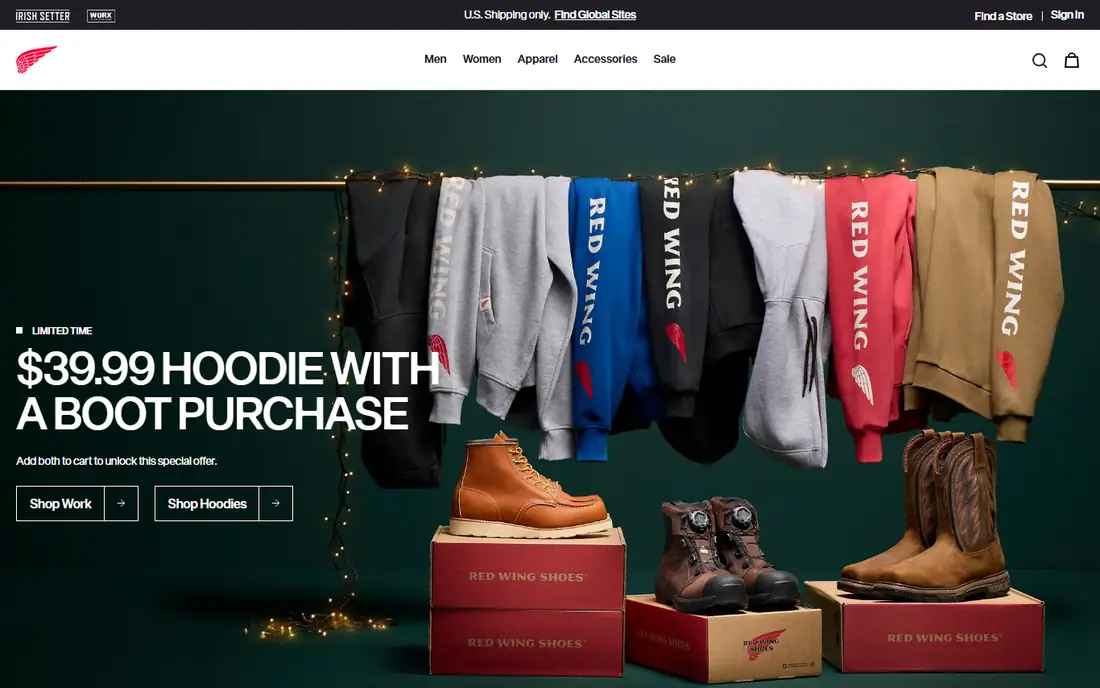
Red Wing, founded in 1905, is a standard choice for workers who want boots that last for years and can be resoled rather than replaced. Its work range covers steel and composite toes, waterproof models, and wedge and lug soles, with heritage lines that also suit everyday wear. Many buyers choose Red Wing after cheaper boots wear out quickly on concrete or rough ground.
The catch is cost and break-in. Full-grain leather models can feel stiff at first, and premium lines cost more than budget work boots. Buyers who need immediate comfort may prefer a lighter brand first, while buyers who want a repairable long-term pair will find Red Wing hard to beat.
- US-made heritage lines
- Resoleable construction
- Wide work range
- Higher prices
- Break-in time on leather models
Danner, founded in 1932, builds boots that cross from work sites to trails, with leather, stitching, and resoleable construction on many models. Its Steel Yard and other work lines offer safety toes and electrical hazard protection, while its hiking heritage shows in fit and ankle support. Workers who spend days outdoors often value that combination of protection and walking comfort.
Fit needs care. Some Danner lasts run narrow, so buyers with wide feet should check width options and return terms before ordering online. Prices sit in the premium range, but resoleable construction can lower the long-term cost for workers who wear boots daily.
- Resoleable models
- Hiking and work crossover
- Strong leather and stitching
- Premium pricing
- Some models run narrow
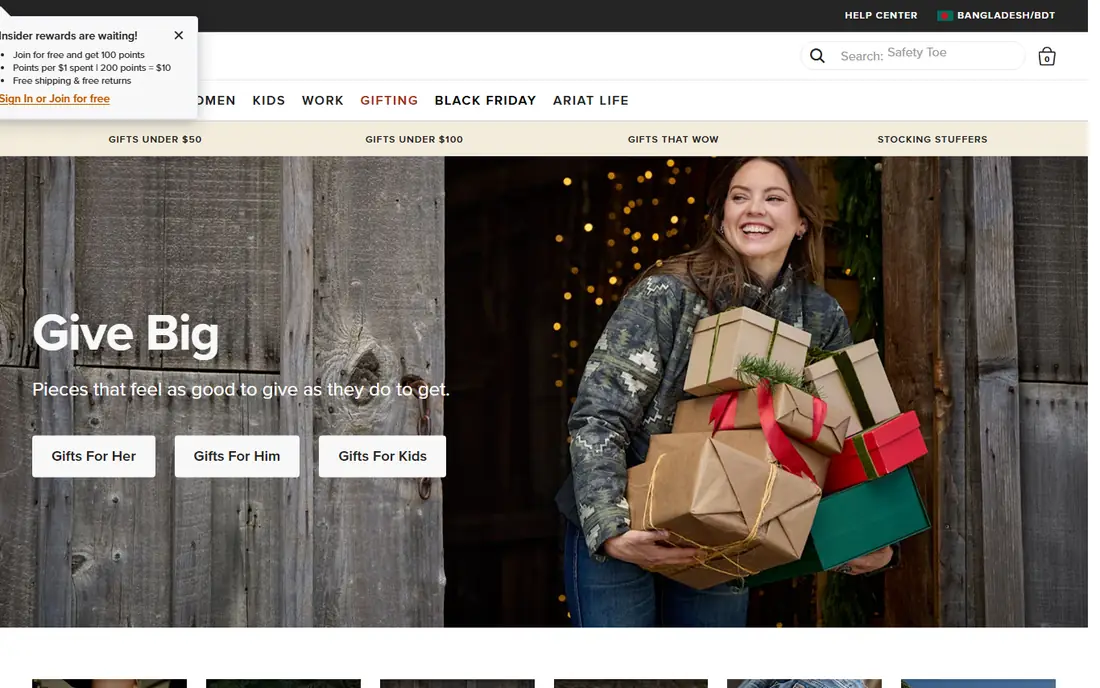
Ariat, founded in 1993, is a frequent pick for workers who stand all day, because its comfort systems focus on cushioning, stability, and shock absorption. Its work range includes composite and steel toes, waterproof models, and western-style pull-ons, so ranch, warehouse, and construction workers can find a fit for different jobs. Many models feel comfortable with little break-in, which matters for a first week on a new job.
The range is broad, so buyers must check specs per model. A western fashion boot and a safety-rated work boot can look similar but carry different toe and electrical hazard ratings. Confirm the safety standard for your job before choosing by style alone.
- Comfort footbeds and ATS technology
- Wide work and western range
- Waterproof options
- Style range is broad, so safety specs vary by model
Timberland PRO is one of the easiest work boot brands to find in stores, with a wide range of steel and composite toe models, waterproof lines, and insulated winter options. Its Boondock and Pit Boss lines are common on construction sites, and its sizing and width range helps workers find a fit without special ordering. For a buyer who needs boots quickly, that availability is a real advantage.
The limit is line variation. Timberland PRO covers budget to premium models, so two boots with similar looks can differ in materials and durability. Check the specific model specs, outsole, and warranty, and try the exact model in store when possible.
- Wide retail availability
- Many safety toe options
- Waterproof and insulated lines
- Heavier models can feel bulky
- Quality varies by line
Wolverine, founded in 1883, offers a broad work range at prices that often sit below Red Wing and Danner, with cushioning systems designed for high-mileage days. Its I-90 and other lines use energy-return midsoles that help workers who walk long distances on hard surfaces. That balance of comfort and price makes it a common choice for warehouse and construction workers.
The trade-off is repairability. Many Wolverine models are built for comfort and value rather than full resole construction, so long-term owners may replace rather than repair. Buyers who want a resoleable boot for many years should compare heritage lines before choosing on price alone.
- Energy-return cushioning on many models
- Wide work range
- Competitive pricing
- Some lines are less resoleable than heritage brands
Thorogood, founded in 1892, is known for American Heritage moc toe boots with wedge soles that suit workers on concrete, including ironworkers and warehouse staff. Its boots use leather uppers and sturdy stitching, and many models carry safety toes and electrical hazard ratings. Fans often cite comfort on flat surfaces and a classic work look that also suits everyday wear.
Leather models need break-in, and the style range is narrower than larger brands such as Timberland PRO. Thorogood suits buyers who like moc toe wedge boots and want a heritage work boot, while buyers who need hiking-style lugs or slip-on designs should check other brands.
- US-made heritage lines
- Wedge sole comfort
- Moc toe work styles
- Break-in on leather models
- Narrower style range
Blundstone, founded in Tasmania in 1870, makes slip-on Chelsea boots that suit everyday wear, light work, and indoor jobs where lacing wastes time. Its work lines add safety toes and slip resistance, while its classic lines focus on leather durability and simple style. Workers who move between indoors and outdoors often value the quick on and off design.
The slip-on design is also the limit. Fit depends on elastic tension and insole choice, and ankle support is lower than a laced 6-inch or 8-inch boot. For rough ground, heavy loads, or strict ankle support needs, a laced work boot from Red Wing or Danner is a safer choice.
- Easy slip-on design
- Durable leather
- Work safety lines available
- No laces means fit depends on elastic and insole
- Less ankle support than lace boots
KEEN Utility suits workers who need room for toes and all-day comfort, with roomy toe boxes, cushioned midsoles, and slip-resistant outsoles. Its Cincinnati and other work lines offer carbon, composite, and steel toes, plus waterproof options for wet sites. Workers with wide feet or foot pain often find KEEN fits better than narrower heritage brands.
The look is bulkier than heritage leather boots, and waterproof models can run warm in summer. KEEN fits best for warehouse, utility, and service work where comfort and toe room matter, while buyers who want a slim heritage boot should look at Danner or Thorogood.
- Roomy toe boxes
- Slip-resistant outsoles
- Many safety toe options
- Bulkier look
- Some models run warm
Chippewa, founded in 1901, builds work boots with a logging and outdoor heritage, including insulated models for cold weather and sturdy leather for rough use. Its boots suit forestry, farm, and winter work where warmth, grip, and durability matter more than light weight. The brand also offers heritage styles that cross into everyday wear.
Weight is the trade-off. Chippewa boots tend to be heavier than modern athletic-style work boots, so workers on smooth indoor floors may prefer a lighter brand. For cold, muddy, or rough outdoor work, that weight buys warmth and toughness that lighter boots may lack.
- Logging and cold-weather heritage
- Insulated models
- Sturdy leather
- Heavier than modern light work boots
- Style range is work-focused
How we picked these
We compared official brand sites, work boot guides, and safety specs for toe type, waterproofing, insulation, outsole, and resole options. We favored brands with current US availability and a clear work or everyday range, not only fashion lines.
We did not invent prices, safety ratings, or durability claims for specific models. Boot prices vary by model and retailer, so we write See website where the brand lists many models, and readers should confirm the exact safety standard for their job before buying.
How to choose boots for your job
Start with the hazard list from your employer or site rules. That list may require a steel or composite toe, electrical hazard protection, puncture resistance, metatarsal guards, or a specific slip rating. A comfortable boot that fails that list is the wrong boot, no matter how well it fits.
Then match fit to the workday. Concrete floors favor wedge soles and cushioning, rough ground favors lug soles and ankle support, and wet work favors waterproof membranes and slip-resistant outsoles. Try boots late in the day when feet are slightly swollen, and wear the socks you will use at work.
Break-in and care
Leather boots often need days of short wear before a full shift, while synthetic and athletic-style boots feel closer to final comfort sooner. Condition leather regularly, clean mud from tread, and rotate pairs when possible so boots dry fully between shifts. Resoleable boots repay care with extra years of use.
When to replace boots
Replace boots when the toe cap cracks, the outsole tread is worn smooth, waterproofing fails, or support collapses and causes foot pain. Do not rely on looks alone: a boot can look intact while its safety toe or midsole no longer protects as designed. Check manufacturer guidance for your model.
Frequently asked questions
What is the best boot company?
Red Wing and Danner suit long-lasting resoleable boots, Ariat and KEEN Utility suit comfort on long shifts, and Timberland PRO suits wide availability. The best brand depends on safety needs, fit, and work surface.
What is the best boot company for wide feet?
KEEN Utility and Timberland PRO offer wide fits on many models, and Red Wing and Thorogood list wide widths on heritage lines. Check the exact model width chart, because fit varies by last, not only by brand.
Are expensive work boots worth it?
For daily wear, resoleable premium boots can cost less over years than replacing cheap pairs often, but only if the fit is right and the boot is maintained. For occasional use, a mid-price safety boot may be better value.
Do I need a steel toe or composite toe?
That depends on your job standard. Steel toes handle heavy impact, while composite toes are lighter, do not conduct cold or electricity in the same way, and suit airport or metal-detector settings. Confirm the required ASTM standard with your employer.
How do I break in leather work boots?
Wear them for short periods at first, use work socks, and condition the leather as the maker directs. If pain persists after a week of gradual wear, the size or last may be wrong, and a different width or model is a better fix than forcing break-in.
Sources
See where you really rank - block by block
ProMapRanker scans Google Maps across a grid of your service area. Simple monthly plans from $19, white-label on every plan.
Start freeKeep reading
 who has best internet service
Who Has the Best Internet Service in 2026
Who has best internet service for US homes? We compare fiber, cable, fixed wireless and satellite providers on speed, price, availability and terms today.
Read → which survey tool has the best analytics
Which Survey Tool Has the Best Analytics in 2026
Find which survey tool has the best analytics in 2026, comparing Qualtrics, SurveyMonkey, Typeform, Alchemer, and more on reports, text, and stats today.
Read → which streaming service has the best movies
Which Streaming Service Has the Best Movies in 2026
Answering which streaming service has the best movies, with Netflix, Max, Criterion and more compared on libraries, prices and free options in this guide.
Read →