 ProMapRanker
Best Apps to Learn Korean for Free in 2026

Key takeaways
- Duolingo, LingoDeer, Memrise, and Drops all offer a usable free tier, but each free tier limits lessons, time, or content in a different way.
- Talk To Me In Korean offers a large free audio library, which makes it the best free grammar and listening starting point.
- HelloTalk and Tandem are free for language exchange, but they work best after a beginner can already read Hangul and form simple sentences.
- Anki is free on desktop and Android and remains the best free tool for keeping Korean vocabulary in long-term memory.
- No single free app covers everything, so pair one lesson app with one vocabulary tool and one speaking or exchange app.
Quick comparison
| Pick | Great for | Pricing starts at | Free tier | |
|---|---|---|---|---|
 Duolingo | Daily habit and basics | Free | Yes | Visit |
 LingoDeer | Structured grammar lessons | Free | Yes | Visit |
 Talk To Me In Korean | Free grammar and listening | Free | Yes | Visit |
 Memrise | Vocabulary recall | Free | Yes | Visit |
 Drops | Visual vocabulary in short sessions | Free | Yes | Visit |
 HelloTalk | Language exchange with native speakers | Free | Yes | Visit |
 Tandem | Language exchange and tutoring | Free | Yes | Visit |
 Anki | Spaced repetition flashcards | Free | Yes | Visit |
 Eggbun | Chat-based conversation practice | Free | Yes | Visit |
The best apps to learn Korean for free
These nine apps all let a learner start Korean without paying, though paid upgrades remove limits or add content. We compared official app store listings, free-tier descriptions, and course pages, and we focused on what a free user can actually do, not just what a paid plan promises.
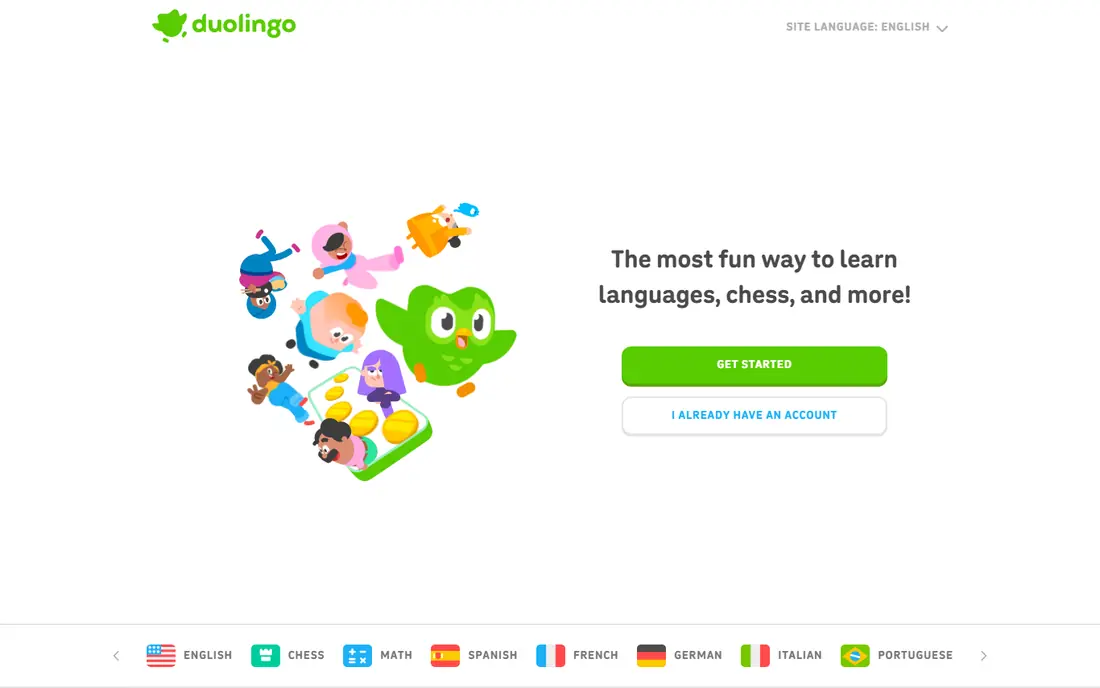
Duolingo is the easiest free starting point for Korean. Short lessons teach Hangul, common words, and simple sentence patterns, and streaks and points help many learners keep a daily habit. The Korean course runs from beginner toward intermediate levels, with alphabet sessions and listening practice built in.
The free tier has limits. Hearts can run out after mistakes, ads interrupt lessons, and grammar rules are often learned by pattern rather than by clear explanation. Duolingo works best as a daily habit builder paired with a grammar source such as Talk To Me In Korean or LingoDeer.
- Free core course
- Short gamified lessons
- Covers reading, listening, and speaking basics
- Free tier has hearts and ads
- Grammar explanation is light
- Korean depth is limited past beginner level
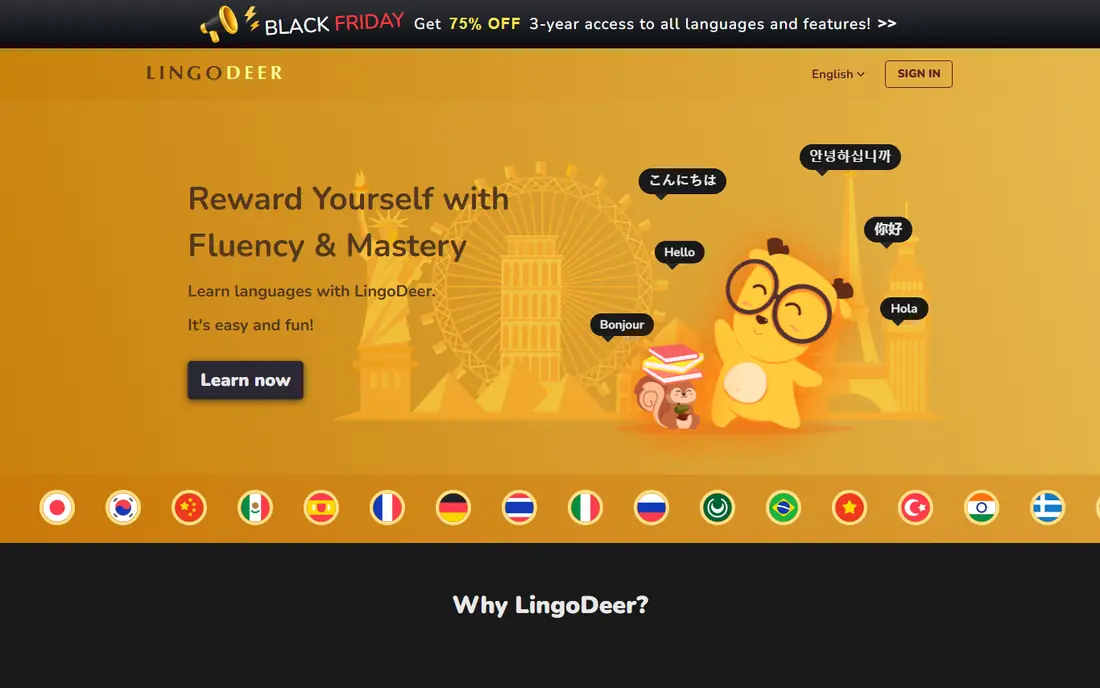
LingoDeer was built with Asian languages in mind, and that shows in its Korean course. Lessons explain particles, verb endings, and speech levels instead of leaving learners to guess from examples. Native audio, review drills, and offline downloads support steady study.
The free tier is narrower than Duolingo. It covers the alphabet section and the first unit, with the rest behind a paid plan listed around $14.99 per month in recent material. Even so, the free portion is worth completing, since it teaches Hangul and core grammar more clearly than most free rivals.
- Grammar explanations built for Korean
- Native speaker audio
- Clear lesson structure
- Free content covers only the alphabet and first unit
- Full course needs a paid plan
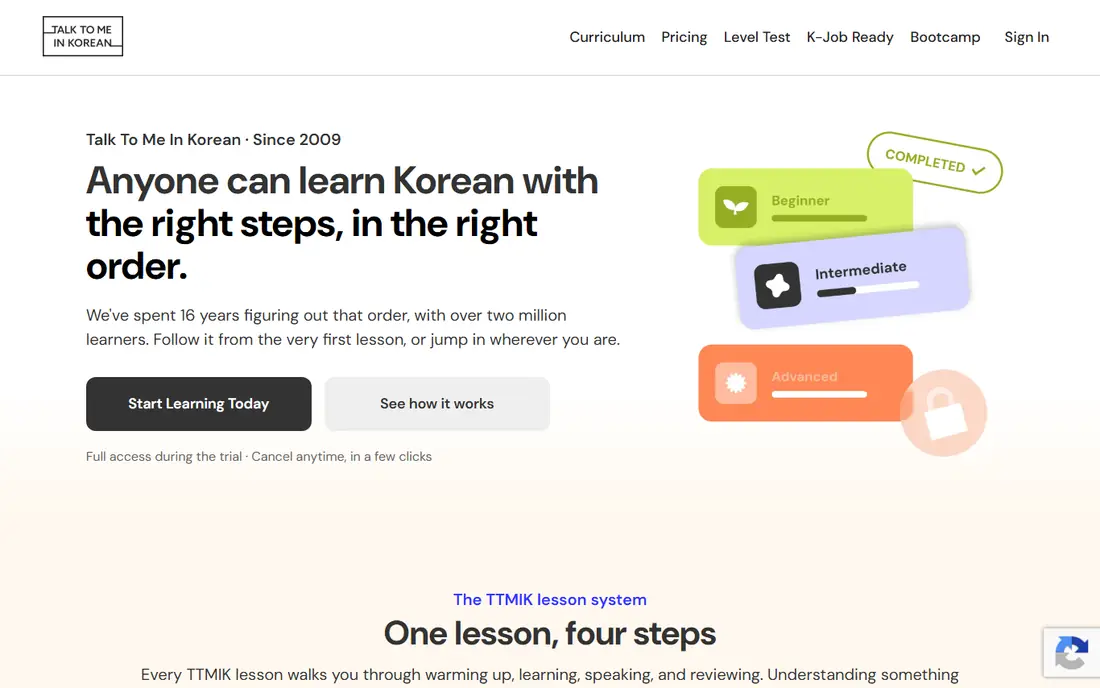
Talk To Me In Korean, often called TTMIK, offers one of the largest free Korean learning libraries. Audio lessons walk beginners through Hangul, particles, verb conjugation, and everyday conversation, with ten core grammar levels in its curriculum. The teaching style is conversational and patient, which helps with concepts that confuse English speakers.
The trade is polish. TTMIK feels more like a course library than a game, and some structured courses, books, and extras are paid. For a free learner, the audio lessons alone provide months of grammar and listening practice, and they pair well with any app on this list.
- Large free audio lesson library
- Clear grammar levels
- Beginner-friendly teaching style
- App experience is less gamified
- Full courses and books cost extra
Memrise suits learners who want Korean words to stick. Courses combine word lists, native speaker video, and spaced review, and a Hangul section helps beginners read before they memorize. The free tier covers core learning, while Pro adds features such as AI conversation practice.
Memrise does not teach grammar deeply, so it works best as a second app alongside LingoDeer or TTMIK. Used for ten minutes a day, it builds the vocabulary base that makes grammar lessons and conversation practice far more useful.
- Free vocabulary courses
- Video clips from native speakers
- Review system aids recall
- Grammar teaching is light
- Full Pro features need a paid plan
Drops turns vocabulary into quick visual games. Words are paired with illustrations and sound, and sessions are short by design. The free tier allows five minutes of study per day, which suits a busy learner who wants a small daily win.
Five minutes is also the limit. Drops will not carry a learner through grammar, reading, or conversation on its own, and serious learners will need a paid plan for longer sessions. As a free vocabulary snack alongside a main course, Drops is fun and effective.
- Visual, game-like vocabulary drills
- Hangul teaching included
- Only five minutes a day on free tier
- Free tier limits study to five minutes a day
- Grammar coverage is minimal
HelloTalk connects learners with native Korean speakers who want to practice English or another language. Text, voice, and video chat, plus correction tools, let users practice real conversation and get feedback on mistakes. The free tier covers core exchange, with VIP around $6.99 per month in recent material adding extras.
Exchange works best after the basics. A learner who can read Hangul and form simple sentences will get far more from HelloTalk than a total beginner. Set clear goals, such as one short voice message per day, and treat partner quality as variable, since this is a community, not a taught course.
- Free chat and voice exchange with native speakers
- Correction tools
- Large Korean community
- Needs basic Korean first
- Quality of partners varies
- VIP features cost extra
Tandem offers a similar exchange model to HelloTalk, with profiles matched by language, interests, and goals. Free exchange covers messaging, audio, and video, while paid tutors are available for structured lessons. That mix suits learners who want casual practice plus occasional professional help.
As with any exchange app, results depend on the partner and on consistency. Tandem works best as a speaking supplement, not as a first course. Pair it with Duolingo, LingoDeer, or TTMIK for grammar and vocabulary, then use Tandem to turn that knowledge into conversation.
- Free language exchange with tutors available
- Profile matching by interests
- Text, audio, and video options
- Exchange quality varies
- Tutors are paid
- Best after beginner basics
Anki is the most powerful free memory tool on this list. Spaced repetition schedules each card just before it would be forgotten, which makes vocabulary study far more efficient than rereading lists. Desktop and Android versions are free, while the iOS app is a one-time purchase listed at $24.99.
The plain interface puts some learners off, and building good decks takes time. Shared Korean decks, including vocabulary and sentence decks, reduce that setup cost. For long-term retention, especially for TOPIK vocabulary or everyday words, Anki is hard to replace.
- Free on desktop and Android
- Spaced repetition is proven for vocabulary
- Huge shared deck library
- Interface looks plain
- IOS app is a paid one-time purchase
- Setup takes effort
Eggbun teaches Korean through a chat interface, where a tutor character guides lessons, quizzes, and cultural notes in short exchanges. That format suits learners who dislike textbook layouts and prefer learning by messaging. Free lessons cover Hangul and early conversation, with premium plans opening the full course.
Eggbun is best as a friendly first step or a supplement, not as a complete grammar course. Learners who enjoy the chat style should pair it with TTMIK for grammar depth and Anki for vocabulary retention.
- Chat-style lessons feel like messaging
- Covers Hangul and conversation basics
- Free entry lessons
- Full content needs a paid plan
- Depth is lower than TTMIK or LingoDeer for grammar
How we picked these
We compared official free-tier descriptions, app store listings, and course pages, and we favored apps that let a new learner study Korean meaningfully without paying. We included lesson apps, grammar sources, vocabulary tools, and exchange apps so different learning needs are covered. We left out apps with no Korean course, apps with only a short trial and no free tier, and paid-only tutoring platforms.
How to build a free Korean study routine
Start with Hangul first. LingoDeer free alphabet lessons, TTMIK audio, or Eggbun chat lessons can teach reading in a week or two of short sessions. Reading Hangul early makes every other app more useful, since romanized Korean hides pronunciation and spelling patterns.
A simple free weekly plan
Use Duolingo or LingoDeer for daily lessons, Memrise or Drops for vocabulary, and Anki for review of words you keep forgetting. Add TTMIK audio for grammar and listening, then use HelloTalk or Tandem for short exchange messages once you can form simple sentences. Thirty minutes a day across two apps beats two hours in one app once a week.
When to pay, and when not to
Pay only when a free limit actually blocks progress, such as LingoDeer lessons ending after unit one, or Drops five-minute cap feeling too short. Before paying, test the paid features during a trial and check whether a free alternative covers the same need. Many learners reach a solid beginner level without paying for anything beyond an optional iOS Anki purchase.
Frequently asked questions
What is the best app to learn Korean for free?
Duolingo is the best free starting point for daily habit building, while Talk To Me In Korean is the best free source for grammar and listening. LingoDeer free lessons teach Hangul and early grammar clearly. Combine one lesson app with Anki for vocabulary for the strongest free routine.
What is the best free app to learn Korean for beginners?
Start with Duolingo for habit and basics, plus LingoDeer free alphabet lessons for Hangul. Add TTMIK audio when grammar questions arise. That trio covers reading, vocabulary, listening, and basic sentences at no cost, and each app fills a gap the others leave.
Can I learn Korean fluently with only free apps?
Free apps can carry a learner to a solid intermediate level, especially when combined with exchange practice and reading. Fluency also needs real conversation, listening to native media, and structured grammar study beyond app lessons. Free apps are a strong foundation, not a complete path to fluency alone.
Is Duolingo good for Korean?
Duolingo is good for building a daily habit and learning basic vocabulary, Hangul, and sentence patterns. It is weaker on grammar explanation and on advanced Korean. Pair it with TTMIK or LingoDeer for grammar, and with HelloTalk or Tandem for speaking practice.
How long does it take to learn Hangul with free apps?
Most learners can read Hangul slowly within one to two weeks of short daily sessions using LingoDeer, TTMIK, or Eggbun. Reading fluently takes longer, but early Hangul skill pays off quickly, since it opens up native materials, signs, and menus that romanized text cannot.
Sources
See where you really rank - block by block
ProMapRanker scans Google Maps across a grid of your service area. Simple monthly plans from $19, white-label on every plan.
Start freeKeep reading
 twitch alternatives
Twitch Alternatives in 2026
Explore the best Twitch alternatives in 2026 for live streaming, with free platforms, monetisation options, audiences, chat tools, and tips for new streamers.
Read → firebase alternatives
Best Firebase Alternatives in 2026
Looking for Firebase alternatives? We compare 9 backend platforms for auth, databases, realtime, storage, functions, self-hosting, and pricing for your app.
Read → companies with best work life balance
Companies With Best Work Life Balance in 2026
See companies with best work life balance in 2026, ranked by employee ratings, with flexible work options, benefits, and what to check before applying.
Read →