 ProMapRanker
Best App to Learn Portuguese in 2026

Key takeaways
- Check whether an app teaches Brazilian or European Portuguese before you pay, since many popular apps teach Brazilian only.
- Duolingo is best for building a daily habit for free, while Babbel and Busuu offer more structured grammar and conversation lessons.
- Pimsleur is the strongest pick for speaking confidence on the move, but it is audio only and covers less reading and writing.
- No app alone makes you fluent, so pair a course app with real conversation, reading and listening in Portuguese.
Quick comparison
| Pick | Great for | Pricing starts at | Free tier | |
|---|---|---|---|---|
 Duolingo | Building a daily habit for free | Free | Yes | Visit |
 Babbel | Structured lessons with grammar explanations | $17.95 per month | No | Visit |
 Pimsleur | Speaking confidence while driving or walking | $19.95 per month | Free trial | Visit |
 Rosetta Stone | Immersion-style learning without English explanations | See website | Free trial | Visit |
 Busuu | Balanced courses with feedback from native speakers | See website | Yes | Visit |
 Mondly | Quick gamified lessons for beginners | $9.99 per month | Yes | Visit |
 Memrise | Vocabulary practice with native speaker video | See website | Yes | Visit |
 LingQ | Learning from reading and listening to real content | See website | Yes | Visit |
 Praktika | AI speaking practice before a trip | See website | Yes | Visit |
The best app to learn Portuguese
Portuguese has two main varieties that matter for learners: Brazilian Portuguese, spoken in Brazil, and European Portuguese, spoken in Portugal. Pronunciation, vocabulary and some grammar differ between them, so the first decision is which variety you need. The apps below cover both, but several teach Brazilian only, and we flag that clearly in each entry.
Duolingo is the easiest app to start with, because it is free, it takes only a few minutes a day, and its streaks and reminders keep many learners coming back. Lessons are short, game-like and cover vocabulary, listening and basic sentences, which makes it a good habit builder for a complete beginner. If you have never studied Portuguese, Duolingo gives you a low-pressure way to learn the basics.
The limits matter. Its Portuguese course is Brazilian, so learners heading to Portugal will learn different pronunciation and some different words from what they hear in Lisbon. Grammar explanations are also thin, and progress beyond beginner level can feel slow and repetitive. Use Duolingo to build a habit and basic vocabulary, then add a more structured app or conversation practice for real speaking.
- Free with ads
- Short gamified lessons
- Strong streak and reminder system
- Portuguese course is Brazilian only
- Limited grammar explanation
- Progress slows beyond beginner level
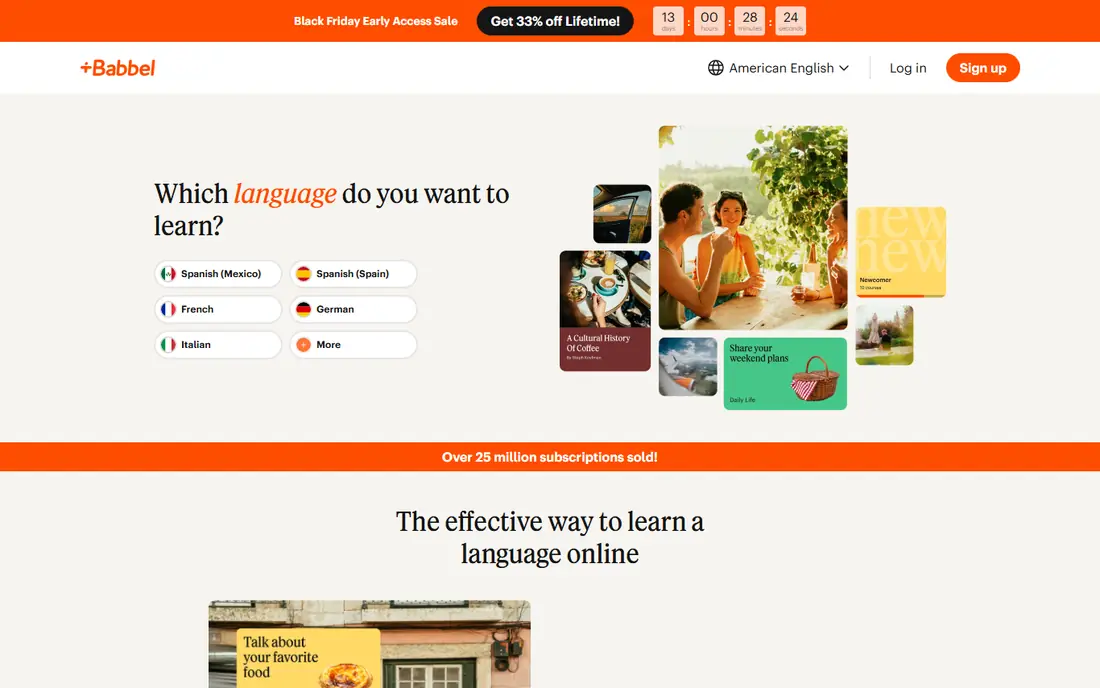
Babbel suits learners who want to understand why a sentence works, not just repeat it. Its lessons are typically ten to fifteen minutes, built around real conversations, with grammar explained in English and speech recognition to check pronunciation. That structure helps adult learners who found Duolingo too game-like and want a clearer path from beginner to intermediate level.
Babbel's Portuguese course is Brazilian, which is the main drawback for learners heading to Portugal. It also has no full free plan, though the first lesson of each course is free, and its Portuguese content is smaller than its Spanish or French courses. For a learner focused on Brazil, or on general Portuguese foundations, Babbel offers one of the most solid structured courses here.
- Clear grammar explanations
- Short conversation-led lessons
- Speech recognition for pronunciation
- Portuguese course is Brazilian
- No full free plan, only the first lesson per course free
- Fewer lessons than for larger languages

Pimsleur is the pick for learners who want to speak from the first lesson, especially if they are heading to Portugal. It offers a dedicated European Portuguese course, unlike many rivals, with thirty-minute audio lessons that ask you to respond before you feel ready. That speaking-first method builds pronunciation confidence quickly, and it works well on a commute or a walk.
The trade-offs are scope and format. Pimsleur is audio only, so you never see words written and you get no vocabulary review or reading practice. The European course also has fewer levels than the Brazilian course, topping out at a lower level, so most learners will need another app after it. Use Pimsleur first for speaking confidence, then move to a reading and grammar app to fill the gaps.
- Separate European Portuguese course
- Thirty-minute audio lessons that prompt speaking
- Strong for pronunciation confidence
- Audio only, so no reading or writing practice
- European course has fewer levels than the Brazilian course
- Can feel slow for fast learners
Rosetta Stone
Great for: Immersion-style learning without English explanations
Rosetta Stone takes a different approach from Babbel and Duolingo, teaching Portuguese through images, audio and context rather than English explanations. That immersion style suits visual learners and people who want to think in Portuguese from the start, with pronunciation practice built into every lesson. A lifetime purchase option also appeals to learners who plan to study for years.
The same method frustrates learners who want a grammar rule explained plainly. Without English explanations, some structures take longer to grasp, and lessons can feel repetitive. Pricing also varies by plan and region, so check the current site before buying. Rosetta Stone works best for patient learners who enjoy immersion and want a long-term, single-language or multi-language plan.
- Immersion method with images and audio
- Strong pronunciation practice
- Lifetime option for long-term learners
- No English grammar explanations
- Can feel slow and repetitive
- Variety and pricing vary by plan and region
Busuu offers a balanced middle path between gamified apps and audio courses. Its Portuguese courses are structured, cover reading, writing, listening and speaking, and let learners submit writing and speaking exercises for correction by native speakers in the community. That feedback is a real advantage over apps that only mark multiple-choice answers.
The free plan covers core lessons with ads, but fuller features such as offline mode, grammar review and certificates need a paid plan. Learners heading to Portugal should also check which Portuguese variety the course teaches for their level, since app content can change. For a learner who wants structure plus human feedback at a moderate price, Busuu is a strong choice.
- Structured courses from beginner to intermediate
- Community feedback from native speakers
- Offline mode and certificates on paid plans
- Free plan is ad-supported and limited
- Portuguese variety needs checking for your goal
- Upgrade prompts appear often on the free plan
Mondly is a light, approachable start for a beginner who wants to try Portuguese without committing to a long course. Lessons are short and game-like, the first unit and a daily lesson are free, and one plan can cover many languages. That makes it easy to test whether daily Portuguese practice fits your routine before paying for a deeper app.
Depth is the limit. Mondly covers basics well but offers less grammar explanation and feedback than Babbel or Busuu, so serious learners often outgrow it. User reviews also raise billing and cancellation issues, so read the terms and set a calendar reminder before a trial ends. Use Mondly as a taster or a supplement, not as your only path to intermediate Portuguese.
- Short game-like lessons
- Daily lesson and first unit free
- Covers many languages on one plan
- Shallow depth beyond basics
- Limited grammar feedback
- Billing and cancellation complaints appear in user reviews
Memrise works best as a vocabulary companion rather than a complete Portuguese course. Its short review sessions use native speaker video clips, which help learners hear real pronunciation and rhythm, not just textbook audio. That makes it useful alongside a structured course, where Memrise can reinforce words you have already met in context.
Do not rely on Memrise alone. Grammar coverage is thin, and it does not guide you through a full course from beginner to intermediate in the way Babbel or Busuu do. Pricing and free features also change often, so check the current site. Pair Memrise with a course app and some speaking practice, and it becomes a helpful daily supplement.
- Short vocabulary sessions
- Native speaker video clips
- Free core courses for many learners
- Vocabulary focus, not a full course
- Grammar coverage is thin
- Paid features and pricing change often
LingQ suits learners who have finished the basics and want to learn from real Portuguese content. You can read and listen to articles, stories and podcasts, click unknown words to save them, and track how your known vocabulary grows over time. That method helps intermediate learners bridge the gap between course sentences and real speech, writing and news.
Complete beginners may find LingQ less guided than Duolingo or Babbel, since it expects you to choose content and manage your own learning. The interface also takes time to learn, and the most useful features sit on paid plans. For a learner who already knows basic Portuguese and wants to read and listen more, LingQ is one of the most effective tools here.
- Learn from articles, podcasts and books you choose
- Tracks known words
- Good for intermediate learners moving beyond courses
- Less guided for complete beginners
- Interface takes time to learn
- Best content needs importing or a paid plan
Praktika fits travellers who need to speak soon and want to practise conversations, not just memorise words. Its AI tutor holds spoken conversations, corrects mistakes and runs travel scenarios such as ordering food or asking directions. Limited free lessons each day let you test whether AI conversation practice suits you before paying.
As a newer app, Praktika has fewer independent reviews than Duolingo or Babbel, and its speaking focus means grammar and reading need another source. Pricing is also not always shown clearly upfront, so check the plan page in the app before subscribing. For a traveller who wants speaking confidence fast, Praktika is a useful, focused addition to a course app.
- AI tutor conversations focused on speaking
- Scenario practice for travel
- Limited free lessons each day
- Newer app with fewer independent reviews
- Speaking focus means less grammar and reading depth
- Pricing is not always shown upfront
How we picked these
We compared official app pages, course descriptions, Portuguese variety, pricing and independent language app comparisons checked in October 2026. We included only live apps that teach Portuguese as a core language, covering free, structured, audio, immersion and AI conversation approaches. We marked prices as See website where pricing varies by plan, region or app store, and we flagged Brazilian versus European Portuguese where that distinction affects the choice.
How to choose an app for learning Portuguese
Start with your destination and goal. If you are moving to Portugal or travelling there, prioritise apps with a European Portuguese course, such as Pimsleur, and check the variety of any other app before you pay. If you are learning for Brazil, most popular apps will fit, and you can choose on teaching style instead. A mismatch here is the most common regret among Portuguese learners.
Next, match the app to how you learn. Habit builders need short daily lessons, grammar learners need explanations, commuters need audio, and travellers need speaking practice. Try the free tier or trial for a week on a real routine, such as a commute or a morning slot, and notice whether you actually return to it. An app you use daily beats a better app you abandon after two weeks.
Finally, plan beyond the app. No single app teaches fluency on its own, so add conversation with a tutor or language partner, reading in Portuguese, and listening to Portuguese media as soon as you can hold a basic conversation. Set a small daily target, such as fifteen minutes of app study plus five minutes of listening, and review progress monthly rather than chasing streaks alone.
Frequently asked questions
What is the best app to learn Portuguese?
The best app to learn Portuguese depends on your goal and variety. Duolingo is best for a free daily habit, Babbel is best for structured grammar, Pimsleur is best for speaking on the move, and Busuu offers a balanced course with native speaker feedback. Check whether the app teaches Brazilian or European Portuguese before you choose.
What are the best apps to learn Portuguese for beginners?
For beginners, Duolingo, Babbel, Busuu and Mondly are good starting points, with different strengths. Duolingo is free and gamified, Babbel explains grammar clearly, Busuu adds community feedback, and Mondly offers quick taster lessons. Pimsleur is also strong for beginners who want to speak from the first lesson.
What is the best app for learning Portuguese for travel to Portugal?
Pimsleur is the strongest app for travel to Portugal among the major apps, because it offers a dedicated European Portuguese course with speaking-first audio lessons. Pair it with a vocabulary app such as Memrise and some listening practice in European Portuguese. Avoid apps that teach Brazilian only if your trip is to Portugal.
What is the best software to learn Portuguese on a computer?
Babbel, Pimsleur, Rosetta Stone, Busuu and LingQ all work on a computer as well as on a phone, through web or desktop access. Babbel and Busuu suit structured web study, Pimsleur suits audio study on a computer or phone, and LingQ suits reading and listening on a larger screen. Choose on teaching style, since most offer both phone and web access.
Is Duolingo good for learning Portuguese?
Duolingo is good for building a daily habit and learning basic Brazilian Portuguese vocabulary, but it is not enough on its own. Its course is Brazilian only, grammar explanations are limited, and progress beyond beginner level is slow. Use it as a habit builder alongside a structured course or conversation practice.
How long does it take to learn Portuguese with an app?
Time varies by study time, prior language experience and target level. Daily study of fifteen to thirty minutes can build basic conversation skills in a few months, while reaching intermediate level usually takes many months of consistent study plus real conversation and listening. An app helps most when paired with speaking, reading and listening outside the app.
Sources
- https://www.duolingo.com
- https://www.babbel.com
- https://www.pimsleur.com
- https://www.rosettastone.com
- https://www.busuu.com
- https://www.mondly.com
- https://www.memrise.com
- https://www.lingq.com
- https://praktika.ai
- https://www.topconsumerreviews.com/best-portuguese-lessons/reviews/busuu
- https://medium.com/@gustavoauma/the-best-apps-to-learn-european-portuguese-in-2026-6182fa836b03
See where you really rank - block by block
ProMapRanker scans Google Maps across a grid of your service area. Simple monthly plans from $19, white-label on every plan.
Start freeKeep reading
 best chat tool for website
Best Chat Tool for Website in 2026
Best chat tool for website owners compared, with live chat, AI agents, free plans, and pricing for small stores, SaaS teams, and support teams of all sizes.
Read → best birdwatching app
Best Birdwatching App in 2026
Best birdwatching app picks for 2026: nine free and paid apps for bird ID by sight and sound, checklists, hotspots, and finding birds near you for all birders.
Read → best bird identification app
Best Bird Identification Apps in 2026
Find the best bird identification app for photos, songs and calls. We compare 9 bird apps, including Merlin, BirdNET and Audubon, to help you choose today.
Read →