 ProMapRanker
Best App to Learn Polish in 2026

Key takeaways
- Polish grammar, including cases and verb aspect, rewards a structured course more than a phrase-only app, so pair a core course with speaking practice when you can.
- Duolingo and Mondly are the easiest low-cost starts, while Babbel and Pimsleur suit learners who want clearer explanations or audio-first study.
- Rosetta Stone, LingQ, and PolishPod101 help at different stages, from pronunciation and reading to listening to longer Polish lessons.
- Check what is included in a free tier before you pay, because offline lessons, speech feedback, and full courses are often paid features.
Quick comparison
| Pick | Great for | Pricing starts at | Free tier | |
|---|---|---|---|---|
 Duolingo | Building a daily Polish habit for free | Free | Yes | Visit |
 Babbel | Structured Polish lessons with grammar notes | See website | No | Visit |
 Rosetta Stone | Pronunciation and immersion-style practice | See website | No | Visit |
 Pimsleur | Speaking Polish during commutes and walks | See website | No | Visit |
 Mondly | Casual Polish phrase practice | See website | Yes | Visit |
 Busuu | Guided Polish study with community feedback | See website | Yes | Visit |
 Memrise | Hearing Polish as native speakers say it | See website | Yes | Visit |
 LingQ | Reading and listening to real Polish content | See website | Yes | Visit |
 PolishPod101 | Longer Polish audio and video lessons | See website | Yes | Visit |
The best apps to learn Polish
We compared Polish courses on lesson structure, speaking and listening practice, grammar help, and price, using official product pages, pricing pages, and app store listings.
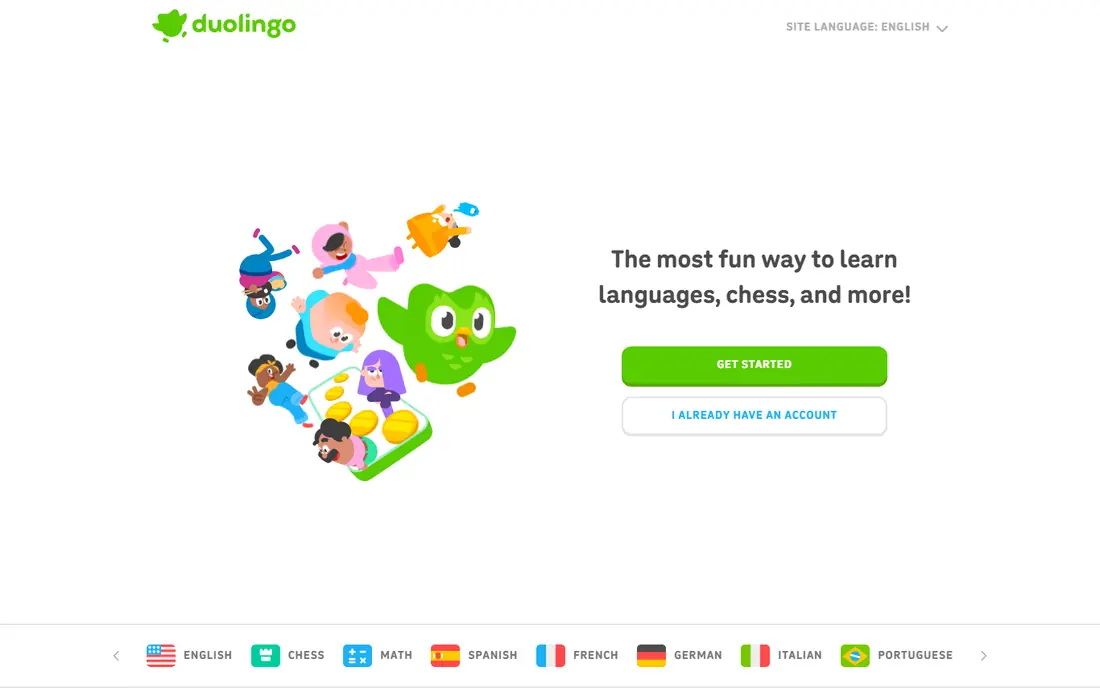
Duolingo is the easiest place to start if you have never studied Polish. Lessons are short, visual, and built around repetition, so a few minutes a day can teach basic words, common phrases, and simple sentences. The free tier makes it a low-risk first step, and the habit tools suit learners who know they need a daily nudge.
The catch is depth. Polish cases change word endings in ways that need clear explanation, and Duolingo does not always slow down to teach those patterns. Use it to build vocabulary and routine, then add a course with stronger grammar teaching once basic sentences feel familiar.
- Free core course
- Short game-like lessons
- Streaks and reminders help daily practice
- Polish depth is limited past beginner level
- Grammar explanations are light
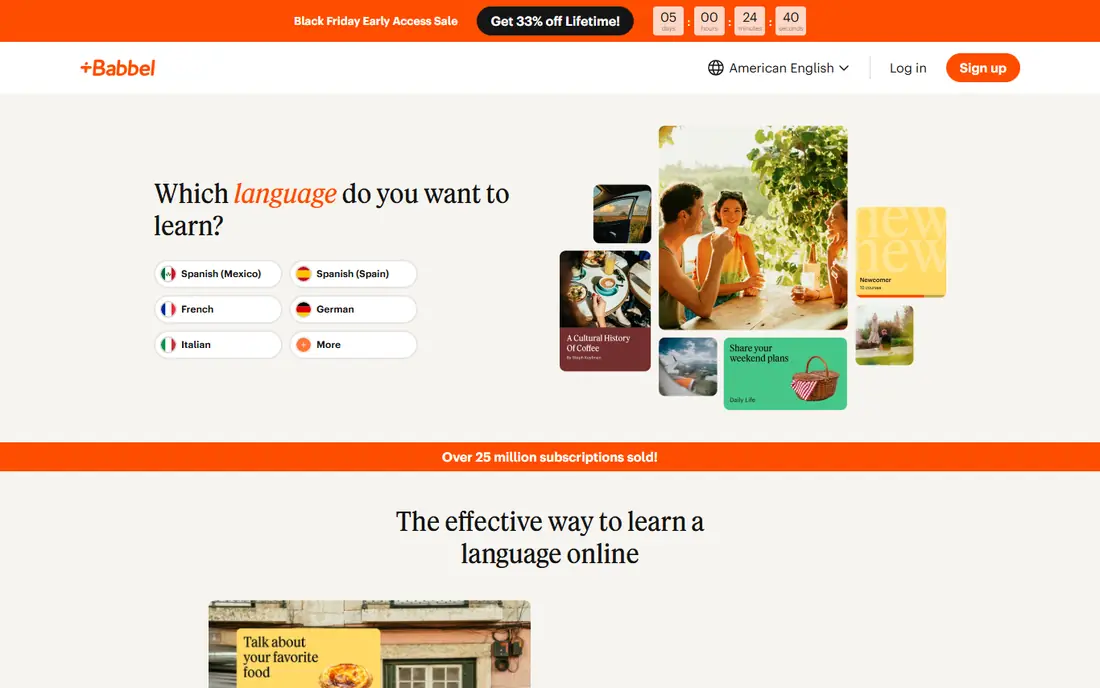
Babbel suits learners who want a course that feels like a course, not a game. Polish lessons move through topics in order, introduce grammar as it appears, and include speaking practice with speech recognition. That structure helps with cases and verb forms, because new patterns arrive with examples rather than as isolated drills.
Babbel is less playful than Duolingo, and that is a strength for some learners and a drawback for others. If short bursts and streaks keep you going, Babbel may feel slower. If you want to understand why a sentence changes, it is a stronger main course.
- Lessons follow a clear level path
- Grammar is explained in context
- Speech recognition supports speaking
- No full free course
- Fewer languages and extras than some rivals
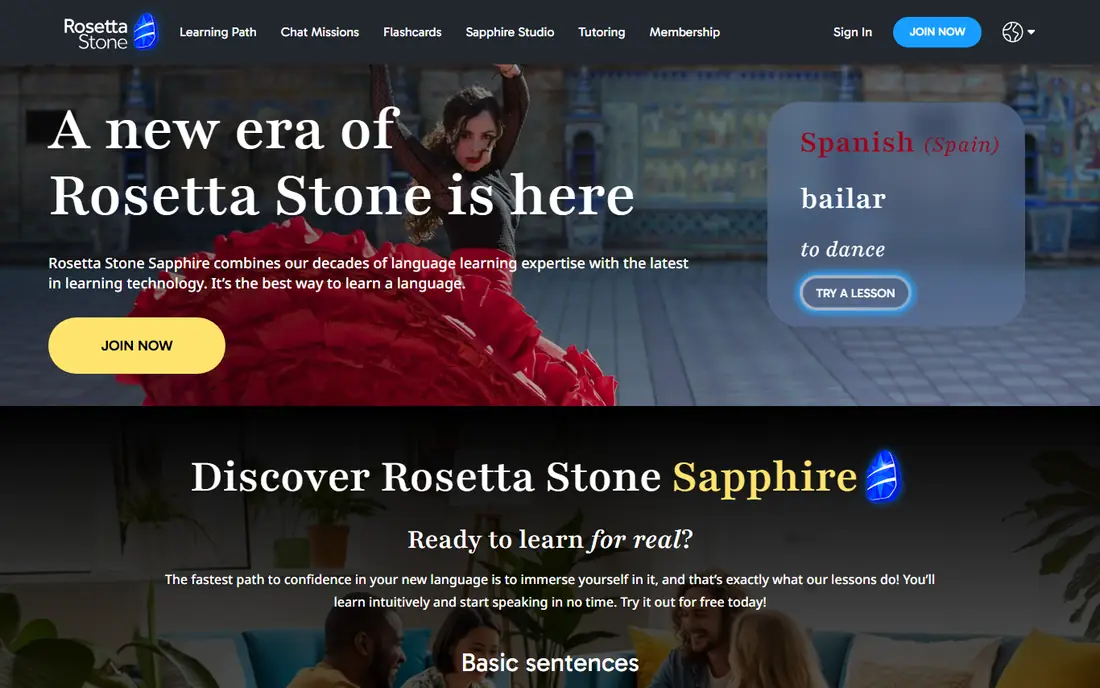
Rosetta Stone teaches Polish through pictures, audio, and matching tasks rather than translation into English. That immersion style can help pronunciation and listening, because you hear Polish words tied to clear images from the start. Its speech tool, TruAccent, listens to your pronunciation and prompts you to try again.
The same approach can frustrate learners who want a plain grammar explanation when a case ending changes. It works best as a pronunciation and listening companion, or for learners who already know some basic Polish grammar and want more spoken practice.
- Speech recognition gives pronunciation feedback
- Lessons use images and Polish audio
- Offline access on paid plans
- No English explanations in core lessons
- Subscription cost can be high for one language
Pimsleur is built around listening and repeating, with lessons of about 30 minutes that ask you to answer prompts out loud. That format suits Polish pronunciation and sentence rhythm, and it works well when your hands and eyes are busy. The spaced review system brings older phrases back before you forget them.
Reading and writing get less attention, so learners who need Polish spelling or written cases should add another tool. Pimsleur is best for spoken confidence first, with reading added later through a course or reading app.
- Audio-first lessons build speaking confidence
- Spaced repetition reviews phrases
- Hands-free study suits busy days
- Less reading and writing practice
- Screen-free study means limited visual grammar help
Mondly gives a friendly, visual route into Polish, with themed lessons on travel, food, family, and daily life. A chatbot feature lets you practise short conversations, which is useful before a trip or a first conversation with Polish speakers. The free tier lets you try the style before paying.
Long-term learners may find the path repetitive and the grammar coverage thin for Polish cases. Mondly works well as a warm-up or a second app for phrases, while a structured course handles the harder grammar.
- Clear themed modules
- Chatbot-style speaking practice
- Visual lessons are easy to follow
- Learning path can feel repetitive
- Grammar depth is lighter than Babbel
Busuu combines guided lessons with a community feature where other learners can correct written and spoken exercises. That feedback loop is valuable for Polish, where a small ending change can alter meaning. Lessons are organised by level, which helps you see progress from beginner to intermediate work.
The free tier covers a useful sample, but offline access and the full course sit behind premium. Polish learners should also check current lesson depth before subscribing, because the largest languages tend to get the most content.
- Courses follow a level structure
- Community corrections can help writing
- Premium adds offline lessons
- Polish content is narrower than major languages
- Full features need a paid plan
Memrise puts listening first, with short videos of native speakers and phrases tied to real situations. That helps Polish learners hear natural speed, stress, and everyday wording, rather than only slow textbook audio. Vocabulary review uses spaced repetition, so words return at increasing intervals.
Grammar is not the main focus, so learners who want a clear path through cases will need another source. Memrise is strongest as a listening and vocabulary partner beside a main course.
- Videos of native speakers support listening
- Spaced repetition supports vocabulary
- AI chat features add practice
- Less structured grammar teaching
- Advanced Polish content is thinner than beginner content
LingQ is built for input: you read and listen to Polish texts, tap unknown words, and build a personal vocabulary list from what you meet. That method suits intermediate learners who want to move past course dialogues into articles, stories, and podcasts. Importing your own material lets you study Polish tied to your interests.
True beginners may find the open library less guided than a set course. Start LingQ once you can follow simple Polish sentences, and use it to grow vocabulary in context rather than from word lists alone.
- Large library of reading and audio content
- Click a word to save it for review
- Import your own Polish texts
- Interface takes time to learn
- Beginners may find unguided content hard at first
PolishPod101 is one of the few services built around Polish alone, with audio and video lessons, notes, and vocabulary tools. Because the whole library is Polish, you can find lessons on pronunciation, grammar points, and everyday topics without switching languages. Pathways help organise lessons by level.
The site presents many plans and extras, so check which tier includes the lesson tracks and tools you actually need. The free tier gives a useful taste, while full lesson notes and teacher support sit on paid plans.
- Large lesson library for Polish specifically
- Lesson notes and vocabulary lists
- Pathways organise study by level
- Website and upsells can feel busy
- Teacher feedback sits on higher tiers
How we picked these
We compared official feature pages, pricing pages, and app store listings for apps that offer a Polish course or Polish content, and kept only products that are live and clearly cover Polish. We favoured a mix of free starts, structured courses, audio-first study, and reading and listening tools, so different learning styles are covered. We did not claim hands-on testing, and we used vendor pages for prices and features rather than review-site claims alone.
Choosing the right Polish app for your goal
Start with your goal and your available time. A traveller who needs polite phrases in two weeks needs a different app from a heritage learner who wants to hold family conversations or read Polish news. Set a small daily target you can keep, such as 15 minutes, and pick one main course so progress stays visible.
Check grammar support before you commit. Polish nouns change form by case, verbs change by aspect, and adjectives must agree with nouns. An app that only teaches phrases will leave gaps when you try to build your own sentences. Look for lessons that explain cases with examples, plus speaking practice that lets you hear and repeat those forms.
Try free tiers first, then pay for depth. Use a free app to test whether you enjoy the lesson style, then move to a paid course for grammar, offline access, or teacher feedback. If you stall, change the mix rather than quitting: add audio lessons on a commute, reading on LingQ, or short conversation practice, and keep the daily habit small enough to repeat.
Frequently asked questions
What is the best app to learn Polish for beginners?
Duolingo is the easiest free start for basic words and sentences, while Babbel gives clearer structure and grammar notes if you want a paid main course. Try both free options first, then pick the lesson style you will actually open each day.
Are there free apps to learn Polish?
Yes. Duolingo, Mondly, Busuu, Memrise, LingQ, and PolishPod101 all offer free tiers or free content, though full courses, offline lessons, and some feedback features are usually paid. Check the free tier limits before you rely on one app for a full course.
Which app is best for speaking Polish?
Pimsleur is strongest for audio-first speaking practice, while Rosetta Stone adds pronunciation feedback and Mondly adds chatbot-style conversation practice. For real conversation, add live speaking with a tutor or language partner once basic sentences feel comfortable.
Can I learn Polish with only an app?
An app can teach vocabulary, listening, and basic grammar, but speaking with people and reading real Polish will take you further. Use an app as your daily core, then add conversation, reading, or a tutor as you move past beginner level.
How long does it take to learn Polish with an app?
That depends on study time, prior language experience, and your target level. Daily study over months builds useful conversational basics, while higher fluency takes longer and needs speaking and reading beyond app lessons. A steady 15 to 30 minutes a day beats occasional long sessions.
Sources
See where you really rank - block by block
ProMapRanker scans Google Maps across a grid of your service area. Simple monthly plans from $19, white-label on every plan.
Start freeKeep reading
 who has best internet service
Who Has the Best Internet Service in 2026
Who has best internet service for US homes? We compare fiber, cable, fixed wireless and satellite providers on speed, price, availability and terms today.
Read → which survey tool has the best analytics
Which Survey Tool Has the Best Analytics in 2026
Find which survey tool has the best analytics in 2026, comparing Qualtrics, SurveyMonkey, Typeform, Alchemer, and more on reports, text, and stats today.
Read → which streaming service has the best movies
Which Streaming Service Has the Best Movies in 2026
Answering which streaming service has the best movies, with Netflix, Max, Criterion and more compared on libraries, prices and free options in this guide.
Read →