 ProMapRanker
Best App to Learn Arabic in 2026

Key takeaways
- No single app covers every goal, because Modern Standard Arabic, dialects, reading, and speaking need different tools.
- Duolingo is the best free starting point, but it stalls before advanced conversation.
- Pimsleur and italki are the strongest routes to speaking, through audio drills and live tutors.
- Rosetta Stone, Busuu, Memrise, and Mondly suit different learning styles, from visual immersion to vocabulary and phrases.
- A free app plus a speaking tool beats one expensive app used alone for most learners.
Quick comparison
| Pick | Great for | Pricing starts at | Free tier | |
|---|---|---|---|---|
 Duolingo | Free daily habit for beginners | Free | Yes | Visit |
 Rosetta Stone | Visual immersion and pronunciation | See website | Free trial | Visit |
 Pimsleur | Speaking and listening on the go | See website | Free trial | Visit |
 Busuu | Structured lessons with native corrections | Free | Yes | Visit |
 Memrise | Vocabulary with native speaker video | Free | Yes | Visit |
 Mondly | Quick conversational phrases | Free | Yes | Visit |
 Mango Languages | Library learners and cultural context | See website | No | Visit |
 italki | Live one-to-one tutoring | See website | No | Visit |
The best app to learn arabic
Arabic learning apps differ in dialect, script teaching, and depth. Some teach Modern Standard Arabic, some lean toward spoken dialects, and some focus on phrases for travel. We picked apps with a real Arabic course, not apps that only list Arabic as a language with a few words.
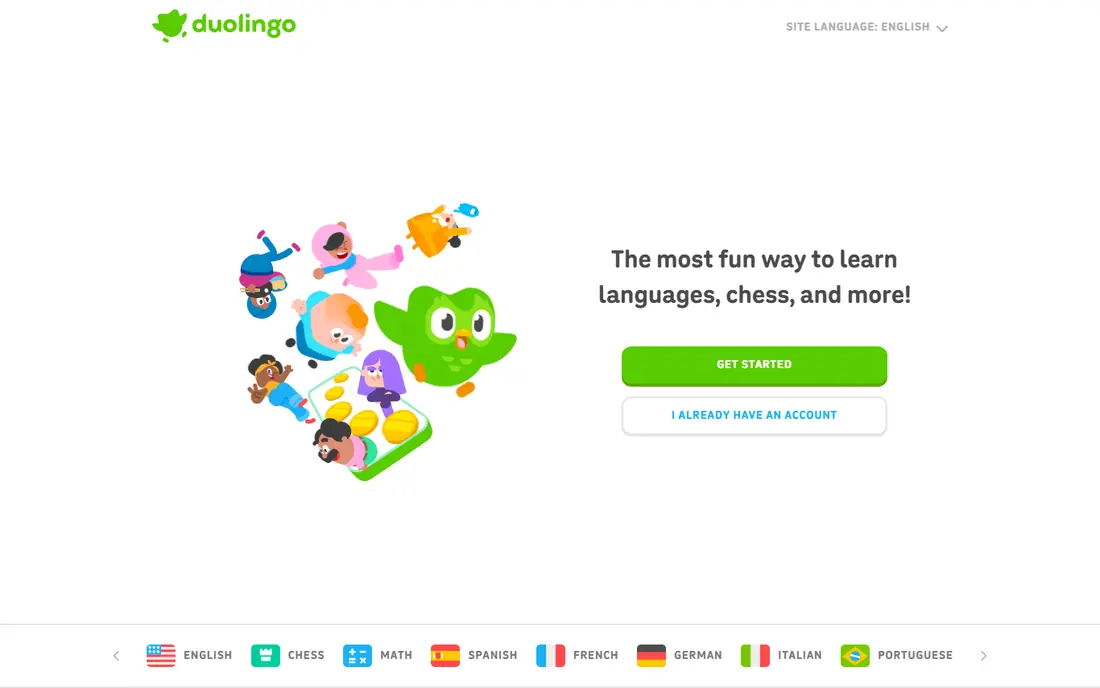
Duolingo is where most learners should start, because it costs nothing and makes daily practice easy. Short lessons, streaks, and bite-size reviews help beginners learn the alphabet, basic words, and simple sentences without a big commitment.
The limit shows up as you improve. Duolingo Arabic does not go deep into conversation, grammar explanation, or dialect, and advanced learners will need another tool. Treat it as a habit builder and a free foundation, then add speaking practice when you are ready.
- Free full course access with ads
- Short gamified lessons
- Builds a daily habit fast
- Limited depth past beginner level
- Little dialect choice
- Arabic sentences can feel unnatural at higher levels
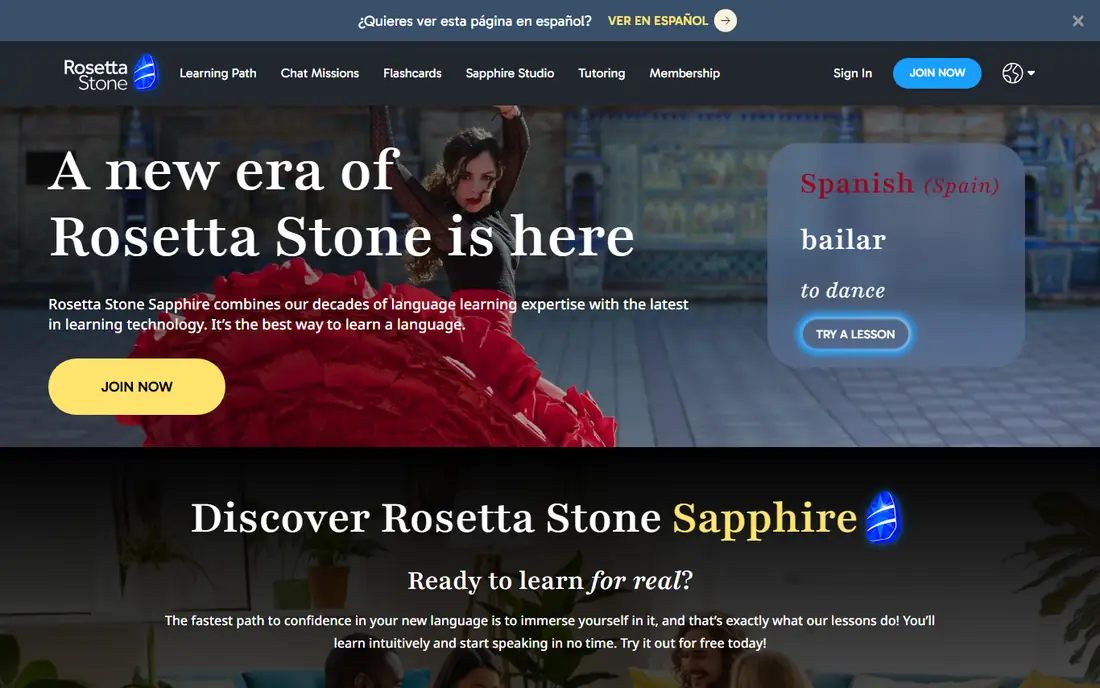
Rosetta Stone takes a different route from Duolingo. It teaches through pictures and spoken Arabic, with little English explanation, and its speech tool gives feedback on pronunciation. That immersion style suits visual learners who want to hear and speak from the first lesson.
The weakness is grammar. Learners who want clear rules for verb forms and sentence structure may feel lost without explanations. Rosetta Stone is also paid after a short trial, so try the trial before you commit to a year.
- Image based immersion
- Speech recognition for pronunciation
- Offline lessons on paid plans
- No free long-term plan
- Little explicit grammar teaching
- Course depth varies by language

Pimsleur is the strongest audio choice on this list. Each lesson asks you to listen, repeat, and answer out loud, which builds speaking confidence faster than tapping answers on a screen. It is ideal for commutes, walks, and other times when you cannot look at a phone.
Reading and writing get less attention, so pair Pimsleur with an app or book that teaches the script. It is also a paid subscription, but for learners whose main goal is to speak, the audio method is worth testing with the free trial.
- Audio-first lessons that force speaking
- Strong pronunciation training
- Works well while commuting
- Limited reading and writing practice
- Subscription cost
- Slower for learners who want visual lessons
Busuu feels more like a course than a game. Lessons follow a clear level structure, and Premium users can submit writing and speaking exercises for correction by native speakers. That feedback loop is valuable for Arabic, where small script and sound differences matter.
The Arabic course is not as deep as Busuu courses for Spanish or French, so advanced learners may run out of material. For beginners and lower intermediate learners who want structure plus human feedback, Busuu is a solid middle ground.
- Structured CEFR aligned lessons
- Community corrections from native speakers
- Offline access on Premium
- Arabic depth is thinner than major European languages
- Best features need Premium
- Fewer dialect options
Memrise is best as a vocabulary engine. Short clips of native speakers help you hear how words sound in real speech, and spaced repetition brings words back just before you forget them. That is useful for Arabic, where a small set of roots appears in many words.
It is not a full course. Grammar, conversation practice, and writing need another tool alongside Memrise. Use it to grow vocabulary while Duolingo, Busuu, or a tutor handles structure and speaking.
- Native speaker video clips
- Spaced repetition for vocabulary
- Free tier for basic learning
- Less structured grammar teaching
- Pro needed for full features
- Not a complete course alone
Mondly suits travelers and casual learners who want useful phrases fast. Lessons focus on everyday situations, and speech recognition lets you practice saying phrases aloud. The app is quick to open and easy to use in short bursts.
Serious learners will hit a ceiling. Mondly does not teach Arabic grammar or reading in depth, and it will not carry you to conversation on complex topics. Use it before a trip or as a supplement, not as your only Arabic course.
- Fast phrase lessons
- Speech recognition
- Chatbot conversation practice
- Shallow for serious study
- Limited grammar depth
- Best for travel phrases, not fluency
Mango Languages is a quieter, more academic option. Lessons pair language with cultural context, and grammar notes explain what you are learning instead of leaving you to guess. That clarity helps Arabic learners who want to understand the script and sentence patterns.
The trade-off is motivation. Mango lacks the game mechanics of Duolingo and Mondly, so self-discipline matters more. Check your public library first, because many libraries offer Mango free to cardholders, which changes the value completely.
- Cultural notes alongside language
- Clear pronunciation and grammar notes
- Often free through libraries
- Less gamified than rivals
- No long-term free plan without a library
- Slower pace for some learners
italki is not a course app, and that is its strength. You book live lessons with a tutor, choose Modern Standard Arabic or a dialect, and practice speaking with a real person. No app on this list replaces that conversation practice for intermediate learners.
The catch is choice. Tutor prices and quality vary, so read profiles, watch introduction videos, and try a trial lesson before buying a package. Pair italki with Duolingo or Memrise for daily practice, and use lessons for speaking, correction, and real conversation.
- Real tutors for Modern Standard Arabic and dialects
- Flexible scheduling
- Pay per lesson
- Cost varies by tutor
- Quality varies by tutor
- No structured course unless the tutor provides one
How we picked these
We compared official app pages, app store listings, and current Arabic learning guides for apps that exist and work in October 2026. We kept only apps with a real Arabic course or live Arabic tutoring, and we left out apps that do not offer Arabic at all, including Babbel, which does not list Arabic among its courses. Where a price varied by plan or tutor, we wrote See website rather than inventing a single number. We did not claim hands-on testing.
How to choose an Arabic app
Decide between Modern Standard Arabic and dialect
Modern Standard Arabic suits reading, news, and formal use. Egyptian, Levantine, or Gulf dialects suit conversation in a specific region. Many apps teach mainly Modern Standard Arabic, so if you need a dialect, a tutor on italki is the safer route.
Match the app to your weakest skill
If you cannot read the script yet, start with Duolingo or Mango and focus on letters. If you can read but cannot speak, add Pimsleur or italki. If vocabulary is the gap, add Memrise. One app rarely fixes every skill at once.
Use free tools before you pay
Start free with Duolingo, Memrise, or Mondly, and use library access for Mango if you can. Pay only when you know which skill you need next, such as speaking practice or structured lessons. That order saves money and avoids a year-long subscription to the wrong tool.
Plan for the plateau
Most apps carry you to lower intermediate level, then progress slows. At that point, add a tutor, graded reading, or conversation practice. The plateau is normal for Arabic, and it is a sign to change tools, not a sign to quit.
Frequently asked questions
What is the best app to learn Arabic for free?
Duolingo is the best free starting point, because the full course is free with ads. Memrise and Mondly also offer free tiers, and Mango Languages is often free through a public library. For speaking, a free app alone is rarely enough past beginner level.
What is the best app for learning Arabic as a beginner?
Duolingo for habit building, Mango Languages for clear grammar and cultural notes, or Rosetta Stone for visual immersion. Beginners should also learn the alphabet early, because reading opens up vocabulary and grammar in every other app.
Which app is best for Arabic speaking practice?
Pimsleur for daily audio speaking drills, and italki for live conversation with a tutor. Pimsleur builds pronunciation and recall, while italki adds correction, dialect choice, and real dialogue that no recorded lesson can match.
Is Duolingo good for Arabic?
Duolingo is good for starting Arabic and building a daily habit for free. It is less good for advanced grammar, natural conversation, and dialect. Use it as a foundation, then add a tutor or a structured course for the next level.
Can I learn Arabic with an app alone?
You can reach a basic level with an app alone, and many learners do. Reaching conversation usually needs speaking practice with a tutor or a language partner, plus reading beyond app lessons. Apps are a strong start, not a complete path to fluency.
What is the best Arabic learning app for dialects?
italki is the best route for dialects, because you can choose a tutor who teaches Egyptian, Levantine, Gulf, or another variety. Most course apps focus on Modern Standard Arabic, so check the course description before you pay if dialect matters to you.
Sources
See where you really rank - block by block
ProMapRanker scans Google Maps across a grid of your service area. Simple monthly plans from $19, white-label on every plan.
Start freeKeep reading
 top custom software development company
Top Custom Software Development Company in 2026
Looking for a top custom software development company? We compare 9 firms for web, mobile, and enterprise software, covering strengths and fit for 2026.
Read → tableau alternatives
Tableau Alternatives in 2026
Compare the best Tableau alternatives for 2026, from Power BI to Metabase, with prices, hosting options, and picks for small teams and enterprises today.
Read → microsoft teams alternatives
Best Microsoft Teams Alternatives in 2026
Looking for microsoft teams alternatives? We compare 9 chat and video tools for 2026, covering free plans, pricing, meetings, and integrations for teams.
Read →