 ProMapRanker
AI Tools to Reduce MTTR in Enterprise IT: Best Picks of 2026

Teams that want one observability store and user seats · Pricing starts at: $49 per core user/month
Direct answer
New Relic comes first here, mainly for teams that want one observability store and user seats. Listed starting prices: New Relic from $49 per core user/month, Datadog from $15 per host/month and Grafana Cloud from $19 a month (Pro platform fee, plus usage). Datadog is the stronger choice for Cloud teams that require host and APM monitoring, while Grafana Cloud suits teams that want usage based observability and IRM. The remaining 4 options are covered below with prices and limits.
ProMapRanker put together this guide to AI tools to reduce MTTR in enterprise IT for readers who want a clear shortlist without reading every vendor page. It compares 7 tools on starting price, free plans, who each one suits and where each one falls short.
Key takeaways
- New Relic is the opening pick, best for teams that want one observability store and user seats.
- For the cheapest start, look at Datadog: $15 per host/month.
- 5 of 7 tools offer a free plan: New Relic, Datadog, Grafana Cloud, PagerDuty, incident.io.
- BigPanda fits large estates with alert noise from numerous tools.
Quick comparison
| Pick | Great for | Pricing starts at | Free tier | |
|---|---|---|---|---|
| New Relic | Teams that want one observability store and user seats | $49 per core user/month | Yes | Visit |
 Datadog | Cloud teams that require host and APM monitoring | $15 per host/month (billed yearly) | Yes | Visit |
 Grafana Cloud | Teams that want usage based observability and IRM | $19 a month (Pro platform fee, plus usage) | Yes | Visit |
 PagerDuty | Enterprise on-call and incident response teams | $21 per user/month (billed yearly) | Yes | Visit |
 Dynatrace | Large estates that require automatic root cause analysis | $58 per 8 GiB host/month | Free trial (15 days) | Visit |
 incident.io | Slack first teams that run incidents in chat | $15 per user/month (billed annually) | Yes | Visit |
 BigPanda | Large estates with alert noise from plenty of tools | Quote only | No | Visit |
The 7 tools in detail
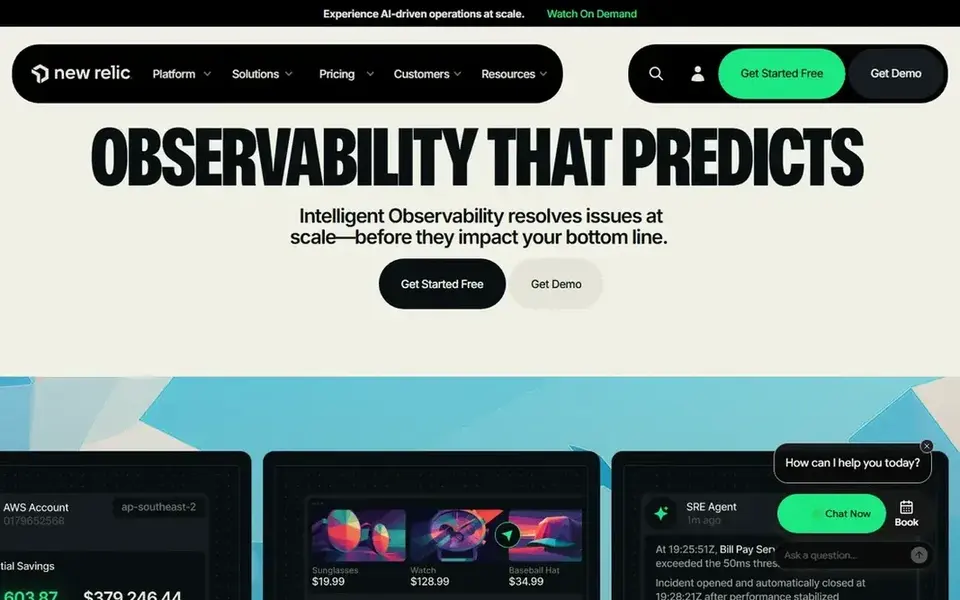
For teams that want one observability store and user seats, New Relic is a natural candidate. One limit: the seat meter grows with headcount, since a sixth full user forces a move from Standard at $406 a month for 5 users to Pro at $349 per As for the details, core users cost $49 per user a month and can query data, whereas full system users cost $10 for the first user and $99 for each extra user on Standard, up to 5 full users, and $349 per user a month on Pro billed yearly.
Points against: Standard caps full platform users at 5.
The free level provides 100 GB of ingest a month, 1 full product user, and unlimited entry-level users who can view dashboards. In daily use, New Relic bills on two meters: data ingest and user seats. The starting price for New Relic: $49 per core user/month. You can start on New Relic without paying.
Strengths: unlimited entry-level users.
- 1 full system user
- Free level comes with 100 GB of data ingest a month
- Full product users cost $349 per user a month on Pro billed yearly
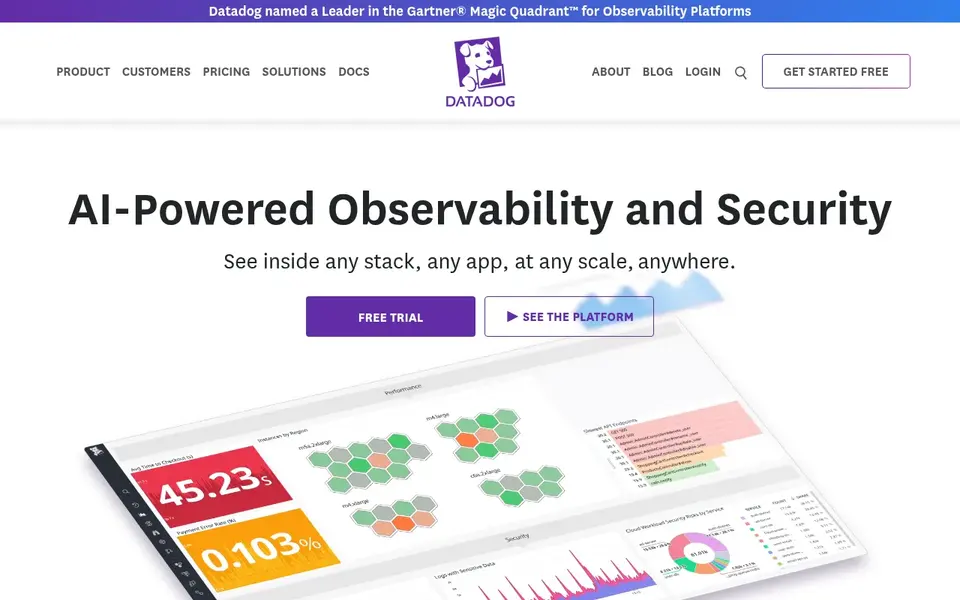
Datadog was built for Cloud teams that need host and APM monitoring. APM is a separate meter at $31 per host per month billed yearly with Infrastructure.
So a host with both lines costs $46 per host a month. Datadog starts at: $15 per host/month. Datadog offers a free plan.
Watch-outs: logs cost $0.10 per GB ingested plus $1.70 per million events indexed. Reasons to shortlist it: 100 custom metrics per host.
- Infrastructure Pro comes with 15-month metric retention
- 5 containers per host
- APM costs $31 per host a month billed yearly on top of Infrastructure Pro
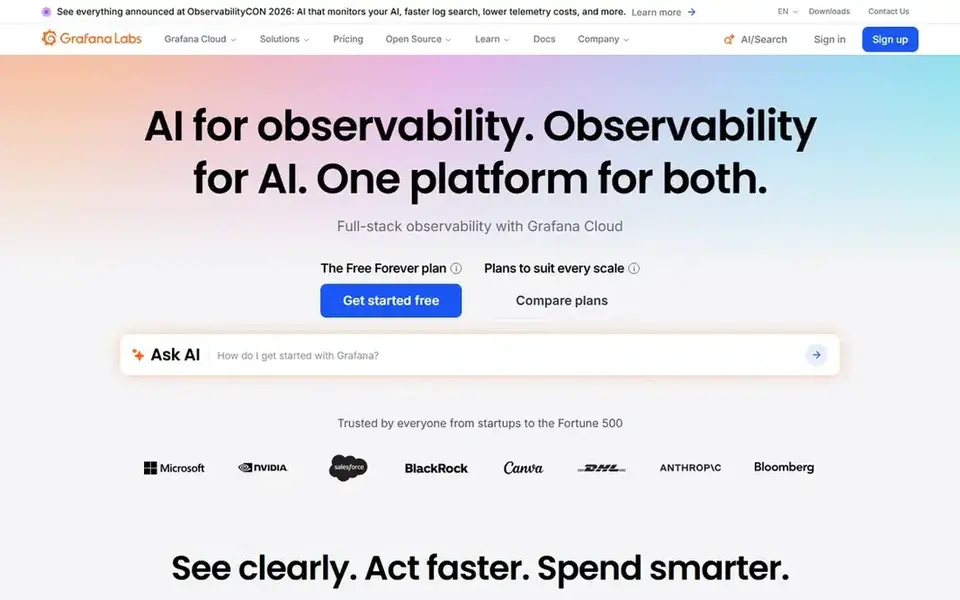
Grafana Cloud works best for teams that want usage based observability and IRM. Grafana Cloud Pro starts with a $19 a month system fee that contains 10,000 active metric series, 50 GB of logs, 50 GB of traces, and 3 active users.
Honest limits: usage meters for series, GB.
Starting cost for Grafana Cloud: $19 per month. A free plan is available with Grafana Cloud.
Where it shines: 50 GB of traces.
- 50 GB of logs
- Pro raises metrics retention to 13 months
- Users can grow quick
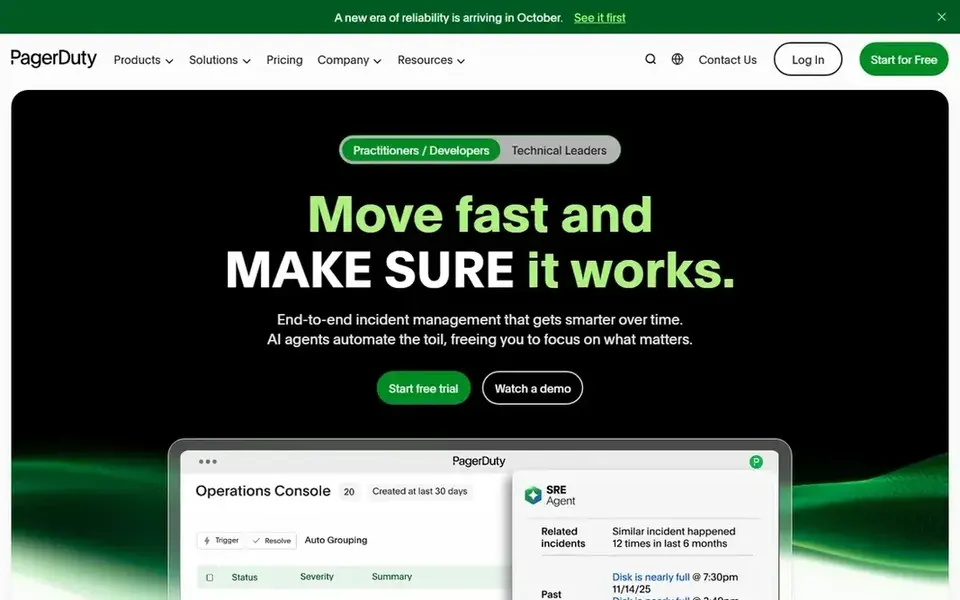
Pick PagerDuty if this describes you: enterprise on-call and incident response teams. PagerDuty Professional costs $21 per user a month billed yearly, or $25 billed monthly, and the Free plan includes up to 5 users with 100 SMS and phone notifications a month.
A sixth responder, a second schedule, or a second escalation policy needs Professional, which brings unlimited schedules, SSO, Slack and Teams apps, post-incident reviews. An external status page for up to 250 subscribers. PagerDuty pricing: $21 per user/month. Free access exists with PagerDuty.
Watch-outs: product plans move to an annual fee from $2,800 a year for 10 seats.
- Professional brings unlimited schedules, SSO
- Post-incident reviews
- AIOps and Runbook Automation are extras on Professional with no listed price
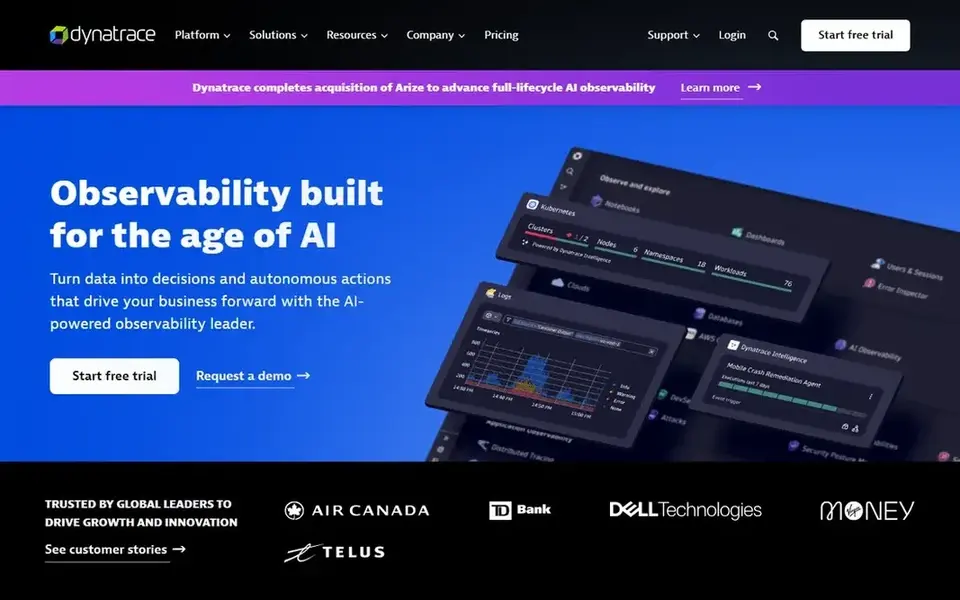
Dynatrace serves large estates that require automatic root cause analysis. Dynatrace sells through one annual system commitment called the Dynatrace Platform Subscription. Every capability draws down from that commitment at a listed hourly rate.
Beyond that, foundation and Discovery costs $7 per host a month, Infrastructure Monitoring costs $29 per host per month, and Full-Stack Monitoring costs $58 a month for an 8 GiB host, billed at $0.01 per memory-GiB-hour. A 16 GiB host therefore costs about $117 a month, and a 32 GiB host costs about $234 a month. Price to start with Dynatrace: $58 per 8 GiB host/month. Free plan details: Free trial (15 days).
Where it is weaker: No free level. Main advantages: code-level profiling.
- Full-Stack Monitoring comes with APM
- Kubernetes platform monitoring
- Only a 15-day trial
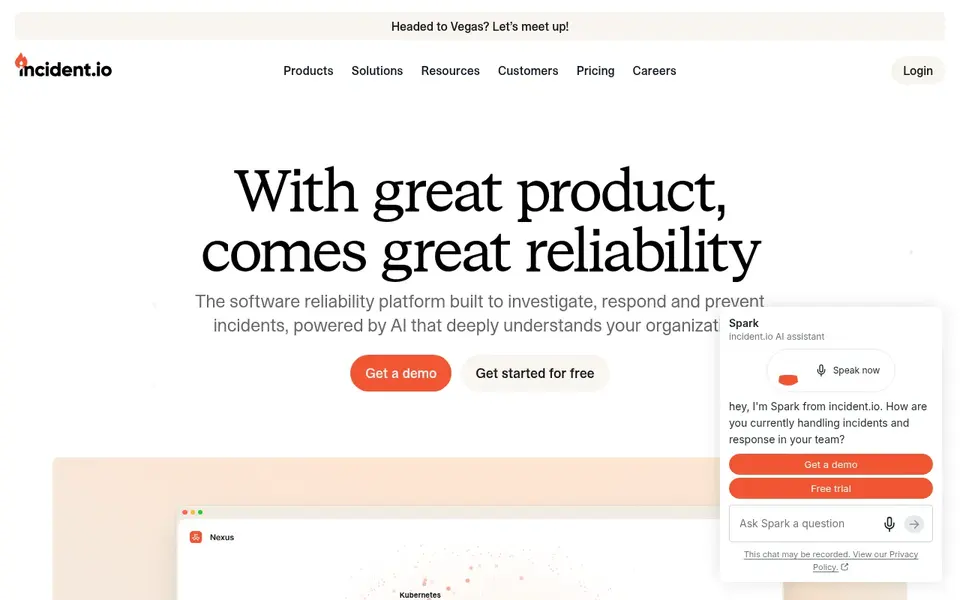
incident.io is built with Slack first teams that run incidents in chat in mind. incident.io Team costs $15 per user a month billed yearly, or $19 billed monthly, and Pro costs $25 per user a month.
Drawbacks to consider: Team caps schedules at 2 and workflows at 3.
For everyday use, incident.io cuts repair time by running the entire incident in Slack or Teams, with automatic timelines built from incident updates and pinned messages One limit: the headline $15 does not bundle on-call on Team, since the add-on costs $10 per user a month, which takes the real cost to $25 per us Beyond that, the Basic plan is free and bundles incident response in Slack or Teams, on-call for a single team, 1 status page, 2 integrations, and 1 workflow. Beyond that, team layers on multi-team on-call, unlimited integrations, API and webhooks, and heartbeats, whereas Pro layers on custom dashboards and private incidents. Starting cost for incident.io: $15 per user/month. You can start on incident.io without paying.
- API access, webhooks
- 2 integrations
- On-call is an add-on at $10 per user a month on Team and $20 on Pro, so the real cost with on-call is $25 and $45 per user a month
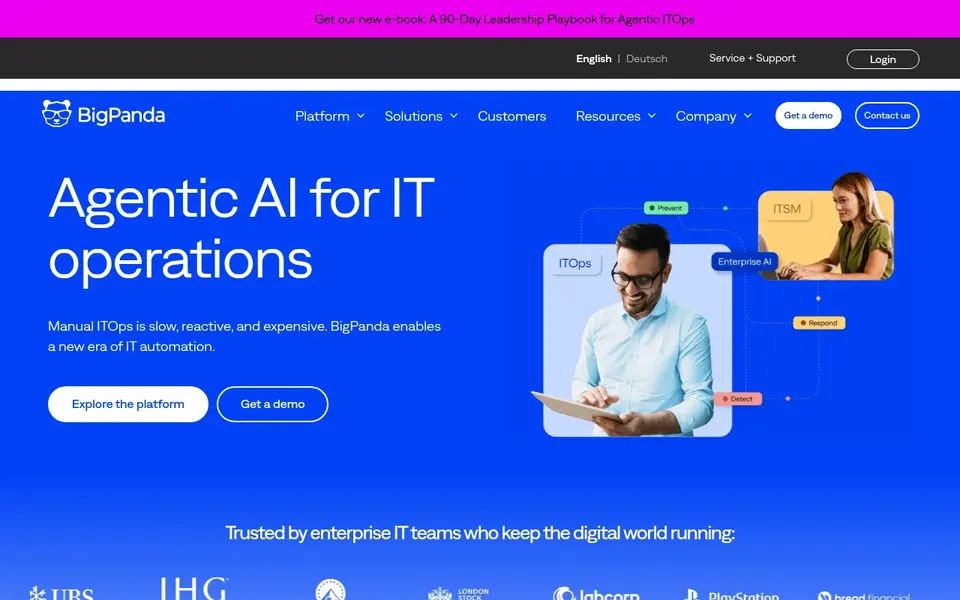
Pick BigPanda if this describes you: large estates with alert noise from numerous tools. BigPanda does not list a price on its pricing page, so the starting price in this article is quote only.
Downsides: the system layers on a fourth layer on top of monitoring, ITSM, chat tools.
BigPanda cuts repair time when the central delay is alert volume instead of missing data, since responders see one grouped incident rather than hundred There is no list price for BigPanda, so a quote is the way in. No free plan comes with BigPanda.
- Event correlation, deduplication
- Incident automation can produce and group incidents from plenty of sources
- No listed price and no free plan, so every cost needs a written quote
How we built this list
ProMapRanker used vendor pricing pages and product documentation as the base, then compared plans, free access and documented limits for 7 tools. Where a price is missing, the vendor does not list one publicly or ties it to a quote. Always confirm before budgeting. Position on the page reflects fit for a typical buyer first, with price clarity and free access breaking ties. Treat it as a guide, not a ruling.
Things to verify first
- Confirm the entry price on the vendor page. For BigPanda that means a quote rather than a fixed price.
- Look at free plan limits closely: New Relic, Datadog, Grafana Cloud and others have one, and the caps decide whether it is usable for real work.
- Run a trial of Dynatrace with real work before paying for a year; your own workflow is the best test.
- Read the limits listed for New Relic first: full system users cost $349 per user a month on Pro billed yearly.
- Confirm you can export your data from PagerDuty, so leaving later does not mean losing records.
- Ask the daily users to test Grafana Cloud on a live task before you roll it out to everyone.
Frequently asked questions
What is the best AI tool to cut MTTR in enterprise IT?
The first pick on this list is New Relic, because it suits teams that want one observability store and user seats. Datadog is better for Cloud teams that require host and APM monitoring, and Grafana Cloud for teams that want usage based observability and IRM. Check price and limits against your own needs before choosing.
Do these tools publish their prices?
Not all of them. BigPanda publishes no starting price, so expect a quote request for it. The rest, New Relic included, show a starting price, though seats and billing terms still change the final cost.
Which tool is a good match for Slack first teams?
This list starts with New Relic, which fits teams that want one observability store and user seats. For other needs, Datadog is aimed at Cloud teams that require host and APM monitoring, and Grafana Cloud at teams that want usage based observability and IRM. Check each tool's price and main limit first.
Is New Relic the right pick for everyone comparing AI tools to reduce MTTR in enterprise IT?
No single tool suits every team. New Relic comes first because it fits teams that want one observability store and user seats, while Datadog suits Cloud teams that need host and APM monitoring and Grafana Cloud suits teams that want usage based observability and IRM. Match the tool to your own size, budget and workflow before deciding.
Which options for AI tools to reduce MTTR in enterprise IT have a free plan?
New Relic, Datadog, Grafana Cloud, PagerDuty and incident.io offer a free plan in this list. Free plans usually cap users, projects or features, so check the limits on the vendor page. One other tool offers a trial instead.
Can a free plan cut MTTR for a small team?
Yes, for a small rotation, since PagerDuty Free includes 5 users with 1 schedule and 1 escalation policy, Grafana Cloud Free handles 3 users with 10,000 series and 50 GB of logs, and New Relic Free includes 100 GB of ingest a month with 1 full user. The free limits still matter, since a sixth responder or a second schedule forces an upgrade.
Sources
See where you really rank - block by block
ProMapRanker scans Google Maps across a grid of your service area. Simple monthly plans from $19, white-label on every plan.
Start freeBrowse all guides
← AI Networking Platform for Founders in 2026: Top 5 ComparedSecure AI Platform for Business: Best Picks of 2026 →
 best ai autonomous endpoint management software
6 Best AI Autonomous Endpoint Management Software for 2026
Weighing the best AI autonomous endpoint management software? We lined up 6 products by cost, free access and fit. With pricing notes and limits. No hype.
Read → best cloud platforms for ai development
Cloud Platforms for AI Development in 2026: Top 6 Compared
Best cloud platforms for AI development, compared. 6 tools with published prices, free plans and limits. The catches are listed up front. Pick with confidence.
Read →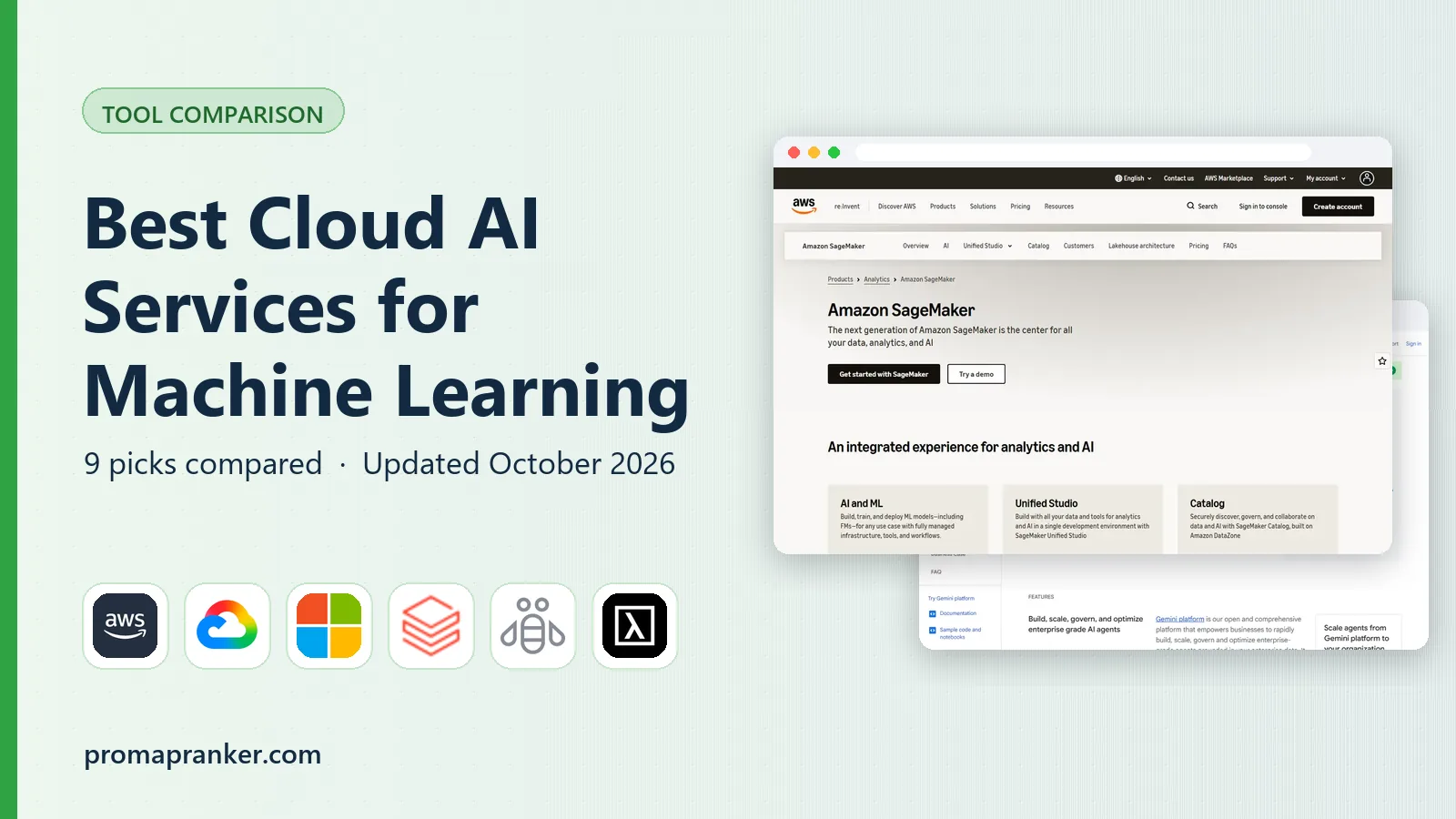 best cloud ai services for machine learning
Cloud AI Services for Machine Learning: Best Picks of 2026
Need the best cloud AI services for machine learning? We compare 6 tools on cost, free access and who each suits. Short verdicts, no fluff. Refreshed for 2026.
Read → dedicated server alternatives
Dedicated Server Alternatives in 2026
Dedicated server alternatives compared: we review 8 VPS, cloud and managed hosting options that replace a dedicated server, with pricing and limits now.
Read → best application server software
Best Application Server Software in 2026
Compare the best application server software in 2026, from free Java servers to enterprise platforms, with pricing, strengths, and limits explained here.
Read → best artificial neural network software
Best Artificial Neural Network Software in 2026
Best artificial neural network software in 2026: we compare 9 frameworks and tools for building, training and deploying neural networks for teams and learners.
Read →More in IT, Cloud & Security · All guides A to Z by date · Latest guides