 ProMapRanker
Dedicated Server Alternatives in 2026


Developers and small teams that want simple cloud VMs · Pricing starts at: $4 per month
Key takeaways
- A VPS or cloud VM replaces a dedicated server for most small and mid-size workloads at a fraction of the cost.
- Hetzner offers the lowest cost per unit of memory, while DigitalOcean offers the easiest start for beginners.
- Managed hosting suits teams without server skills, but it costs more than an unmanaged VM.
- Hourly billing with monthly caps makes cloud VMs flexible, but traffic and backup costs still need checks.
- We favored providers with published entry pricing, global regions and clear upgrade paths.
Quick comparison
| Pick | Great for | Pricing starts at | Free tier | |
|---|---|---|---|---|
| DigitalOcean | Developers and small teams that want simple cloud VMs | $4 per month | Free trial | Visit |
 Linode | Predictable Linux hosting with Akamai edge links | $5 per month | No | Visit |
 Vultr | Global VPS coverage and hourly billing | $5 per month | No | Visit |
 Hetzner Cloud | Budget teams that want maximum memory per dollar | See website | No | Visit |
 OVHcloud | European hosting with built-in DDoS protection | See website | No | Visit |
 AWS Lightsail | Simple projects that may grow into AWS | $5 per month | Free trial | Visit |
 Google Compute Engine | Data, analytics and AI-linked workloads | See website | Free trial | Visit |
 Cloudways | Teams that want managed hosting on cloud VMs | $11 per month | Free trial | Visit |
The best dedicated server alternatives
A dedicated server gives you a whole physical machine, but most websites, apps and small databases do not need that much hardware. Virtual private servers, cloud VMs and managed platforms offer dedicated resources, snapshots and scaling without hardware contracts. These eight cover budget, beginner and managed routes.
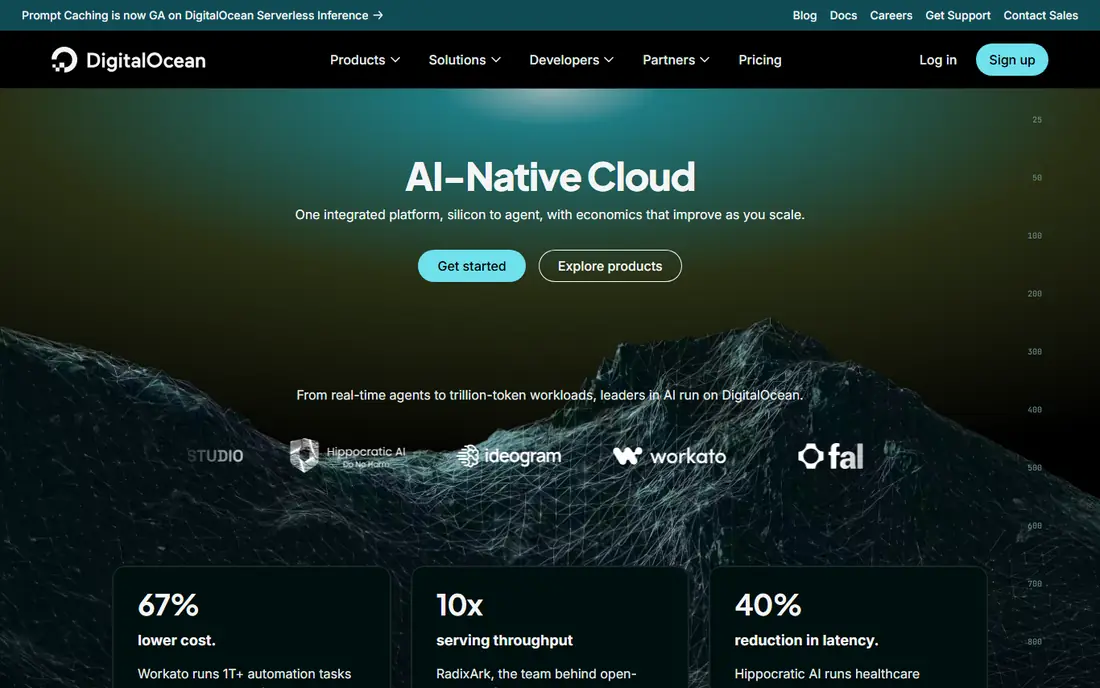
DigitalOcean Droplets are virtual machines with fixed CPU, memory and disk, billed hourly with a monthly cap. Entry plans start around $4 per month for a small instance, with larger plans for production apps. One-click marketplace apps, managed databases, load balancers and snapshots make it easy to grow from a single VM to a fuller setup.
The trade-off is value per unit of memory compared with budget European providers. A 4 GB instance costs more on DigitalOcean than on Hetzner, so large memory needs deserve a price check. For beginners and small teams that value a clear dashboard and good docs, DigitalOcean remains the easiest dedicated server alternative to run.
- Simple dashboard and one-click apps
- Managed databases available
- Strong docs and tutorials
- Cost per unit of memory is higher than Hetzner
- Smallest plans suit light workloads only
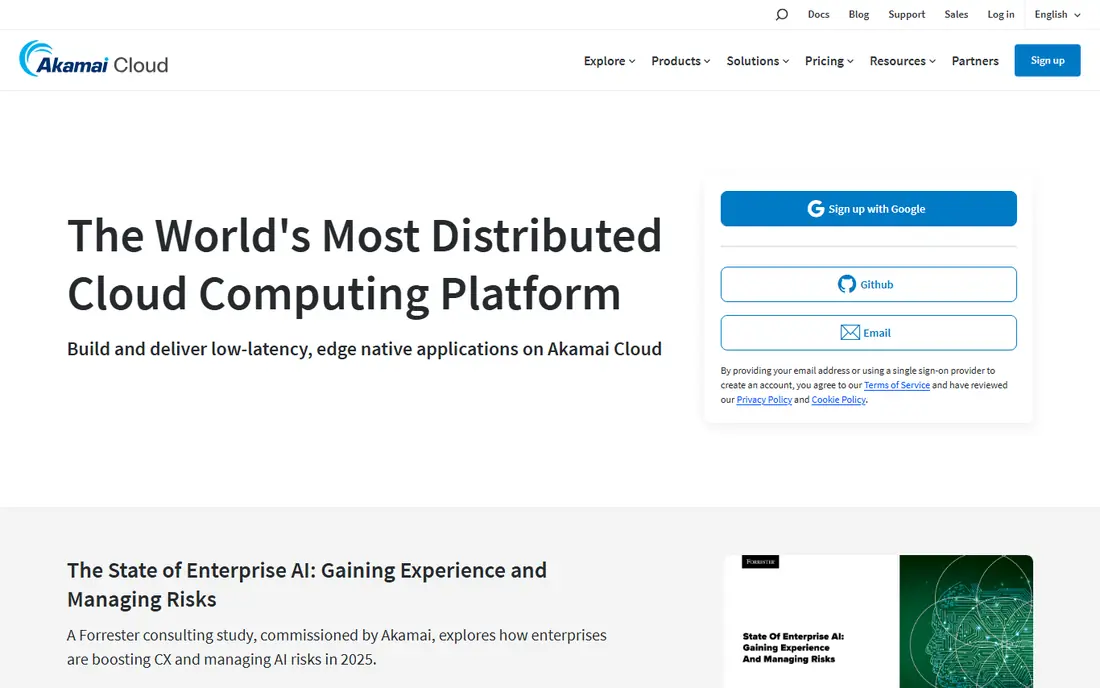
Linode, now part of Akamai, offers shared and dedicated CPU VMs with predictable monthly pricing from around $5 per month for a small instance. The platform suits Linux workloads, developer teams and firms that also use Akamai content delivery and security services. Managed Kubernetes, databases and load balancing help teams scale beyond one VM.
Linode feels more technical than DigitalOcean, which may slow absolute beginners. Support quality is a noted strength, and the global region list is broad. If you want steady Linux hosting with an edge network behind it, Linode is a solid, low-drama alternative to a dedicated box.
- Predictable pricing
- Strong support record
- Managed Kubernetes and edge services
- Dashboard feels more technical than DigitalOcean
- Windows options are limited
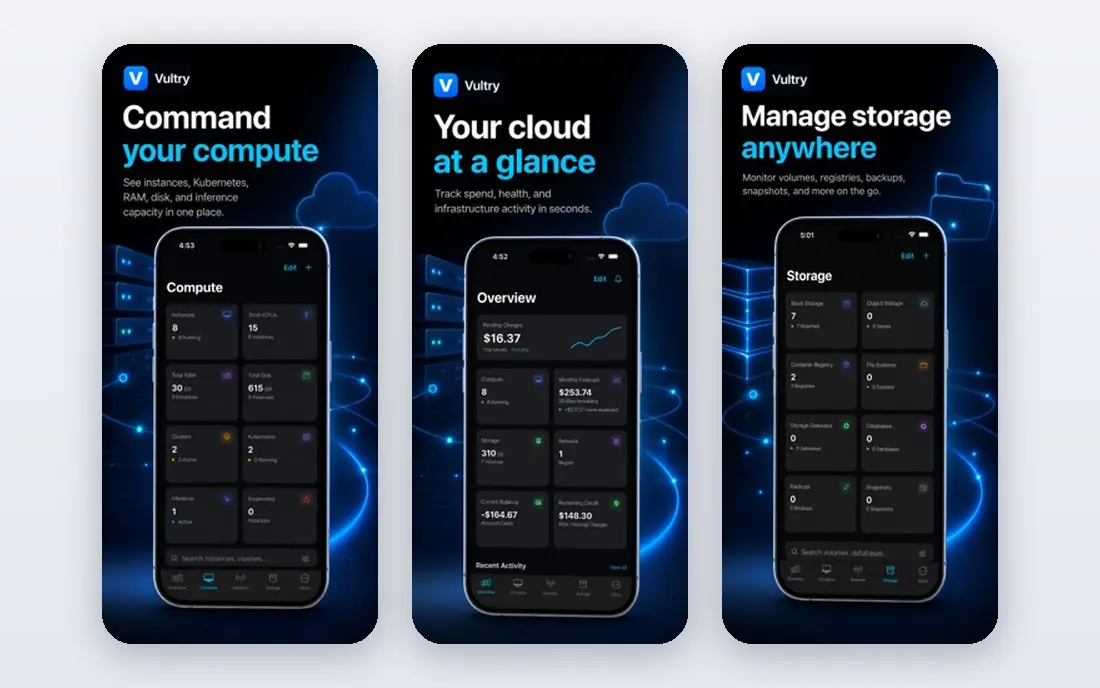
Vultr offers cloud compute VMs from around $5 per month, with regular and high-frequency plans, plus bare metal servers and GPU instances for heavier work. Its location list spans more than 30 cities, which helps firms serve users close to their region. Hourly billing with a monthly cap keeps short tests cheap.
Vultr is unmanaged, so patching, backups and security fall to your team unless you add a control panel or managed layer. That suits developers and firms with server skills. For global reach at a low entry price, Vultr is one of the strongest dedicated server alternatives.
- Many global locations
- Hourly billing with monthly caps
- Bare metal and GPU options
- Unmanaged by default
- Support is thinner than managed hosts
Hetzner Cloud offers shared and dedicated CPU VMs at prices that undercut most US rivals on memory. Entry cloud plans have been listed from around 4 euros per month for a 2 CPU and 4 GB instance with 20 TB of traffic, which makes it a favorite for self-hosting and small production apps. US regions in Ashburn and Hillsboro join European regions for North American users.
The trade-offs are a smaller region list and a leaner support experience than premium clouds. Hetzner also expects more server skill from users. If you can manage a Linux server and your users sit in the US or Europe, Hetzner delivers the best value on this list.
- Low cost per unit of memory
- Large included traffic
- US and European regions
- Support and dashboard feel leaner than premium rivals
- Region list is smaller
OVHcloud offers public cloud VMs, VPS plans and dedicated servers from one account, which makes it easy to start virtual and move to dedicated hardware later if needed. Entry VPS plans have been listed from around 4 to 5 euros per month, with unmetered bandwidth at capped speeds on some plans. Built-in DDoS mitigation is a noted strength for public-facing sites.
Pricing varies by region, term and plan, so confirm the exact figure for your location before budgeting. Support quality also varies by tier. For European firms that want DDoS protection and a path from VPS to dedicated hardware, OVHcloud is a practical alternative.
- Built-in anti-DDoS protection
- European data centers
- VPS and dedicated options in one account
- Pricing varies by region and term
- Support experience varies by plan
AWS Lightsail bundles a VM, SSD storage, data transfer and a static IP into a fixed monthly price from around $5 per month. That bundle model feels closer to a VPS host than to full AWS, which suits simple websites, test apps and small business systems. If a project grows, it can move to EC2 and other AWS services without leaving the AWS network.
Lightsail trades flexibility for simplicity. Advanced networking, autoscaling and some managed services need full EC2 instead. For teams that want a gentle AWS entry with a clear upgrade path, Lightsail is a sensible dedicated server alternative.
- Simple fixed-price bundles
- Easy upgrade path to EC2
- AWS network and regions
- Less flexible than full EC2
- Managed services are fewer than DigitalOcean
Google Compute Engine offers VMs in many machine types, from small shared-core instances to large compute and GPU shapes. Firms already using Google Cloud gain the most, since VMs link to BigQuery, storage and AI services on the same network. A free tier and trial credits help new accounts test small workloads.
Pricing is usage-based, with sustained-use and committed-use discounts that reward steady workloads. That model suits firms with cloud skill and variable scale, but it can surprise beginners who expect a fixed VPS price. For data-heavy or AI-linked work, Compute Engine is a strong alternative to buying hardware.
- Strong global network
- Links to BigQuery and AI services
- Sustained-use discounts
- Pricing is usage-based and complex
- Setup needs Google Cloud skill
Cloudways manages servers hosted on DigitalOcean, AWS, Google Cloud and other providers, starting from around $11 per month. It handles patching, backups, caching and security basics, while you manage apps such as WordPress, Magento or Laravel through a simple panel. That layer suits agencies and small firms without a server admin.
The cost is higher than buying the same VM directly, and deep server control is more limited than on an unmanaged host. If your team lacks Linux skills but wants cloud performance without a dedicated server contract, Cloudways offers a useful middle path. If you enjoy server work, an unmanaged VM will cost less.
- Managed updates, backups and security
- Choice of cloud providers
- Simple app management
- Costs more than an unmanaged VM
- Advanced server control is limited
How we picked these
We compared official pricing pages, entry specs, region lists and public reviews for VPS and cloud providers live in October 2026. We kept providers that offer dedicated virtual resources, snapshots or backups, and a clear upgrade path, and we favored published entry pricing. We did not claim hands-on testing. Where pricing varies by region or term, we note that and direct readers to confirm the live price.
How to choose a dedicated server alternative
Start with your workload, not the server size. A brochure site needs far less than a busy app or database. Check CPU, memory, disk speed and traffic needs, then pick the smallest VM that meets them with headroom. Test with real traffic during a trial, since a cheap VM that slows under load costs more in lost users than it saves in hosting fees.
Next, decide who manages the server. Unmanaged VMs suit teams with Linux skills, while managed platforms suit teams that want updates and backups handled. Check backup, snapshot and restore options before you migrate, and confirm data center location for speed and compliance. Finally, plan an exit. Keep backups you control and avoid a setup that only one provider can run, so you can move if pricing or needs change.
Frequently asked questions
What is the best alternative to a dedicated server?
For most small workloads, a VPS from DigitalOcean, Linode, Vultr or Hetzner replaces a dedicated server at lower cost. Managed teams should look at Cloudways, while AWS or Google Cloud users should look at Lightsail or Compute Engine. The best pick depends on skill, region and workload size.
Is a VPS as good as a dedicated server?
For most websites and apps, yes, since modern VMs offer dedicated CPU and memory shares with fast NVMe storage. A dedicated server still wins for very high, steady CPU loads, strict hardware control, or compliance needs that require physical isolation. Test your workload on a VM before ruling it out.
How much does a VPS cost per month?
Entry VPS plans in this list start around $4 to $5 per month for small instances, while managed hosting starts around $11 per month. Larger production VMs cost more, and traffic, backups and managed services add to the total. Compare the full monthly cost at your needed specs, not just the entry price.
Do I need managed hosting?
Managed hosting suits teams without Linux or server admin skills, since it covers patching, backups and security basics. Teams with server skills save money with an unmanaged VM and a control panel. If downtime would hurt your business and no one on staff manages servers, managed hosting is worth the premium.
Can I move from a VPS to a dedicated server later?
Yes. Providers such as OVHcloud offer both VPS and dedicated servers, and most cloud VMs allow export or migration to larger instances. Keep backups you control and document your setup, so a later move does not depend on one provider tool.
Which provider is cheapest for a VPS?
Hetzner Cloud usually offers the lowest cost per unit of memory for US and European users, with entry plans around a few euros per month. Vultr, Linode and DigitalOcean entry plans start around $5 per month but cost more per unit of memory. Compare specs at the same CPU and memory size, since entry plans differ.
Sources
See where you really rank - block by block
ProMapRanker scans Google Maps across a grid of your service area. Simple monthly plans from $19, white-label on every plan.
Start freeKeep reading
 best used car app
Best Used Car App in 2026: 7 Apps Compared
Compare the best used car apps in 2026 for dealer listings, private sellers, price checks, and buying online, from CarGurus to Carvana today, with pricing.
Read → best tools for print design
Best Tools for Print Design in 2026
We compared the best tools for print design, from professional layout software to free desktop apps, so you can produce print-ready files without guesswork.
Read → zeffy payment processor stripe alternatives
Zeffy and Stripe Alternatives for Nonprofits in 2026
Explore zeffy payment processor stripe alternatives for nonprofits. We compare 8 fundraising platforms on fees, donor tools, and nonprofit focus. Check fees.
Read →