 ProMapRanker
Best AI Tools for B2B Marketing in 2026

Key takeaways
- HubSpot and Salesforce suit teams that already run their customer data in those systems, while standalone writers suit teams that only need copy.
- Account tools such as 6sense and Demandbase are priced by quote, so budget planning needs a sales conversation before any pilot.
- Jasper and Copy.ai cover different jobs: Jasper leans toward brand-led long-form content and Copy.ai leans toward go-to-market workflows.
- Website personalization from Mutiny and chat from Drift help only when traffic and sales follow-up are already in place.
- Writer is the stronger choice for larger firms with strict tone and compliance needs, even though it costs more time to set up.
Quick comparison
| Pick | Great for | Pricing starts at | Free tier | |
|---|---|---|---|---|
 HubSpot | All-in-one CRM marketing | Free | Yes | Visit |
 Salesforce Agentforce | Salesforce-based teams | See website | No | Visit |
 Jasper | Brand-led long-form content | $69 per month | Free trial | Visit |
 Copy.ai | Go-to-market workflows | $29 per month | Yes | Visit |
 6sense | Predictive account targeting | See website | No | Visit |
 Demandbase | Account advertising and orchestration | See website | No | Visit |
 Drift | Website chat and qualification | See website | No | Visit |
 Mutiny | Website personalization | See website | No | Visit |
 Writer | Controlled enterprise content | See website | No | Visit |
The best ai tools for b2b marketing
We compared official feature pages, pricing pages and public documentation for tools that help business-to-business teams find accounts, create content and turn visits into meetings. The list below mixes broad platforms with focused tools, so a small team and a large team can both find a starting point.
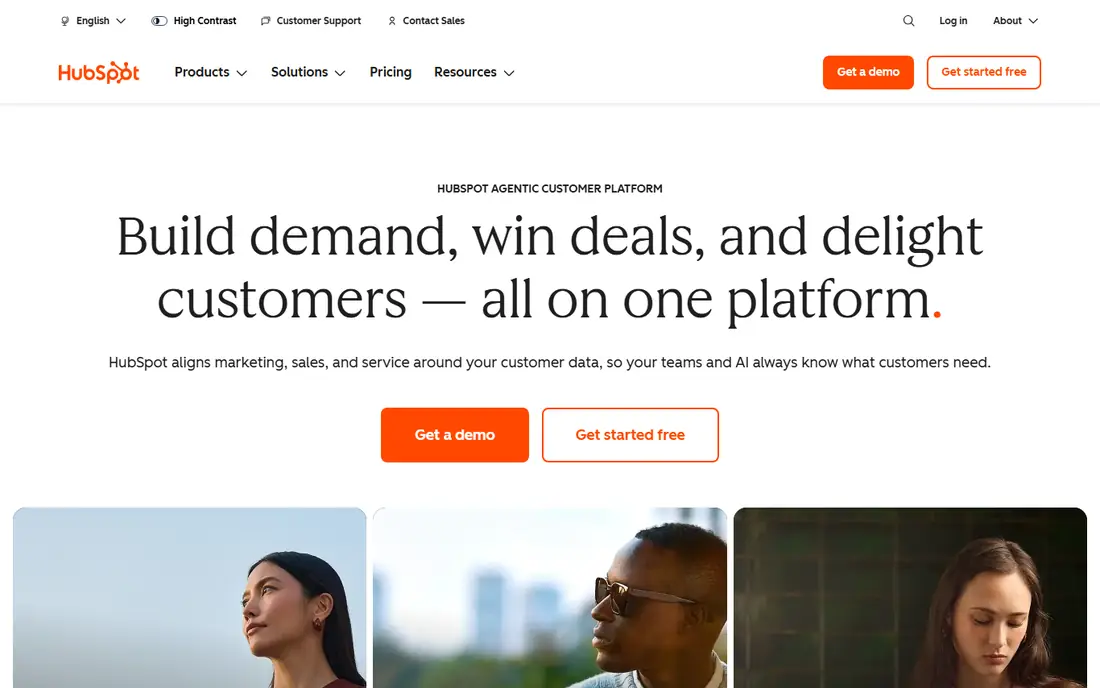
HubSpot works best for a team that wants one place for contacts, campaigns, email and reporting. Its Breeze Assistant drafts content and summarizes records, while its prospecting and customer agents handle routine outreach and support steps. That breadth saves time when a team is small and cannot manage five separate tools. The catch is cost and setup discipline. Free tools are useful, but serious marketing automation sits in paid hubs, and AI agents draw on credits that can rise with volume. Teams should clean up contact records and agree on lifecycle stages before turning agents on, or the output will reflect messy data.
- Free CRM to start
- Breeze agents sit inside marketing, sales and service tools
- Strong reporting and automation
- Paid hubs get expensive as seats grow
- Credit-based AI costs need careful budgeting
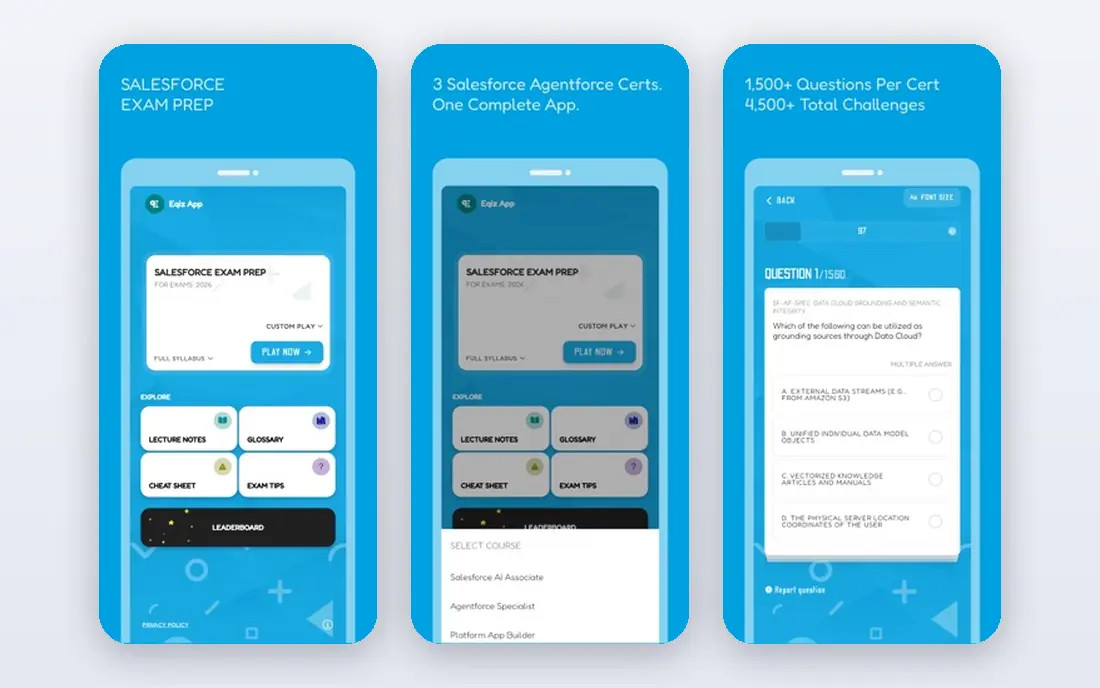
Salesforce Agentforce fits a company that already lives in Salesforce and wants AI to act inside that system. Agents can summarize an account, draft a follow-up and surface competitive notes without leaving the opportunity record. For account executives, that keeps context close to the deal. The weakness is dependence on Salesforce itself. A team without clean records, admin support or a Data Cloud plan may get weak suggestions and a slow rollout. Pricing also needs a volume forecast, since conversation-based charges behave very differently from a flat seat price.
- Agents work inside Sales Cloud records
- Predictive scoring and next steps included in the wider platform
- Flexible conversation and credit pricing models
- Requires an existing Salesforce licence
- Usage costs can climb with conversation volume
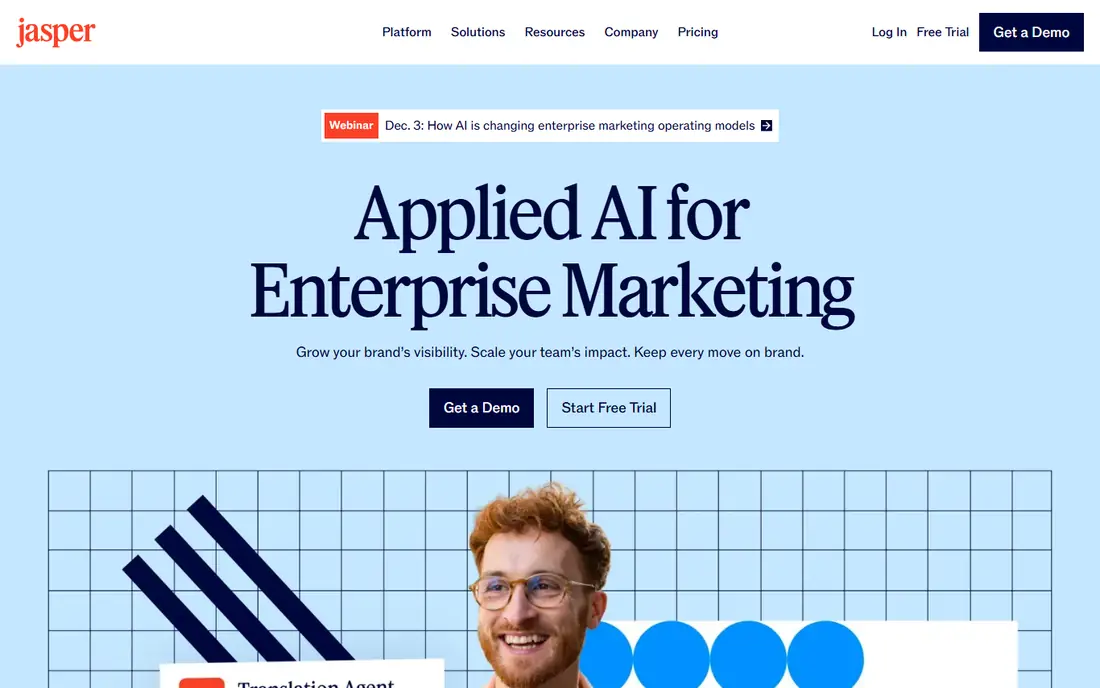
Jasper is built for marketing teams that publish often and need every piece to sound like the same company. Brand voice settings, knowledge assets and campaign workflows help writers move from brief to draft with less rewriting. It suits blog posts, landing pages and email series more than quick social captions. The price is the main barrier for solo users. At $69 per month for a Pro seat, a small team pays a premium for controls it may not use every week. Teams should test whether brand voice actually reduces editing time during the trial before committing to several seats.
- Brand voice controls for consistent tone
- Campaign workflows for marketing teams
- Unlimited words on paid plans
- No free plan, only a trial
- Per-seat pricing adds up for large teams
Copy.ai has moved toward go-to-market work, and that shift shapes who should buy it. Its workflows can research prospects, draft outreach sequences and support sales enablement, while its chat workspace covers everyday writing. For a team that needs volume outreach, that combination is practical. The pricing cliff deserves attention. The Chat plan is affordable, but the Growth workflow tier is far more expensive, so a team that outgrows Chat faces a sharp decision. Buyers should map which workflows they will run weekly, not just which ones look useful in a demo.
- Low entry price with several seats on Chat
- Workflows for outbound and enrichment
- Free plan for basic use
- Higher workflow tier is a large jump in price
- Less focused on long-form brand content than Jasper
6sense helps larger B2B teams decide which accounts deserve attention now, rather than treating every visitor the same. Its predictive models combine intent signals with account data to suggest buying stages, and its sales tools help reps research companies and people. That focus suits firms with long sales cycles and many target accounts. The trade-off is complexity and cost. Pricing is quoted per organization, and third-party contract data puts typical annual deals in five figures or higher. Without a named owner for stage definitions and handoffs, a team may buy strong predictions and still fail to act on them consistently.
- Predictive buying-stage models
- Large intent and account data network
- Sales intelligence tools for prospecting
- Quote-only pricing
- Needs an owner for stages, routing and playbooks
Demandbase is a natural first look when an account program starts with advertising. It pairs account intelligence and intent with a native advertising channel, so a team can reach buying groups at target companies and then coordinate sales follow-up. That end-to-end shape appeals to firms that already run account-based campaigns. The honest catch is price and setup effort. Like 6sense, it does not publish list pricing, and reported annual contracts are substantial. Teams should also expect time to configure integrations and reporting, and should confirm ad spend is budgeted separately from the platform fee.
- Native B2B advertising alongside account data
- Account intelligence and orchestration in one platform
- Works for advertising-led account programs
- Quote-only pricing
- Learning curve, especially around custom integrations
Drift turns website visits into conversations, which matters for B2B teams that rely on inbound demand. Chatbots and live chat can qualify a visitor, answer common questions and book a meeting while interest is fresh. That speed can beat a form that sits unread until the next morning. The limit is traffic quality and response capacity. A site with few qualified visitors will not see much return, and a booked meeting still needs a prepared rep. Teams should start Drift on pricing, product and demo pages first, where intent is highest, rather than adding chat to every page at once.
- Real-time chat on high-intent pages
- Qualification and meeting booking flows
- Integrates with common CRMs
- Quote-only pricing
- Value drops if site traffic is low or follow-up is slow
Mutiny changes what a visitor sees based on who they are, which helps B2B sites that serve very different buyers. A target account can see relevant logos, use cases and calls to action, while another segment sees a different version of the same page. For account-based programs, that relevance can lift conversion without rebuilding the whole site. The downside is that personalization is not a substitute for a clear offer. Small teams with modest traffic may struggle to test enough variations to learn anything useful, and the platform fee adds up. It fits best when a team already has steady traffic and a list of priority accounts to target.
- Personalizes pages by company, industry or segment
- Supports account-based landing pages
- Analytics tied to conversion goals
- Quote-only pricing
- Platform fee can be hard to justify for small teams
Writer is designed for larger firms where tone, legal review and brand rules matter as much as speed. It helps teams draft marketing content with guardrails, so claims, terminology and style stay consistent across channels. That control is valuable in regulated or multi-brand companies. The cost is both money and process. Pricing is quoted, and getting value from Writer means defining style guides, approved language and review steps first. A small team that only needs fast drafts will likely find a simpler writer cheaper and quicker, while a large team may welcome the structure.
- Strong brand and compliance controls
- Enterprise security and governance options
- Works across many content types
- Quote-only pricing
- Setup and governance work takes time
How we picked these
We compared official product and pricing pages, platform documentation and public reviews for tools that serve business-to-business marketing in October 2026. We kept only tools that exist as live products, fit B2B use cases such as account targeting, campaign content or conversion, and publish enough detail to judge price and limits. We favored a mix of broad platforms and focused tools, and we noted where pricing is quote-only instead of inventing a figure.
What to check before you buy
Start with the job, not the demo. A team that needs pipeline should weigh account tools and chat first, while a team that needs publishing volume should weigh writers and brand controls first. Write down one measurable goal for the first 90 days, such as more qualified meetings or faster draft approval, and judge the pilot against that goal. Next, check data and ownership. Account platforms need clean CRM records and a person who owns stages and routing. Writers need approved examples and a clear review step. Chat and personalization need traffic and fast human follow-up. If none of those are in place, fix the foundation before paying for a larger plan. Finally, model total cost. Add seat prices, credit or conversation charges, ad spend, implementation and any connector fees. Ask vendors what happens when credits run out, how unused allowances are treated, and which features sit behind higher tiers. A short paid pilot on real campaigns will tell you more than a polished sales presentation.
Frequently asked questions
What is the best ai tool for b2b marketing?
The best choice depends on your main bottleneck. HubSpot suits teams that want one CRM-led system, Jasper suits brand-led content teams, and 6sense or Demandbase suit larger account-based programs. Start with the job that costs the most time today, then pick the tool that fits that job.
What is the best ai marketing tool for b2b small teams?
Small teams usually do better with a lower-cost starting point such as HubSpot free tools or Copy.ai Chat, plus one focused tool for their top channel. Quote-only account platforms can wait until traffic and target-account lists are large enough to use them well.
Do these tools replace a marketing team?
No. They speed up drafting, research, targeting and routine follow-up, but humans still need to set strategy, check facts, approve claims and handle complex deals. Treat AI output as a first draft or a shortlist, not as a finished campaign.
How much do B2B AI marketing tools cost?
Prices range from free plans to quote-only enterprise contracts. Writers such as Jasper and Copy.ai publish entry prices, while account platforms such as 6sense and Demandbase require a quote. Always add credits, seats, ad spend and implementation to the headline price.
Can AI tools help with account-based marketing?
Yes, when the account list and sales process are ready. Account tools surface intent and buying stages, personalization tools tailor pages, and chat tools capture interest. Without agreed stages and follow-up steps, however, the signals may not turn into meetings.
Should we buy one platform or several focused tools?
One platform is simpler to manage and report on, while focused tools can be stronger for a single job such as writing or personalization. Many teams start with one platform, then add a focused tool only for the job where the platform falls short.
Sources
See where you really rank - block by block
ProMapRanker scans Google Maps across a grid of your service area. Simple monthly plans from $19, white-label on every plan.
Start freeKeep reading
 who has best internet service
Who Has the Best Internet Service in 2026
Who has best internet service for US homes? We compare fiber, cable, fixed wireless and satellite providers on speed, price, availability and terms today.
Read → which survey tool has the best analytics
Which Survey Tool Has the Best Analytics in 2026
Find which survey tool has the best analytics in 2026, comparing Qualtrics, SurveyMonkey, Typeform, Alchemer, and more on reports, text, and stats today.
Read → which streaming service has the best movies
Which Streaming Service Has the Best Movies in 2026
Answering which streaming service has the best movies, with Netflix, Max, Criterion and more compared on libraries, prices and free options in this guide.
Read →