 ProMapRanker
Best AI Spanish Learning App in 2026

Key takeaways
- Talkpal and Langua lead for open AI conversation, while Duolingo Max leads for a daily habit with short AI role-plays.
- Speak suits beginners who want structured speaking lessons with an AI tutor, rather than open chat alone.
- Babbel and Busuu suit learners who want grammar and structure alongside AI review, especially at intermediate level.
- Free plans are useful for testing, but most AI speaking features need a paid plan or a trial.
- No app alone builds fluency, so pair app practice with real conversation, listening, and reading in Spanish.
Quick comparison
| Pick | Great for | Pricing starts at | Free tier | |
|---|---|---|---|---|
 Duolingo | Daily habit with AI role-plays | Free | Yes | Visit |
 Talkpal | Open AI conversation practice | See website | Yes | Visit |
 Babbel | Structured grammar and lessons | See website | Yes | Visit |
 Busuu | Community feedback plus AI review | See website | Yes | Visit |
 Mondly | Chatbot and vocabulary practice | See website | Yes | Visit |
 Rosetta Stone | Pronunciation and immersion | See website | Yes | Visit |
 Speak | Structured AI speaking lessons | See website | No | Visit |
 Langua | AI speaking with mistake reports | See website | Yes | Visit |
 LingQ | Reading with AI text help | See website | Yes | Visit |
The best AI Spanish learning apps
AI Spanish apps differ in what the AI actually does. Some hold open conversations, some give grammar explanations, and some build drills from your mistakes. The apps below cover those models, so the right pick depends on what you need: speaking practice, structure, or reading help, and if you are a beginner or an intermediate learner.
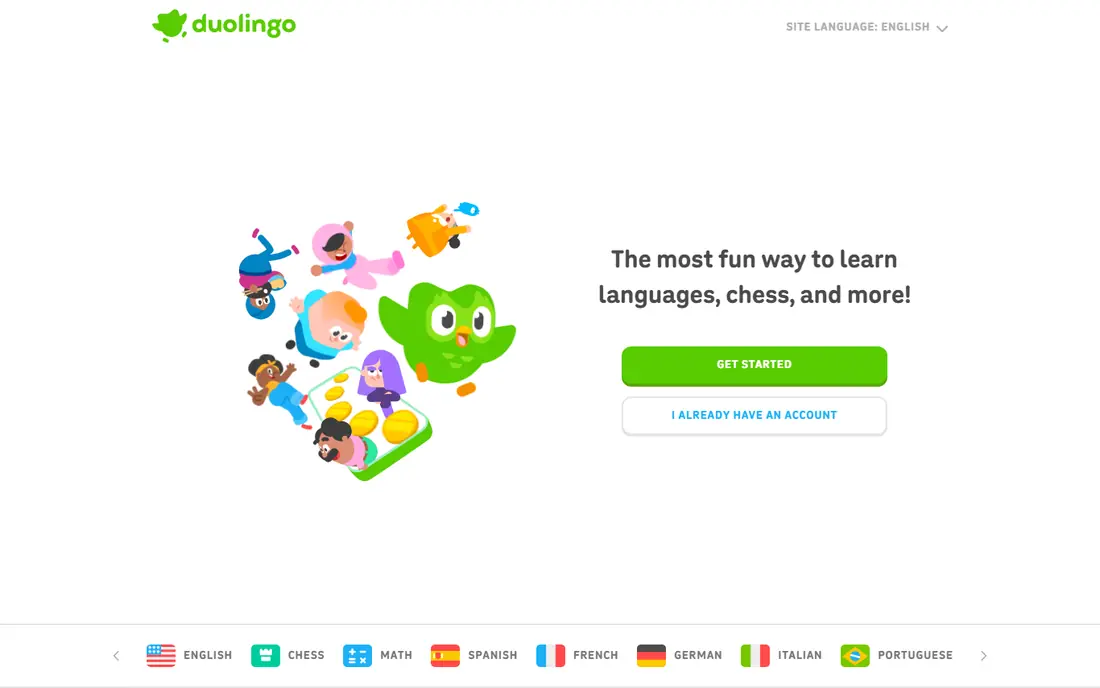
Duolingo is the easiest place to start learning Spanish, because the free course is long, gamified, and built around short daily lessons. Streaks, levels, and bite-size exercises keep beginners coming back, which matters more than any single feature at the start. Duolingo Max adds AI features, including role-plays and video calls in some languages, plus contextual explanations for mistakes, though AI call availability varies by language and device.
The limit is depth. Duolingo teaches vocabulary and basic grammar well, but open conversation is shallow compared with a dedicated AI tutor, and intermediate learners often need more reading and speaking practice elsewhere. Super is listed from around 7 dollars per month billed annually in recent guides, with Max pricing varying, so we list paid details as See website. For a daily habit and a first foundation, Duolingo remains a strong start.
- Free core course
- Short lessons build a daily habit
- Max adds AI role-plays and explanations
- Conversation depth is limited
- Advanced learners may outgrow the course
- Max pricing varies by plan
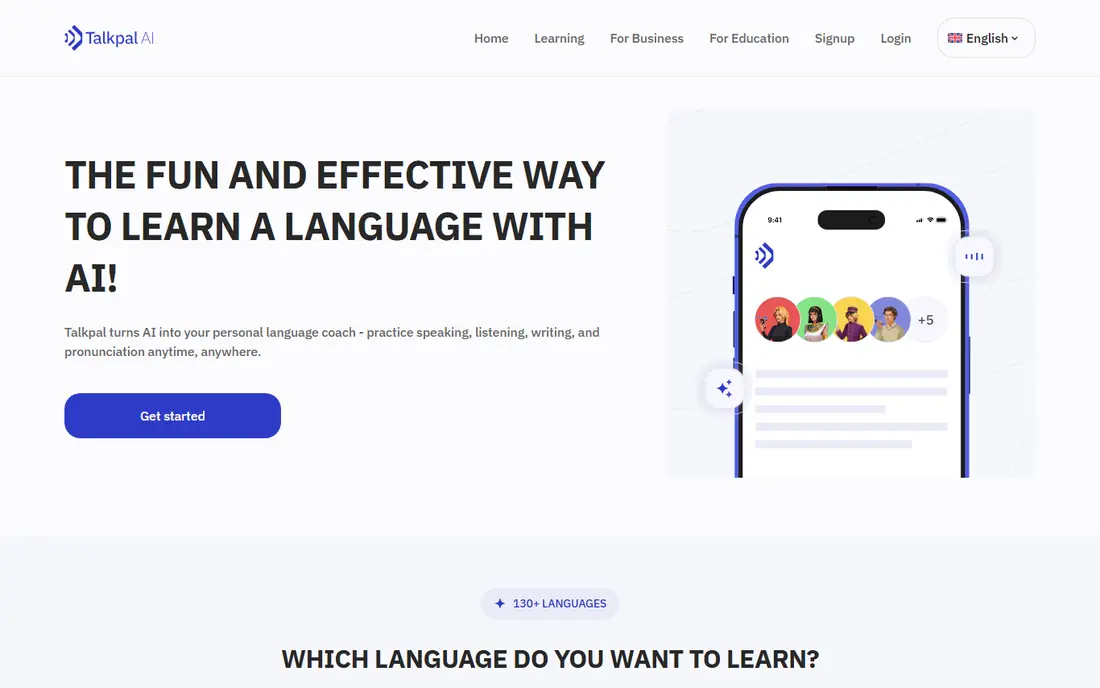
Talkpal is built around AI tutoring and open-ended interaction, which makes it the most direct AI conversation app in this list. Users can chat, call, role-play, and debate with an AI tutor on many topics, in Spanish and more than 100 other languages in recent guides. That open format suits learners who already know some Spanish and want to practice speaking without the pressure of a human tutor. Feedback is instant during practice, which helps learners fix errors in the moment.
Structure is the trade-off. Talkpal offers less of a set curriculum than Babbel or Duolingo, so beginners may feel lost without a lesson path. The free plan has daily limits, and paid pricing varies by plan length, with recent guides listing around 19.99 dollars per month or lower on longer plans. For speaking practice after a foundation, Talkpal is a strong pick.
- Open chat, calls, role-plays, and debates
- Many languages
- Low-pressure speaking practice
- Limited structured curriculum
- Free plan has daily limits
- Monthly price varies by plan length
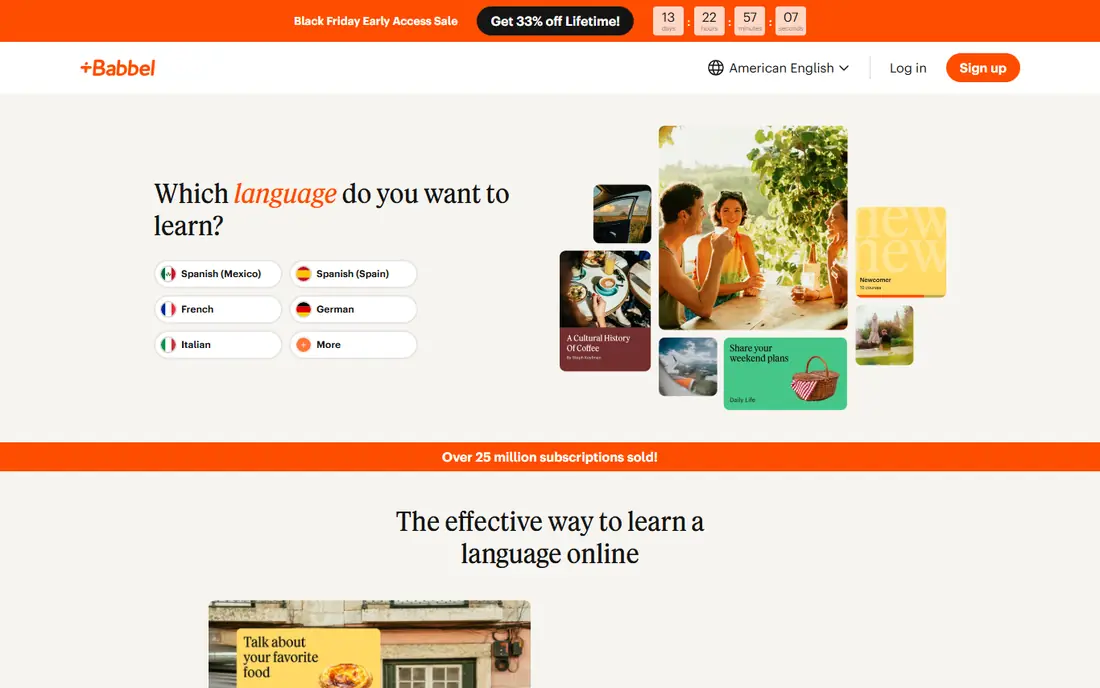
Babbel suits learners who want order. Lessons follow CEFR levels, grammar is explained in plain terms, and review uses spaced repetition to bring back words at the right time. Recent guides list Babbel around 7.99 to 13.95 dollars per month depending on plan, though pricing varies, so we list it as See website. Babbel also offers Spain and Latin American Spanish paths, which matters because vocabulary and some grammar differ by region. That choice helps learners pick the Spanish of the place they plan to visit or work in.
Babbel is less playful than Duolingo, and its AI features focus more on adaptive review than on open conversation. Learners who want long AI chats should pair Babbel with Talkpal or Langua. For intermediate learners who want structure and grammar depth, Babbel is one of the strongest picks in this list.
- CEFR-aligned structured lessons
- Strong grammar explanations
- Spain and Latin American Spanish options
- Less playful than Duolingo
- AI features are more review-focused than open conversation
Busuu mixes AI review with human feedback, which is a useful combination. Structured courses cover grammar and vocabulary, AI review helps with spaced repetition, and native speakers can correct written and spoken exercises. Recent guides list Busuu around 5.95 to 7.49 dollars per month on some plans, though pricing varies, so we list it as See website. That mix suits learners who want structure but also want a real person to check their Spanish now and then.
The library is smaller than Duolingo, and AI speaking is less open than a dedicated conversation app. Busuu works best as a main structured course with community feedback, plus a conversation app for speaking. For learners who value corrections from native speakers, Busuu is a strong choice.
- AI review plus corrections from native speakers
- Structured courses
- Smaller, focused library
- Smaller content library than Duolingo
- AI speaking is less open than Talkpal
Mondly uses a chatbot and speech recognition to give learners short conversations in Spanish, alongside vocabulary and phrase lessons. The format is visual and quick, which suits beginners who want to practice common phrases for travel or daily life. Recent guides list Mondly around 9.99 dollars per month, with yearly and lifetime options, though pricing varies by store, so we list it as See website. A lifetime option covering all languages can be good value for learners who study several languages.
Depth is the limit. Mondly is strong for phrases and vocabulary, but intermediate learners who need grammar depth and long conversation will outgrow it faster than Babbel or Talkpal. The free plan is also limited, so a subscription is needed for full access. For a fun, phrase-first start, Mondly is a good pick.
- Chatbot conversations
- Speech recognition
- Lifetime option for all languages
- Depth is limited for intermediate learners
- Free plan is limited
Rosetta Stone teaches Spanish through immersion, with images and audio instead of translation, and TruAccent speech recognition gives feedback on pronunciation. That method suits learners who want to build an ear for Spanish and speak with clearer pronunciation from the start. Lessons are structured and consistent, which helps learners who prefer a steady routine over gamified variety.
Progression can feel slow, and grammar is learned through examples rather than explicit rules, which frustrates some learners. Recent guides list Rosetta Stone around 11.99 dollars per month on some plans, though pricing varies, so we list it as See website. For pronunciation and immersion, Rosetta Stone remains a solid, if slower, path.
- Immersion method without translation
- TruAccent speech recognition
- Strong pronunciation focus
- Progression can feel slow
- Less explicit grammar explanation
- Higher monthly price in some guides
Speak is a speaking-first AI tutor, with lessons, role-plays, and a tutor users talk to directly. That structure suits beginners who want to speak from day one but still want a lesson path, rather than open chat alone. Recent guides list Speak around 17.99 dollars per month or 83.99 dollars per year, though pricing varies, so we list it as See website. Feedback covers pronunciation and phrasing, which helps learners who freeze in real conversation.
The lack of a free plan is the main drawback, with only a trial offered in recent guides. Speak also covers fewer languages than Duolingo or Talkpal, and it is mobile-focused. For learners whose main goal is speaking Spanish with confidence, Speak is a strong, focused pick, provided the trial convinces them first.
- AI tutor with lessons and role-plays
- Speaking-first design
- Feedback on pronunciation and phrasing
- No free plan, only a trial
- Fewer languages than Duolingo
- Mobile-only in many cases
Langua stands out for what happens after a conversation. The AI talks with the user, reports mistakes, and builds drills from those errors, so practice targets weak points instead of repeating the same phrases. Recent guides list Langua around 19.99 dollars per month or 149.99 dollars per year for Standard, with a free account offering short daily calls and limited chat messages. That feedback loop suits intermediate learners who already speak some Spanish and want to fix recurring errors.
Price is higher than Duolingo or Busuu, and Langua is a smaller brand, so there are fewer community resources. For learners who want detailed feedback and targeted drills, Langua is worth the trial. For beginners on a budget, Duolingo plus a free Langua account can be a good combination.
- AI conversations with mistake reports
- Drills built from your errors
- Free account for short daily calls
- Higher monthly price than some rivals
- Smaller brand than Duolingo
LingQ suits learners who want to read real Spanish, not just textbook sentences. Users can import articles, books, and audio, and the AI can rewrite texts at a beginner level, transcribe imported audio, and track known words. Recent guides list LingQ around 14.99 dollars per month or 119.99 dollars per year, with a free plan limited to 20 saved words, though pricing varies, so we list it as See website. That reading-first model helps intermediate learners grow vocabulary fast.
Speaking practice is limited compared with Talkpal, Langua, or Speak, and the interface takes a session or two to learn. LingQ works best alongside a speaking app, not instead of one. For intermediate learners who want to read Spanish news, books, and articles with AI support, LingQ is a strong pick.
- Read real Spanish texts with AI help
- AI rewrites texts at your level
- Large import options
- Less speaking practice than conversation apps
- Interface takes time to learn
How we picked these
We compared official product pages, app store listings, and recent AI language app guides from September 2026, then kept apps that offer real AI features for Spanish and still operate in 2026. We favored a mix of conversation, structured, pronunciation, and reading models, so readers can match the app to their weak point. We used See website where pricing varied by plan length, store, or region, and we avoided stating a single price as fixed. No app was listed for a feature it does not offer.
How to pick an AI Spanish app for your level
Beginners should start with structure and a daily habit. Duolingo or Babbel gives that foundation, with short lessons and clear progression. Add a speaking app once basic phrases feel familiar, even if speaking feels awkward at first. Short, frequent practice beats a long weekly session, because Spanish needs repetition to stick.
Intermediate learners should pick by weak point. If speaking is weak, try Talkpal, Langua, or Speak. If grammar is weak, try Babbel or Busuu. If reading is weak, try LingQ. Also choose the Spanish variety you need: Spain Spanish and Latin American Spanish differ in vocabulary and some forms, so pick the path that matches where you will use the language. Finally, add real input outside the app, such as podcasts, shows, and conversation with native speakers, because no app alone builds fluency.
Frequently asked questions
What is the best AI app to learn Spanish?
Talkpal and Langua are the strongest for open AI conversation, while Duolingo Max is the best for a daily habit with short AI role-plays. Babbel is the best structured option for grammar and intermediate progress. The best pick depends on whether speaking, structure, or reading is your weak point.
What is the best app for learning conversational Spanish?
Talkpal, Langua, and Speak are the strongest for conversational Spanish, because they focus on speaking and give feedback during conversation. Talkpal offers open chat and role-plays, Langua adds mistake reports and drills, and Speak offers structured speaking lessons. Try the free plan or trial of each before paying.
Is Duolingo Max good for learning Spanish?
Duolingo Max adds AI role-plays and explanations to the free Duolingo course, which helps beginners practice short conversations. It is less deep than a dedicated AI tutor for open conversation, and intermediate learners may need more reading and speaking elsewhere. It works best as a daily habit app, not as the only tool.
Which AI Spanish app is best for intermediate learners?
Babbel and Busuu suit intermediate learners who want grammar and structure, while Langua and LingQ suit intermediates who want feedback and reading. Intermediate learners should pick by weak point, not by brand, and pair an app with real conversation and listening practice for best progress.
Are AI Spanish learning apps free?
Most apps here offer a free plan or trial, but AI speaking features usually need a paid plan. Duolingo has a strong free course, Talkpal and Langua offer limited free use, and Speak offers a trial rather than a free plan. Test the free tier first, then pay only for the AI feature you actually use.
Should I learn Spain Spanish or Latin American Spanish?
Learn the variety used where you plan to live, work, or travel, because vocabulary and some forms differ. Babbel and some other apps offer separate Spain and Latin American paths, while Duolingo teaches a more general Latin American style. Learning one variety first is fine, and you can learn to understand the other over time.
Sources
See where you really rank - block by block
ProMapRanker scans Google Maps across a grid of your service area. Simple monthly plans from $19, white-label on every plan.
Start freeKeep reading
 best tour operator software
Best Tour Operator Software in 2026
Compare the best tour operator software for bookings, channel management, waivers and payments, with pricing models for day tours and multi-day trips.
Read → best time clock app for small business
Best Time Clock App for Small Business in 2026
We compare the best time clock app for small business options, with free plans, GPS clock ins, scheduling and payroll links for hourly teams and payroll help.
Read → best test automation tools
Best Test Automation Tools in 2026
Compare the best test automation tools, from Playwright and Selenium to Cypress, Katalon and BrowserStack, with prices, languages and best uses explained.
Read →