 ProMapRanker
AI Research Assistants: Best Picks of 2026

Systematic reviews and evidence tables · Pricing starts at: $11 per user/month (billed yearly)
Direct answer
If you need systematic reviews and evidence tables, Elicit is the first tool to look at here. Listed starting prices: Elicit from $11 per user/month, Scite from $12 a month and Semantic Scholar from $0 a month. For a different need, Scite covers checking how papers were cited and Semantic Scholar covers free paper search and alerts. Prices, free plans and limits for all 6 tools follow.
ProMapRanker compared 6 AI research assistants. The goal is a practical shortlist: published prices, free plan facts, best-fit use cases and honest limits for every entry.
Key takeaways
- Top of the list is Elicit, which targets systematic reviews and evidence tables.
- For the cheapest start, look at Semantic Scholar: $0 per month.
- One limit worth knowing about Scite: no permanent free plan, only a 7 day trial.
- 5 of 6 tools offer a free plan: Elicit, Semantic Scholar, ChatGPT, ResearchRabbit, Perplexity.
Quick comparison
| Pick | Great for | Pricing starts at | Free tier | |
|---|---|---|---|---|
| Elicit | Systematic reviews and evidence tables | $11 per user/month (billed yearly) | Yes | Visit |
 Scite | Checking how papers were cited | $12 a month (billed yearly) | Free trial (7 days) | Visit |
 Semantic Scholar | Free paper search and alerts | $0 a month | Yes | Visit |
 ChatGPT | General research drafts and deep research | $20 per month (billed monthly) | Yes | Visit |
 ResearchRabbit | Visual citation maps from seed papers | $10 per month (billed annually) | Yes | Visit |
 Perplexity | Cited answers across the web | $17 a month (billed annually) | Yes | Visit |
AI Research Assistants, one by one
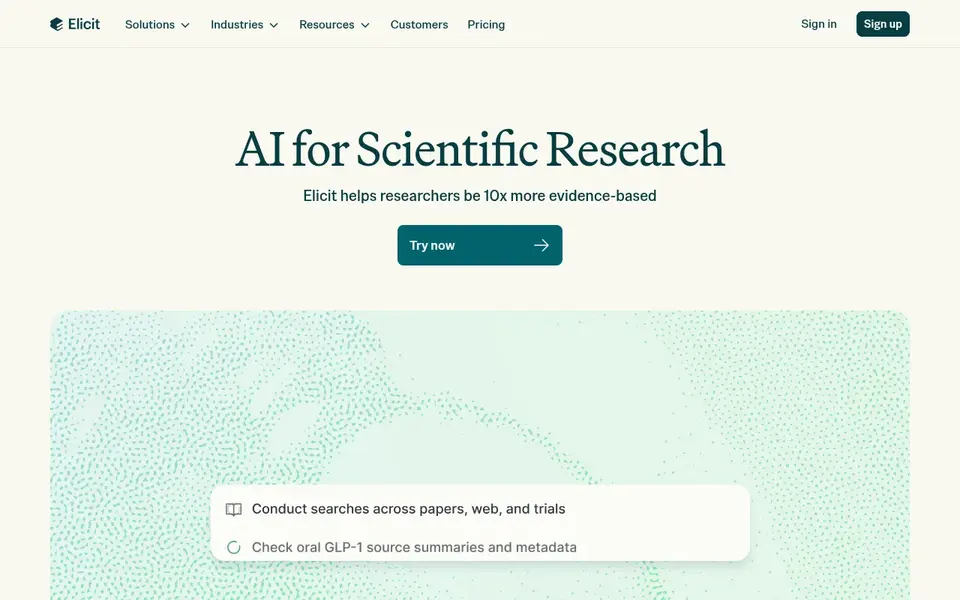
Elicit makes the most sense for systematic reviews and evidence tables. Elicit is made for literature reviews, with search, summaries, chat with full text papers, and tables that pull the same fields from numerous papers at once.
Where it falls short: table exports need a subscription plan.
What you pay to start with Elicit: $11 per user/month. Elicit has a free plan.
- Table exports on Plus
- Systematic review workflow on Pro
- Plus appears only on the Academic pricing view
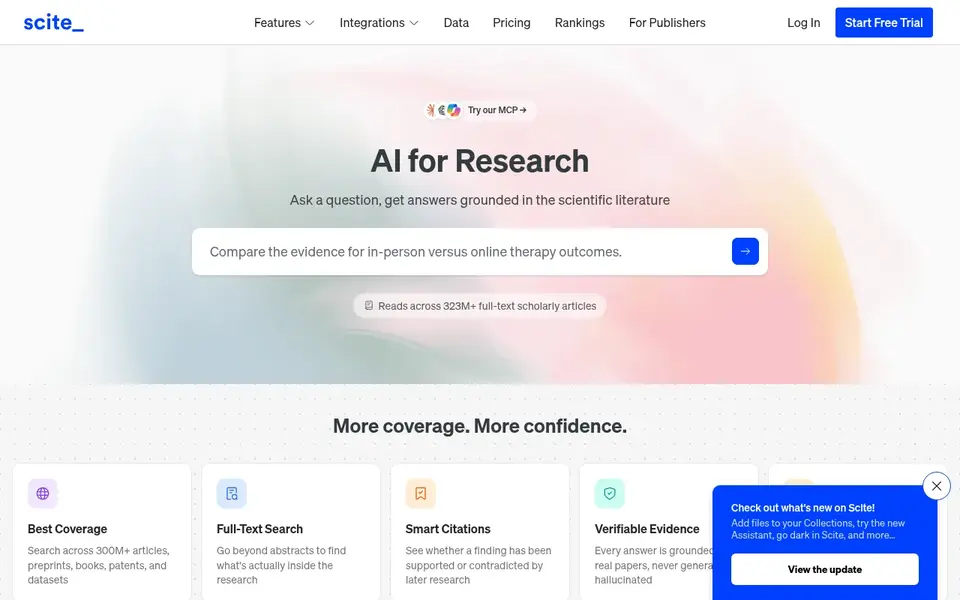
Think of Scite for checking how papers were cited. Scite answers a question that a normal search cannot answer, which is how later papers treated an earlier paper.
Downsides: the trial auto enrolls you except when you cancel.
Entry-level bundles the Scite Assistant, full text search, Smart Citation reports, citation alerts, and collections up to 1,000 papers. Entry price for Scite: $12 per month. Free options: Free trial (7 days).
- Smart Citations label citing passages as supporting, contrasting
- Citation alerts and Reference Check
- Only a 7 day trial
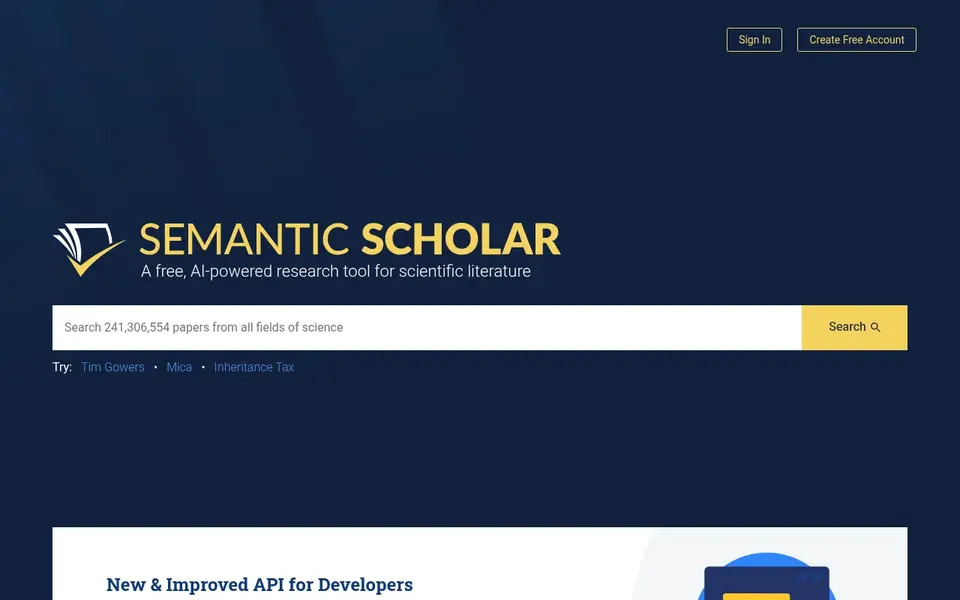
Semantic Scholar makes the most sense for free paper search and alerts. Semantic Scholar is a free, AI powered search and discovery tool from the Allen Institute for AI, known as Ai2, a non profit research institute. Its FAQ describes it as free, with no account needed to reach papers.
Drawbacks to consider: No mobile app.
It has no pricing page since there is no subscription level to sell. From a buyer's view, the corpus spans more than 214 million papers, and paper pages display citations and TLDR summaries where available. From a buyer's view, the free account layers on a library with folders and bulk export, email alerts, Research Feeds, and author page claims. Semantic Scholar pricing: $0 per month. Free access exists with Semantic Scholar.
- Free API with a key
- Whole product is free with no subscription level
- TLDR summaries include primarily computer science and biomedical papers
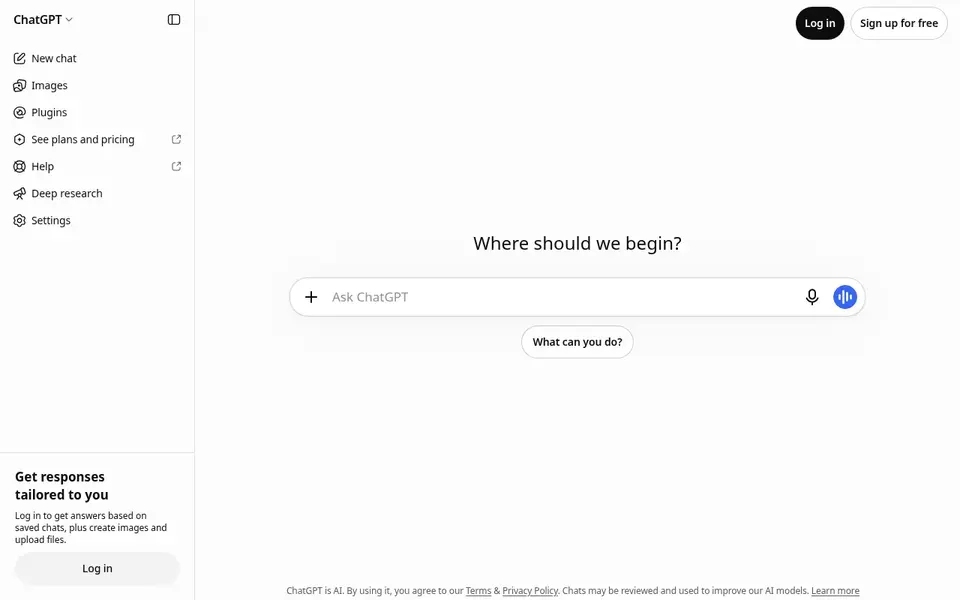
In short, ChatGPT is for general research drafts and deep research. Plus layers on advanced reasoning models with GPT-6, expanded messages and uploads, expanded deep research, expanded memory and context, projects, schedule Go costs $8 a month and layers on more messages, uploads, image creation, and voice chats.
Main advantages: scheduled tasks.
The starting price for ChatGPT: $20 per month. ChatGPT includes a free tier.
Where it falls short: API usage is billed separately from Plus.
- Expanded memory and context on Plus
- Projects
- Plus has no annual billing choice, so per year costs $240
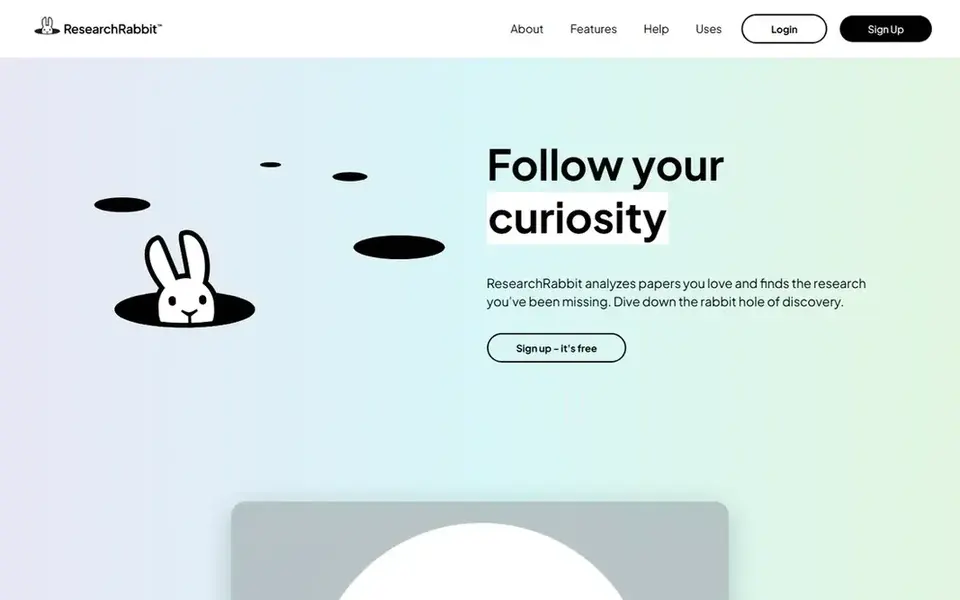
ResearchRabbit is built with visual citation maps from seed papers in mind. RR+ costs $10 a month when billed yearly, which is $120 a year, or $12.50 a month when billed monthly.
From a buyer's view, the Free Forever plan costs $0 and bundles unlimited searches across more than 310 million articles, unlimited library and collections, collaboration by sharing collections, and up to 50 seed articles. Also, Litmaps acquired ResearchRabbit in May 2025, and it still runs as its own brand. Price to start with ResearchRabbit: $10 per month. ResearchRabbit includes a free tier.
What to check first: RR+ monthly billing costs $12.50 a month.
- Country discounts in more than 100 countries
- Shared collections and Zotero import on the free plan
- No extraction or synthesis tools
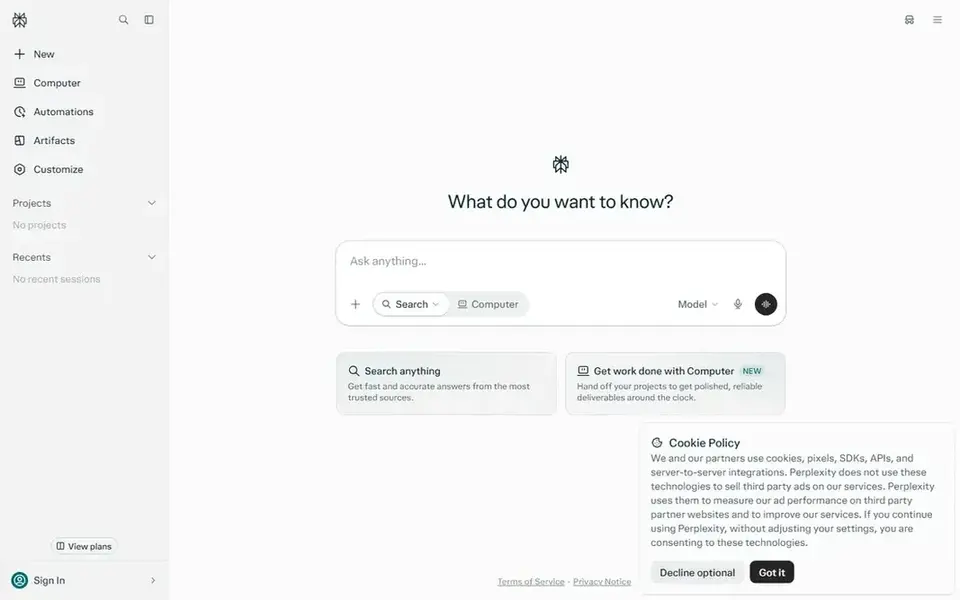
Perplexity targets cited answers across the web. Pro brings Deep Research, 4,000 bonus credits, expanded Computer access, and a choice of top models.
As for the details, choose Perplexity when your questions cross numerous sources and you want one answer with links. Entry price for Perplexity: $17 per month. Perplexity offers a free plan.
Downsides: monthly billing costs more than the annual rate.
- Model choice on Pro
- Deep Research mode on Pro
- Free plan has restricted daily usage
A buyer's checklist
- Prices are a starting point; Semantic Scholar shows $0 per month to start, so verify what your seat count would cost.
- Look at free plan limits closely: Elicit, Semantic Scholar, ChatGPT and others have one, and the caps decide whether it is usable for real work.
- Take the trial from Scite and push a live task through it before you pay.
- Read the limits listed for Elicit first: plus appears only on the Academic pricing view.
- Test how quickly Perplexity answers a pre-sales question; it hints at how support will feel later.
- Add up seats, add-ons and usage charges for ChatGPT before comparing it with cheaper entries.
Frequently asked questions
How are the tools for AI research assistants ordered?
The order follows typical fit for AI research assistants, with Elicit first and Perplexity last, then price clarity and free access. It is editorial judgement, not a score, so another team could rank the tools differently.
Why does Elicit show different prices to different visitors?
On the default Industry view, the first plan shown is Pro at $49 per user a month billed yearly. Academic Pro is $39 per user a month billed yearly.
Which AI research assistant is a good match for a systematic review?
Start with Elicit if you need systematic reviews and evidence tables. Scite is the better match for checking how papers were cited, and Semantic Scholar for free paper search and alerts. The best choice depends on budget, team size and workflow.
Can I try these tools before paying?
Often, yes. Elicit, Semantic Scholar, ChatGPT and others have a free plan and Scite offers a free trial. Use your own data and a real task during the test, and check what the free tier or trial limits before you rely on it.
What is the cheapest option for AI research assistants in this list?
On published monthly entry prices, Semantic Scholar is the lowest here at $0 per month. Entry price is only part of the cost, because seats, add-ons and billing terms can change the total.
Which AI research assistant is a good match for most people?
Elicit is the pick this page puts first, mainly for systematic reviews and evidence tables. If your situation differs, Scite suits checking how papers were cited, and Semantic Scholar suits free paper search and alerts. Compare price and limits before you decide.
Sources
See where you really rank - block by block
ProMapRanker scans Google Maps across a grid of your service area. Simple monthly plans from $19, white-label on every plan.
Start freeBrowse all guides
← AI Agents for Research in 2026: Top 6 ComparedAI Tools for Enterprise with Secure Data: Best Picks of 2026 →
 best agentic analytics tools for data analysis
Best Agentic Analytics Tools for Data Analysis in 2026
Compare 6 picks for the best agentic analytics tools for data analysis, with prices, free plans and who each fits. Real limits included. Straight answers.
Read → best agentic analytics tools for ai insights
Agentic Analytics Tools for AI Insights: Best Picks of 2026
6 products for the best agentic analytics tools for AI insights, ranked by fit, with starting costs and free tiers. Real limits included. Details below.
Read → cheaper alternatives to peec ai for geo
6 Peec AI Alternatives Compared (2026)
6 tools for cheaper alternatives to peec ai for geo, compared on pricing, free plans and best-fit use. Every pick includes one clear drawback. Plain facts.
Read →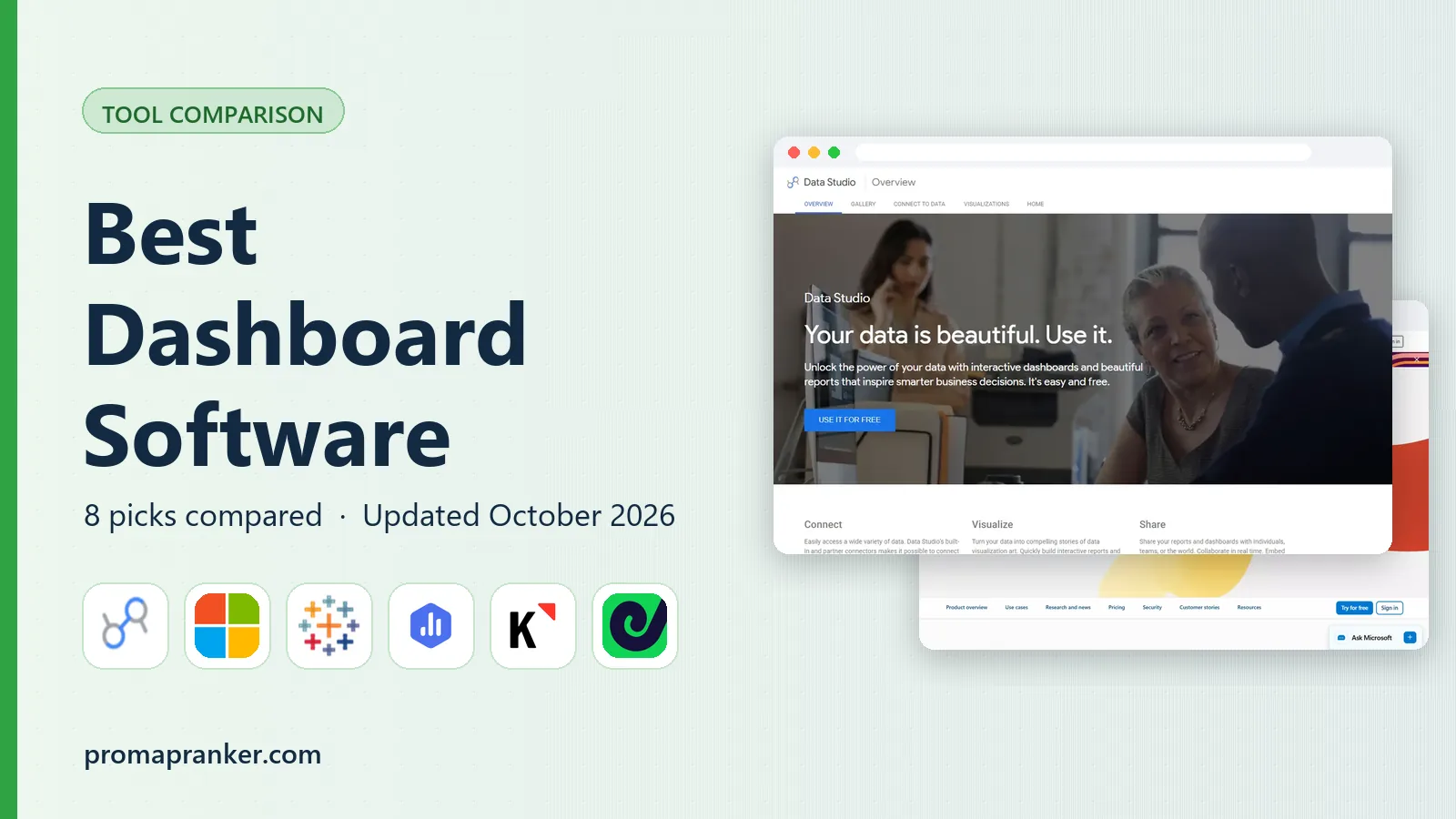 best dashboard software
Best Dashboard Software in 2026
Looking for the best dashboard software? We compare 8 dashboard tools for small business, their pricing, integrations, and ease of use, so you can pick one.
Read → best safety audit and inspection platform usa
Best Safety Audit and Inspection Platform USA in 2026
Compare the best safety audit and inspection platform usa options in 2026 for mobile checklists, corrective actions and audit-ready reports, in full detail.
Read → top data analysis software
6 Best Data Analysis Software Options for 2026
Top data analysis software in 2026: 6 tools with starting prices, free plans and limits. Strengths and weak spots are spelled out. Narrow your shortlist.
Read →More in Data & Analytics · All guides A to Z by date · Latest guides