 ProMapRanker
Best AI Analytics Platforms for Data Analytics in 2026


Business users who want search-led analytics · Pricing starts at: See website
Key takeaways
- ThoughtSpot suits business users who want to ask questions in plain language and get governed answers without writing SQL.
- Tableau suits teams that need deep visual dashboards and exploration, with AI features layered on a mature platform.
- Microsoft Power BI suits organisations already on Microsoft 365 and Fabric, where Copilot and shared workspaces fit naturally.
- Sigma and Hex suit analyst teams that think in spreadsheets or notebooks and want to work directly on warehouse data.
Quick comparison
| Pick | Great for | Pricing starts at | Free tier | |
|---|---|---|---|---|
| ThoughtSpot | Business users who want search-led analytics | See website | Free trial | Visit |
 Tableau | Teams that need deep visual dashboards | See website | Free trial | Visit |
 Microsoft Power BI | Organisations on Microsoft 365 and Fabric | See website | Free trial | Visit |
 Looker | Teams that manage metrics as code in Google Cloud | See website | No | Visit |
 Sigma | Business users who think in spreadsheets | See website | Free trial | Visit |
 Hex | Analyst teams that work in notebooks and data apps | See website | Yes | Visit |
 Domo | Organisations that need connectors and data apps | See website | Free trial | Visit |
 Zoho Analytics | Small businesses that want affordable AI reporting | See website | Free trial | Visit |
 Qlik Sense | Teams that need associative exploration and AI insight | See website | Free trial | Visit |
The best ai analytics platforms for data analytics
We compared current options for best ai analytics platforms for data analytics to help you shortlist with confidence. The tools below cover well-known leaders and strong smaller options, and each one earns its place for a different kind of buyer. Read the fit line first, then the strengths and the honest catch, since the best tool for a large team is rarely the best tool for a solo buyer.
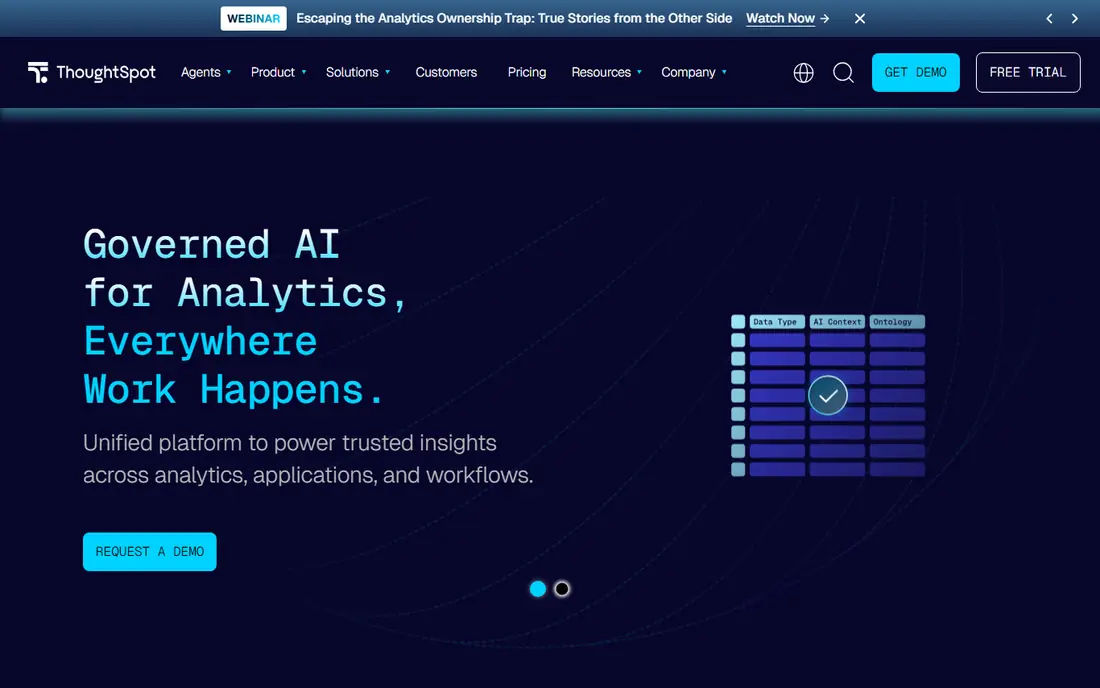
For photographers who want a faster first pass, business teams that want answers without writing SQL. It lets users type questions in plain language and returns charts and tables from governed data models, with embedded options for products. That focus shapes the daily experience more than any single feature claim, since you will live with the workflow, the limits and the support model long after the trial ends.
Metric modelling still needs analyst work, and pricing depends on users and usage. For self-service analytics, the search experience is its core strength. Check the trial limits before you commit, and run it on a real recent shoot rather than a small test folder. The right question is not whether the tool is good in general, but whether it fits your volume, your team and the way you already work.
- Natural-language search
- Governed metrics
- Embedded analytics options
- Enterprise pricing can be complex
- Setup needs metric modelling
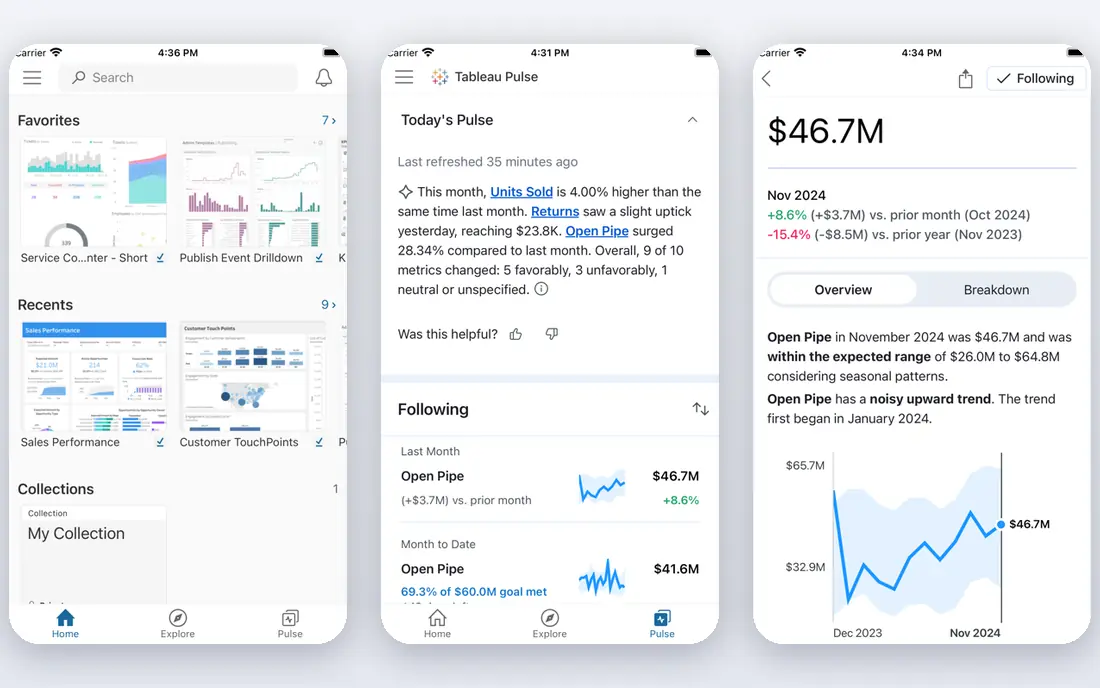
If your main pain is the sheer size of a shoot, analysts and teams that build rich dashboards. It remains a leading visual analytics platform, with dashboards, exploration and AI features such as Pulse for insight summaries. That focus shapes the daily experience more than any single feature claim, since you will live with the workflow, the limits and the support model long after the trial ends.
Advanced authoring takes training, and role-based pricing needs care. For visual depth and flexibility, few platforms match it. It is worth comparing the export and handoff steps, since that is where time often leaks back in. The right question is not whether the tool is good in general, but whether it fits your volume, your team and the way you already work.
- Strong visual exploration
- Pulse AI insights
- Wide data connectors
- Learning curve for advanced authoring
- Pricing varies by role
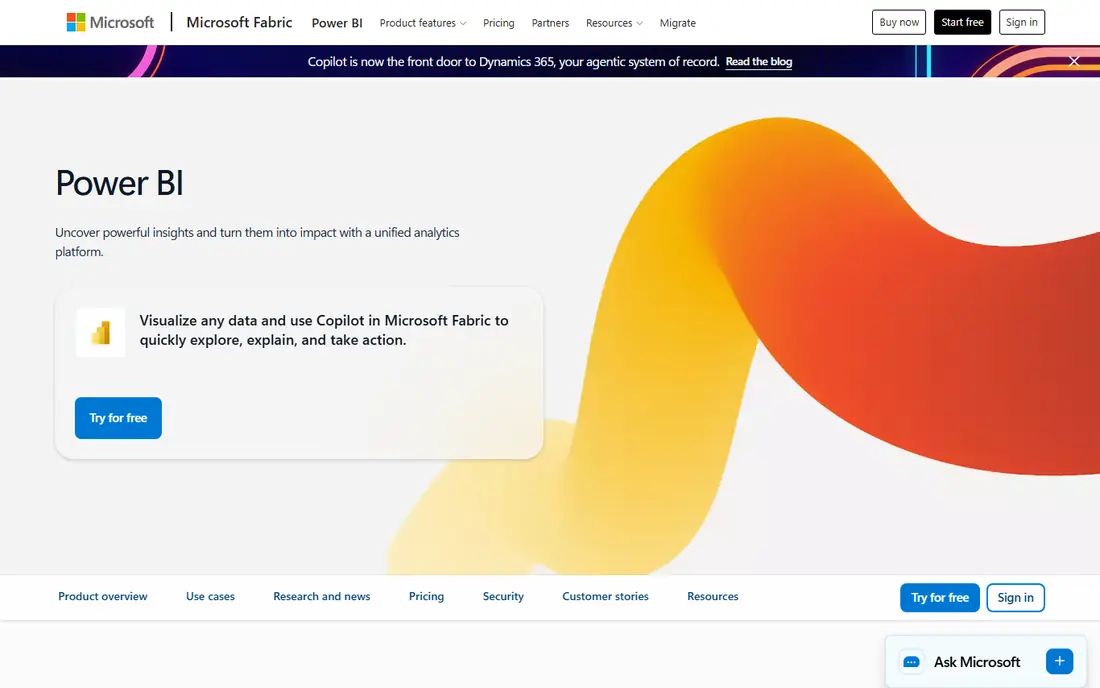
A solid choice when control matters as much as speed, Microsoft shops that want BI inside their existing stack. It fits naturally with Microsoft 365, Teams and Fabric, with Copilot help for reports, summaries and Q and A. That focus shapes the daily experience more than any single feature claim, since you will live with the workflow, the limits and the support model long after the trial ends.
Licensing layers can confuse the total cost, since capacity and seat types interact. For Microsoft organisations, the integration value is high. Ask about file handling and privacy before you upload client work, especially for paid client shoots. The right question is not whether the tool is good in general, but whether it fits your volume, your team and the way you already work.
- Copilot AI assistance
- Microsoft ecosystem links
- Wide sharing options
- Full AI features need eligible Fabric or Premium capacity
- Licensing is layered
When the workflow around the tool matters, data teams that want central metric governance. It defines metrics in LookML, so teams share one definition of revenue, churn or conversion across reports and AI answers. That focus shapes the daily experience more than any single feature claim, since you will live with the workflow, the limits and the support model long after the trial ends.
LookML takes analyst effort to build and maintain. For teams that need strict metric governance, that central model is the benefit. The best test is a full job end to end, from import to the point where edits begin. The right question is not whether the tool is good in general, but whether it fits your volume, your team and the way you already work.
- LookML metric definitions
- Governed conversational analytics
- Google Cloud links
- Enterprise contract needed
- LookML learning curve
For teams that need a predictable routine, teams that want spreadsheet work without data extracts. It lets business users analyse warehouse data in a spreadsheet-style workbook, with AI help and shared workbooks. That focus shapes the daily experience more than any single feature claim, since you will live with the workflow, the limits and the support model long after the trial ends.
Teams without a cloud warehouse get less value, since Sigma is built for that setup. For warehouse teams, the familiar interface lowers training time. If the tool slows down your review step, the time saved on the first pass may not be worth it. The right question is not whether the tool is good in general, but whether it fits your volume, your team and the way you already work.
- Spreadsheet-style analysis on warehouse data
- AI assistant
- Workbook sharing
- Pricing is custom
- Warehouse-first design suits cloud data teams
A practical option for smaller workloads, data teams that build analysis and apps together. It combines notebooks, SQL and Python with published data apps, so analysis and sharing live in one place. That focus shapes the daily experience more than any single feature claim, since you will live with the workflow, the limits and the support model long after the trial ends.
Business users who only read dashboards may prefer a traditional BI tool. For analyst teams, the notebook-to-app path is the draw. Check the trial limits before you commit, and run it on a real recent shoot rather than a small test folder. The right question is not whether the tool is good in general, but whether it fits your volume, your team and the way you already work.
- Notebook and data app workflows
- AI assistance
- Published apps for teams
- Editor pricing adds up for larger teams
- Business-user dashboards are less central
If you already work inside a larger system, organisations that connect many sources into apps. It offers many connectors, data apps and workflow tools, which suits organisations pulling data from many systems. That focus shapes the daily experience more than any single feature claim, since you will live with the workflow, the limits and the support model long after the trial ends.
Consumption pricing means a usage estimate matters before purchase. For connector-heavy work, the breadth is a real advantage. It is worth comparing the export and handoff steps, since that is where time often leaks back in. The right question is not whether the tool is good in general, but whether it fits your volume, your team and the way you already work.
- Very wide connector range
- Data apps and workflows
- AI features
- Consumption pricing needs planning
- Setup can be broad
For buyers who want a simple setup, small businesses that want AI reporting without enterprise cost. It offers AI-assisted reporting, dashboards and data blending at a price that suits small businesses. That focus shapes the daily experience more than any single feature claim, since you will live with the workflow, the limits and the support model long after the trial ends.
Enterprise governance and scale are not its focus. For a small team that needs clear reports and AI help, the value is strong. Ask about file handling and privacy before you upload client work, especially for paid client shoots. The right question is not whether the tool is good in general, but whether it fits your volume, your team and the way you already work.
- Zia AI assistant
- Affordable plans
- Wide data source links
- Advanced governance is lighter than enterprise BI
- AI depth varies by plan
When budget and ease both count, analysts who explore data by association rather than fixed queries. It lets users explore data by association, following connections between fields rather than only fixed dashboard paths. That focus shapes the daily experience more than any single feature claim, since you will live with the workflow, the limits and the support model long after the trial ends.
The associative model takes time to learn for new users. For exploration-heavy teams, that freedom to follow a question is a distinct strength. The best test is a full job end to end, from import to the point where edits begin. The right question is not whether the tool is good in general, but whether it fits your volume, your team and the way you already work.
- Associative data model
- AI insight suggestions
- Strong governance options
- Learning curve for associative modelling
- Pricing is quote-based
How we picked these
We compared official product pages, pricing pages and current BI guides for AI analytics platforms still sold in 2026. We looked at natural-language querying, dashboard quality, metric governance, data sources and AI transparency, such as whether the platform shows the query behind an answer. We did not claim hands-on testing. Enterprise pricing is often custom, so we wrote See website where a public starting price was not clearly published.
How to choose an AI analytics platform
Start with your data home. A platform that queries your warehouse directly avoids duplicate data and stale extracts. A platform that needs its own data copy adds refresh work and governance risk. Check connectors for your warehouse, CRM and spreadsheets before you shortlist.
Check governance before AI speed. Natural-language answers are only useful when metric definitions are shared and access controls are respected. Ask how the platform defines a metric, who can change it, and whether an AI answer shows its query and source tables for review.
Test with real business questions. Ask the questions your managers actually ask, including follow-ups and comparisons, and check whether answers stay consistent. A demo with clean sample data hides the messy joins, naming and definitions that decide success in production.
Frequently asked questions
What is the best ai analytics platform for business users?
ThoughtSpot suits business users who want search-style questions without SQL, while Tableau suits users who need rich dashboards. Power BI suits Microsoft shops. The best choice depends on whether your team asks ad-hoc questions or reads prepared dashboards.
What are the best ai data analytics tools for small teams?
Looker Studio suits very small teams on a tight budget, while Sigma, Hex and Zoho Analytics suit small analyst teams with warehouse or spreadsheet data. Start with data volume and team skill, then compare AI features, since small teams feel setup cost most.
What is the best ai analytics software for data analytics at enterprise scale?
Tableau, Power BI, ThoughtSpot and Looker suit enterprise scale, with governance, security and embedded options. Enterprise quotes should cover AI usage limits, compute charges and minimum terms, since those costs sit outside the headline seat price.
Can AI analytics replace SQL and dashboards?
No. AI helps business users ask questions faster and helps analysts draft queries, but dashboards, governed metrics and analyst review remain important. Treat AI answers as a starting point, and check the query and source data for decisions that matter.
What is the best ai data analytics platform for embedded analytics?
ThoughtSpot, Looker, Sigma and Tableau all support embedded analytics for customer-facing products, with different pricing models. Compare per-user, usage and viewer pricing, since embedded costs can grow faster than internal BI costs.
Sources
See where you really rank - block by block
ProMapRanker scans Google Maps across a grid of your service area. Simple monthly plans from $19, white-label on every plan.
Start freeKeep reading
 best tour operator software
Best Tour Operator Software in 2026
Compare the best tour operator software for bookings, channel management, waivers and payments, with pricing models for day tours and multi-day trips.
Read → best time clock app for small business
Best Time Clock App for Small Business in 2026
We compare the best time clock app for small business options, with free plans, GPS clock ins, scheduling and payroll links for hourly teams and payroll help.
Read → best test automation tools
Best Test Automation Tools in 2026
Compare the best test automation tools, from Playwright and Selenium to Cypress, Katalon and BrowserStack, with prices, languages and best uses explained.
Read →