 ProMapRanker
Best Xsolla Alternatives in 2026

Key takeaways
- The first question is merchant of record status: a merchant of record handles sales tax and compliance, while a processor such as Stripe leaves more of that work to the studio.
- Tebex suits server communities and live-service web shops, while FastSpring, Paddle, and PayPro Global suit studios selling games and digital goods more broadly.
- Stripe and PayPal give more control and wider developer tooling, but they need more in-house tax, fraud, and payout work.
- Check chargeback handling, payout timing, and supported local payment methods before choosing, since those details affect revenue more than headline rates.
Quick comparison
| Pick | Great for | Pricing starts at | Free tier | |
|---|---|---|---|---|
 Tebex | Game server and web shops | See website | No | Visit |
 FastSpring | Merchant of record sales | See website | No | Visit |
 Paddle | Digital product sales | See website | No | Visit |
 Stripe | Developer-led payments | See website | No | Visit |
 PayPal | Broad buyer reach | See website | No | Visit |
 Digital River | Global ecommerce compliance | See website | No | Visit |
 Cleverbridge | Subscription and software sales | See website | No | Visit |
 PayPro Global | Managed reseller sales | See website | No | Visit |
 Aghanim | Mobile game web shops | See website | No | Visit |
The best xsolla alternatives
Xsolla is a game payments and commerce platform, known for direct-to-consumer web shops, in-game purchases, and global payment methods. We compared official feature pages, pricing pages, and public reviews, and we kept only platforms that can sell games, virtual goods, or digital licences to players around the world.
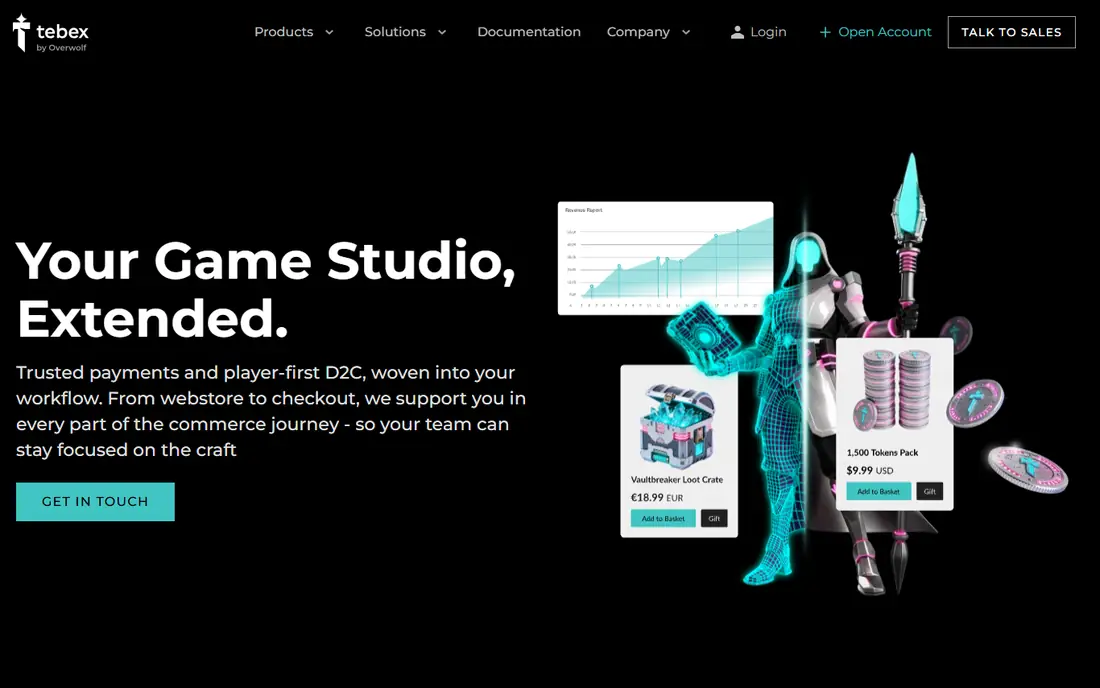
Tebex is the most game-specific option on this list, and that focus shows in its tooling. It started with private server monetisation for games such as Minecraft and expanded into direct studio web shops, with storefronts, packages, and subscription-style products for player communities. For a server owner or a live-service team, that ready-made shop structure can save weeks of custom checkout work.
The limit is breadth. Tebex is less natural for a studio that also sells non-game software or needs a general ecommerce platform, and its pricing and chargeback terms should be read on the current vendor page before launch. Still, for game-led sales, its community features and payment coverage make it a strong first shortlist pick.
- Built for game communities and server monetisation
- Web shop tools and plugins for popular server platforms
- Broad local payment methods
- Less suited to a general software store
- Chargeback and fee details need checking on the current pricing page
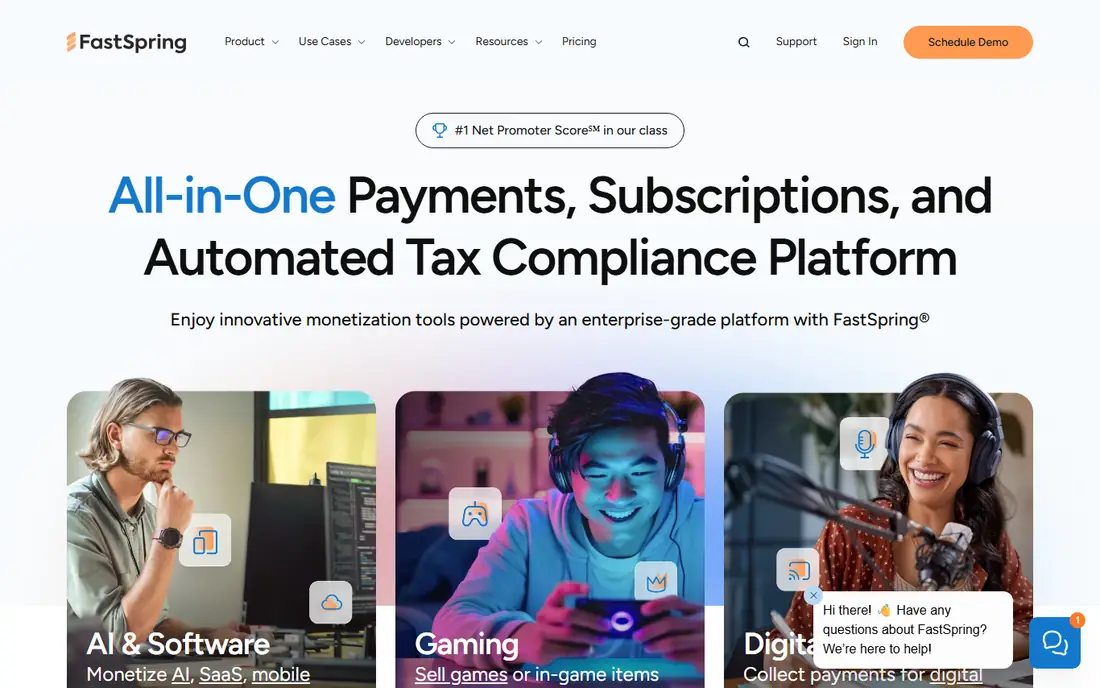
FastSpring suits a studio that wants tax and compliance handled without building that work in-house. As a merchant of record, it acts as the seller on the transaction, calculates and remits applicable sales tax, and provides a localised checkout for players in different countries. That model matters for a small team selling worldwide, where tax rules alone can become a full-time job.
The honest catch is game focus. FastSpring is a strong general digital commerce platform, but it does not offer the same server plugins or creator tools as a game-first shop. Studios that sell games alongside other digital products may prefer that generality, while game-only teams should weigh it against Tebex or Aghanim.
- Merchant of record model handles tax compliance
- Long history with digital products
- Localised checkout in many languages
- Less game-specific than Tebex or Xsolla
- Pricing is quote-based for larger accounts
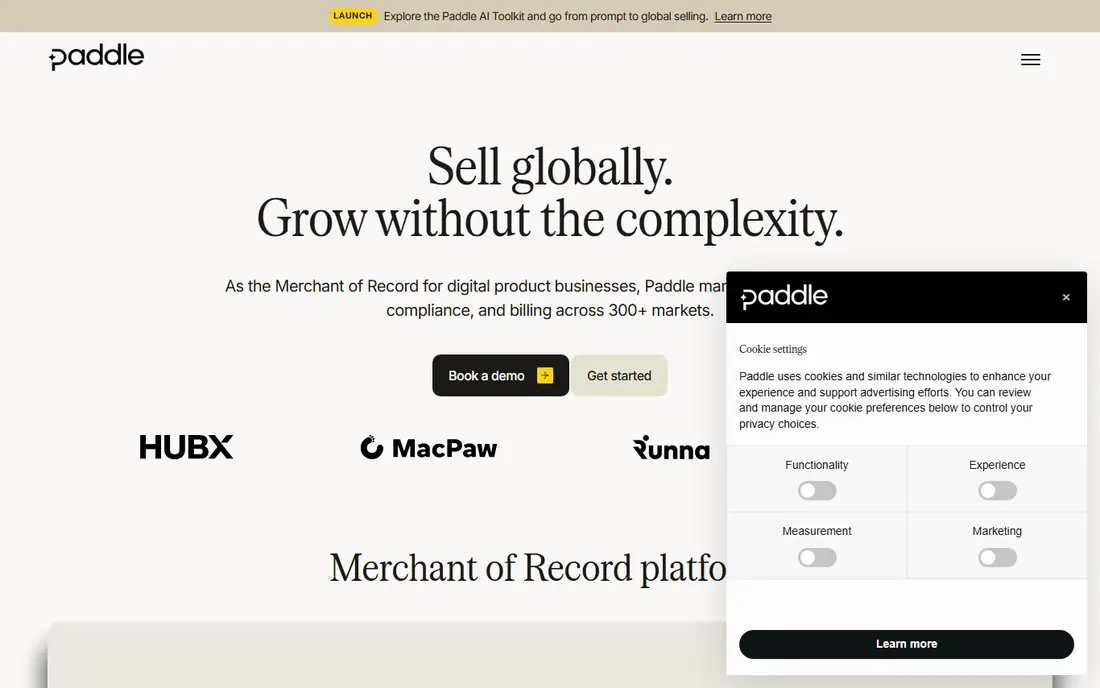
Paddle is a practical pick for studios selling downloadable games, licences, and subscriptions through a web store. Its merchant of record service covers tax handling, and its subscription tools help with recurring game passes, season passes, and membership-style products. Reporting is also a strength, which helps a small team track where sales and refunds are coming from.
Paddle is not built around game servers or in-game item shops in the same way as Tebex. If the main job is selling keys and subscriptions through a clean checkout, that gap may not matter. If the main job is a live player shop with game-linked rewards, a game-first platform will fit better.
- Merchant of record for digital sales
- Subscription billing and reporting
- Clear developer documentation
- Game-specific shop features are limited
- Fee structure should be confirmed on the current pricing page
Stripe is the choice for teams with developers who want full control over checkout, subscriptions, and payouts. It supports cards and many local payment methods, offers hosted checkout and embeddable payment elements, and integrates with a wide range of storefronts and game back ends. For a studio already building its own shop, that flexibility is hard to beat.
The trade-off is responsibility. Stripe moves money, but it does not take on the seller role in the way a merchant of record does, so the studio still owns tax registration, collection, and remittance decisions in each market. Teams without tax or compliance help should price that work in, or choose a merchant of record instead.
- Very broad payment methods and developer tools
- Strong fraud tools and checkout options
- Widely supported by game and web platforms
- Not a merchant of record by default, so tax and compliance work stays with the studio
- Setup needs developer time
PayPal earns its place because players already trust it and many already hold a balance or saved payment method. Adding PayPal to a web shop can lift conversion for buyers who do not want to enter card details on a new store, and it works well alongside a main processor or merchant of record. For a small studio, that familiarity is a real advantage.
It is not a full Xsolla replacement on its own. PayPal does not act as merchant of record, and sellers should read its dispute, hold, and fee terms carefully, since digital goods disputes can be harder to evidence than physical goods. Use it as a payment option inside a wider commerce setup, not as the whole tax and compliance plan.
- Very wide buyer recognition and trust
- Supports many currencies and markets
- Simple checkout for smaller studios
- Not a merchant of record
- Dispute handling and holds can frustrate sellers
- Fees vary by transaction type
Digital River suits larger studios and publishers selling into many countries with strict compliance needs. Its merchant of record model handles tax, local payment methods, and fraud screening, and its reporting supports finance teams that need clean records across regions. For a publisher with a broad catalogue, that structure reduces legal and accounting risk.
The downside is fit for small teams. Digital River is an enterprise platform with a sales-led process, so a solo developer or tiny studio may find setup slower and pricing less transparent than a self-serve shop tool. Larger teams that value compliance depth over quick setup will get more from it.
- Merchant of record and global tax handling
- Strong compliance and fraud controls
- Enterprise-grade reporting
- Enterprise focus and sales-led pricing
- Heavier setup than a simple web shop tool
Cleverbridge is best known for software and subscription sales, which maps well to game subscriptions, season passes, and downloadable content sold through a web store. Its merchant of record service covers tax handling, and its billing tools support renewals, upgrades, and failed payment recovery. That helps a studio keep recurring revenue steady without building billing logic from scratch.
The limit, again, is game focus. Cleverbridge does not offer the server plugins or player community tools that a game-first shop provides. It fits a studio that sells games like software products, with a clean storefront and subscription billing as the main job.
- Merchant of record for software and subscriptions
- Strong subscription billing and retention tools
- Global payment coverage
- Game-specific shop features are limited
- Enterprise-style onboarding
PayPro Global offers a managed reseller approach for studios that want someone else to handle the sale, tax, and compliance side. It supports one-time purchases and subscriptions, works across many payment methods and currencies, and suits studios that prefer a hands-off commerce partner. For a team without a finance or operations specialist, that managed model can be a relief.
The catch is visibility. PayPro Global is less familiar to players than the big consumer payment brands, and pricing is handled through sales rather than a public rate card. Ask for the full fee breakdown, payout schedule, and chargeback terms before committing, and compare those terms with FastSpring and Paddle.
- Merchant of record and reseller model
- Handles tax and compliance
- Supports subscriptions and one-time sales
- Quote-based pricing
- Less well known to players than Stripe or PayPal
Aghanim is a game-first web shop platform with a mobile focus, which suits studios selling to mobile players who buy outside app stores. Its no-code hub builder helps a team launch a branded shop without a large web build, and its tax handling covers many countries. For a mobile studio testing direct-to-consumer sales, that combination is attractive.
Because Aghanim is newer than FastSpring or Digital River, buyers should check its payment coverage in their key markets and ask about support hours and payout timing. It is a strong specialist pick rather than a general commerce platform, and it fits best when the shop itself is the product being tested.
- Built for game web shops with no-code hub tools
- Tax compliance for many countries
- Mobile-first design
- Newer and smaller than the largest platforms
- Pricing is handled through sales
How we picked these
We compared official feature pages, pricing pages, and public reviews for game commerce platforms, and we kept only tools that can sell games, virtual goods, or digital licences across borders. We did not include Xsolla itself, and we noted merchant of record status for each option because that status changes who owns tax and compliance. Prices are shown as See website where the vendor does not publish a standard rate, since game commerce fees often vary by volume and product type.
What to check before you switch
Start with the sale type that drives most revenue. A key and DLC store needs clean checkout and tax handling, a server community needs shop plugins and package tools, and a subscription game needs renewal and failed payment handling. Then check local payment methods in your top five player countries, because a checkout that misses a popular local method will lose sales even if the headline fee looks good.
Compare total cost, not just the headline rate
Ask for the full fee picture: transaction fees, currency conversion, chargeback fees, payout timing, and any monthly or setup charges. A merchant of record may look pricier per sale but can save tax, accounting, and fraud tooling costs, while a processor may look cheaper until that extra work is priced in. Run a month of real sales volume through both models before deciding.
Frequently asked questions
Is Stripe a direct Xsolla alternative?
Stripe can replace the payment part of Xsolla, but it is not a merchant of record by default. Studios using Stripe still own most tax and compliance work, unless they add a tax product or a merchant of record partner alongside it.
What is a merchant of record, and why does it matter for games?
A merchant of record is the legal seller on a transaction, so it registers for and remits applicable sales tax and handles compliance in each market. That matters for games because players buy from many countries, and tax rules for digital goods vary widely.
Which Xsolla alternative is best for a Minecraft or game server shop?
Tebex is the most server-focused option here, with shop tools and plugins built for game communities. Check its current payment methods and chargeback terms for your server type before launching a shop.
Can I use PayPal alone instead of Xsolla?
PayPal works well as a payment option, but it does not replace Xsolla tax handling, web shop tooling, or fraud screening on its own. Most studios pair PayPal with a processor or merchant of record rather than relying on it alone.
Do these platforms support subscriptions and in-game purchases?
Most do, but the details differ. FastSpring, Paddle, Cleverbridge, and PayPro Global support subscriptions well, while Tebex and Aghanim are stronger for game web shops and item packages. Confirm that the exact product type you sell is supported before signing.
Sources
- https://dodopayments.com/blogs/xsolla-alternatives
- https://fastspring.com/blog/xsolla-competitors/
- https://www.tebex.io
- https://www.fastspring.com
- https://www.paddle.com
- https://www.stripe.com
- https://www.paypal.com
- https://www.digitalriver.com
- https://www.cleverbridge.com
- https://www.payproglobal.com
- https://www.aghanim.com
See where you really rank - block by block
ProMapRanker scans Google Maps across a grid of your service area. Simple monthly plans from $19, white-label on every plan.
Start freeKeep reading
 zyte alternatives
Best Zyte Alternatives in 2026
These zyte alternatives cover managed scraping APIs, proxy networks and no code tools for lawful collection from your own or consented sources only in 2026.
Read → zerto alternatives
Best Zerto Alternatives in 2026
Compare the best zerto alternatives for disaster recovery and replication, with recovery targets, cloud options and honest trade-offs for teams in 2026.
Read → zerofox alternatives
Best ZeroFox Alternatives in 2026
We compared 9 zerofox alternatives for brand protection, phishing takedowns, dark web monitoring, and social impersonation, with clear coverage notes.
Read →