 ProMapRanker
Best ZeroFox Alternatives in 2026

Key takeaways
- Most alternatives cover domains, social media, app stores, and dark web sources, so the real difference is takedown speed and follow-through.
- BrandShield, Netcraft, and Red Points suit teams that want detection plus enforcement, while Recorded Future and Cyble suit teams that want wider threat intelligence.
- Almost every enterprise option here is quote-based, so ask for the number of takedowns included, response times, and what counts as a managed case before signing.
- Smaller teams should start with a narrow scope, such as phishing domains or social impersonation, rather than buying full coverage at once.
Quick comparison
| Pick | Great for | Pricing starts at | Free tier | |
|---|---|---|---|---|
 BrandShield | Broad brand protection | See website | No | Visit |
 Bolster | Fast phishing detection | See website | No | Visit |
 Netcraft | Rapid phishing takedowns | See website | No | Visit |
 Red Points | Marketplace counterfeit removal | See website | No | Visit |
 Doppel | Social engineering defence | See website | No | Visit |
 Recorded Future | Broad threat intelligence | See website | No | Visit |
 PhishLabs by Fortra | Phishing and domain defence | See website | No | Visit |
 Cyble | Dark web and brand exposure | See website | No | Visit |
 SOCRadar | Mid-market threat monitoring | See website | No | Visit |
The best zerofox alternatives
ZeroFox is known for external cybersecurity and brand protection, covering threats outside the corporate network. We compared official feature pages, pricing pages, and public reviews to find tools that cover a similar mix of domains, social accounts, app stores, and dark web sources.
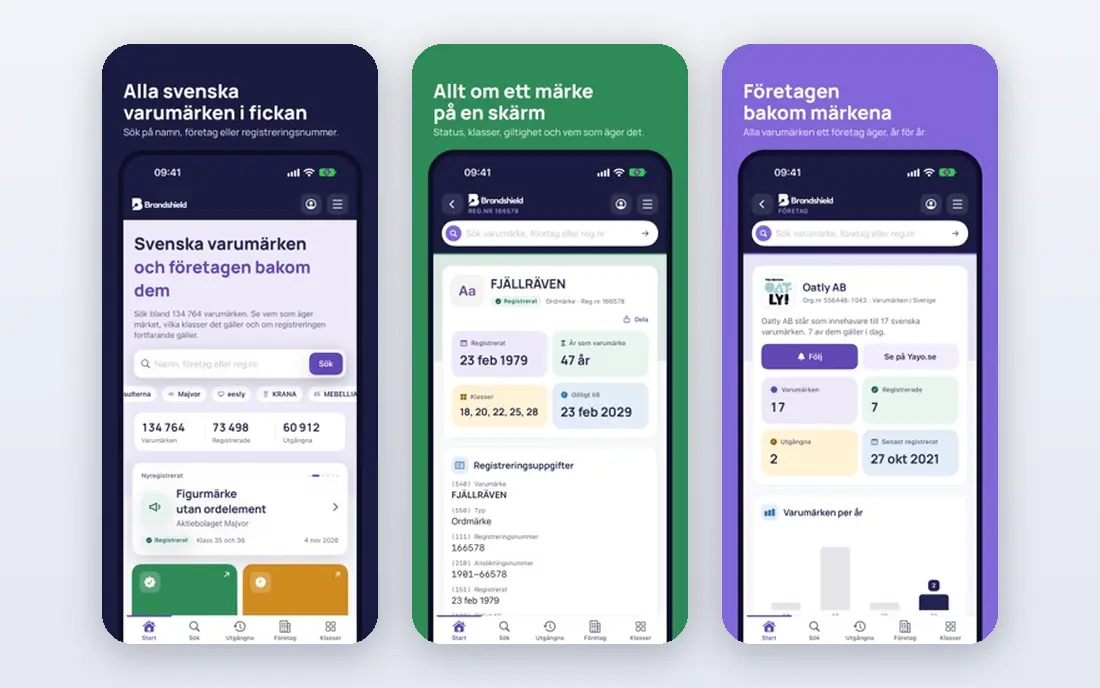
BrandShield is a good first call for a brand team that wants one place to watch many channels at once. Its detection covers lookalike domains, fake social profiles, marketplace listings, and mobile apps, and its team can pursue removals rather than only sending alerts. That breadth matters when a scam uses several channels at the same time, such as a fake ad leading to a fake login page and then to a fake app listing.
The trade-off is transparency on price and scope. BrandShield does not publish a standard price, and enforcement limits can vary by package, so a buyer should get the included takedown count and scan frequency in writing. Smaller brands may also find the full platform more than they need at first, and a phishing-only scope can be a sensible starting point.
- Covers phishing, counterfeits, social impersonation, and trademark abuse
- Analyst review helps cut false positives
- Case management is built in
- No public pricing
- Dashboard can take time to learn for non-technical users
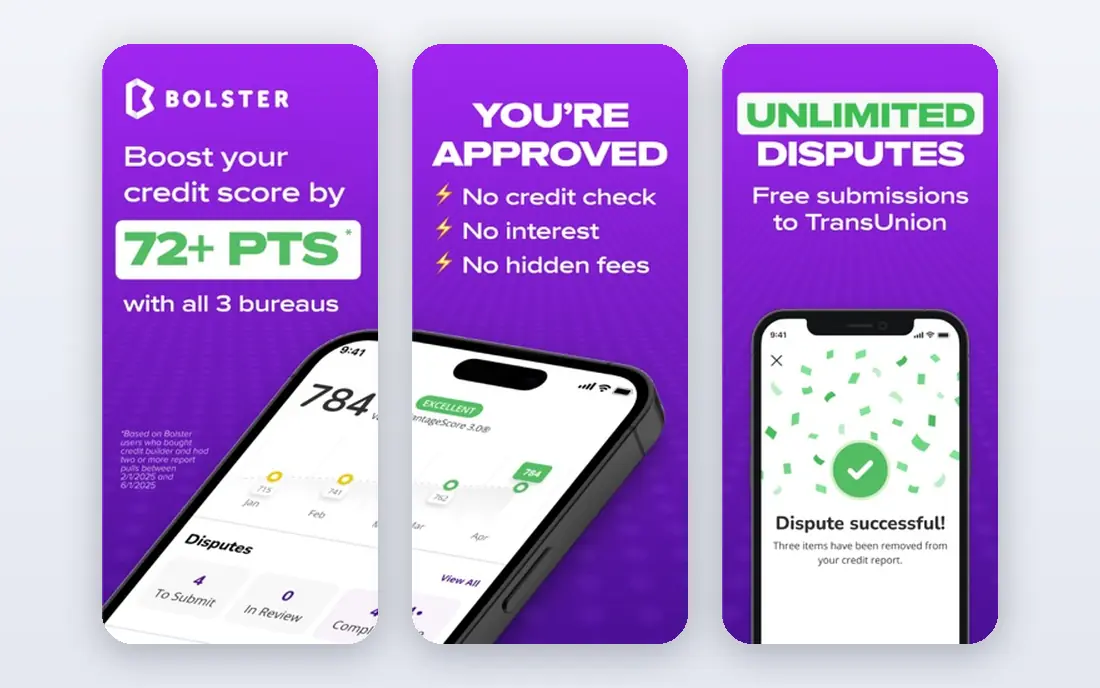
Bolster stands out for teams whose main worry is phishing rather than fake products. It looks for newly registered domains, cloned login pages, and impersonation across web and social channels, and it is designed to catch attacks that do not match known phishing kits. For a security team, that early warning can matter more than a long list of channels.
The honest catch is scope. Bolster is not the best pick if the main problem is counterfeit goods on marketplaces, where a tool like Red Points has deeper enforcement workflows. Pricing is also handled through sales, so compare its detection speed and takedown process directly against Netcraft before choosing.
- Strong focus on new and zero-day phishing techniques
- Automated detection across web, social, and apps
- Built for security teams
- Less suited as a general counterfeit tool
- Enterprise pricing is quote-based
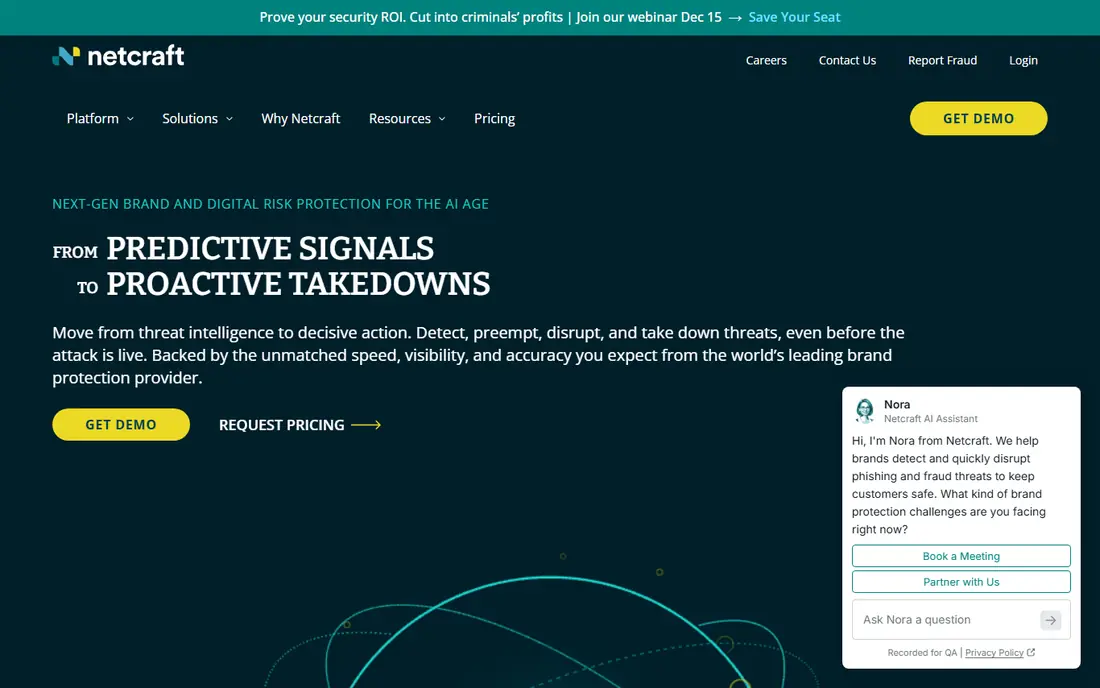
Netcraft is the option to shortlist when takedown speed is the deciding factor. It has worked on phishing detection and removal for many years, and its relationships with registrars and hosts help it act quickly on fraudulent domains. Banks and other high-risk targets often value that speed because a phishing site can do most of its damage in its first hours online.
The downside is that Netcraft feels built for security teams rather than brand managers. Expect a sales-led purchase, a setup conversation about coverage, and reporting that needs some translation for non-technical readers. If social impersonation is the bigger problem, pair it with a social-focused tool or check that social coverage is included in the quote.
- Long history in phishing detection and takedown
- Direct registrar and hosting relationships
- Broad threat coverage
- Interface and reporting feel enterprise-oriented
- Pricing is quote-based
Red Points is built for brands losing sales to fakes. It monitors marketplaces, websites, and social channels for counterfeit listings and impersonation, then pursues removals at volume without charging per case in its usual model. That pricing shape helps during a counterfeit surge, when a per-case model would suddenly cost far more.
It is not a direct replacement for a threat intelligence platform. Teams that also need deep dark web investigations or executive protection will want a second tool or a different primary pick. Red Points is at its best when the goal is measurable: fewer fake listings, faster removals, and recovered revenue.
- Flat-fee model covers unlimited detections and takedowns in its standard approach
- Strong marketplace coverage
- Clear enforcement reporting
- Less focused on executive threat intelligence
- Pricing is quote-based
Doppel focuses on the human side of brand abuse: fake executives, fake employees, fake recruiters, and scam accounts that trick customers and staff. Its detection looks across social media, domains, and other public channels for impersonation, and it supports takedowns once a threat is confirmed. That focus suits companies where trust in people, not only in products, is the target.
The limit is breadth. Doppel does not try to be a general threat intelligence platform, so teams that need malware analysis, vulnerability data, or broad geopolitical threat reporting should look elsewhere. For social-led risk, though, its focused approach can be easier to run than a platform with dozens of modules.
- Focus on social engineering and impersonation
- AI-led detection across digital channels
- Managed takedown support
- Newer and narrower than full threat intelligence platforms
- Pricing is quote-based
Recorded Future is the pick for security teams that already think in terms of threat intelligence. Its brand monitoring draws on the same collection as its wider intelligence work, covering domains, social sources, dark web forums, and leaked credentials. That context helps a team judge whether a fake domain is a one-off scam or part of a larger campaign.
The catch is size and cost. A brand team that only wants takedowns may find the platform heavy, and the purchase will go through sales with a scope discussion. It earns its place here for teams that want brand risk inside a single intelligence workflow, not as a standalone alert feed.
- Very broad open, deep, and dark web coverage
- Brand monitoring sits inside a wider intelligence platform
- Strong analyst research
- Can be more platform than a brand-only team needs
- Enterprise pricing and setup
PhishLabs, part of Fortra, suits teams that want analysts doing the work rather than a self-serve dashboard. It monitors lookalike domains and phishing activity, watches for executive targeting, and supports takedowns with human review behind the automation. That managed model helps teams without a large in-house security staff.
The trade-off is control and cost shape. A managed service means less hands-on tuning, and the price will reflect analyst time as well as software. Teams that want to run detection themselves, or that need marketplace counterfeit enforcement as the main job, should compare it with Bolster or Red Points first.
- Managed, analyst-backed brand protection
- Lookalike domain monitoring
- Executive targeting defence
- Managed service model may suit larger teams best
- Pricing is quote-based
Cyble is a useful middle ground between brand protection and threat intelligence. It watches for leaked credentials, exposed data, brand impersonation, and attack surface issues in one platform, which helps a team connect a fake domain to a wider exposure. Small and mid-sized security teams often like that combined view because it reduces the number of separate feeds they must check.
The risk is overlap. If a team already pays for a separate attack surface or dark web tool, Cyble may duplicate part of that coverage. Ask for a clear map of which sources are included and which alerts are brand-specific before buying, and trial the alert quality on real brand terms.
- AI-led monitoring across surface, deep, and dark web
- Combines brand exposure with attack surface data
- Broad threat coverage
- Broad scope can overlap with existing security tools
- Pricing is quote-based
SOCRadar is often named as a value option for mid-sized security teams. It covers brand monitoring, phishing domains, dark web exposure, and attack surface signals without the enterprise price tag of the largest platforms. For a team moving from manual checks or a single-channel tool, that breadth is a clear step up.
The honest limit is depth. SOCRadar may not match Recorded Future on analyst research or Netcraft on takedown speed for every case type. Treat it as a strong generalist: good coverage, sensible workflow, and a price worth confirming against a narrower specialist for the threat type that hurts most.
- Broad coverage at a mid-market price point in vendor comparisons
- Dark web, phishing, and brand monitoring in one platform
- Accessible interface
- Less analyst depth than the largest enterprise platforms
- Pricing details vary by package
How we picked these
We compared official feature pages, pricing pages, and public reviews for digital risk protection and brand protection platforms, and we kept only tools that monitor external threats such as phishing domains, social impersonation, or dark web exposure. We did not include ZeroFox itself, and we favoured tools with a clear enforcement or takedown path rather than alert-only feeds. Prices are shown as See website where the vendor does not publish a standard price, because inventing an enterprise quote would mislead buyers.
What to check before you buy
Start with the threat that costs you most. A phishing problem needs fast domain takedowns, a counterfeit problem needs marketplace enforcement at volume, and an impersonation problem needs social coverage and executive monitoring. Ask each vendor which channels are included in the quoted price, how takedowns are handled when a host ignores the first request, and how quickly you will hear about a new threat.
Ask about takedowns, not just detection
Detection is the easy part of this market. Ask who pursues the removal, whether enforcement is done in-house or outsourced, what evidence the vendor keeps, and what happens when a scam returns under a new domain. Get the takedown count, response time, and escalation path in the contract, not only in a sales call.
Run a trial on your real brand terms
Use your brand name, common misspellings, executive names, and product names during any trial. A tool that looks strong on a demo may miss the exact scam formats hitting your customers, such as fake ads or app store clones. Keep a simple scorecard: threats found, false positives, time to takedown, and how much analyst time each alert needed.
Frequently asked questions
What is the best ZeroFox alternative for phishing takedowns?
Netcraft and Bolster are strong starting points for phishing, with Netcraft known for fast takedowns and Bolster focused on new phishing techniques. Compare their takedown process and response times on your own domains before choosing, since speed varies by case type.
What is the best ZeroFox alternative for counterfeit products?
Red Points is built for marketplace counterfeit enforcement at volume, with a flat-fee approach that avoids per-case cost spikes. BrandShield is also worth shortlisting if counterfeits sit alongside phishing and social impersonation.
Are there free ZeroFox alternatives?
There is no full free replacement for an enterprise digital risk protection platform. Free options such as search alerts and domain watch lists can catch obvious impersonation, but they do not provide managed takedowns, dark web access, or analyst review.
Do these tools replace internal security monitoring?
No. These tools watch threats outside your network, such as fake domains and scam social accounts. They sit alongside internal monitoring, endpoint protection, and incident response, and they work best when alerts feed into an existing security workflow.
How much do ZeroFox alternatives cost?
Most enterprise options here are quote-based, with price driven by coverage, brand count, takedown volume, and analyst support. Ask for a scoped quote tied to your channels and case volume, and confirm what is included before comparing vendors on price alone.
Sources
- https://www.zerofox.com/blog/zerofox-alternatives/
- https://www.comparitech.com/net-admin/best-digital-risk-protection-platforms/
- https://www.netcraft.com/blog/6-best-brand-protection-platforms-for-defending-your-company-s-online-reputation
- https://www.brandshield.com
- https://www.bolster.ai
- https://www.netcraft.com
- https://www.redpoints.com
- https://www.doppel.com
- https://www.recordedfuture.com
- https://www.fortra.com
- https://www.cyble.com
- https://www.socradar.io
See where you really rank - block by block
ProMapRanker scans Google Maps across a grid of your service area. Simple monthly plans from $19, white-label on every plan.
Start freeKeep reading
 zyte alternatives
Best Zyte Alternatives in 2026
These zyte alternatives cover managed scraping APIs, proxy networks and no code tools for lawful collection from your own or consented sources only in 2026.
Read → zerto alternatives
Best Zerto Alternatives in 2026
Compare the best zerto alternatives for disaster recovery and replication, with recovery targets, cloud options and honest trade-offs for teams in 2026.
Read → zapier alternatives comparison
Best Zapier Alternatives Compared in 2026
Compare the best Zapier alternatives by price, free plan, and fit, including Make, n8n, IFTTT, Power Automate, and other automation tools compared in 2026.
Read →