 ProMapRanker
Best X Alternatives in 2026

Key takeaways
- Bluesky is the closest feel to classic Twitter, with custom feeds and an open protocol that lets you move your identity between apps.
- Threads is the easiest switch for Instagram users, with a large built in audience and a simple text first feed.
- Mastodon suits people who want community run servers, chronological feeds and no ads, at the cost of a slower start.
- Smaller networks such as Minds, Hive Social and Spoutible suit niche communities, but expect a smaller audience than the big three.
- No single platform replaces X for everyone. Pick one main home, keep a second outpost, and cross post only where it fits each audience.
Quick comparison
| Pick | Great for | Pricing starts at | Free tier | |
|---|---|---|---|---|
 Bluesky | Classic Twitter feel with custom feeds | Free | Yes | Visit |
 Threads | Instagram users moving to text posts | Free | Yes | Visit |
 Mastodon | Community run servers and no ads | Free | Yes | Visit |
 Minds | Creator rewards and open posting | Free | Yes | Visit |
 Hive Social | Chronological text and photo posts | Free | Yes | Visit |
 CounterSocial | Tightly moderated discussion | Free | Yes | Visit |
 Spoutible | Civil discussion with strong moderation | Free | Yes | Visit |
 Substack | Writers building a subscriber audience | Free | Yes | Visit |
 Tumblr | Blogs, art and fandom communities | Free | Yes | Visit |
 Diaspora | Self hosted social pods | Free | Yes | Visit |
The best x alternatives
These platforms cover the main reasons people leave X, from algorithmic feeds to moderation worries to a wish for an open network. Each one is free to start, so the real cost is the time it takes to rebuild your follow graph.
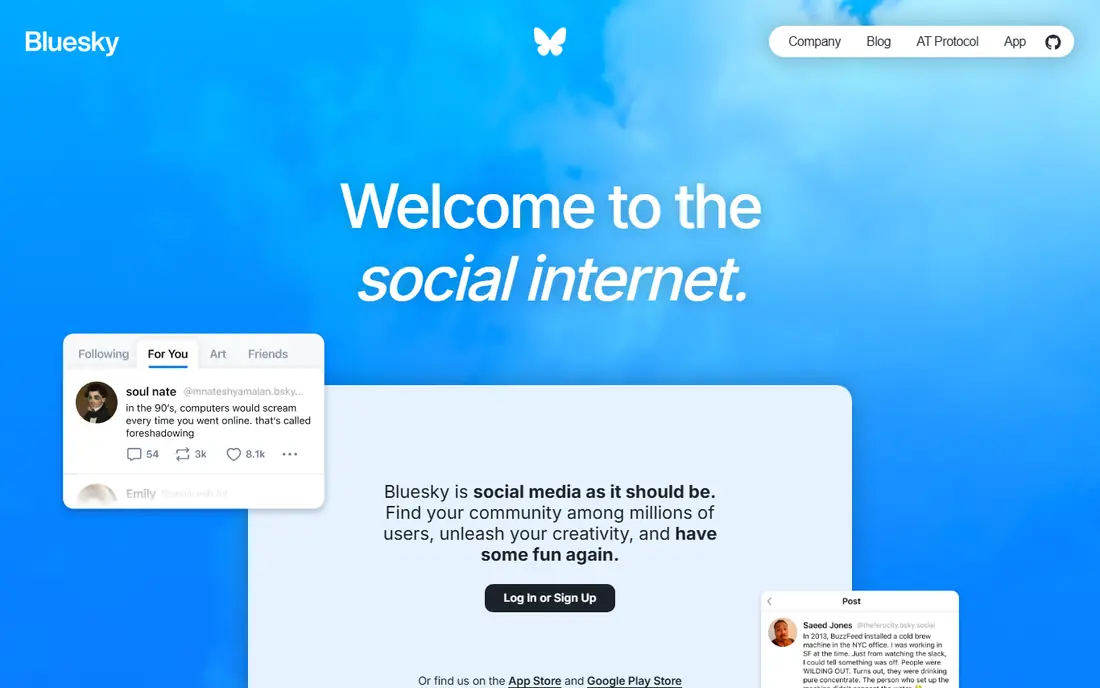
Bluesky feels closest to the Twitter many users remember. Posts are short, replies thread clearly, and you can choose feeds built around topics, professions or humour instead of accepting one algorithmic timeline. Starter packs, which are curated lists of accounts to follow in one tap, make the first day far less empty than on other new networks.
The trade off is reach. Bluesky has grown quickly, but daily activity still trails the largest platforms, so breaking news and viral reach can feel quieter. If you value control over your feed and an open protocol, that trade is worth it. If you need the largest possible audience today, pair it with Threads.
- Familiar short post format
- Custom feeds you can subscribe to
- Starter packs help rebuild follows fast
- Smaller daily audience than X or Threads
- Some features still maturing
- Moderation varies across feeds
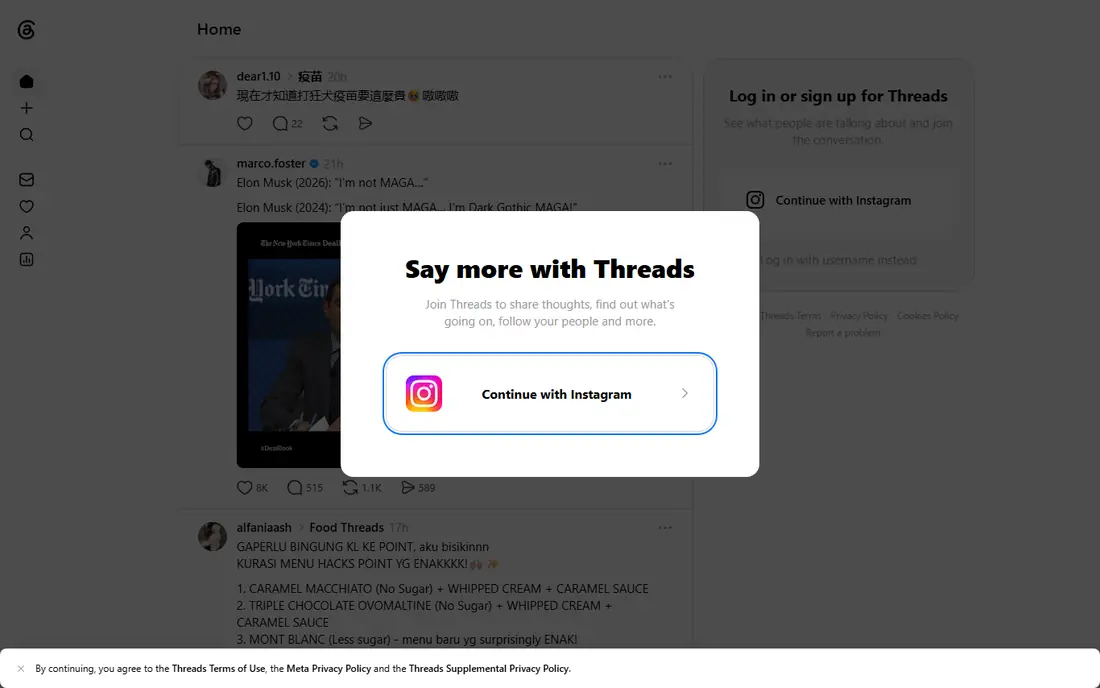
Threads is the lowest friction move for anyone already on Instagram. You can bring over your Instagram follows, post text, photos and short video, and reach people who never joined a niche network. For brands, creators and small businesses, that built in audience is the main reason to be here.
Control is the weaker point. The main feed leans on recommendations, and while chronological options exist, they are less central than on Mastodon or Bluesky. Threads also links to your Instagram identity, which suits public creators but may not suit people who want a separate, private handle.
- Large audience via Instagram
- Simple posting up to 500 characters
- Easy to follow existing Instagram contacts
- Algorithmic feed can feel noisy
- Federation features vary
- Tied closely to a Meta account
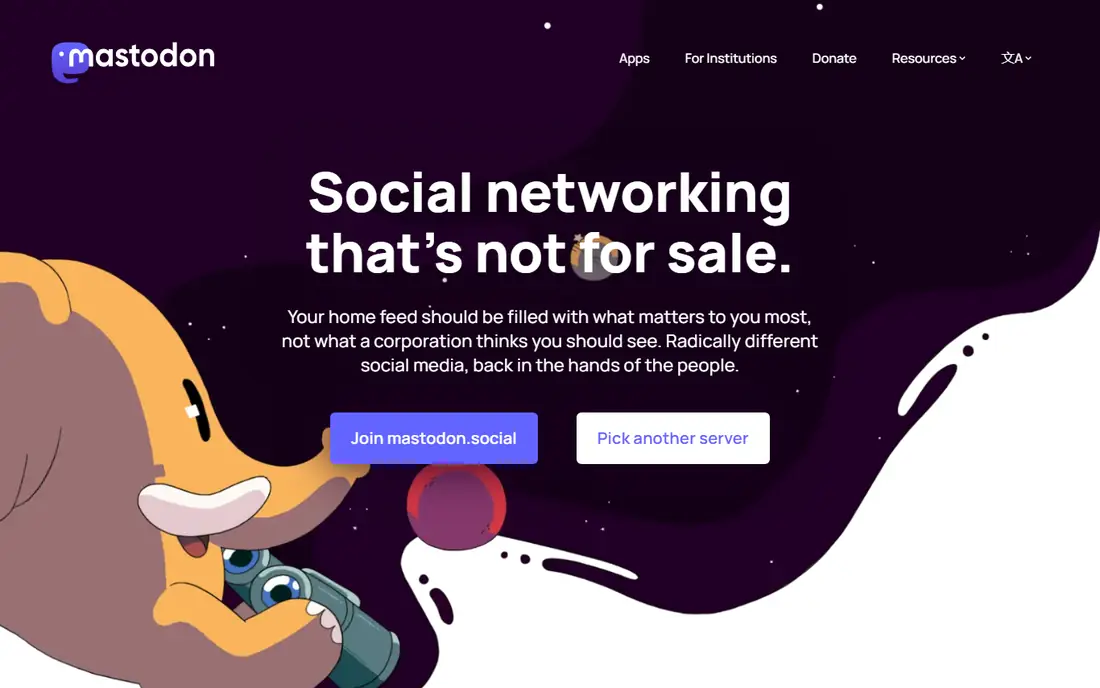
Mastodon is not one company feed. It is a network of independent servers, each with its own rules, moderators and local timeline, all able to talk to each other. That design gives you a chronological feed, no ads and a community that can set its own standards. Journalists, researchers, artists and open source communities have built durable homes here.
The start is slower. You must pick a server, learn what federation means, and accept that your local timeline will look different from a friend on another server. General servers are a fine first step, and topic servers often give a better local feed. Once you settle in, the quieter pace is a feature for many users, not a flaw.
- No ads and no central algorithm
- Thousands of community servers
- Strong moderation tools per server
- Choosing a server confuses new users
- Audience is split across servers
- Some servers block others
Minds pitches itself as an open alternative where creators keep more control and can earn rewards for posts, comments and referrals. The site supports text, images, video and blogs, and paid memberships let supporters fund creators directly. For independent writers and video makers who dislike ad driven feeds, that model is appealing.
Expect a smaller, more opinionated crowd than Bluesky or Threads. The token system also takes time to understand, and it will not replace ad or subscription income for most creators. Use Minds as a second home for a loyal niche audience, not as your only channel, unless your community already lives there.
- Open source code
- Token rewards for engagement
- Creators can monetise posts and memberships
- Smaller mainstream audience
- Reward system adds complexity
- Content mix can feel uneven
Hive Social blends Instagram style profiles with Twitter style posts, all in a chronological feed. You can post text and photos, run polls, share music interests and customise your profile colour scheme. For users who miss a simple, chronological timeline, Hive is refreshingly plain.
Scale is the limit. Hive is much smaller than the leaders, so news, sports and niche topics may move slowly. It works best as a friendly secondary network for a close community, or as a main home if you prefer calm over reach. Check recent app reviews before you commit, since small teams can struggle during sudden growth.
- Chronological feed with no ads
- Mixes text, photos, polls and music
- Simple profile customisation
- Smaller user base
- App stability has varied in past growth surges
- Discovery is limited
CounterSocial takes moderation seriously, with a stated policy of blocking bots, trolls and hostile behaviour aggressively. That makes conversation calmer than on large open platforms, especially for users who have faced harassment on X. Communities are organised around interests, so you can find a focused room rather than a noisy global feed.
The cost of that calm is scale and spontaneity. The audience is small, and strict rules can limit edgy humour or heated debate that other networks allow. If a safe discussion space matters more than viral reach, CounterSocial is a strong pick. If you need a large news audience, keep it as a second space.
- Strict moderation against harassment and bots
- No ads
- Communities organised by interest
- Smaller audience
- Strict rules may feel restrictive
- Less suited to breaking news reach
Spoutible was built as a response to harassment and hate speech on larger platforms, with moderation rules that are stated plainly and enforced visibly. Posts, replies and quote posts work much like classic Twitter, so the learning curve is low. For users who want a civil public square, that clarity is the main draw.
Like other small networks, Spoutible cannot match X or Threads for audience size or news speed. Its value shows up in replies, where threads stay on topic more often. Try it if you have been driven away by abuse rather than by algorithms, and judge it after two weeks of posting, not after one quiet day.
- Clear anti harassment policies
- Familiar short post format
- No ads in the core feed
- Smaller network
- Growth has been gradual
- Fewer third party apps
Substack is best known for newsletters, but its Notes feed gives writers a short post space that works like a public timeline. Readers can follow writers, comment on notes and subscribe by email, which means your audience is portable in a way a social feed is not. For journalists, analysts and niche experts, that email list is a durable asset.
It is not a like for like X replacement. Casual chat, memes and fast news threads feel secondary to longer writing. If your goal is to build a readership you own, start with Substack Notes and a newsletter. If your goal is daily social banter, Bluesky or Threads will feel more natural.
- Notes feature for short posts
- Newsletters build a portable subscriber list
- Paid subscriptions for writers
- Not a full Twitter replacement for casual chat
- Discovery leans on writers
- Paid features take a revenue share
Tumblr has survived many social waves by serving art, fandom and humour communities that other platforms ignore. You can post short text, photos, GIFs, audio and long form blogs, and reblogging lets a post travel through communities in a way that feels distinct from retweets. For creative users, that culture is the draw.
Real time news is not its strength. Tumblr rewards curation, tags and community norms over breaking updates, and new users may need time to learn tag etiquette. If you left X because you missed a creative community more than a news feed, Tumblr deserves a fresh look.
- Long running fandom and art communities
- Mixes short posts, photos, GIFs and long blogs
- Strong reblog culture
- Feed can feel chaotic
- Discovery favours established blogs
- Less suited to real time news
Diaspora is one of the oldest decentralised social networks. Users join a pod, which is a server run by a community or an individual, and pods connect to each other. You can also host your own pod if you have technical skills. There are no ads, and your data stays with the pod you choose rather than a single company.
That independence comes with a small audience and an older interface. Diaspora suits privacy focused users and technical users who want control over hosting. For most people, Mastodon offers a similar idea with a larger, more active community and better apps.
- Decentralised pods you can host yourself
- No ads
- Privacy focused design
- Smallest audience here
- Interface feels dated
- Setup is technical for self hosting
How we picked these
We compared official feature pages, app store listings and public documentation for platforms that are live in October 2026, free to join, and able to host short public posts. We excluded X itself, since this list is about alternatives, and we excluded networks that are closed, invitation only or no longer operating. We weighted feed control, moderation, audience size and how easily a new user can rebuild a follow graph.
How to move from X without losing your audience
Start by exporting what you can, including your follow list and saved posts, and tell your current followers where you are moving. Use starter packs on Bluesky, Instagram imports on Threads and introduction posts on Mastodon to rebuild quickly. Post natively for at least two weeks on your main choice before judging it, since each network rewards different habits.
Keep one main home and one outpost. Cross posting the same text everywhere can feel flat, because audiences differ. Write a short version for a fast feed, a longer version for Substack, and a visual version for Tumblr where that fits. Check each platform moderation and privacy settings early, especially location, search visibility and who can reply to you.
Expect a smaller audience at first. That is normal on every alternative, and it does not mean the move failed. Measure replies and useful conversations, not just follower counts, for the first month. If a platform gives you better conversations with fewer people, it may still be the right home.
Frequently asked questions
What is the best alternative to X?
Bluesky is our pick for most people who want a classic Twitter feel, while Threads is the best pick for reach, especially for Instagram users. Mastodon is the best pick if you want no ads and community control, and you accept a slower start.
Are there free alternatives to X?
Yes. Every platform in this list offers a free plan, and most are free in full for posting, following and reading. Some offer paid upgrades, such as Substack paid subscriptions or Minds memberships, but none require payment to post.
Can I use Mastodon and Bluesky together?
Yes, and many users do. They run on different protocols, so you will need separate accounts, but cross posting tools and manual posting make it workable. Pick one as your main home and treat the other as an outpost for a different community.
Which X alternative has no algorithm?
Mastodon and Diaspora use chronological feeds by design, with no central algorithm choosing your timeline. Bluesky lets you choose custom feeds, which gives you algorithm control without forcing one feed on you.
Will my X followers move with me?
Some will, if you announce the move clearly and post a link in your X profile before you go quiet. Starter packs, follow imports and introduction posts help, but rebuilding takes weeks. Keep your X profile live as a signpost while your new audience grows.
Sources
See where you really rank - block by block
ProMapRanker scans Google Maps across a grid of your service area. Simple monthly plans from $19, white-label on every plan.
Start freeKeep reading
 zscaler alternatives
Best Zscaler Alternatives in 2026
Looking for zscaler alternatives? We compare 9 SASE and zero trust platforms on architecture, data protection, pricing, and fit for your network and team.
Read → zapier alternatives free
Best Zapier Alternatives Free in 2026
Nine automation tools for zapier alternatives free in 2026, all with genuinely free tiers, plus free plan limits, starting prices and upgrade paths explained.
Read → which platform is best for online reputation
Which Platform Is Best for Online Reputation in 2026
Wondering which platform is best for online reputation? We compare 8 review, listing, and response tools for small and multi-location businesses and agencies.
Read →